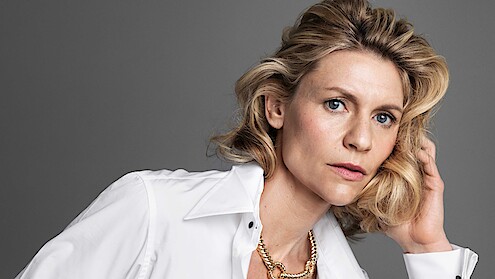
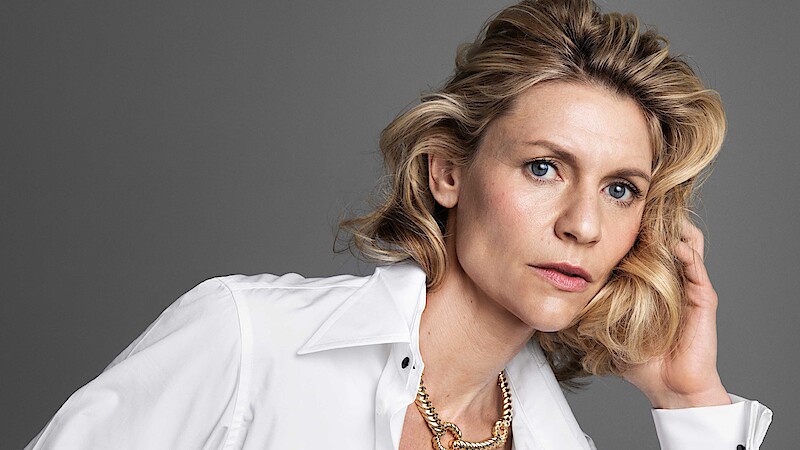
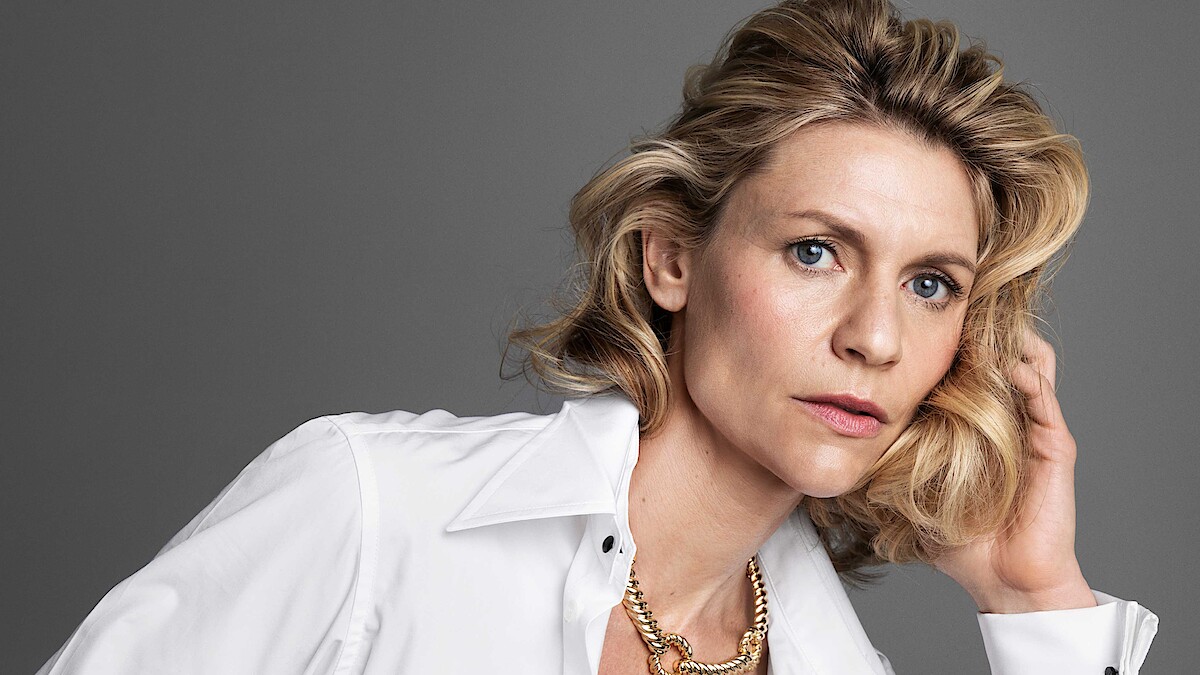
“How do we invite an audience into this woman’s world?”

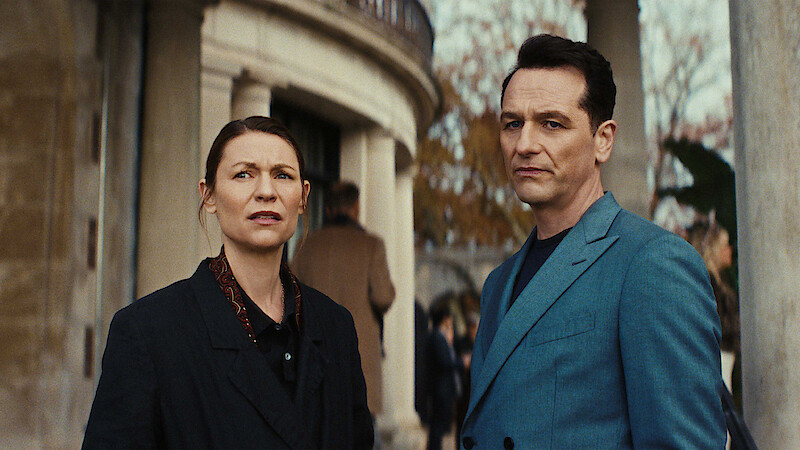
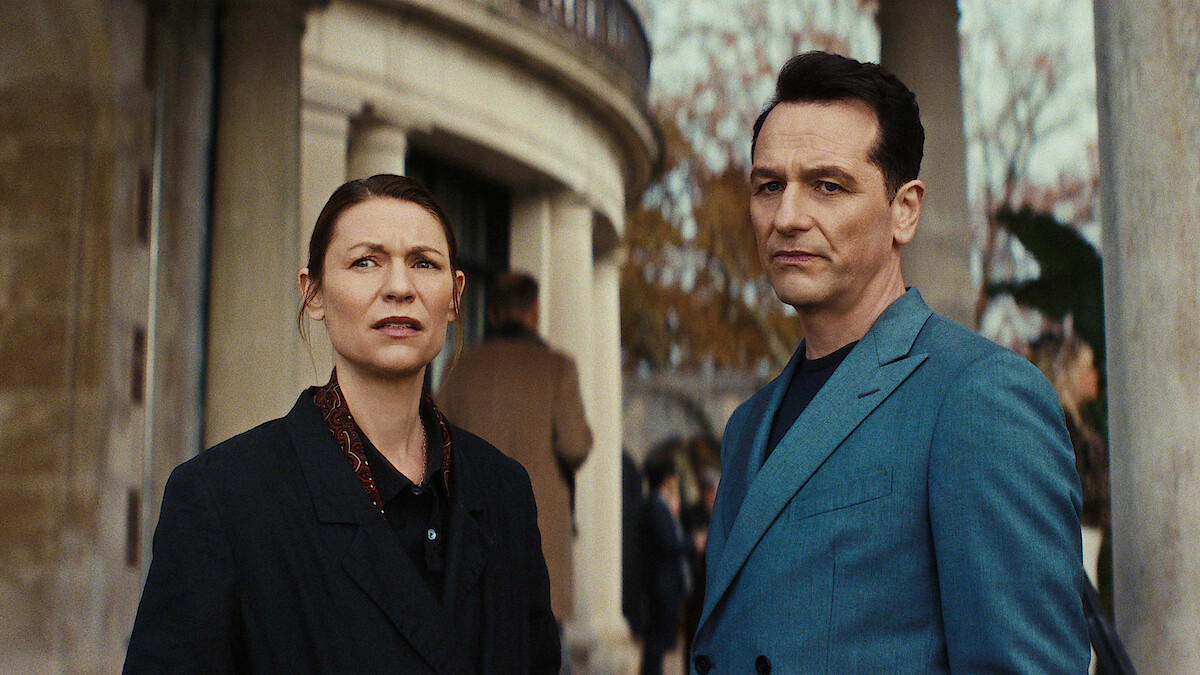
The Scotch is flowing. The cigarettes are smoldering. And the tension is simultaneously tantalizing and terrifying. Matthew Rhys shifts into his best suspected-murderer mode and pours more prop liquid truth for Claire Danes, who is channeling both inebriation and profound maternal mourning. With a smile on his face that is both menacing and seductive, he coos, “I think we were having a moment.”
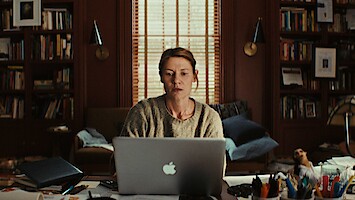
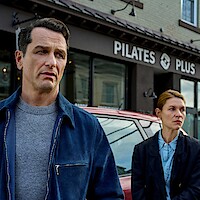
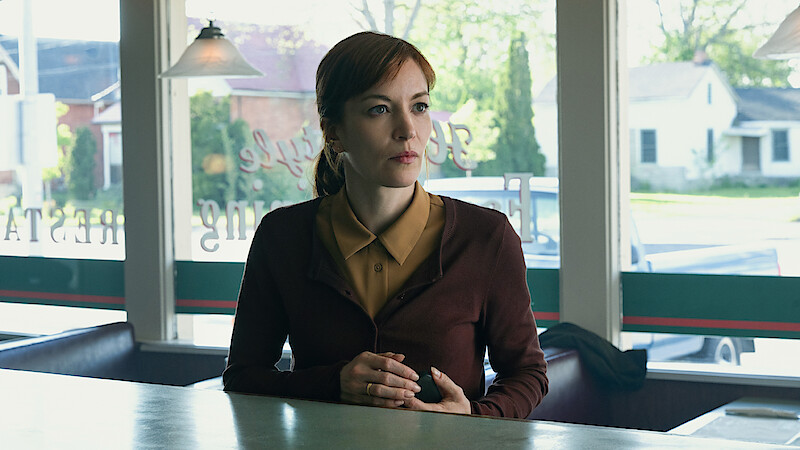
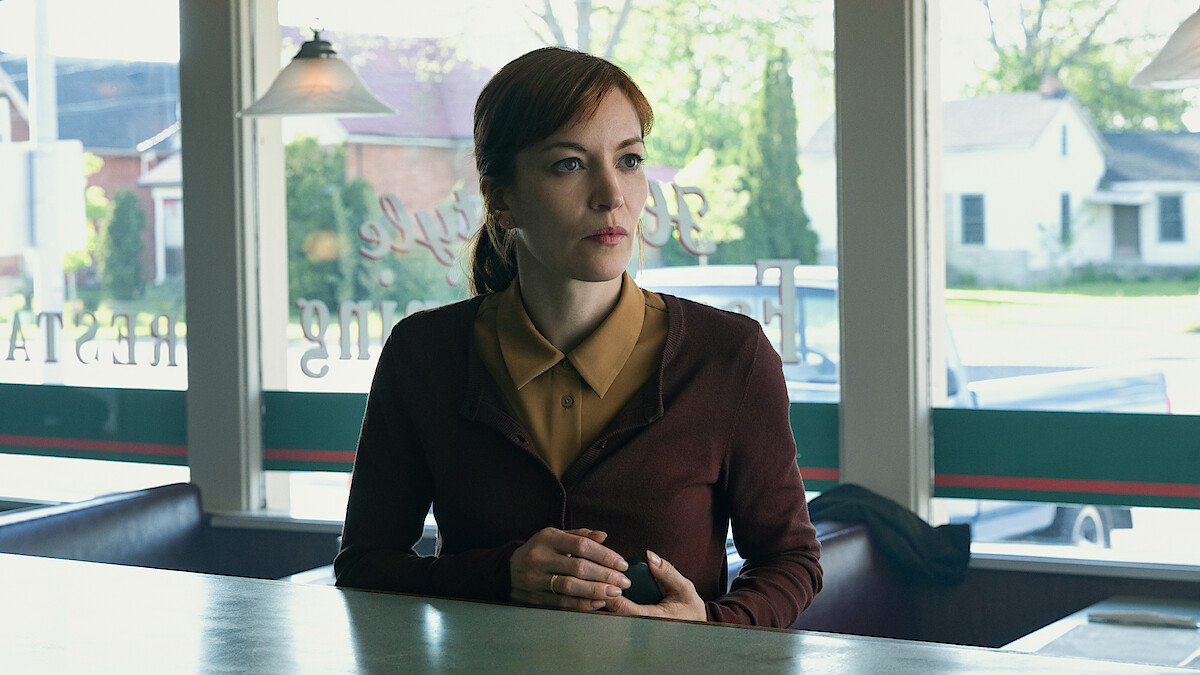
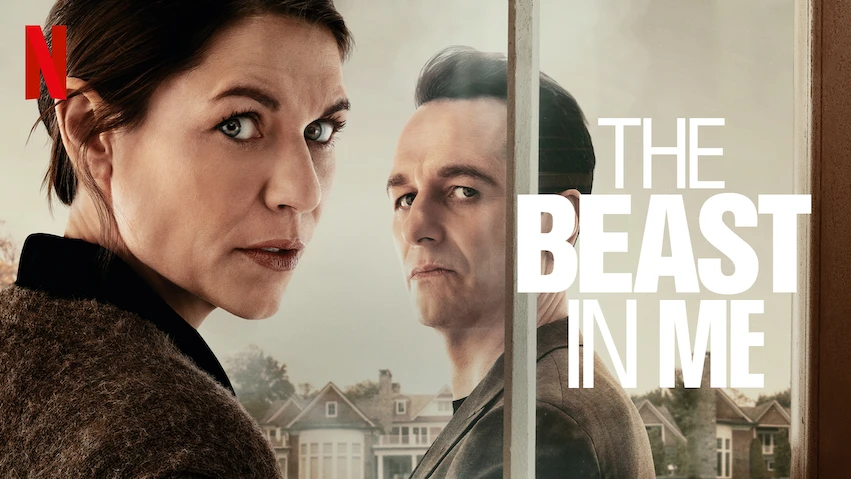
Were they ever. It’s one of many moments crackling with goosebump-inducing suspense in The Beast in Me, the thrilling limited series about Aggie Wiggs (three-time Emmy Award–winning Danes), a bestselling author reeling from the death of her son, and Nile Jarvis (Rhys, also an Emmy winner), a real estate scion who is rumored to have murdered his first wife. From the first minute Aggie and Nile meet, as new neighbors on a posh cul-de-sac in the town of Oyster Bay, the two seem to have an electric charge between them that, depending on the jolt, may or may not be deadly.
Of course, there’s deadly, and during that particular face-off, there’s dying of embarrassment. Catching up more than a year after filming and months after the series premiered, Rhys recalls, in expletive-filled detail, the enduring trauma of shooting that scene.
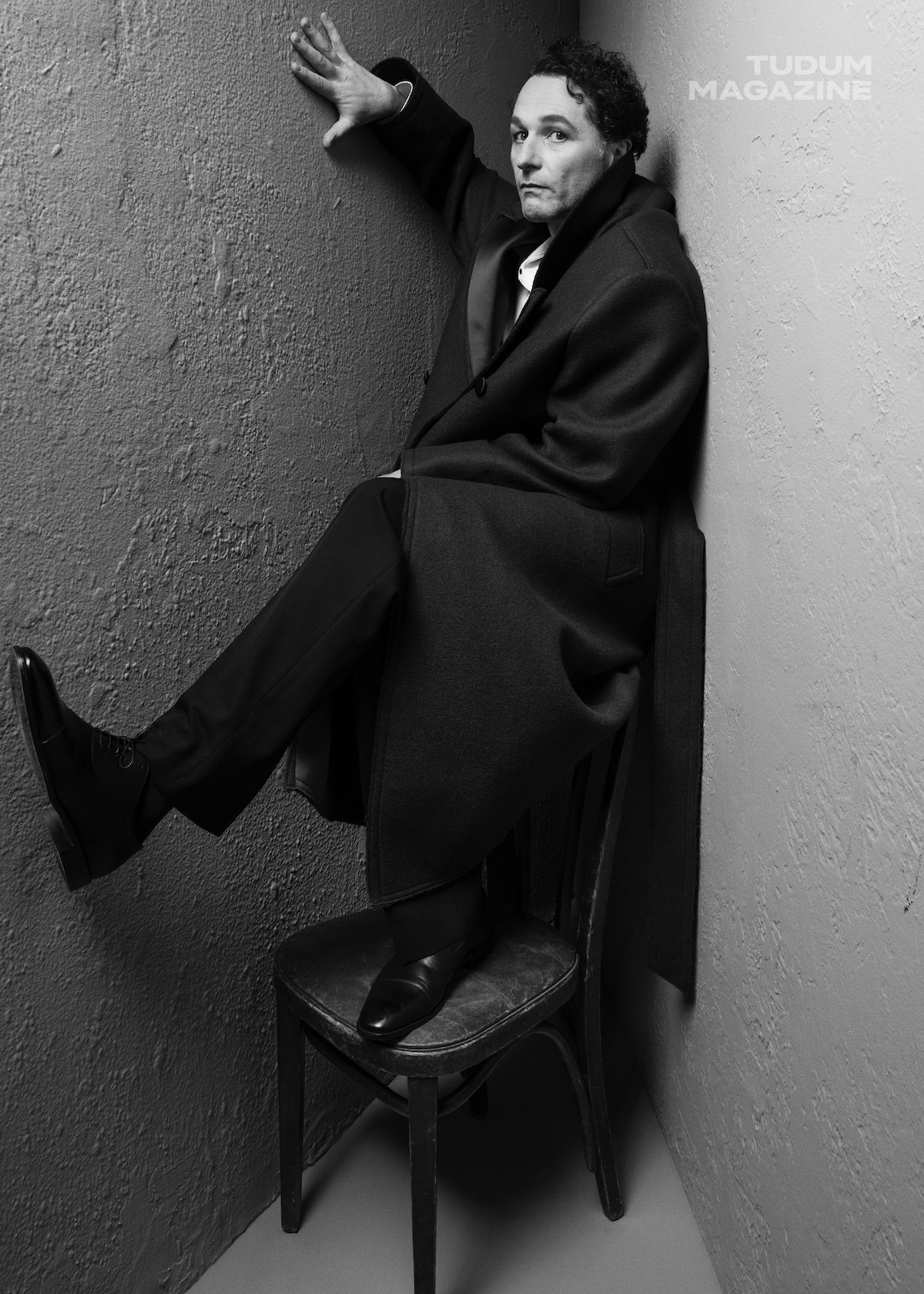
“God, I hate dancing with an absolute passion,” he says, remembering when he learned he would have to bust a seemingly drunken move to Talking Heads’ “Psycho Killer.” “Far more than taking my clothes off or singing or playing drunk. As soon as I saw it [in the script], I’m like, ‘Oh, fuck you.’ They said, ‘Do you want to work with a choreographer?’ and I went, “No, I don’t. That’ll just make everything far worse than it already is.’ ”
Meanwhile, as Danes was witnessing her co-star suffer through his fancy footwork, she was feeling like death herself. “We were playing drunk at 7 in the morning and I was really sick. I had to go on steroids, actually, and I had to smoke all of those herbal cigarettes which are so much grosser than actual cigarettes, weirdly,” Danes says. “I was miserable, but Matthew was really dreading having to dance, poor guy. At least I got to lounge on the sofa.”
Whether fueled by Danes’s illness or Rhys’s sick moves, there was something infectiously heartwarming, albeit in an incredibly toxic kind of way, about these unlikely, plastered pals. It’s not an easy dynamic to pull off. Too sinister and you can’t pick up on the sweetness between them. Too tender and you can’t anticipate the danger. The extent to which they nail Nile and Aggie’s attraction and revulsion over the course of the eight episodes of the series is a testament to the talent of these two actors, who, despite having appeared in esteemed shows like Homeland and The Americans and being fellow New York City–based parents, somehow had never worked together.
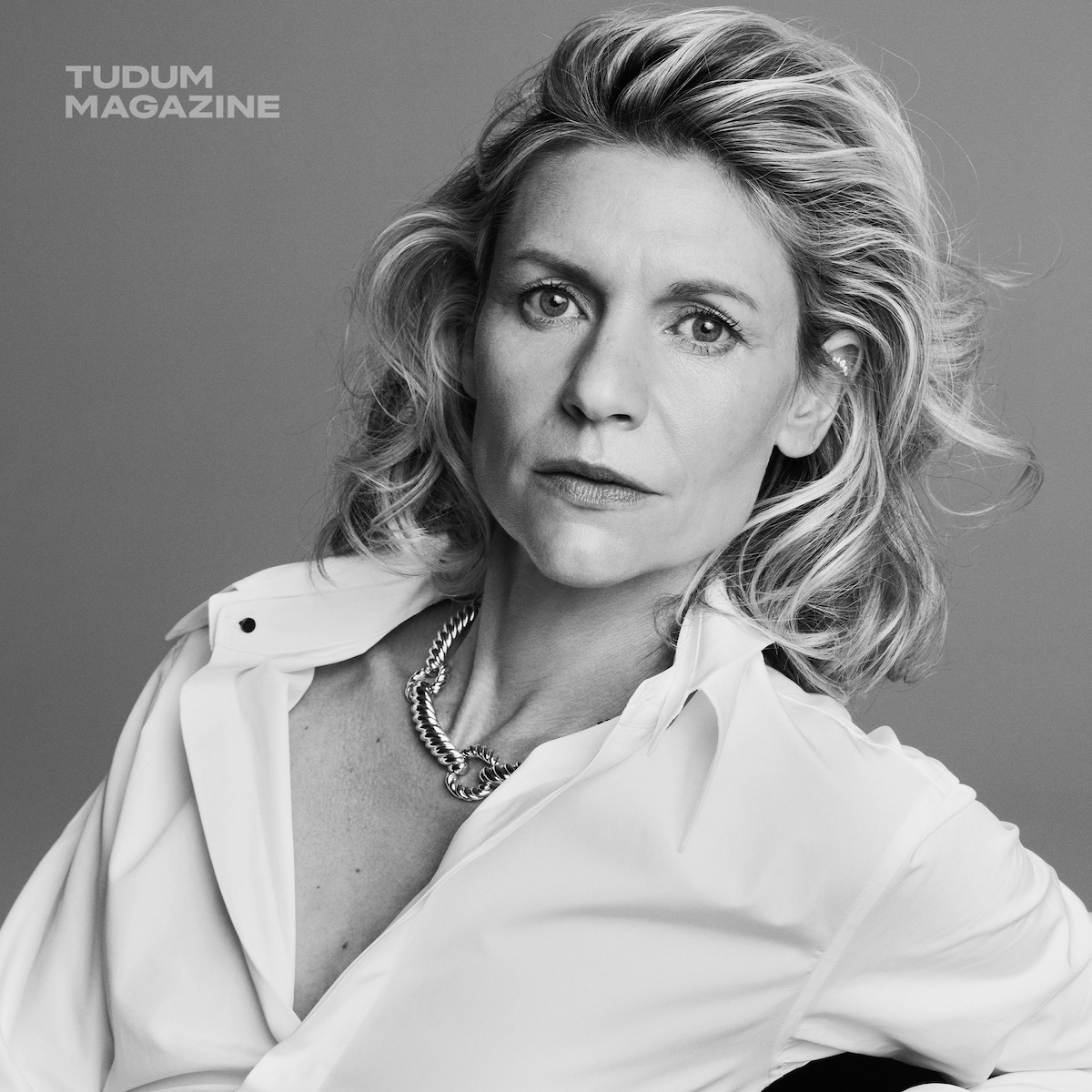
Danes was attached to Beast for years, since Jodie Foster brought the project to her with hopes of collaborating. They’d worked together on Home for the Holidays and were looking for a way to reteam, but the timing didn’t work out. Meanwhile, creator Gabe Rotter’s initial script went through structural shifts when legendary producer Howard Gordon, who had worked with Danes on Homeland, joined the production. Some aspects of the story changed, including Nile going from being a mafioso to being a Robert Durst–esque heir with a questionable past. But Danes’s interest never wavered.
“It seemed very stark and immediately compelling,” Danes says about the aspects that drew her to the project. The series examines the hold that inner and outer demons can take on a person, the legacy of trauma, and the dangers of connecting with someone who speaks to your darkest impulses. “It was really familiar but also kind of uncanny,” she continues. “I hadn’t actually seen it before, but it seemed like I had. I had never played a person exactly like this. Again, kind of reminiscent of, but not her exactly. It was very classic Hitchcockian, but felt contemporary and fresh.”
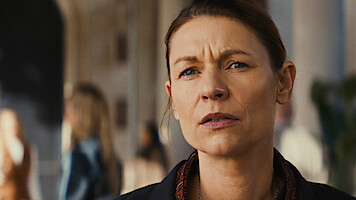
It was the duality of Aggie’s personality that excited Danes the most. “I liked the idea of playing a kind of animalistic writer. There was some paradox there, because I think of writers as more inward-looking observers, passive in a way, although they have enormous power,” she says. A once-celebrated author trying to complete her next book in the wake of her son’s death, Aggie is struggling emotionally and financially when she meets Nile, who piques her interest as a potentially more viable – and violent — subject for a biography. “To consider this woman, who might appear to be a receding character, actually being deceptively predatorial was really interesting to me,” Danes says. “And I loved this idea of your shadow self suddenly becoming animate, like you’re in relationship with a part of yourself that is much more activated than you want to admit.”
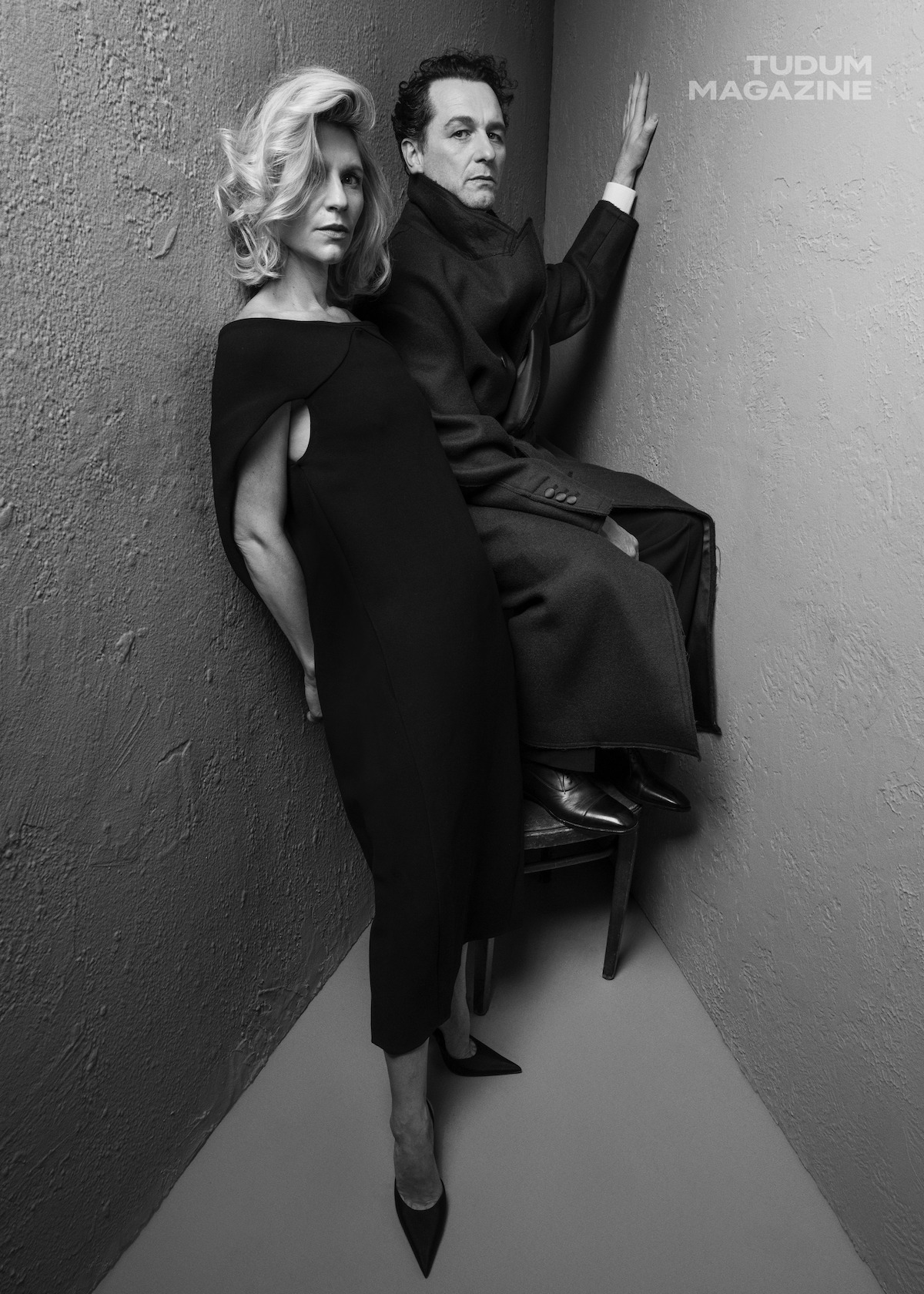
The beast in Aggie needed its counterpart, and that bit of casting proved more challenging for Gordon and team. It took some time to find the right Nile. Ultimately, Rhys seemed like the only choice to portray a potentially typical villain with a sense of nuanced vulnerability and danger. As it had for Danes, the series’ thriller sensibility also reminded the Welsh actor of Hitchcock movies, ones that he and his father used to watch, and the Agatha Christie mysteries he grew up watching. Rhys recalled the sense of impending doom he used to get while watching the late-’70s and ’80s British horror and suspense series Tales of the Unexpected. “You didn’t really know until the end what the outcome was,” Rhys says. “You’re just watching going, ‘I know this is going to end badly and I desperately need to know why.’ ”
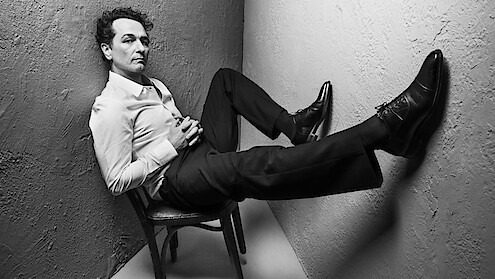
Rhys was overjoyed to be asked to play a dark role like Nile, since he’s often thought of for characters he describes as “nice guys who are slightly downtrodden and misunderstood.” (Fans of The Americans might disagree on the “nice guy” front.) He once asked Gordon and Rotter which of his facial expressions or performances they’d seen that led them to think he could pull off a possible sociopath with major daddy issues. He says they responded, “‘Well, there was nothing really. We just kind of thought you could do it.’ ” Looking back, Rhys says, chuckling, “If anything, I think there was a degree of concern as to whether I was the right casting pick. But I remember early on, they were like,’Oh! Oh!’ Like, ‘It’s working!’ There was relief in the statement.”
Rhys quickly found Nile’s higher-pitched, nasal drawl, but it took time to nail precisely how to calibrate his criminality. “I was wary of easing into arch menace,” he says. “There were a few days where I was ironing out not hiding behind an opera cape and kind of going ‘Mwa ha ha ha.’ [Director] Antonio Campos was very good at dialing me back when the mustache had been twirled too heavily.”
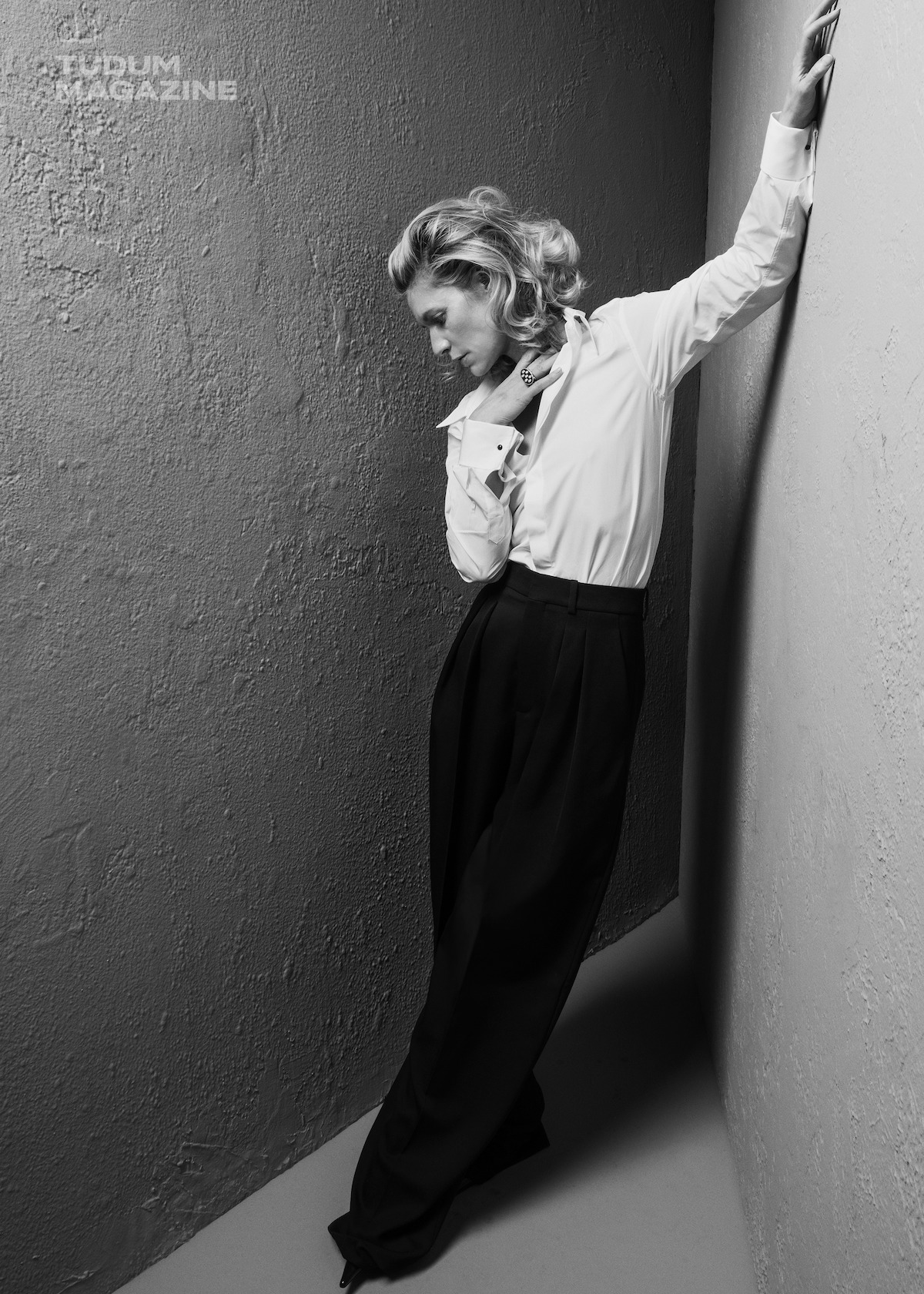
Danes, who also serves as an executive producer on the series, had no notes about the casting of her scene sparring partner. Especially after Campos had them rehearse to find the precise connection before any cameras began rolling. “I knew it in the first week. I was like, ‘This feels great,’ ”she says. “It’s a little ineffable. You can’t always pinpoint it, but it was that easy. There was no sense of being clenched or hesitant or fearful.” Even on days when her scenes were solo, she welcomed visits from her pal who was on set having costume fittings.
Their second day of shooting together was the now-legendary 10-page lunch scene in Episode 1 in which Nile takes Aggie out to a white-tablecloth restaurant, ostensibly to convince her to let him build a running path through the woods near her property. He orders for her (chicken pomodoro), mocks her decision to write a book about Ruth Bader Ginsburg and Antonin Scalia’s friendship, and tries to convince her to write about him, a misunderstood victim, instead. They fearlessly volley verbal spikes about fathers, bloodlust, entitlement, and loss, all before Nile smashes the phone of a bookie loo diner seated nearby with her young daughter in an unnervingly chilly display of rage, then serenely returns to start on a plate of branzino.
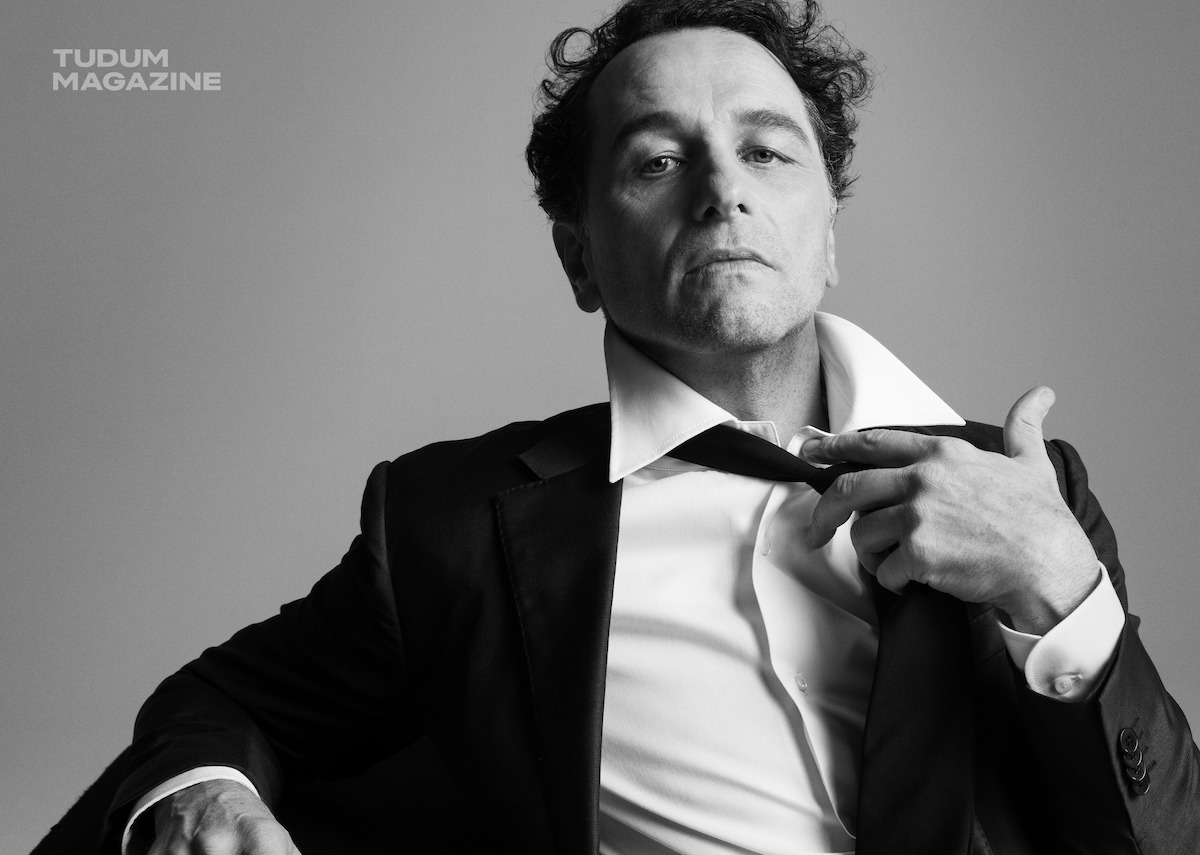
It’s as thrilling to watch as it was to perform. “They spar, they play, they tickle, they just wildly fluctuate between so many different emotions,” Rhys recalls of the first time he read the scene. “I just thought, that’s what is central to this whole thing, this incredible but ultimately fucked-up friendship. And if they’re already at that stage at their first lunch, where does it go from there?”
As their relationship develops, there are moments when Nile and Aggie’s connection feels like a love story; others, a horror show. “[What makes] the story so satisfying and affecting is that they do betray each other. They're wounded by each other because they find a connection that they didn't realize they were so desperate for in each other,” says Danes. “Claire always said they find each other’s shadow self in each other, to a degree,” Rhys says. “They’re these two isolated islands who kind of found each other. There’s real friendship and connection, which they both have been lacking and missing, and then all of a sudden it takes a darker turn.”
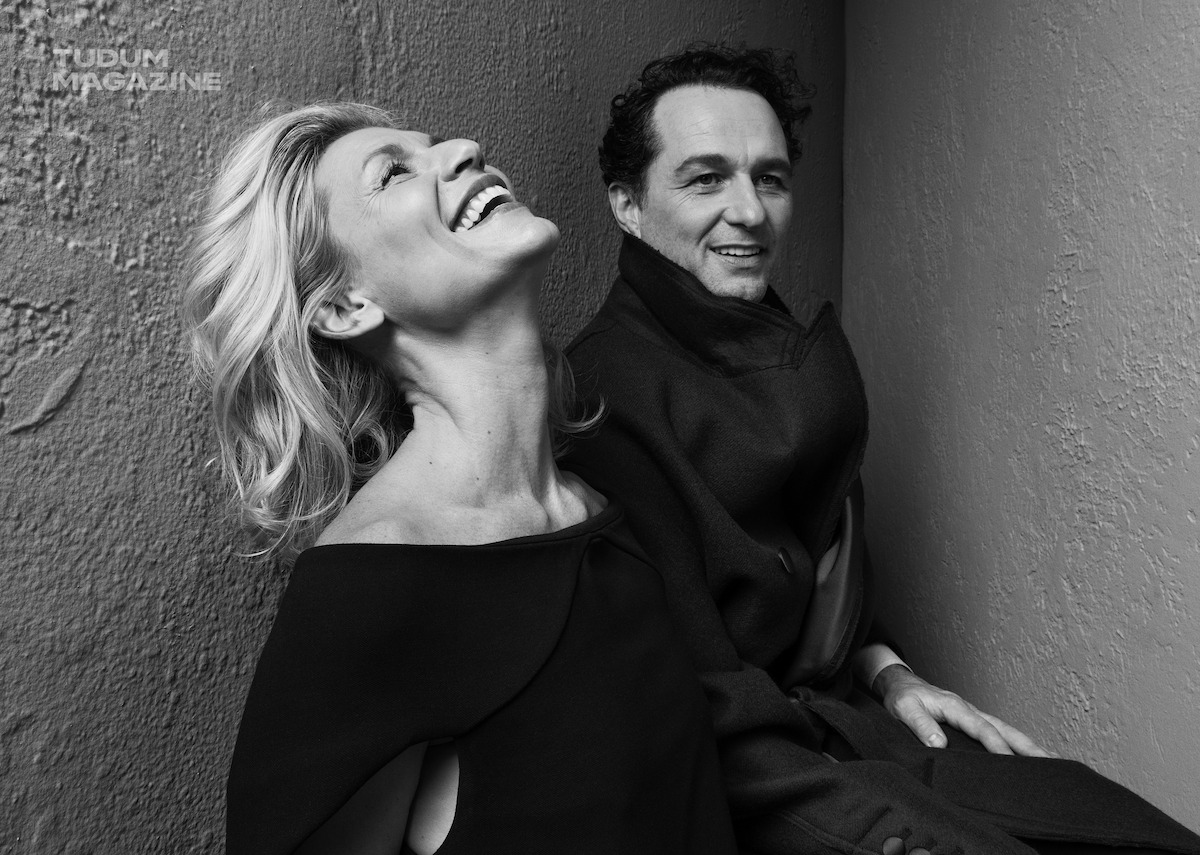
While their characters fall out — with Nile eventually framing Aggie for murder before he is apprehended and sent to prison for his crimes, where he meets his ultimate fate — things couldn’t have been cheerier between the two actors, who, long after wrapping, haven’t given up membership to their mutual admiration club. “Why is Matthew a wonderful partner?” Danes wonders out loud. “He’s fully present. He loves what he does. He’s inherently generous. He’s genuinely curious about what’s going to happen between you two in a scene. He’s intuitive and exploratory. He plays around, and he’s very facile.” As for his take? “There’s nothing she can’t do,” Rhys says matter-of-factly of his co-star. “Claire Danes fires the tennis ball at you at 100 miles an hour, and you better be able to return the serve.”
Since The Beast in Me debuted last fall, the series has been recognized with nominations at the Golden Globes, Actor Awards, Critics Choice Awards, and more, but the real thrill has been the “sense of buoyancy” that came from the making of the project, as Danes puts it. “There can be that discrepancy between the quality of the work, which can be really grim, and the experience of rendering that grimness, which actually can be weirdly joyful,” she says. “Because the alchemy was right, it felt genuinely collaborative. That really is so enlivening and it’s very special.” Still, it took some explaining to her friends who were genuinely surprised when they watched the dark psychological series. “They were like, ‘That’s what you were making? You kept talking about having such a good time.’ I was like, ‘I really did! I had a blast.’ ”
Despite the enforced dancing, Rhys says he isn’t quite ready to say goodbye to the experience (“I'd had such a good time filming it, I was like, ‘Do I have to die? ’”). The glowing response from critics and audiences alike continues to resonate. “A lot of people have said, ‘Oh my God, you’re so creepy!’ It’s either ‘creepy’ or ‘scary’ or both,” Rhys says, still laughing. “And then I just hope they’re referring to The Beast in Me, in which case I’m very proud. I’m like, OK, job done.”