Explainer
How Does The Sandman Season 2 End? Let’s Unpack Dream’s Epic Closing Chapters
“I think it’s a really fitting end.”
July 24, 2025
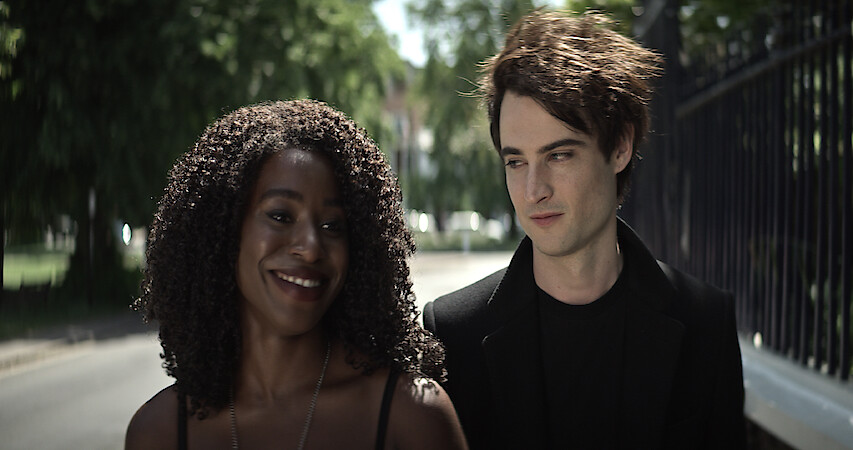
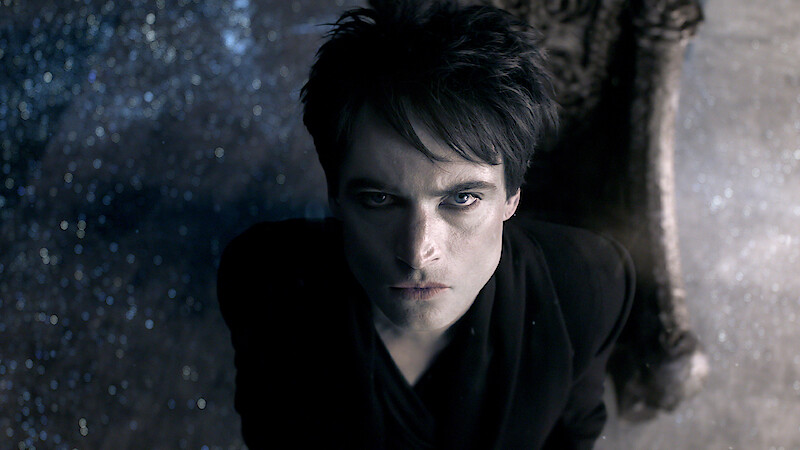
In Vol. 1 of The Sandman Season 2, Dream (Tom Sturridge) faces a difficult choice that comes at a high cost.
Three hundred years ago, Dream’s brother Destruction (Barry Sloane) abdicated his realm, and the only person who could locate him was the oracle Orpheus (Ruairi O’Connor), Dream’s son with the muse Calliope (Melissanthi Mahut). But Dream has not seen Orpheus since their agonizing last meeting on an uncharted island off the coast of Greece.
“I think the difference between the last time Morpheus [sees] his son and the final time that they meet is a difference in the quality of love,” Sturridge tells Netflix of Vol. 1. “[It’s] understanding his failures as a father and a desperate need to give his son the only thing that he desires at the cost potentially of everything for him.”
After granting Orpheus the death he so desperately wished for — and spilling family blood in the process — Dream incurs the wrath of the Furies, the three Greek goddesses of vengeance also known as the Kindly Ones.
In Vol. 2, now streaming on Netflix, the Dream King contemplates his fate while the Kindly Ones threaten his realm and all the fantastical creatures who reside there.
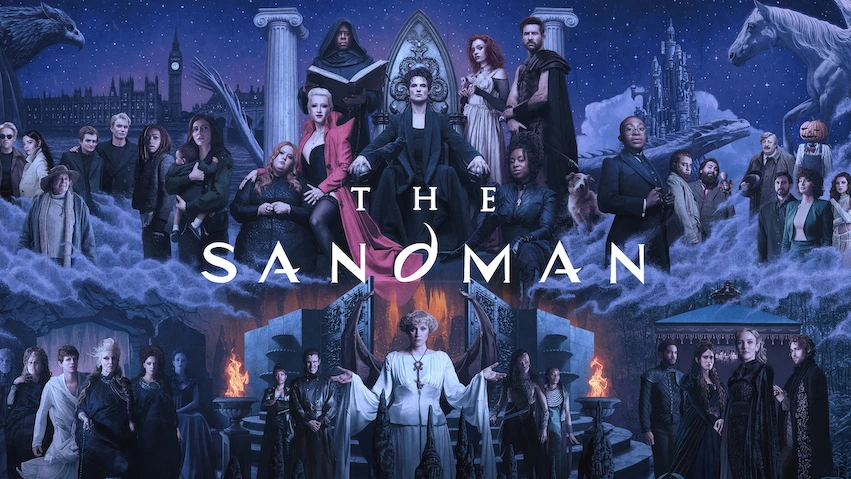
So how does The Sandman draw to a close? Click Vol. 2 on the tab below for a full breakdown of the series finale from showrunner, executive producer, and writer Allan Heinberg, as well as stars Tom Sturridge, Kirby Howell-Baptiste, and others.
Or, if you’re in need of a refresher, click Vol. 1 on the tab below and get the details on the devastating conclusion to the first six episodes of Season 2.
As revealed in Episode 5, Orpheus was reduced to a severed head after the Sisters of the Frenzy, a ruthless cult of the Greek god Dionysus, attacked and dismembered him. Orpheus had gone against his father’s wishes and turned to the dangerous group in a desperate attempt to be killed and reunited with his deceased wife Eurydice (Ella Rumpf) in the Underworld.
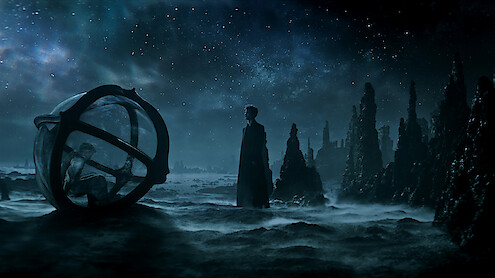
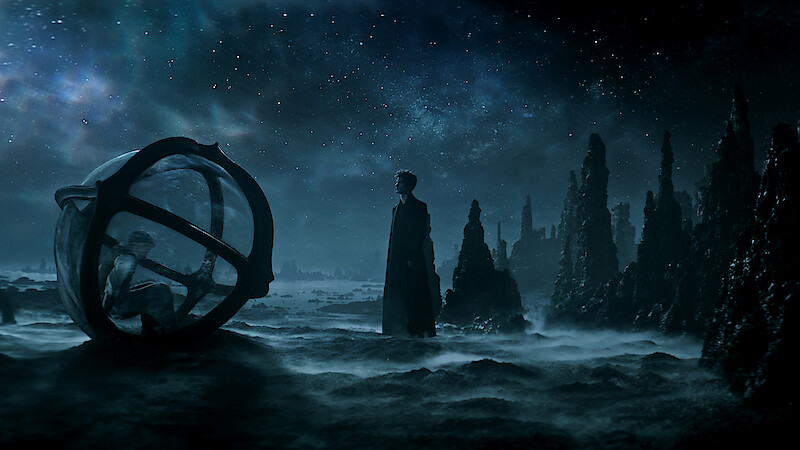
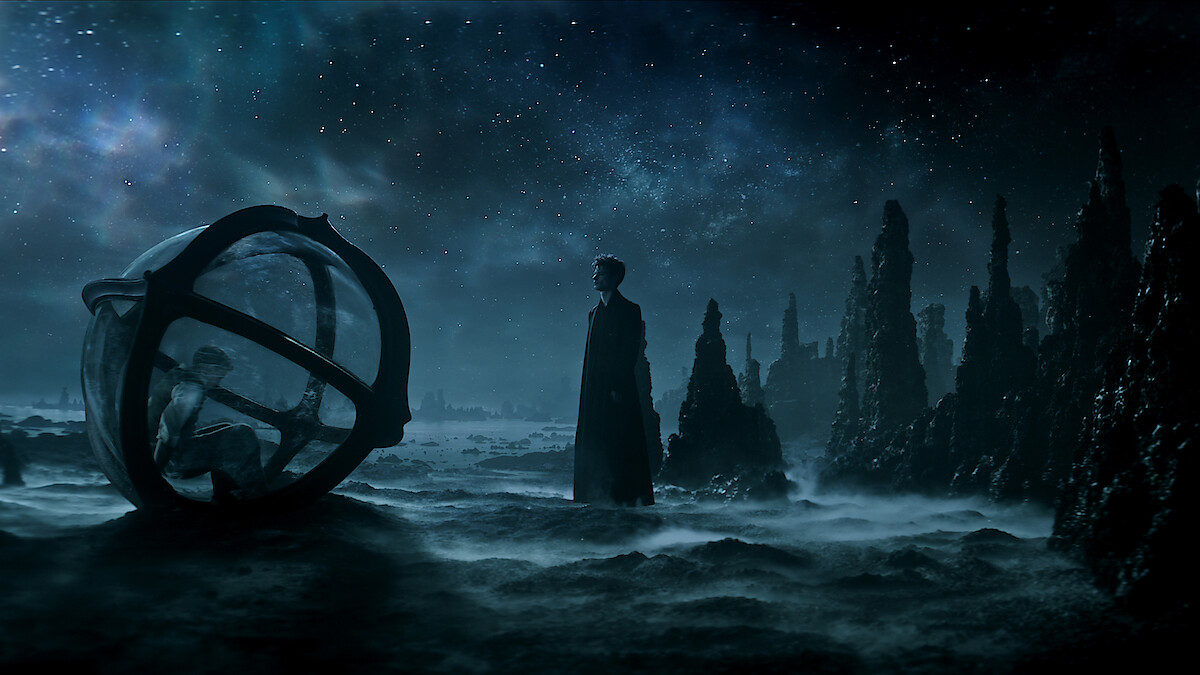
In the aftermath, Orpheus begged his father to end his life, but Dream could not bring himself to do so. Not least because the Endless are forbidden to spill family blood. So Dream left the care of his son to an order of priests on the island and told Orpheus that they would not meet again. And Dream kept his word — until now.
But now Dream owes his son a boon in exchange for his help in locating Destruction. The boon Orpheus asks for is his death — for peace at long last. “Dream knows what is going to happen, and he knows the price that will be paid,” Sturridge says.
Much like Dream’s last encounter with Orpheus, their conversation is somber. This time, however, Dream is apologetic and even admits to his failures as a father.
“It’s a different kind of torture,” Sturridge explains. “I think the torture of the last time [Dream] saw [Orpheus] was more about regret and about the poison that’s haunted him since that meeting, because of his behavior.” Meanwhile, this meeting is about “ultimately doing something beautiful and giving his son the most important thing. But the consequences are so enormous that it is a great burden.”
O’Connor notes that Dream’s son has a “pretty complicated relationship with his father.” “That’s really on Orpheus,” O’Connor tells Netflix. “He’s made his own decision to chase after his wife, Eurydice, and to go to Hades against his father’s advice. It meant that they were estranged for 2,000 years, and it’s devastating for Orpheus.”
So when Dream returns, he “puts a lot on the line to cement the relationship and do the right thing with his son.”
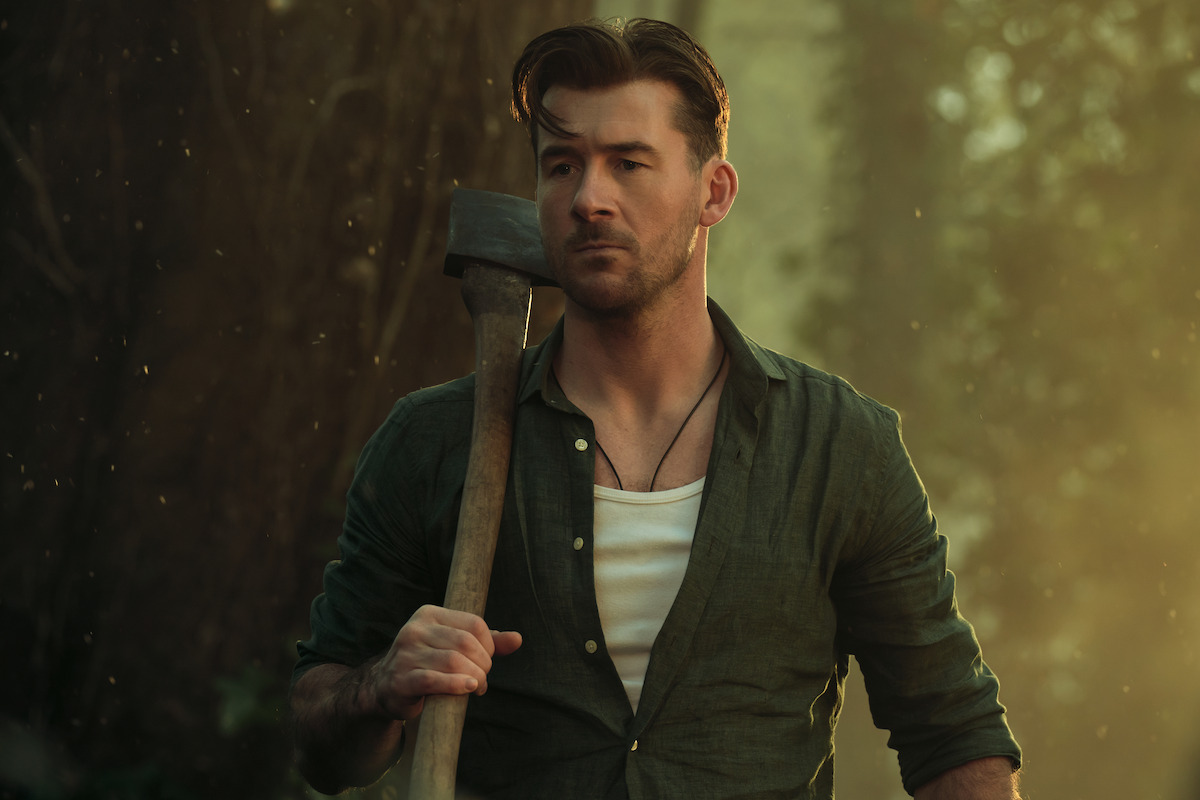
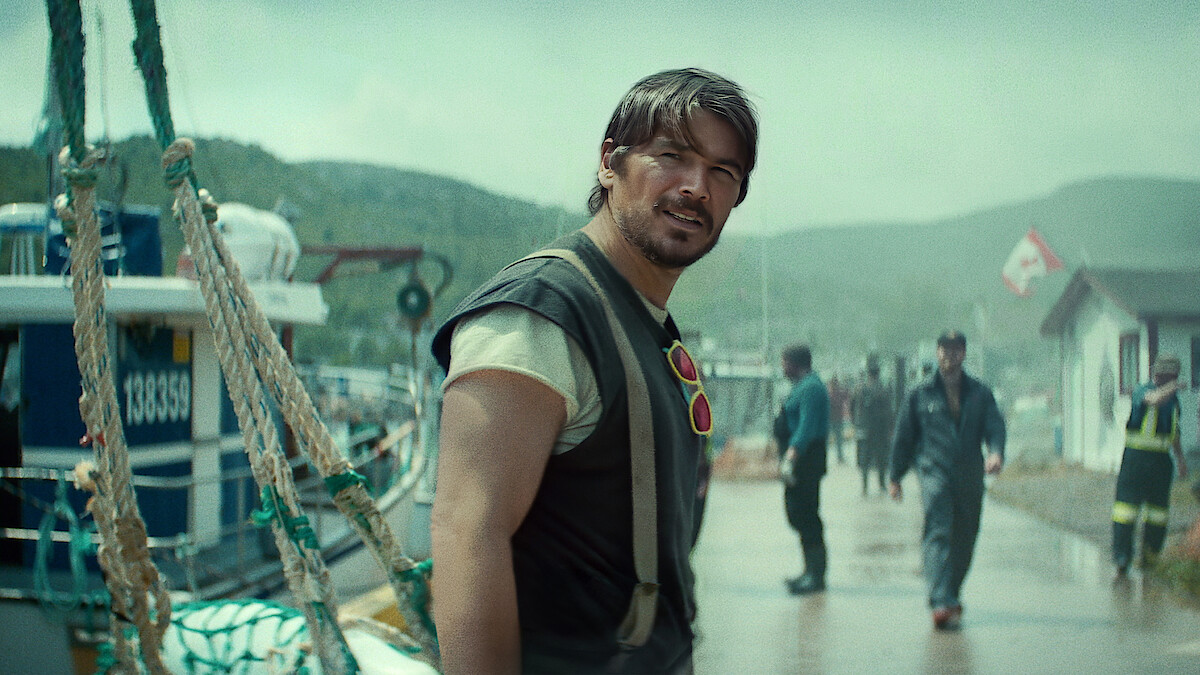
In Episode 6, it’s revealed that Destruction has been living on his own island right next door to Orpheus’s temple.
“Seems our brother chose to live in the one place he knew I would not dare to go,” Dream says in the episode.
Dream and Delirium (Esmé Creed-Miles) reunite with their brother, who’s been living in a sunny and secluded villa with a talking dog named Barnabas (voiced by Steve Coogan). Destruction has no intention of returning to his realm, because he can no longer in good conscience continue to be responsible for destroying lives and worlds and universes. To that end, he’s decided to go to a place where his siblings cannot follow him.
Before departing, Destruction leaves Dream with one final piece of powerful advice: “Remember that I left. Remember how hard it was for me to leave. But that I did it out of love … For humankind. For this world and all others … Love is the only good reason to do anything.”
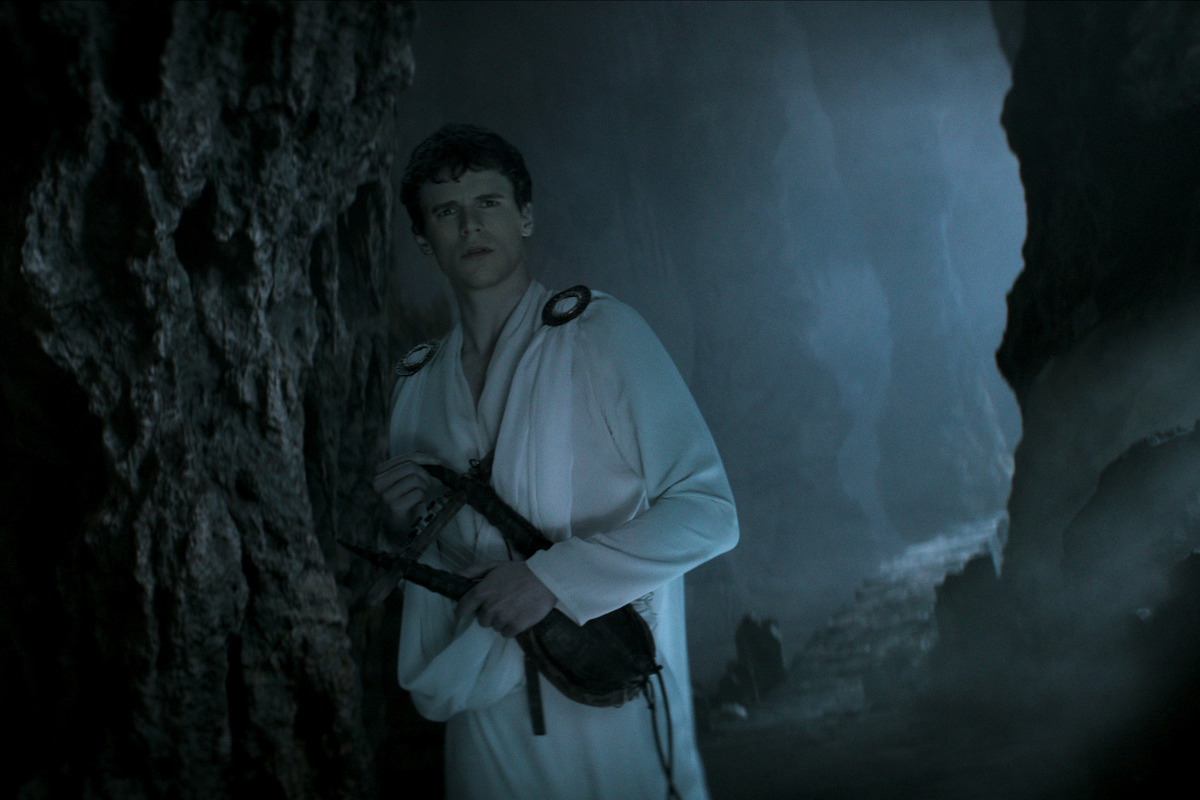
In Episode 6’s closing moments, Dream finally grants his son Orpheus the gift of death.
“It’s huge,” O’Connor says. “It’s this thing that Orpheus has been chasing after for 2,000 years — to not exist. It’s not great living as a disembodied head and, at this point, I think it’s about knowing the relief that he’s going to get.”
The actor adds, “But also, he has to die, which is inherently very terrifying, and is unknown. It is a very dark scene and there seems to be a huge cost to Dream that he is hinting at … that this is going to change the makeup of the world.”
The act takes an emotional toll on Dream, who returns to his realm and grieves in private. It’s the first time in the series that we see him cry.
“There are some things that you don’t have to seek emotion for,” Sturridge says. “The killing of your son is a dark and haunting and horrendous thing and so, in a weird way, it wasn’t something that needed a lot of preparation.”
But now that Dream has spilled family blood — despite the fact that Orpheus asked for this release — he must answer to the Furies, the Greek goddesses of vengeance, otherwise known as the Kindly Ones.
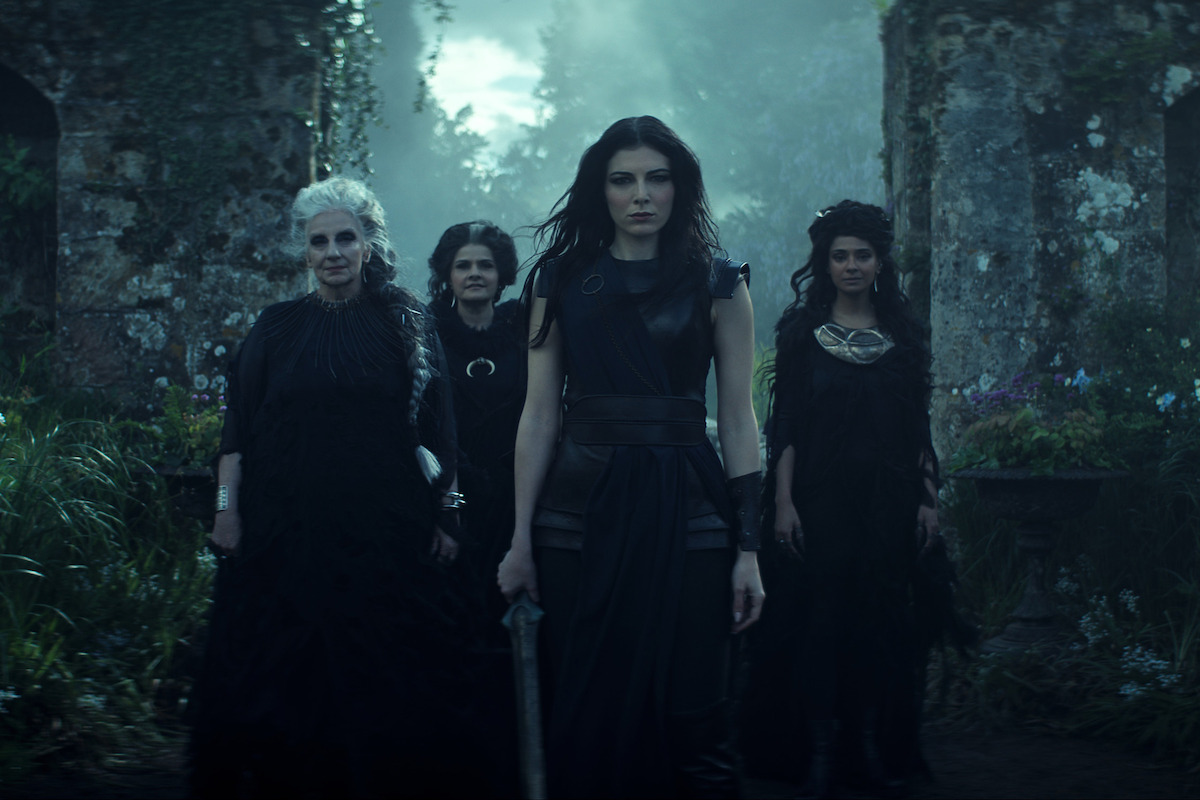
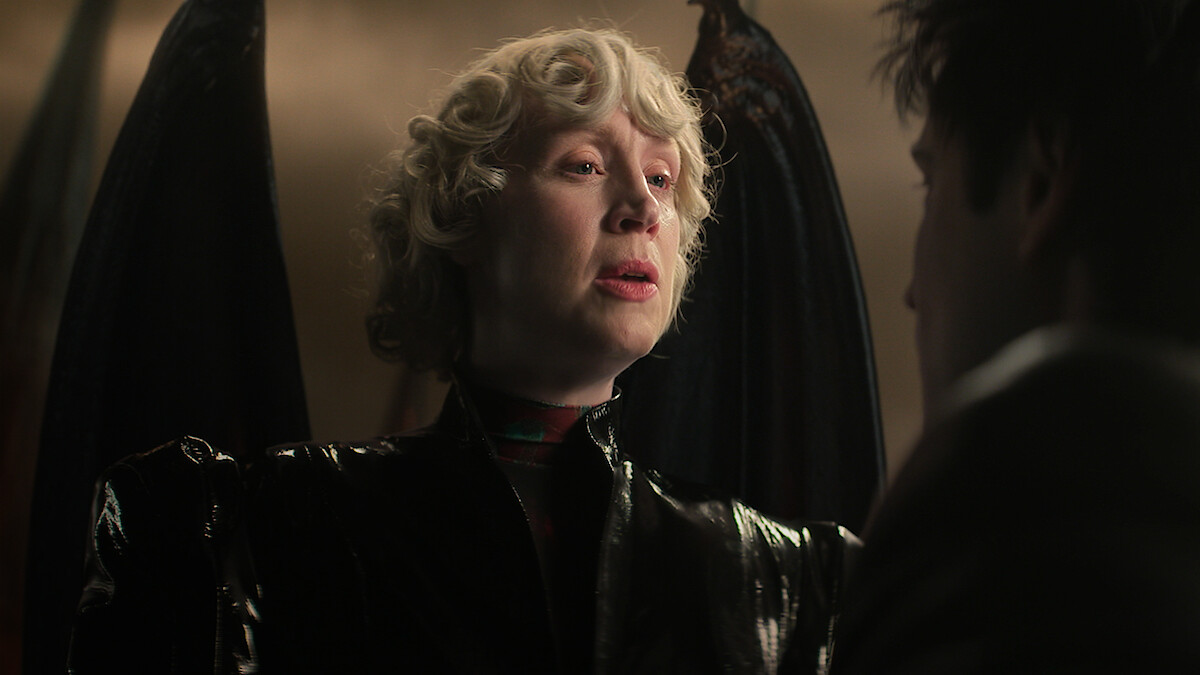
In Episode 10, Dream summons the Kindly Ones — who’ve been wreaking destruction and death across his realm through their avatar, Lyta Hall (Razane Jammal) — to a stony cliff at the furthermost edge of the Dreaming.
When Morpheus demands that the Greek vengeance goddesses stop ripping his realm apart and harming those under his protection, they remind him that they cannot leave until their task is completed. In other words, they won’t be satisfied with anything less than Dream’s death. It’s retribution for Dream’s having spilled family blood when he killed his son Orpheus at the end of Vol. 1.
This grim fate isn’t a surprise to the Sandman, who understood that granting his son’s long-held wish to die would come with dire consequences.
“Dream knows that in killing Orpheus, he himself will die. But he refuses to let his son suffer for one more moment,” Heinberg explains. “It’s less of a slow suicide, I think, than it is Dream’s showing up for his son in a way that he couldn’t have all those thousands of years ago, or even at the beginning of the series. When you love someone that much, you’re willing to lay your life down for them.”
So when the Kindly Ones wreak havoc on his realm, Dream “allows himself to be taken rather than continue to inflict pain on those he cares for,” says Heinberg. “It’s all one story: Dream learns to love and to be loved, and what love really means. But in doing so, he has to die and essentially be reborn in Daniel Hall, as a different Dream.”
Sturridge notes that one way to define Season 2 is by the lessons Dream learns from the other characters, all leading up to his final moments.
“They’re imparted by a whole incredible range of characters — Destruction being one of them, but also his sister Delirium [and] his entire family, his relationship with Nuala,” Sturridge tells Tudum. “I think it’s beautiful, the journey of discovery that he goes on, and the insane variety of creatures who educate him.”
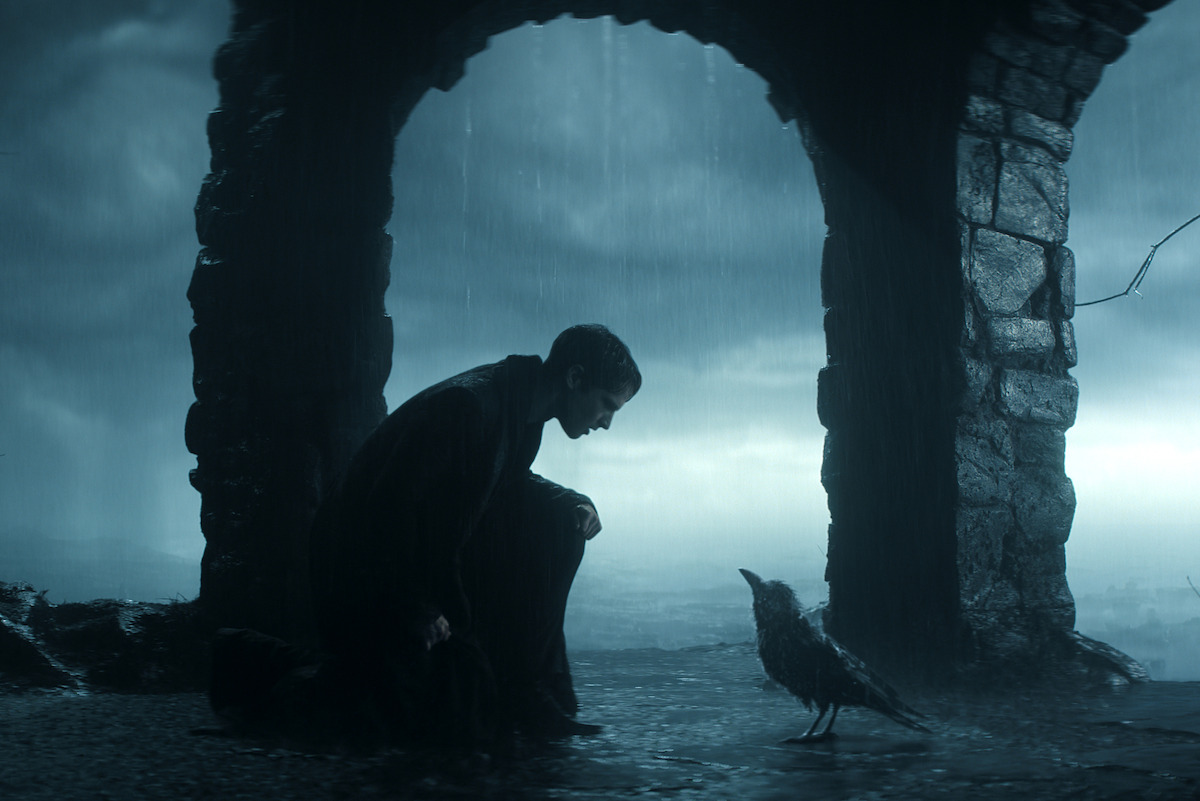
At the edge of the Dreaming, facing the Furies, the Master of Dreams sends Matthew the Raven (Patton Oswalt) on one final task: to summon his sister Death (Kirby Howell-Baptiste).
“There is a price for what I have done, and I must pay it,” Dream tells Death in the episode. “I’m tired, my sister. I’m very tired.”
Death, asking if he’s ready to go, extends her hand, which Dream takes. The lightning and rain around them begins to subside, until suddenly they are engulfed in a bright light — signaling that Dream of the Endless has died.
Sturridge recalls that the conversations he had leading up to Dream’s death were about his character’s state of mind in those final moments. “You’ve seen [how], after the death of his son, the height of his emotions, [and] his own demise could elicit something similar,” he says. “I think [what we landed on] was that he was so excited for a rest and was so at peace with finally just being able to sleep.”
The complicated sequence was filmed towards the end of production over the course of a week.
Howell-Baptiste recounts, “We didn’t see Tom [Sturridge] as much. Tom wasn’t on set, and there was an empty hair-and-makeup chair. It really felt like we were both experiencing it in the show and experiencing it in real life,” she says. “It was bittersweet, but also brought a level of closure … and so you kind of have to enjoy everything that you have left.”
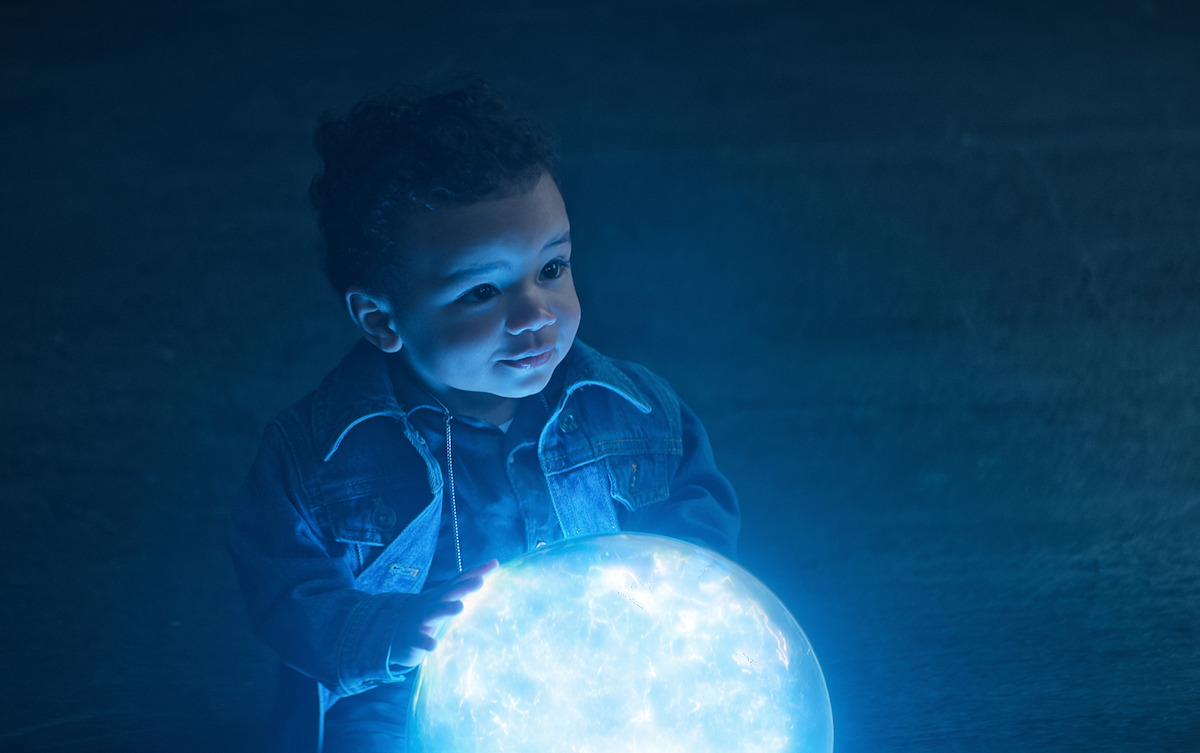
Back in Season 1, Lyta Hall becomes pregnant with her dead husband Hector’s (Lloyd Everitt) child in a dream that was made real by her proximity to friend Rose Walker, a dream vortex. As a result, Daniel is the first and only human child to be conceived in the Dream Realm. After destroying Hector’s ghost, Dream tells Lyta that the child belongs to him.
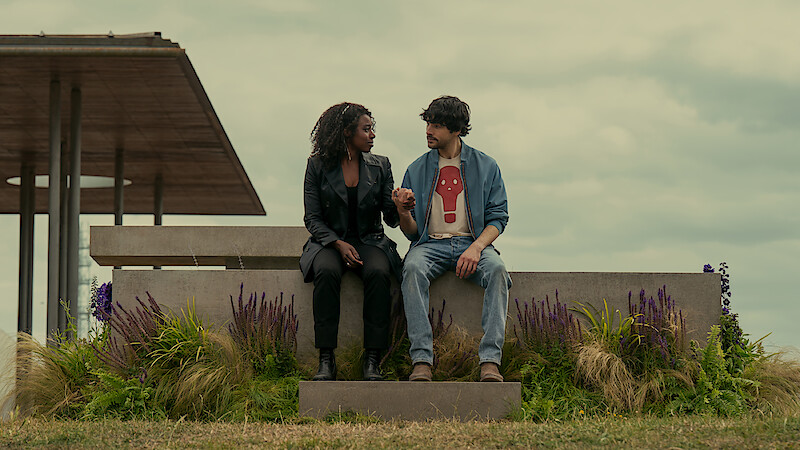
In Season 2, Episode 8, Loki (Freddie Fox) tosses baby Daniel into a fireplace, burning his humanity so that he can become the new dream lord. Following Dream’s death in Episode 10, baby Daniel transforms into his adult form as the new Dream (played by Jacob Anderson) — clad in white robes and still wearing his green Eagle Stone necklace, which was gifted to him by Dream and serves as a symbol of his power.
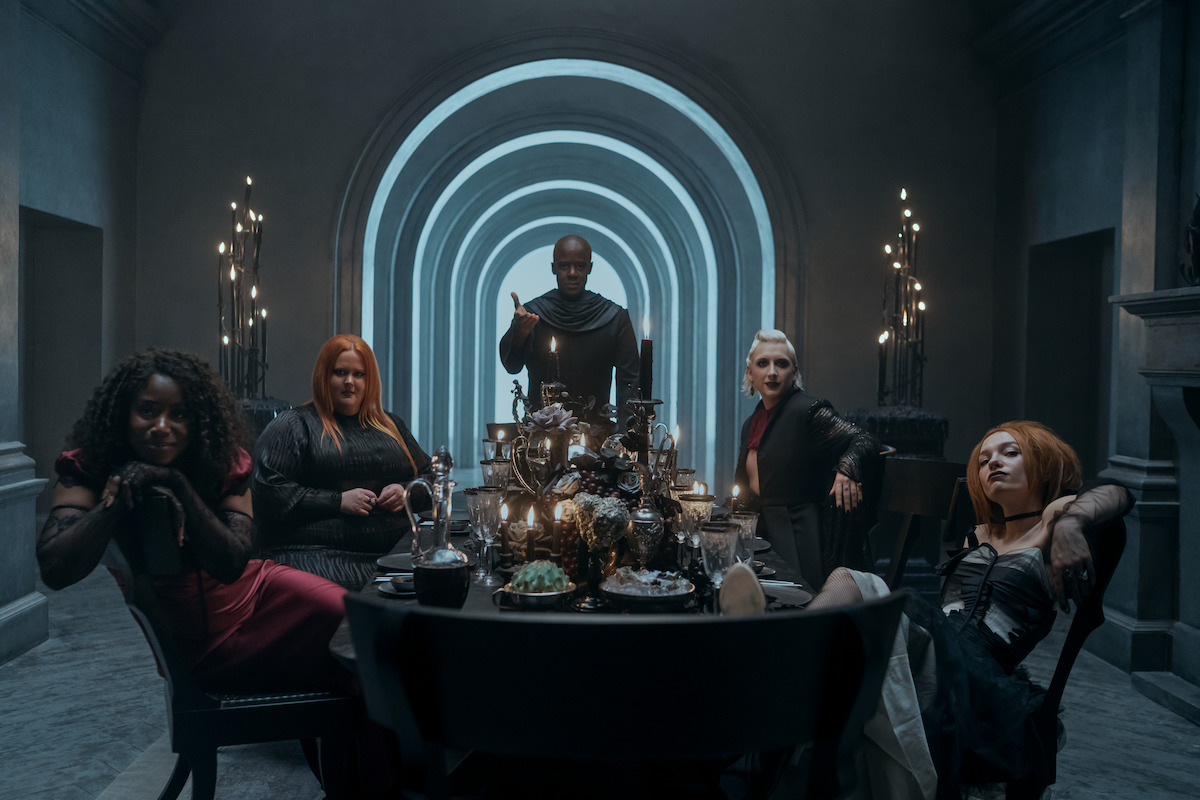
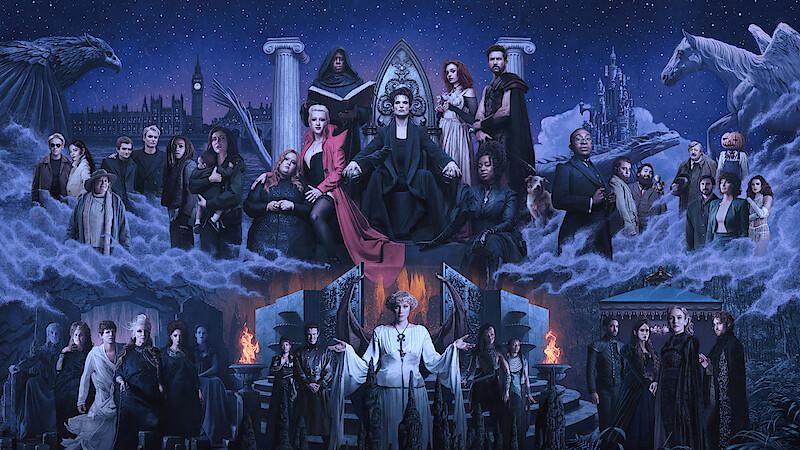
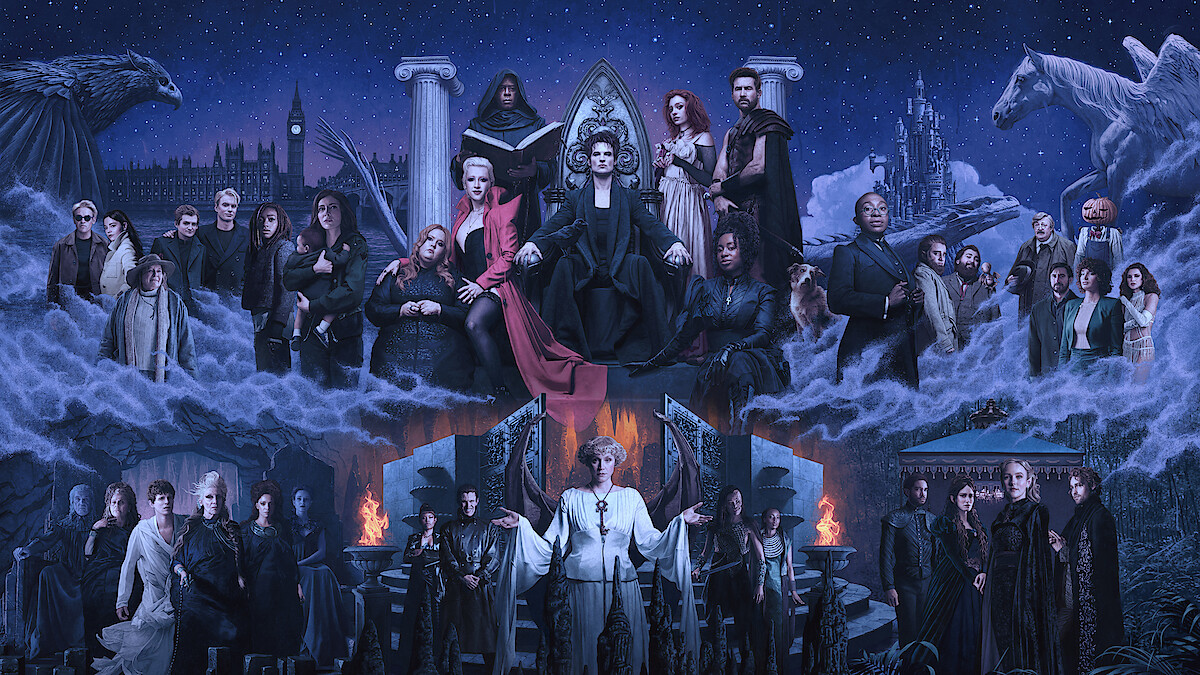
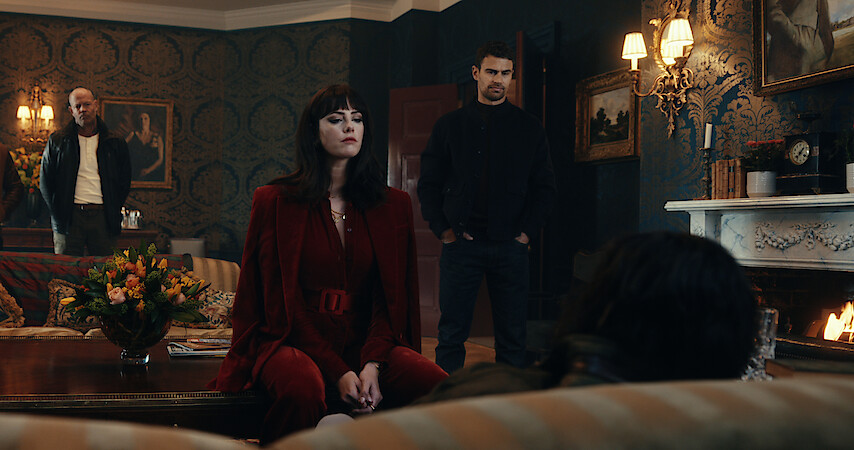
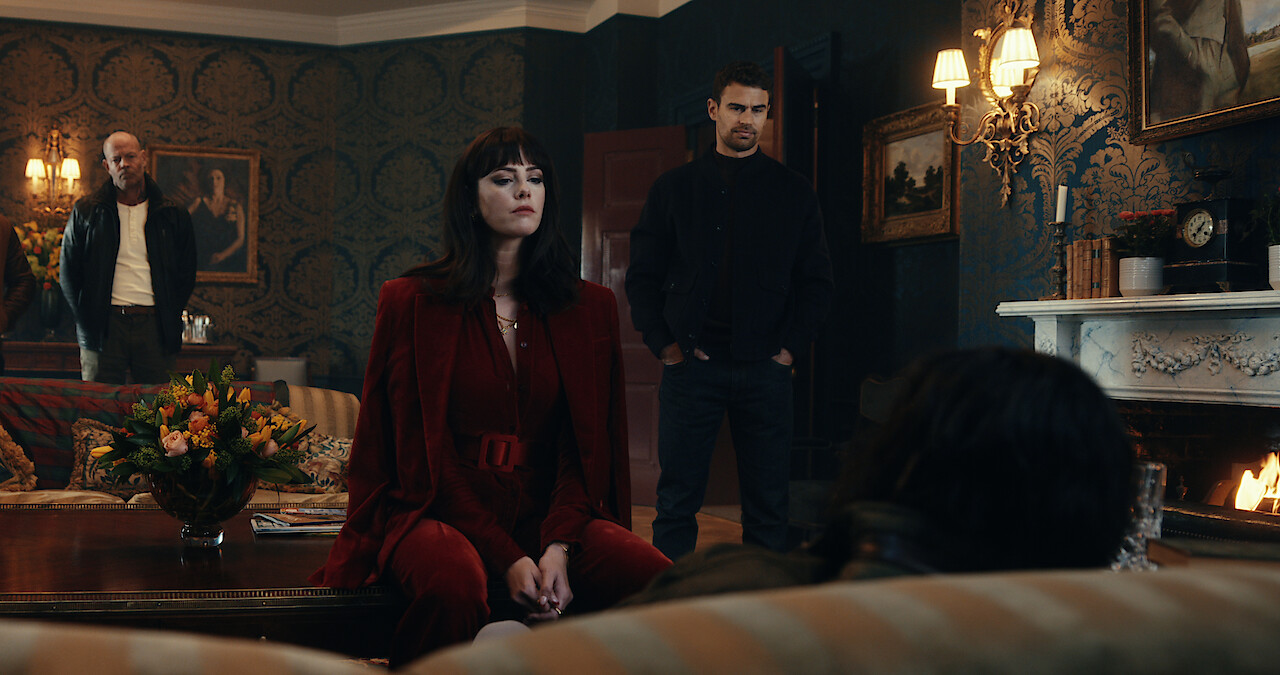
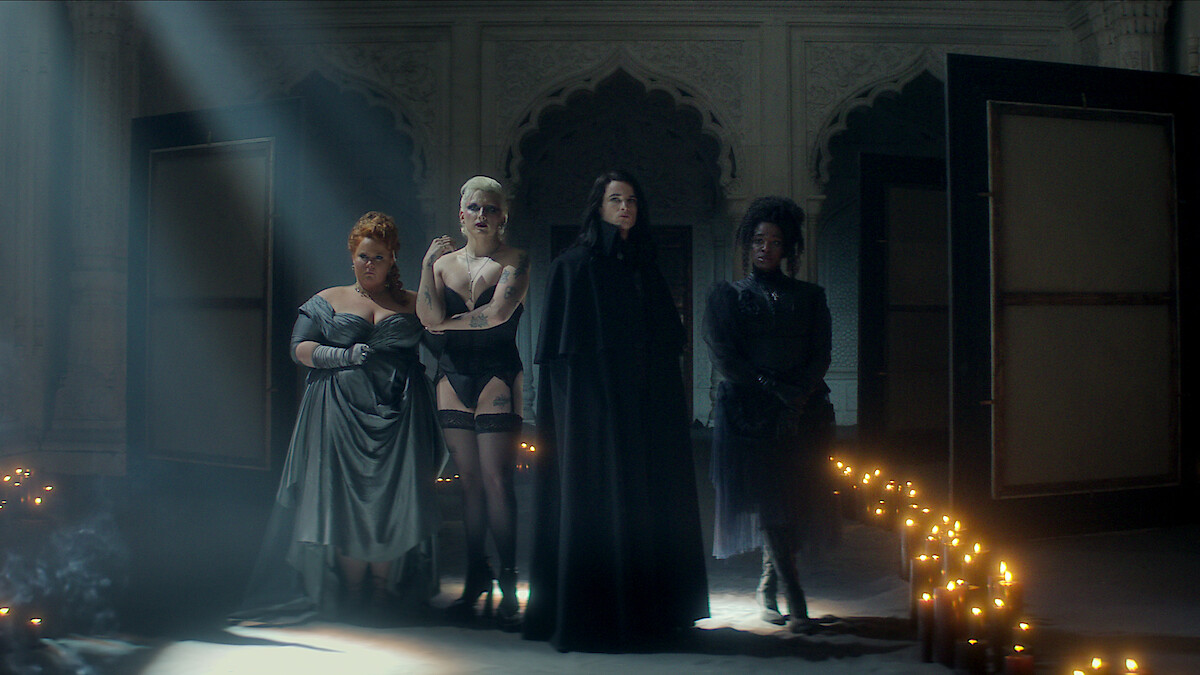
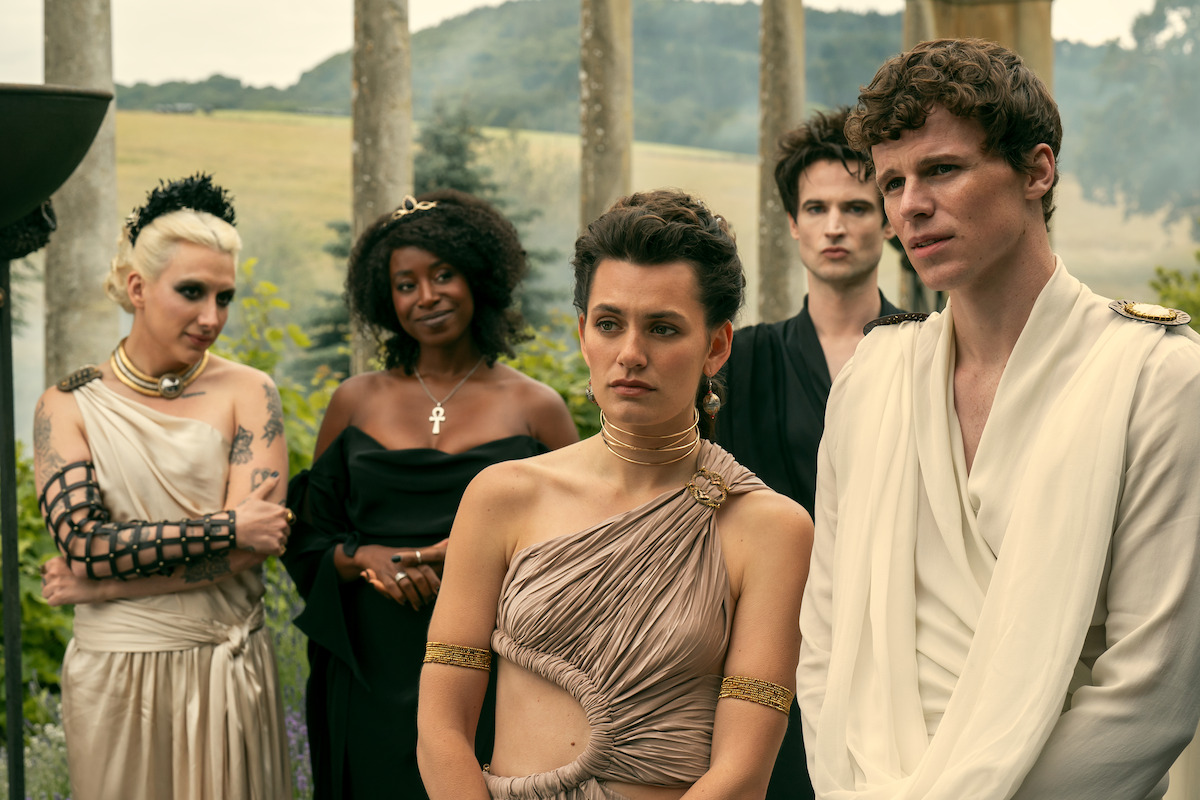
Episode 11, titled “A Tale of Graceful Ends,” serves as a farewell to Morpheus, the former Lord of the Dreaming. His funeral is attended by those most important to him, including his Endless siblings Destiny (Adrian Lester), Death (Kirby Howell-Baptiste), Desire (Mason Alexander Park), Despair (Donna Preston), and Delirium (Esmé Creed-Miles). Destruction (Sloane), meanwhile, opts not to attend the service, true to his reputation as the black sheep of the family.
Additional guests include Hob Gadling (Ferdinand Kingsley), Morpheus’s unlikely but longtime friend; Johanna Constantine (Jenna Coleman), haunted necromancer and occult adventurer for hire; Alex Burgess (Laurie Kynaston), Dream’s former captor from Season 1; and Nuala (Ann Skelly), a royal envoy from Faerie who becomes one of Dream’s trusted allies before his demise.
The episode also introduces Daniel as the new Dream of the Endless. Having only been alive for eight months and now possessing the powers of a god, Daniel is unsure of what the role entails or where even to begin. He turns to Morpheus’s closest friends, including Lucienne (Vivienne Acheampong), for guidance, but finds that they are not yet receptive to him as their new Lord.
“He’s adjusting. He’s got questions, he’s needing all the guidance he can get, and is counting on Lucienne and Matthew to help him execute his duties,” Heinberg explains. “At the same time, Lucienne and Matthew are gutted without Dream. They’re grieving. They have no idea who this kid is and, in some ways, they resent his presence. They are trying to figure out whether to stay or to go. That’s the emotional crux around which the funeral episode is based.”
The Sandman comes to a close with Daniel meeting his new siblings (minus Destruction) over a family dinner.
“I think it’s a really fitting end, and it’s really beautiful that we end where we began,” Howell-Baptiste says, describing the full-circle arc of Season 2, and of the series as a whole. “We start with a family dinner that kicks off the event, and we end with a family dinner, and it wraps everything up again.”
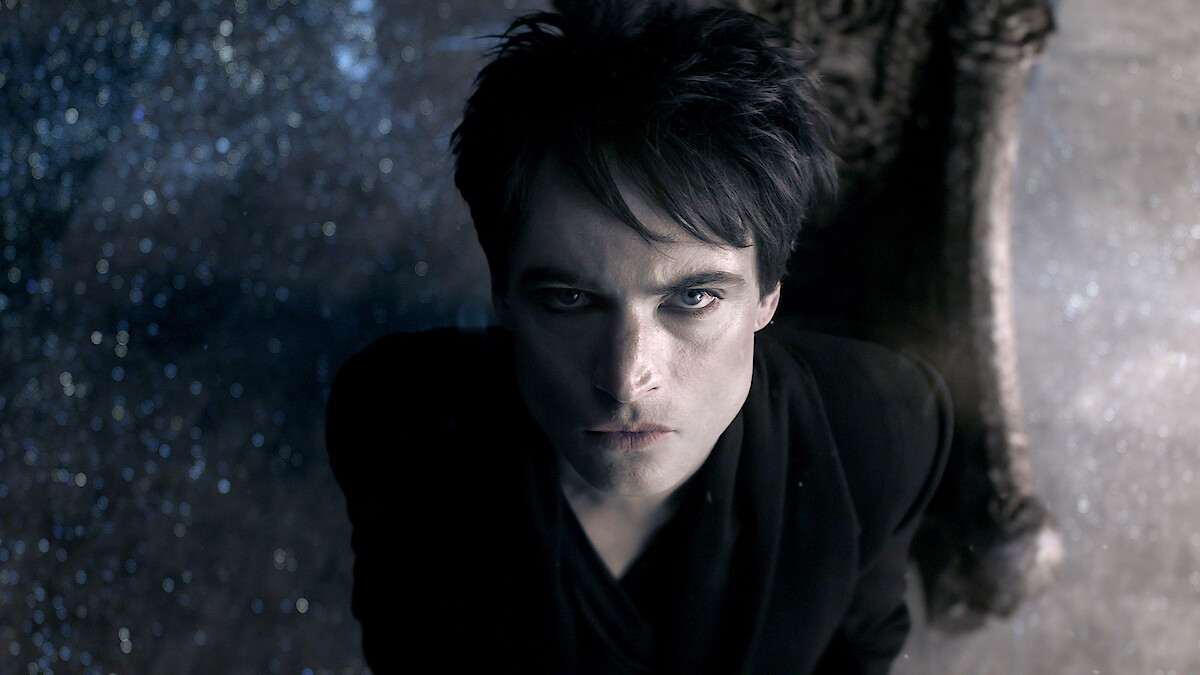
The Sandman Season 2, Vol. 1 and Vol. 2, are now streaming on Netflix.