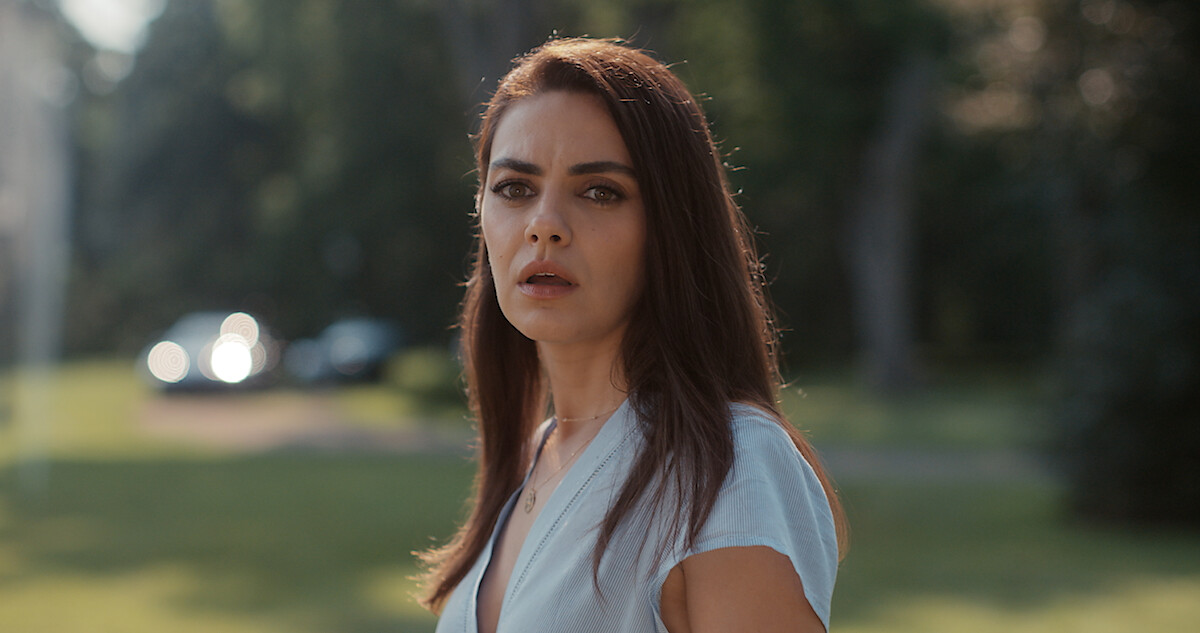
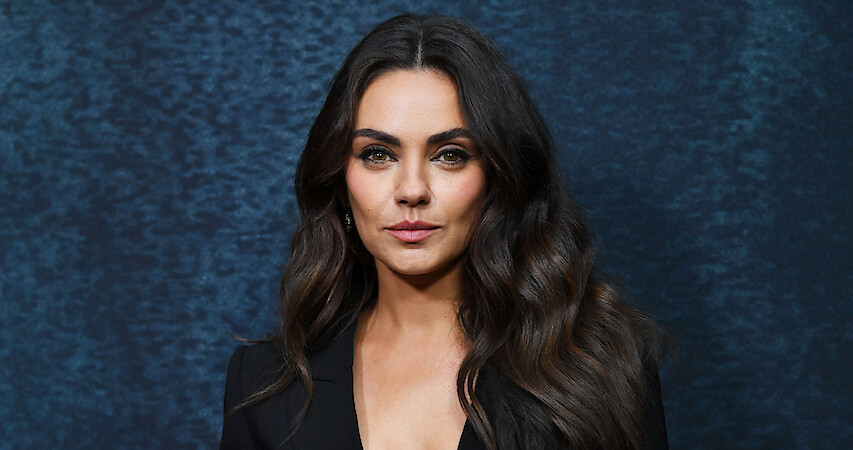
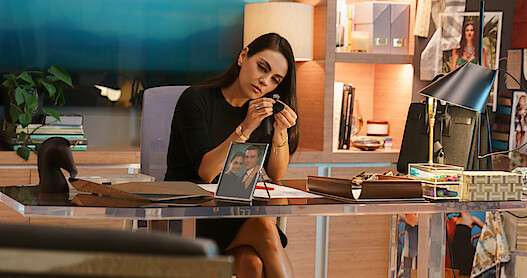
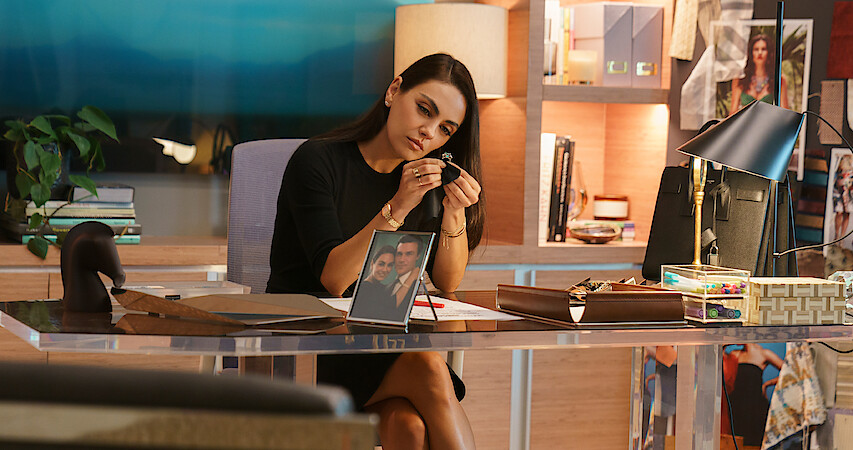
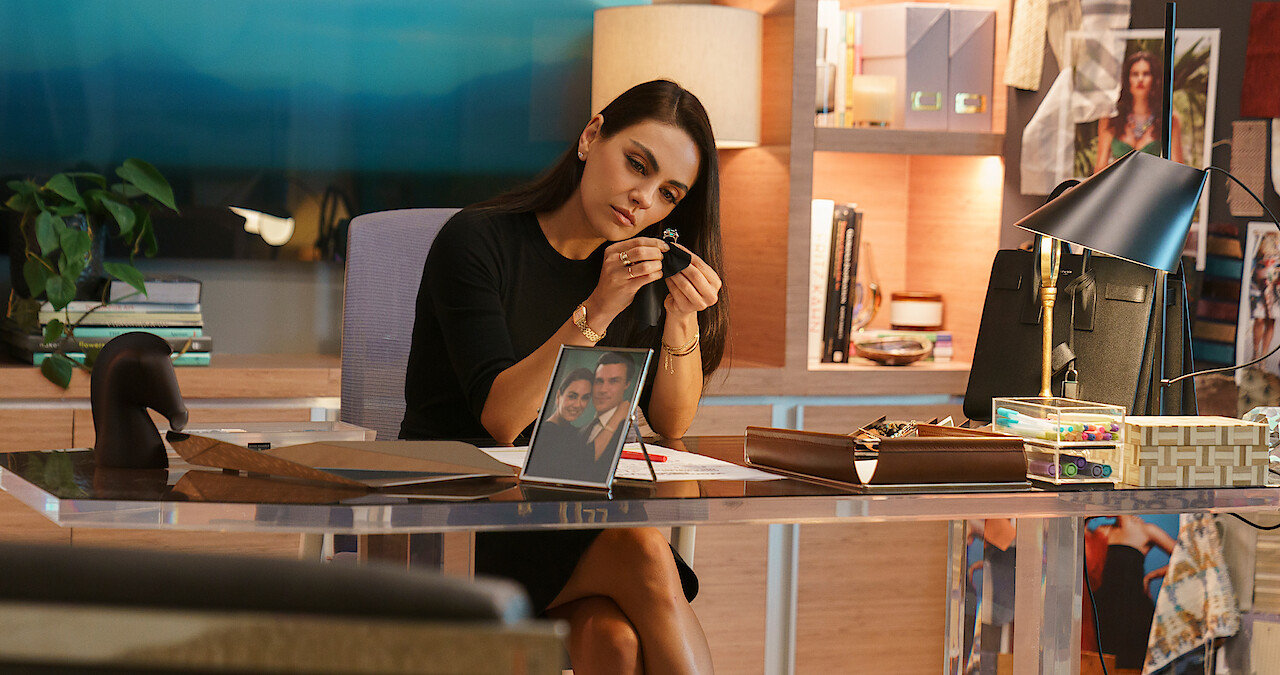
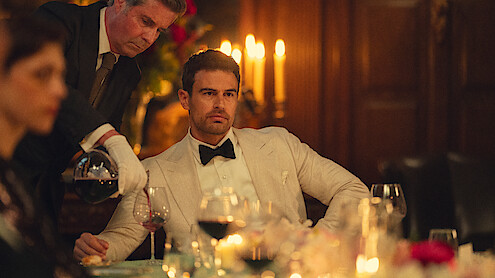
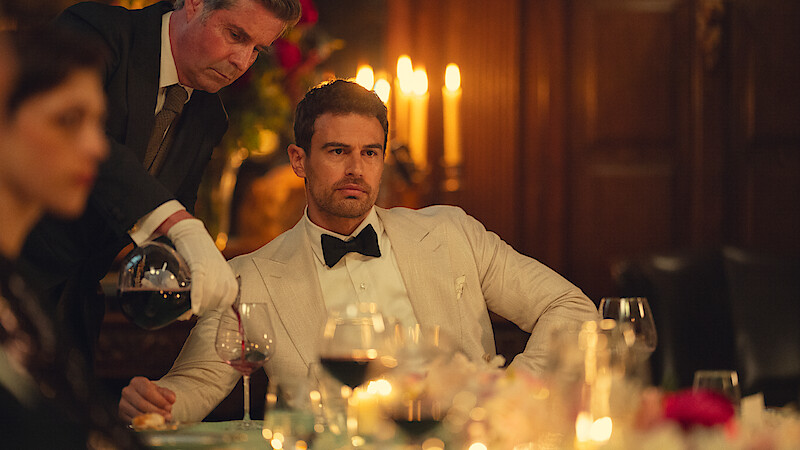
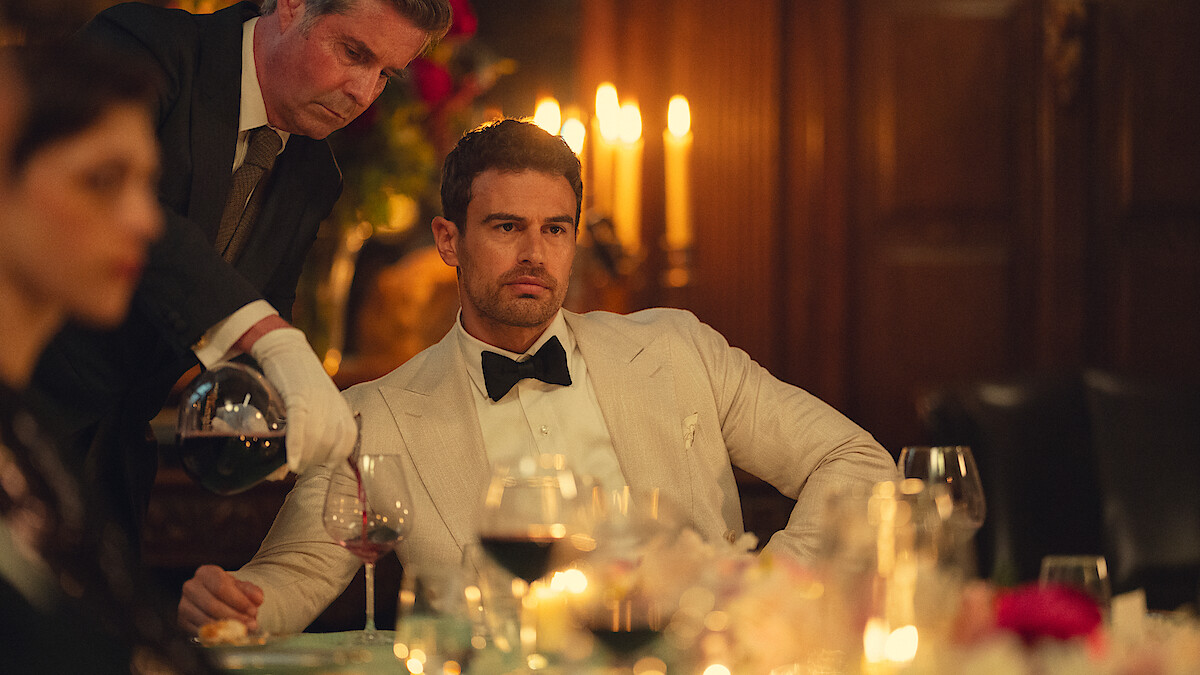
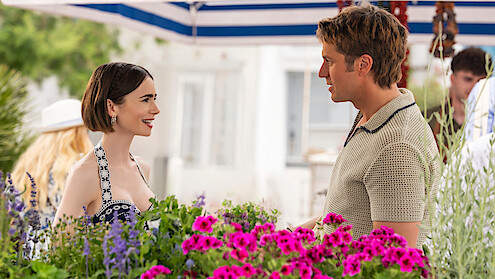
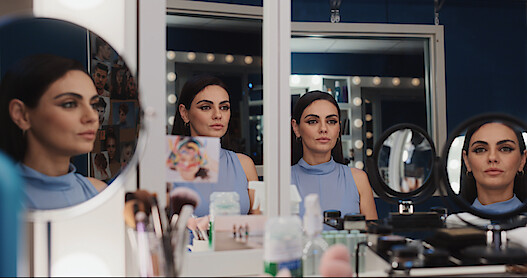
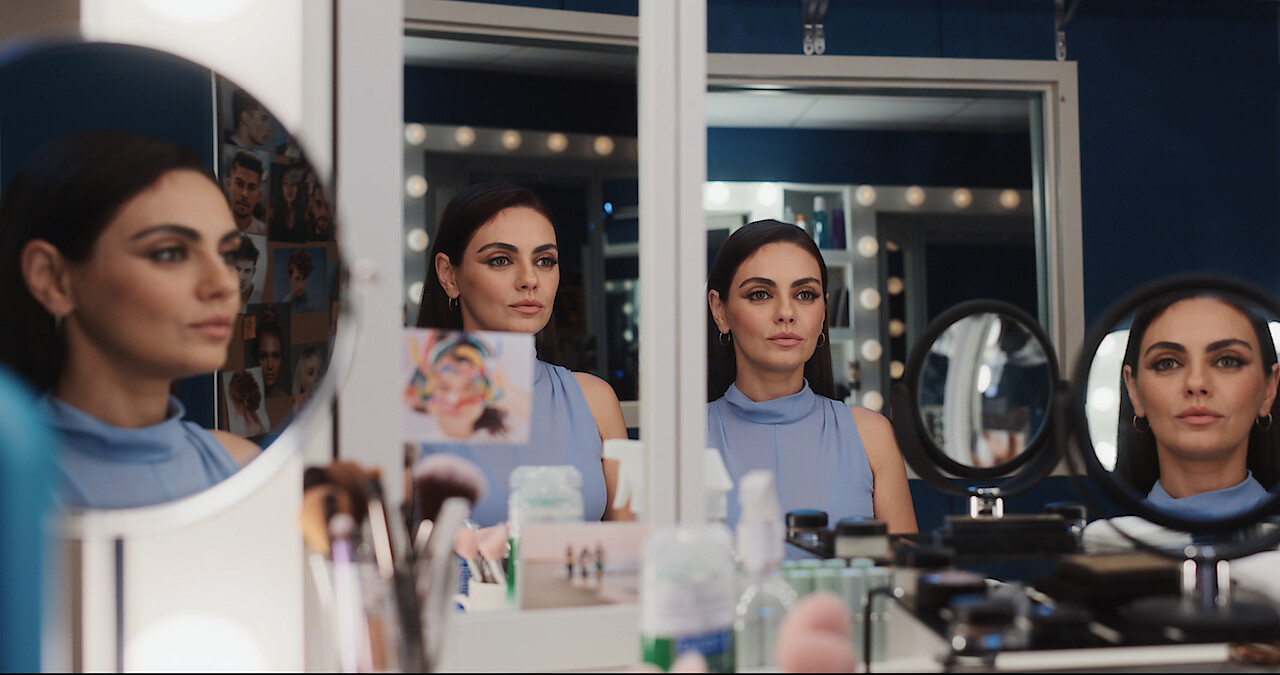
The first thing you need to know about Luckiest Girl Alive’s Ani FaNelli is how to pronounce her name: “Ahhh-nee” — not “Annie.”
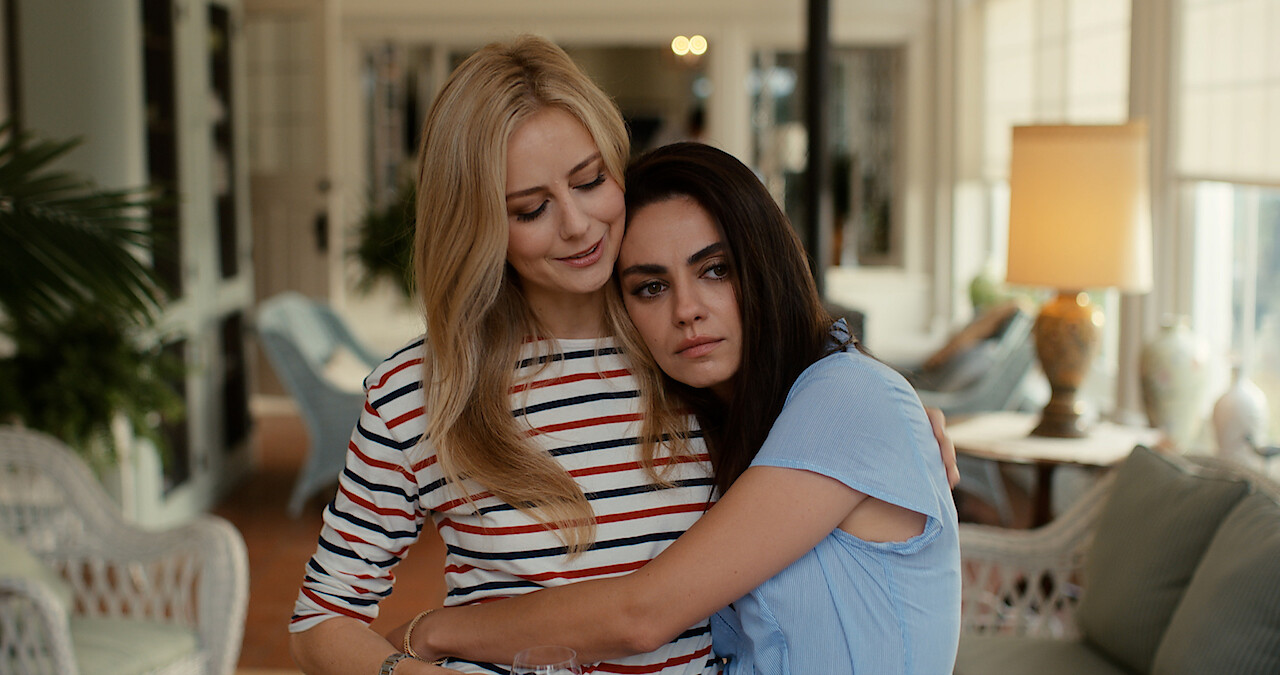
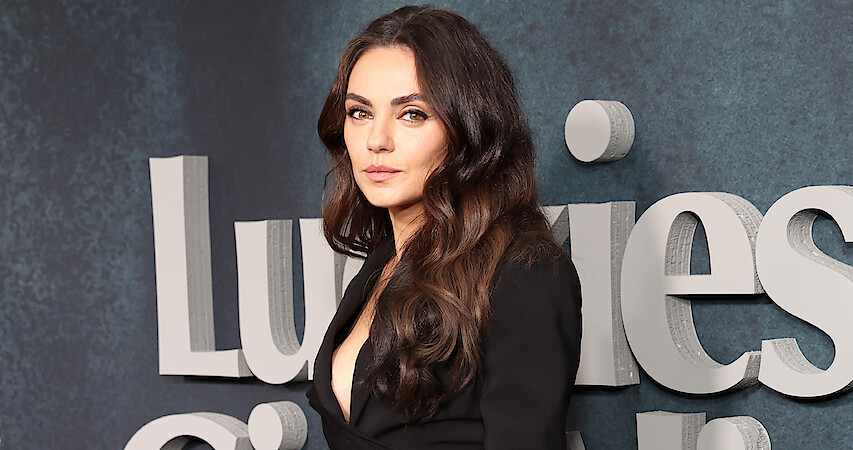
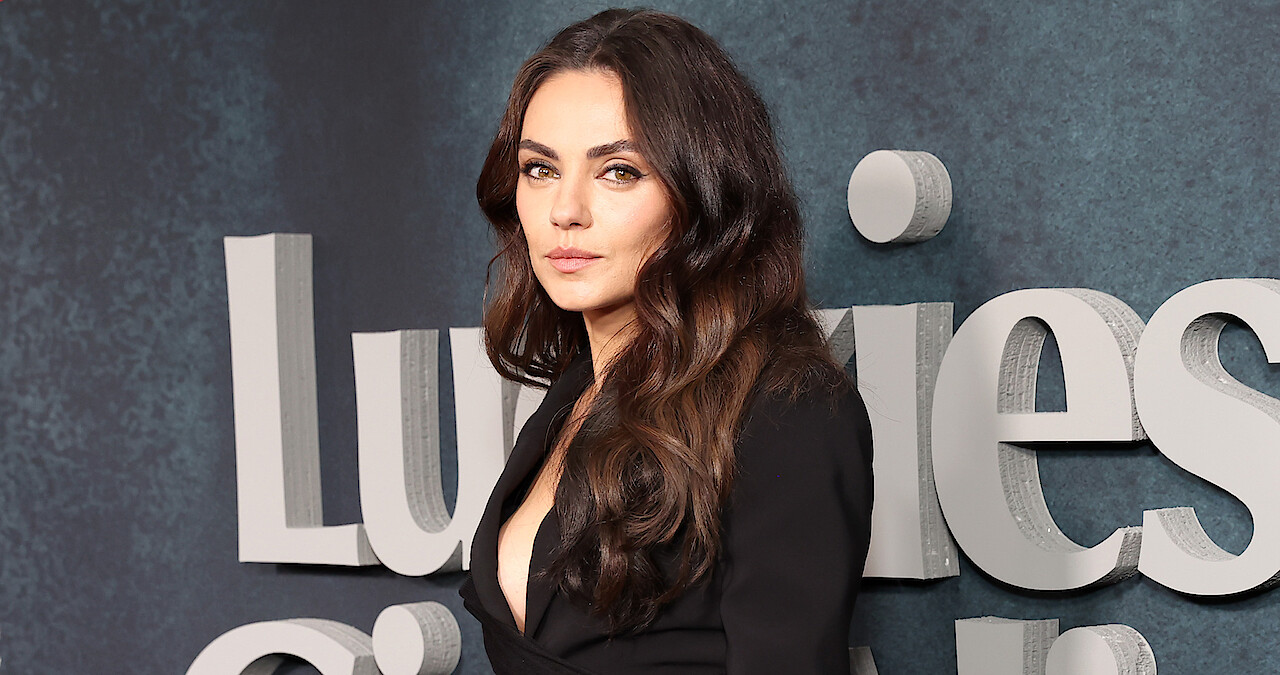
“She will cut you if you don’t get it right,” says screenwriter Jessica Knoll, who also wrote the bestselling book that inspired the film. For Ani, played with icy elegance by Mila Kunis, this rarified pronunciation represents her journey from a teenager named TifAni, who always felt out of place in her old money prep school, into Ani, the ultimate New York City insider with a gorgeous, wealthy fiancé (Finn Wittrock), a sexy magazine job (literally — sex is her beat), designer clothes and the kind of shiny hair that makes other women swivel on the street. But, is Ani’s self-proclaimed “perfect life” really enough to numb the most painful parts of her past?
Fans of Knoll’s novel know that a lot of darkness is hiding behind Ani’s acerbic voice, but her cool-girl veneer only begins to crack after she’s approached to participate in a documentary about a violent incident at the prestigious Brentley School that transformed her teenage years. “She has normalized a lot of what has happened to her and tried to compartmentalize it, put it behind that door, and get on with her life,” Knoll says. Unfortunately for Ani, that’s not really possible — something that Knoll herself can relate to.
“There was so much of my own story and experience embedded in this character,” Knoll, who worked on the script even before her novel was published, says. “It was really important to me that I be the one to tell it.”
Director Mike Barker couldn’t agree more. “My job was to help [Jessica] tell her story in a different medium,” he tells Tudum. “It’s about a woman having to face the trauma she’s hidden for such a long time in order to move forward.”
Toggling between different times in Ani’s life — some grim and some glossy — the movie walks a tonal tightrope, pulling viewers in with sharp humor without sugarcoating its often viscerally shocking narrative. As a result, Luckiest Girl Alive is at once a thriller, a mystery and a psychological exploration of a woman’s public and private lives, with some dark humor woven throughout.
Knoll says the dissonance is true to her own experience. “I was someone who did not present in any way someone who had gone through a really traumatic thing young,” she says. “I lived in New York, working at Cosmopolitan magazine, sitting in meetings coming up with cover lines for ‘50 Hands-Free Ways To Give Him Sexual Pleasure.’ I was planning my wedding and I was going to all my fittings and I was making appointments to get eyelash extensions, and I wore white jeans and I was bubbly happy. To me, there was something very absurd and comical, darkly comical, about the fact that this was the surface of my life and that you would never know by looking at me what was happening beneath the surface, what I had been through, and how fucking angry I was all the time. That’s where the humor comes from.”
Knoll’s embrace of both the darkness and humor of a tragic situation are reflected in her inspirations for the film, which include The First Wives Club, American Psycho and The Sopranos. “[Tony Soprano] could do these terrible things, and yet you still rooted for him,” Knoll says. “What were the parts of him that made him endearing, and how do you thread a needle with a character who you don’t always like but you want her to win?”
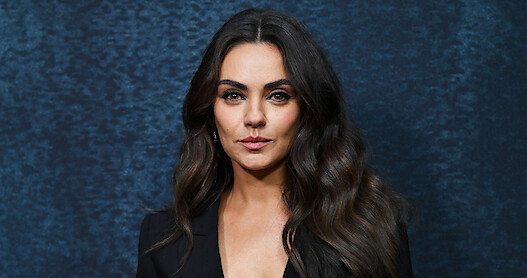
As so often happens, the answer comes down to good casting. Knoll admits that she never imagined Ani as a brunette. “In my eyes, she’s [that girl] who starts as a bottled blonde and then ends up paying $1,000 for highlights.” So, when Mila Kunis’ name first came up, she was floored at how natural it felt. “I never would have thought of her on my own, but seeing her on set and seeing her perform some of these more controversial lines, [I realized] how easily it could have gone sideways if we’d had anyone else in that role,” she says. “I don’t think anyone but Mila could have done it.”
“Mila’s face is very open,” Barker adds. “You know what she is and what she’s feeling. There’s something about that expressiveness that allows you to get past the veneer of a woman putting up barriers.”
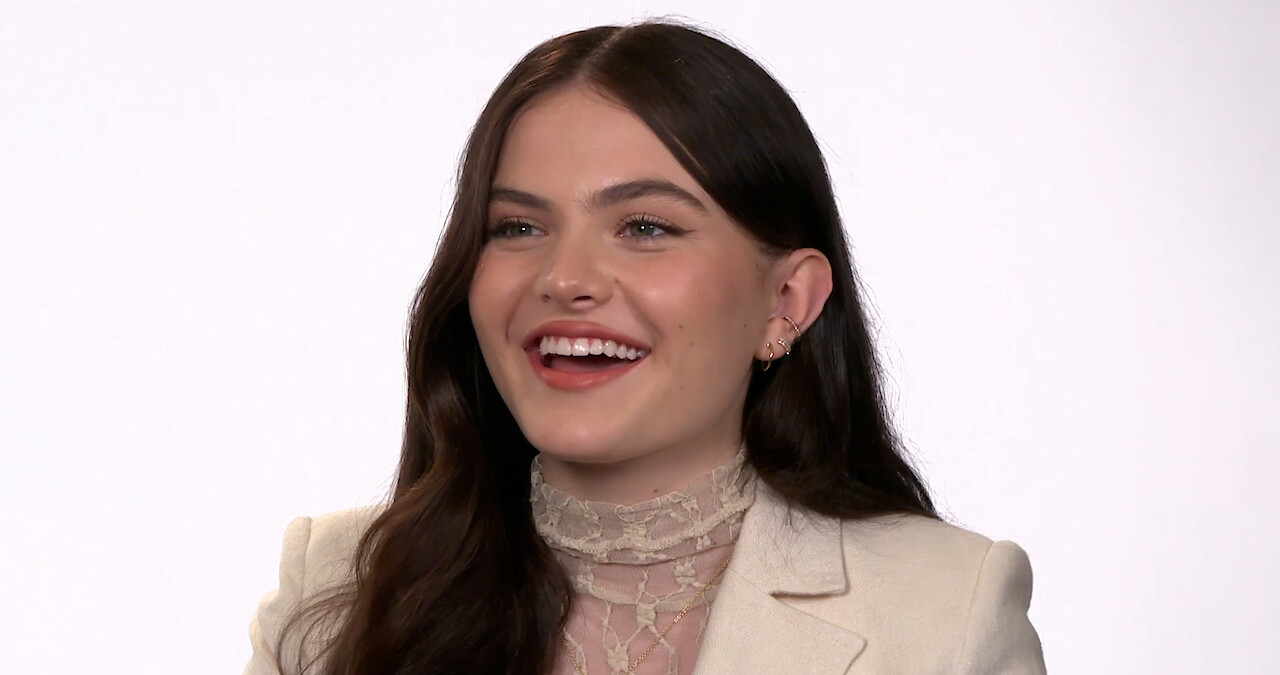
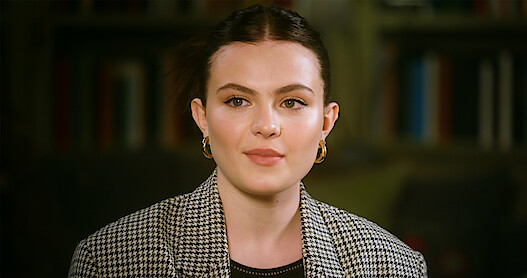
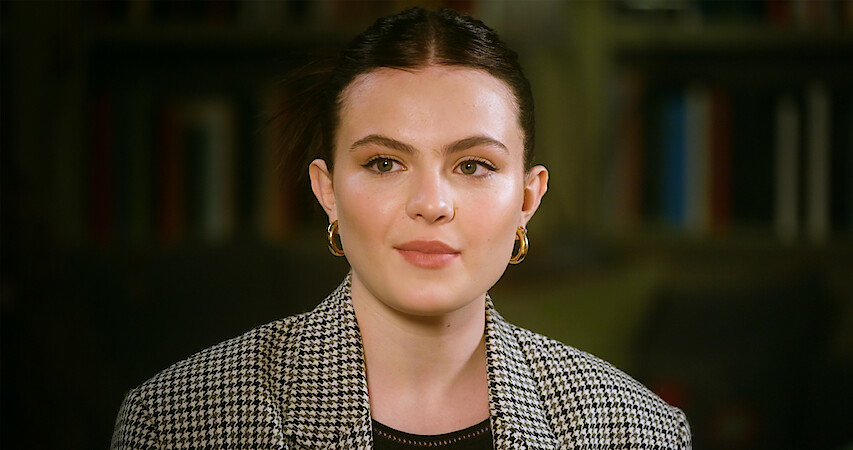
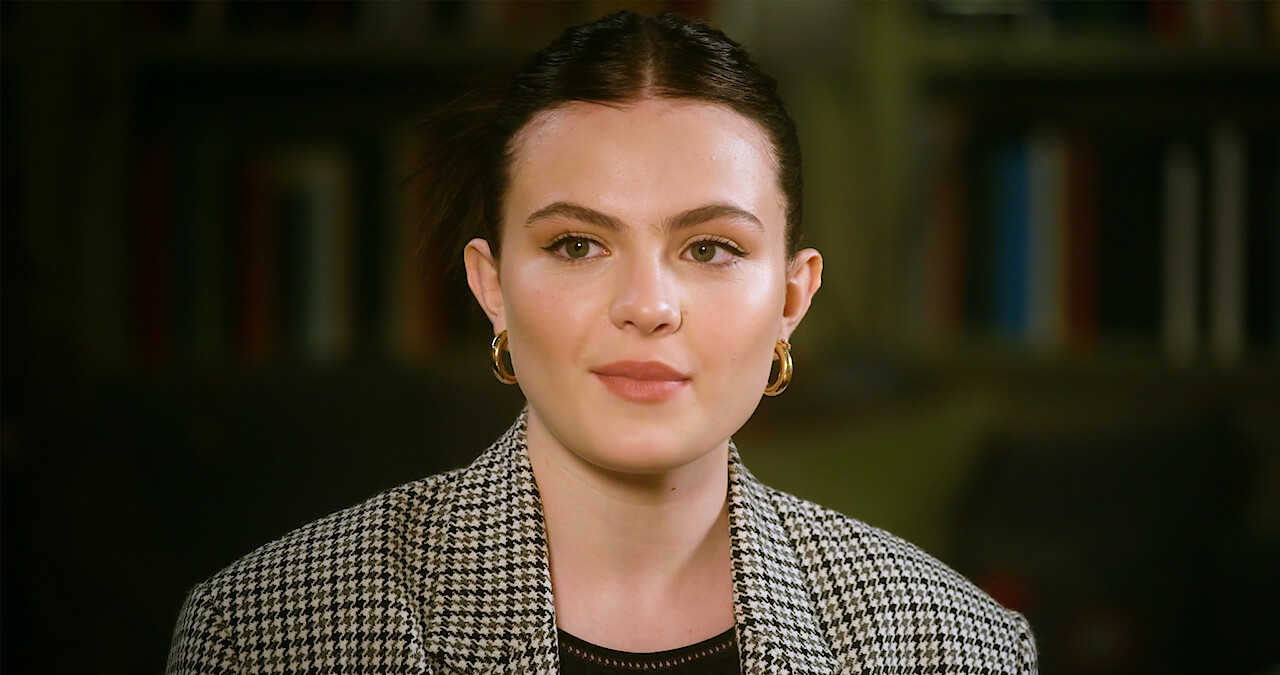
As a producer alongside Bruna Papandrea, Jeanne Snow and Erik Feig, Kunis also helped to shape the ways in which her character transcends the difficult events of her life in order to find her voice. Casting TifAni was a more delicate task. Knoll and Barker needed a young actor who could handle filming some truly harrowing scenes. Early on in the filming process, Knoll sat down with Cruel Summer star Chiara Aurelia for a series of frank and intimate conversations. “I felt very protective of her,” she says. “I wanted to make sure she felt OK and comfortable. And she wanted to know things about my story that I haven’t written or talked about.”
Barker meanwhile, sent letters to all the young actors in the months ahead of filming, describing exactly what they would be asked to do, and encouraging them to flag anything that lay outside of their comfort zone. “It's a contract of trust,” he says. “We navigate and negotiate and understand the reasons why we're asking to do something.”
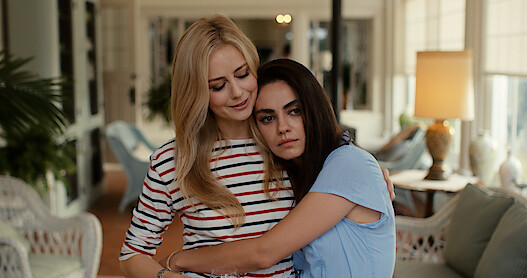
Rounding out the impressive supportive cast are Connie Britton as Ani’s mother, Succession’s Justine Lupe as her best-friend, Nell; Jennifer Beals as her editor and mentor; and Scoot McNairy as a high school English teacher who plays a pivotal role in her past. “The amazing thing is that, with everyone who worked on this project, even though there were these tough conversations, we also had a lot of joy making this story,” Knoll says. “We laughed a lot and we became friends and it was really one big family by the end.”
The importance of that kind of community support and a space to share hard truths is what Knoll hopes viewers take away from the movie, which will premiere on Netflix Oct. 7. “If this is the thing that helps people who have stayed silent about it for a long time... Sadly, that’s the culture that a lot of us grew up in. [There’s this idea that] if something happens to you, you likely played a role in it, and you should feel a lot of shame for that; you shouldn't make trouble and you shouldn’t talk about it. We don’t offer people enough support. We just don’t.”
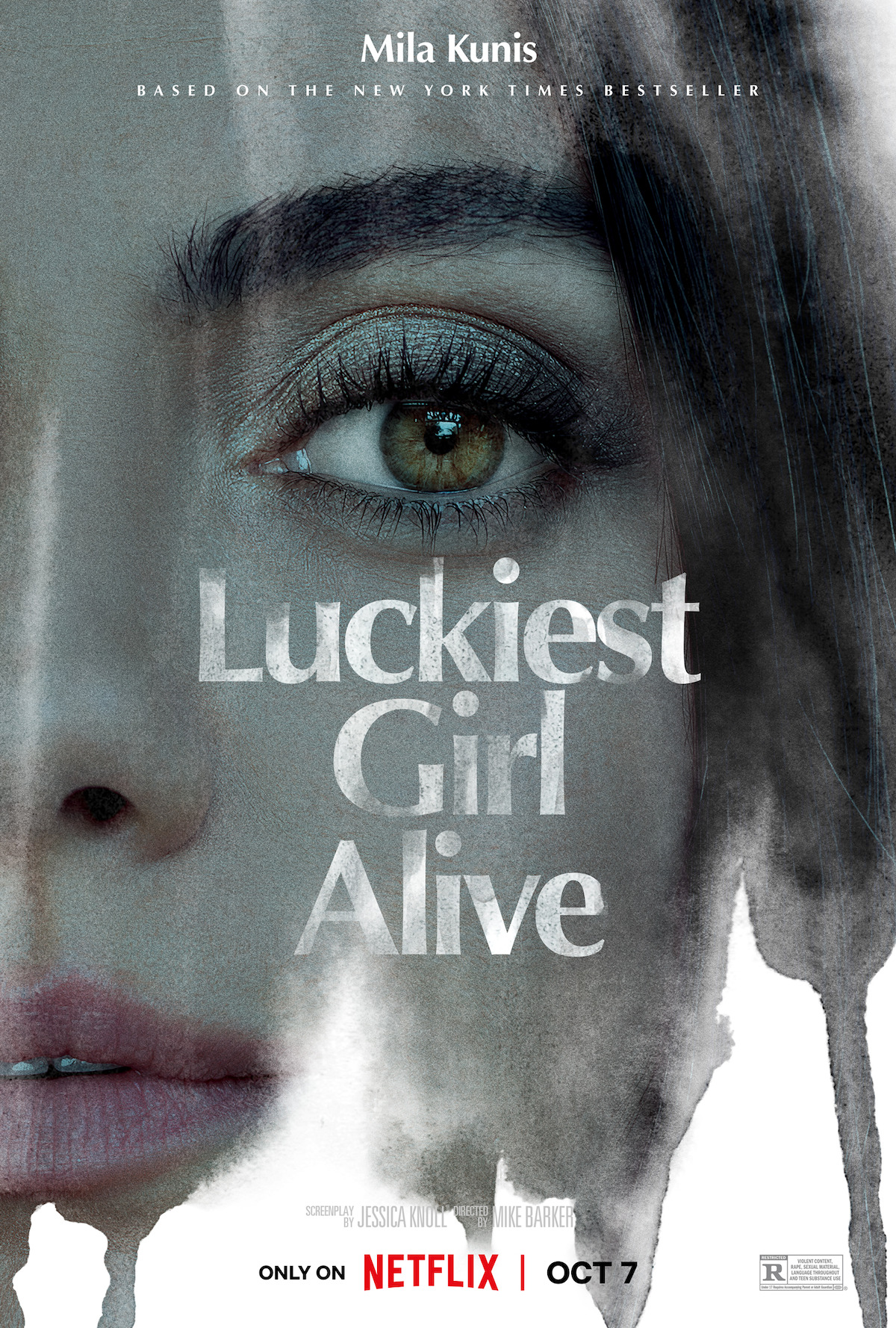
Luckiest Girl Alive premieres on Netflix Oct. 7.