

The Love Is Blind couple address the response to their romance so far.

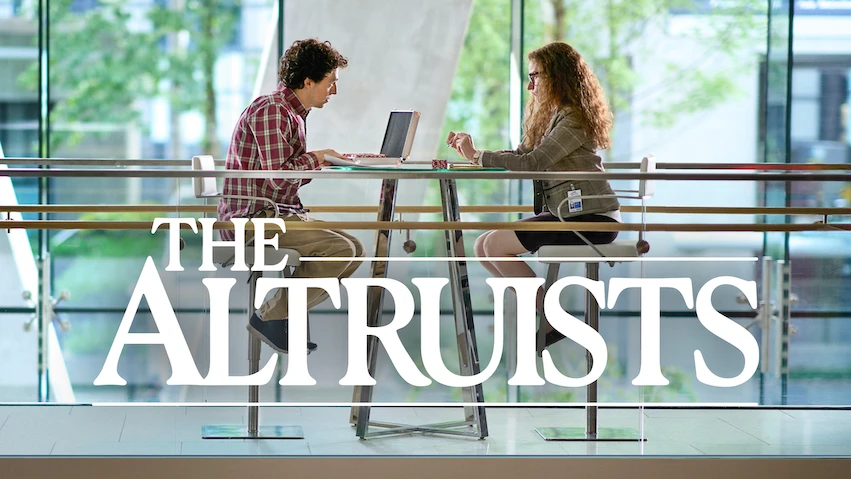
In 2024, cryptocurrency world fixtures Sam Bankman-Fried and Caroline Ellison were each convicted of various criminal fraud and conspiracy charges, with US District Judge Lewis A. Kaplan declaring that the two had committed the “greatest financial fraud ever perpetrated in this country.” The story of their rise and subsequent fall is chronicled in The Altruists, a limited series starring Anthony Boyle and Julia Garner inspired by New York magazine’s reporting on the collapse of Bankman-Fried’s crypto exchange and hedge fund, FTX.
The collapse captivated people far beyond the financial community. How did wunderkinds Bankman-Fried and Ellison, his on-and-off girlfriend and CEO of Alameda Research, go from their shared cause of effective altruism to being accused of stealing billions of dollars? For creator Graham Moore, it was the humanity at the core of the news sensation that felt ripe for narrative exploration. “From the very beginning, I was so fascinated by both Sam’s and Caroline’s real stories. I’m not nearly a good enough writer to create characters as fascinating as either Sam Bankman-Fried or Caroline Ellison,” says Moore, who won an Academy Award for his screenplay for The Imitation Game. “One of our goals was to show both Sam and Caroline as very real people — real 26, 28-year-olds who were suddenly thrust into this position where there are billions of dollars riding on their every decision.”
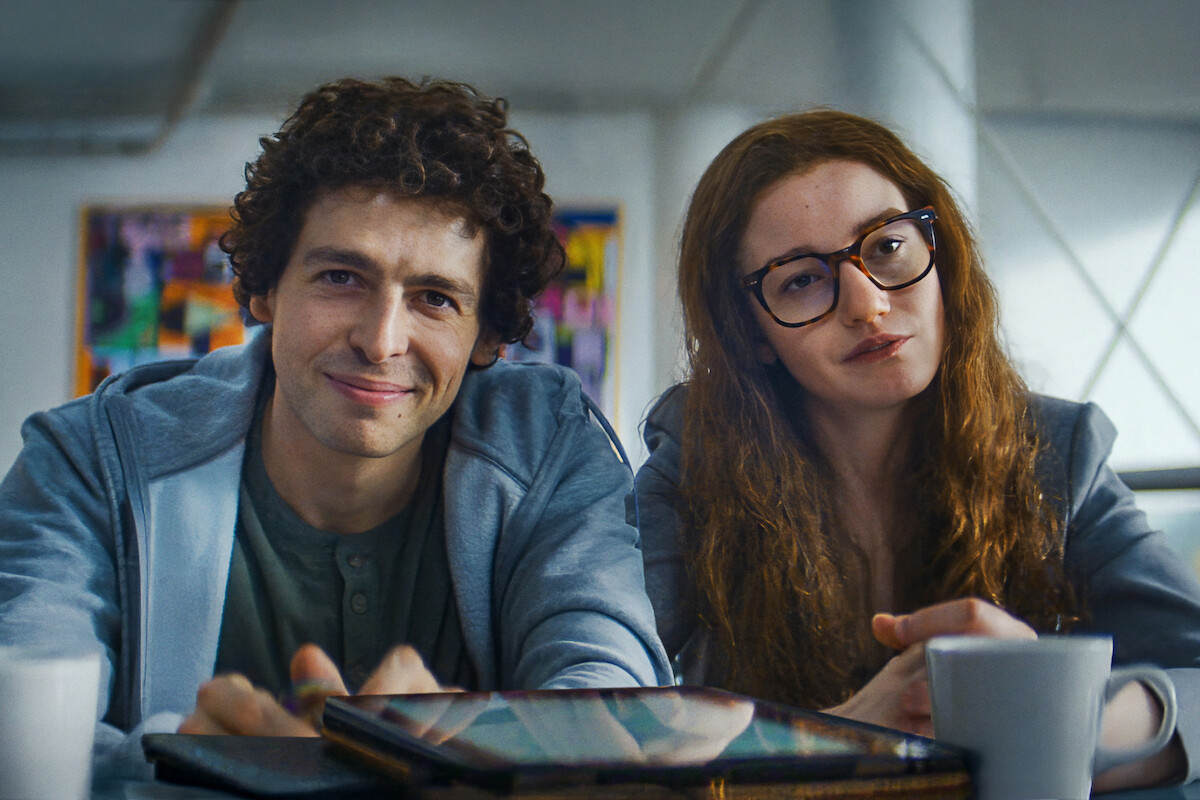
Moore, alongside co-showrunner and co-writer Jacqueline Hoyt (The Underground Railroad), drew on research, firsthand accounts, trials, and the reporting of journalists Kevin T. Dugan and Jen Wieczner, who consulted on the series. “There’s an exciting challenge in trying to tell a story about a group of people, all of whom have either been convicted of fraud or pled guilty to fraud, because it means that all of our main characters — many of whom we spoke to — I don’t think we could consider any of them unbiased narrators of their own stories,” explains Moore. The result is a relationship drama about the lines that love and ambition can blur, set against a financial empire’s end. Moore reflects on the excitement of capturing a story unfolding in real time, seeing Boyle and Garner bring their characters to the screen, and more.
As you set out to create this show, what were your North Stars?
Graham Moore: This form allowed us to tell not just a kind of headline Wikipedia version of the story, but to tell what we believed was the much more fascinating, intimate, personal, deeply heartbreaking story of these two people. We had a rule early on when we started telling the story — if a moment already existed on film somewhere, we weren’t going to show it. We were only going to show you things that by definition couldn’t have been filmed before, which I think helps give it that layer of behind-the-scenes intimacy that we were going for.
What were some of the things during this process that were the most surprising or challenging?
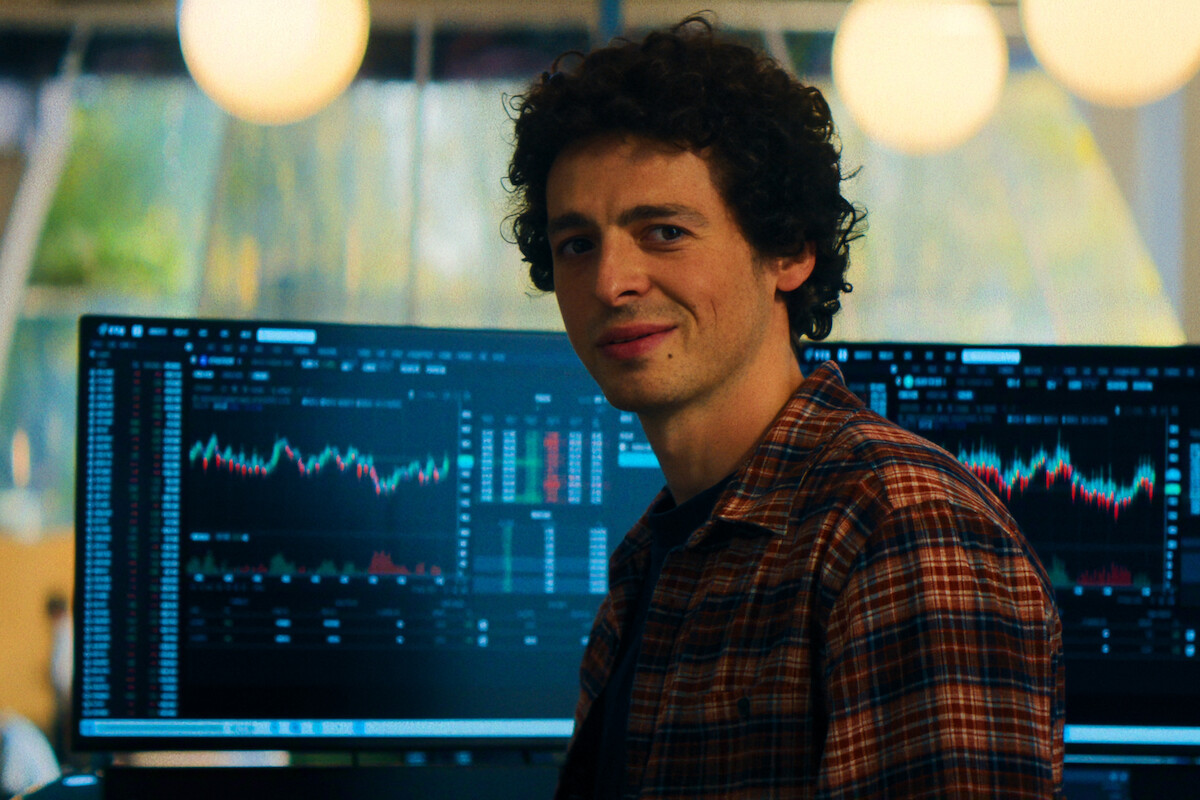
I felt this tremendous responsibility to make sure we were telling these real people’s real story accurately. This was the first time I’ve ever worked on something that happened a couple years ago. That presented some new challenges. It meant that we were just finding new things out every single day over the course of making this. Throughout the production process, through our sources, we were learning new things about these people all the time. I feel lucky that so much of what we learned reinforced the story we set out to tell.
What was it like working with Julia Garner and Anthony Boyle?
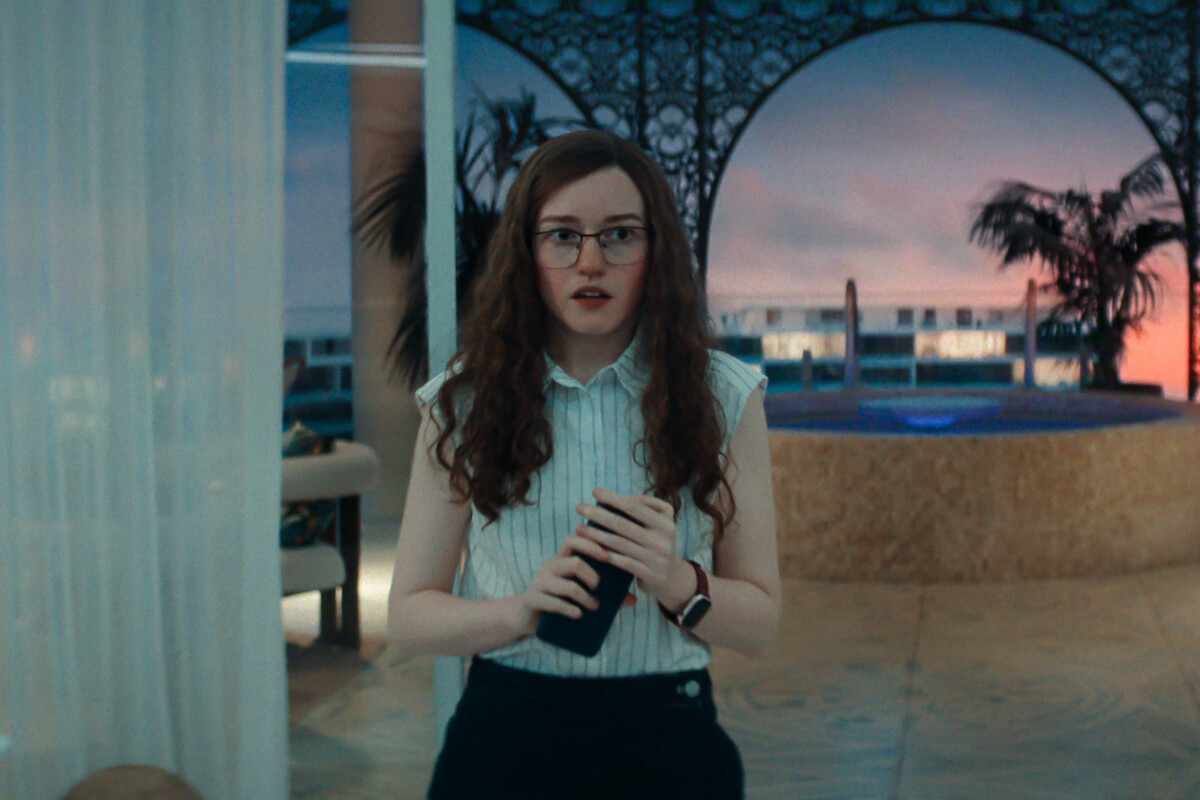
The first day we put the two of them together in a scene, within about 30 seconds I was in tears. You could just feel it click. They had very different challenges. Sam is one of the most documented human beings of the last six years, so Anthony had almost too much material — a thousand different interviews, TikToks, Instagram stories. Julia had almost the opposite problem — there are only two pieces of audio of Caroline we could find. But something I said to both of them going in was: “I don’t want you to do an impression. I’m much more interested in creating a fully three-dimensional character.”
The series is called The Altruists — what does that title mean to you?
I genuinely believe that both Sam and Caroline were deeply committed altruists from day one, who set out to do as much good for as many people as they could. And over the course of the years that our show depicts, they — with the very best of intentions — talked each other and themselves into committing a number of terrible crimes. That’s so fascinating to me — how people with the best of intentions end up talking themselves into first a little white lie, and then a slightly bigger lie, and then a slightly bigger one. I think that’s one of the big questions we wanted to ask: “If you believe that the ends justify the means, even if you have the very best of ends in mind, is there some point at which that stops being true?”