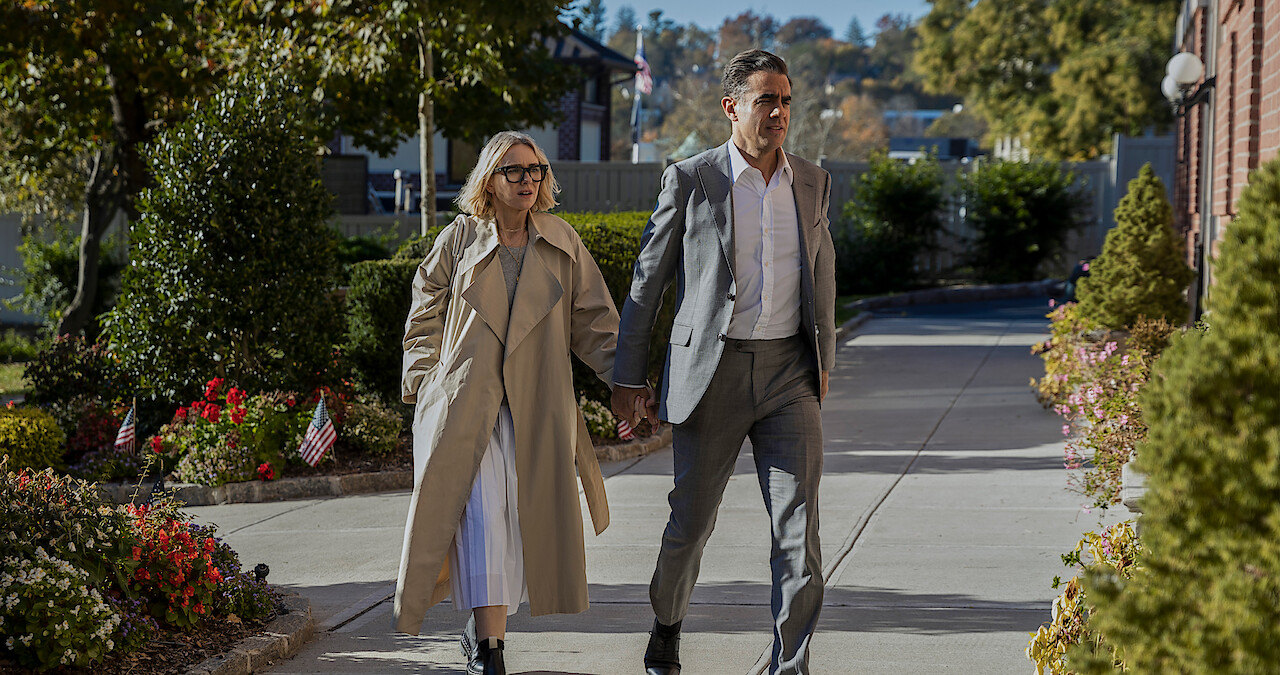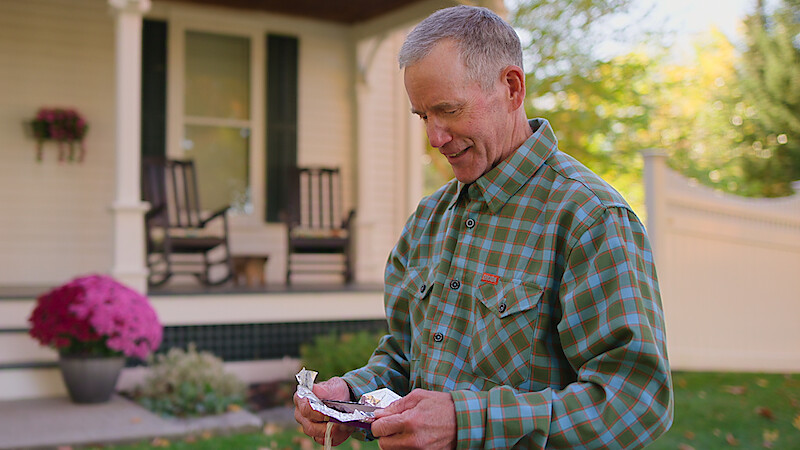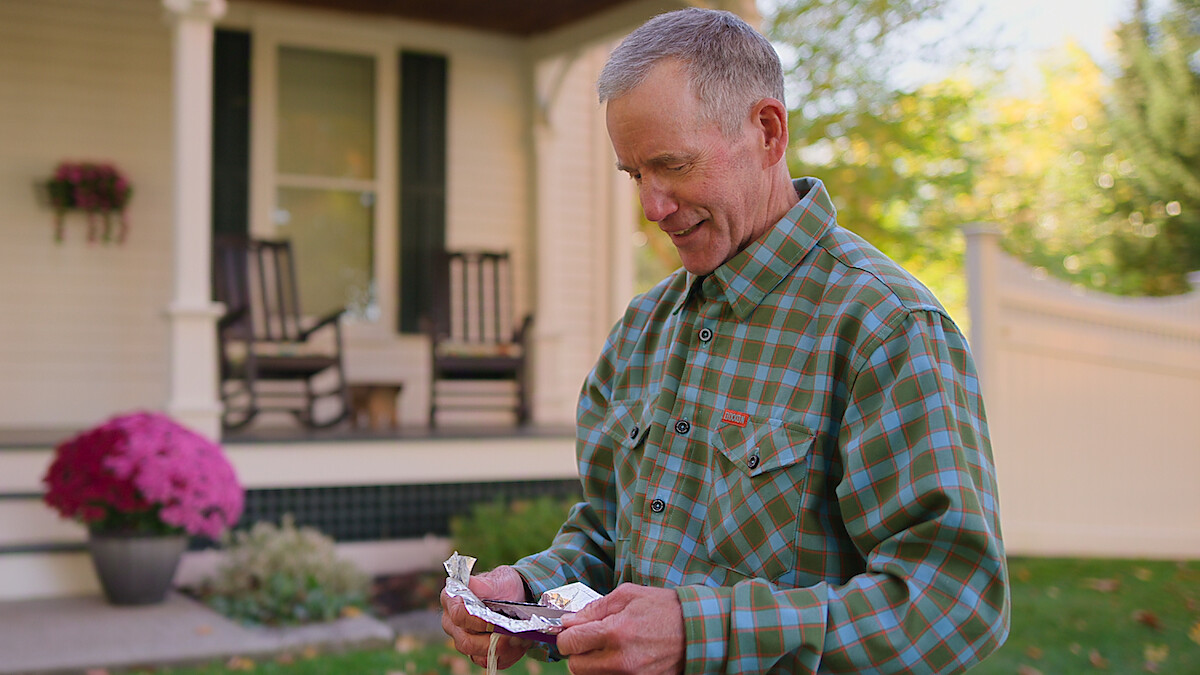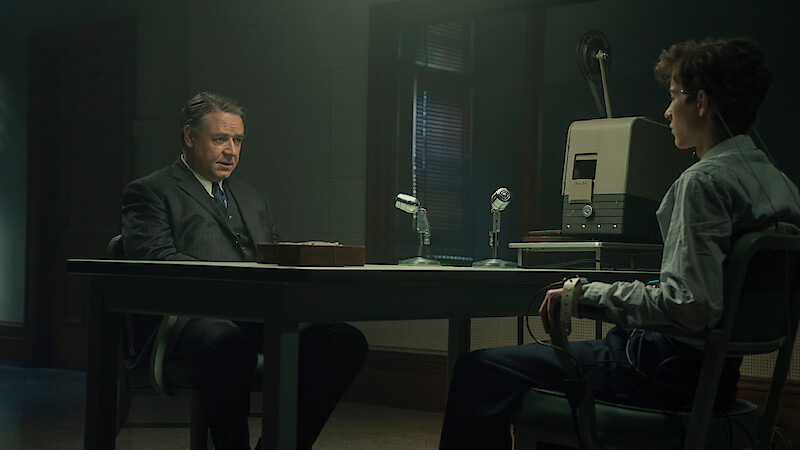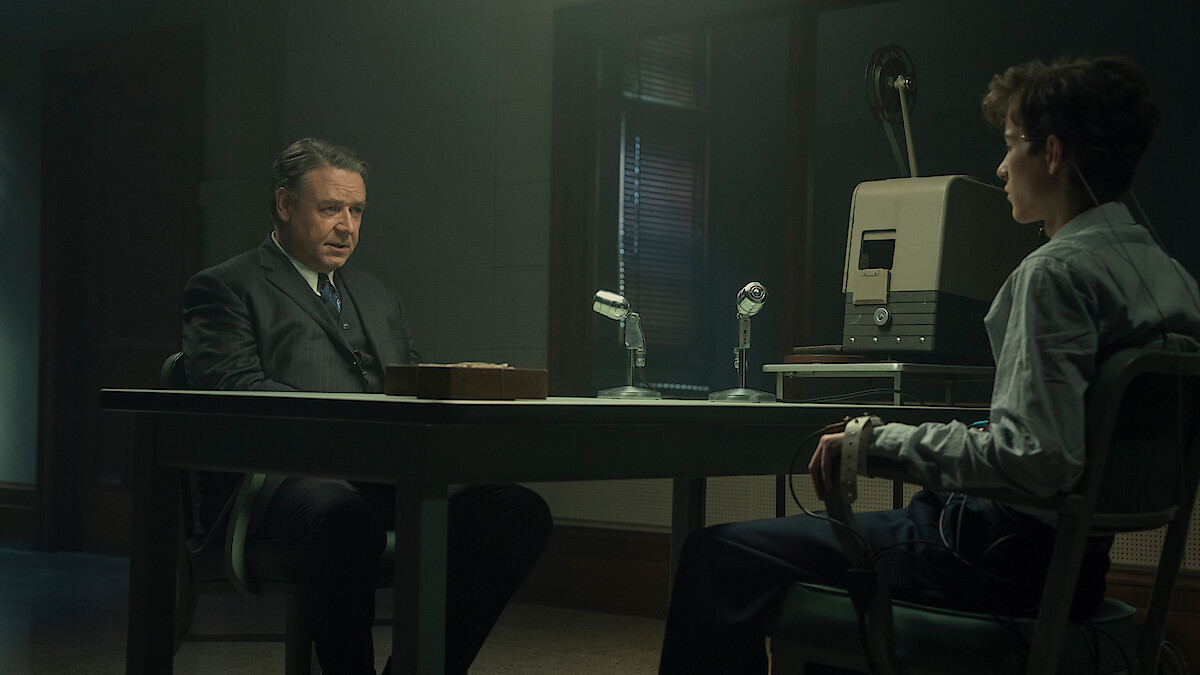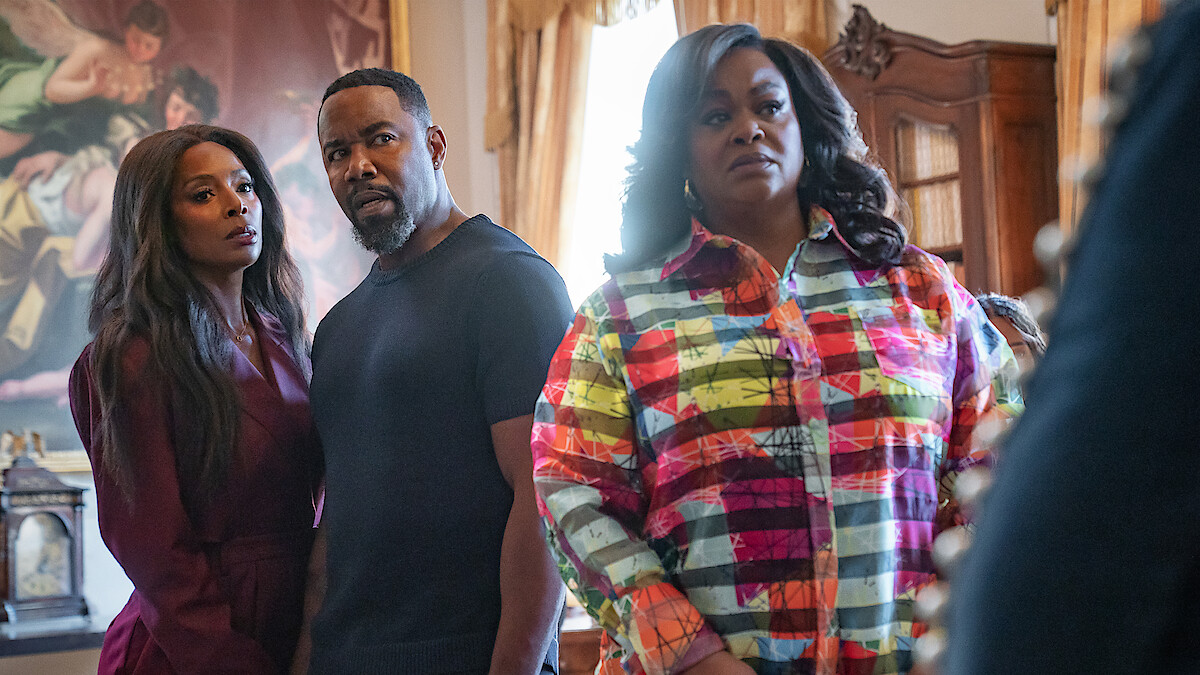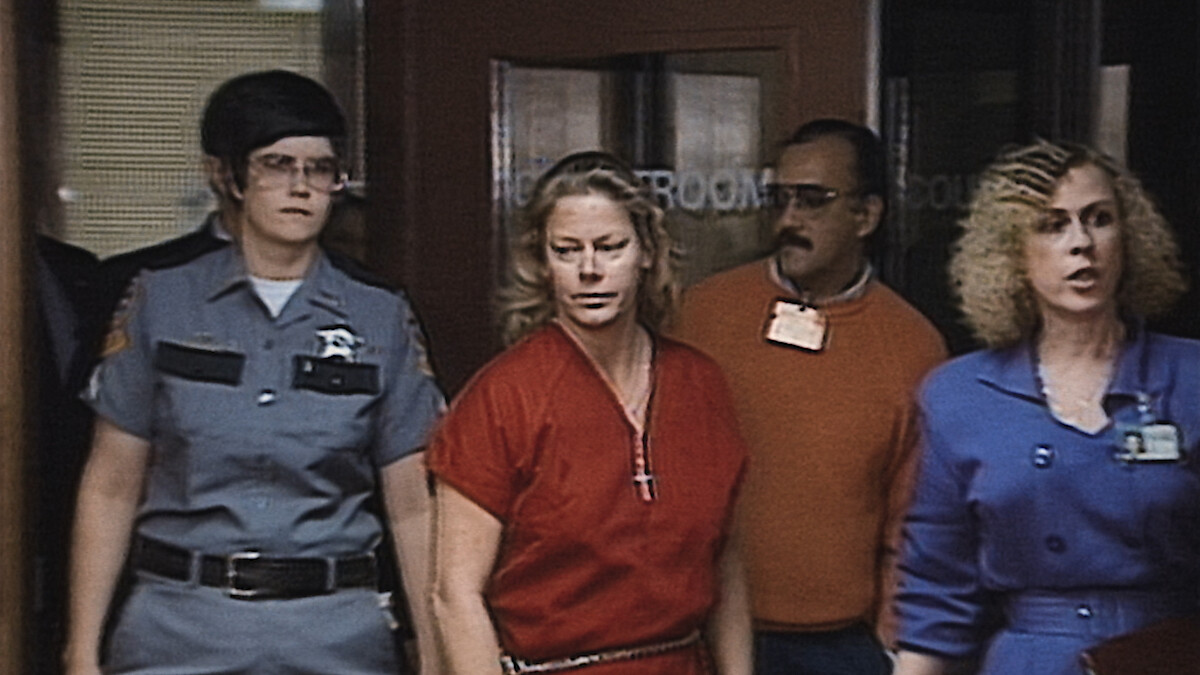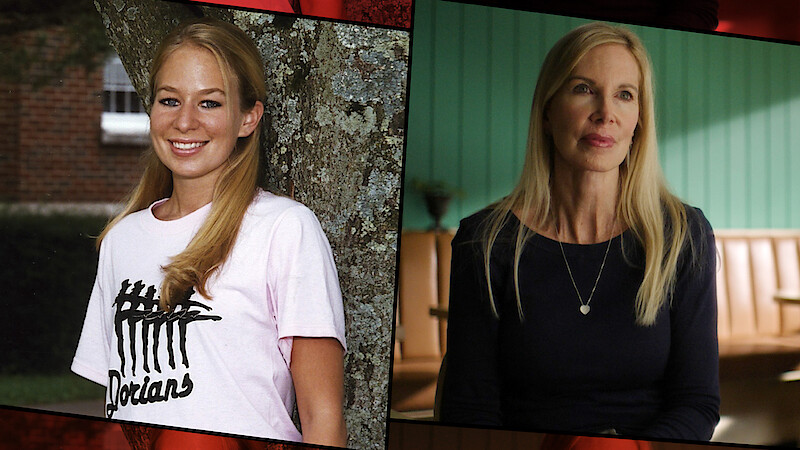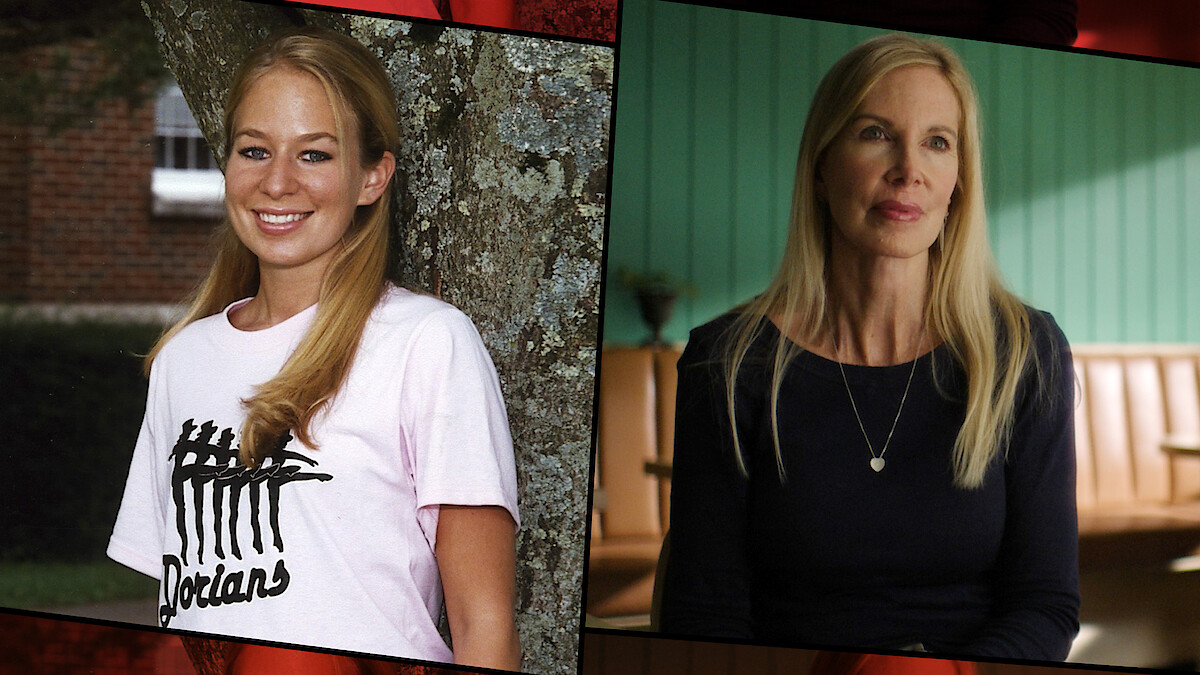



Learn how the investigation evolved, with insight from the docuseries’ director.

Filmmakers are uncovering new perspectives and challenging the stories we thought we knew.
Among the many reasons audiences continue to consume true crime in ever-increasing numbers is the way talented filmmakers are able to present a case, unfolding its myriad details across a series of enthralling episodes. Without having to sift through case files, interview witnesses, or gather evidence, a viewer can feel as though they’ve experienced the full scope of a crime and its reverberations in the time it takes to finish a book, podcast, or documentary. When it comes to the cases that captivate the public’s attention, however, time can often reveal facets of a narrative that weren’t visible the first time it was told. Returning to a story that many are already familiar with requires purposeful reframing rather than a mere retelling, as well as a willingness to deviate from the accepted narrative surrounding a particular case. Here, four documentarians discuss what made them want to revisit the well-known stories at the heart of their latest projects, in some cases decades after they dominated the headlines.
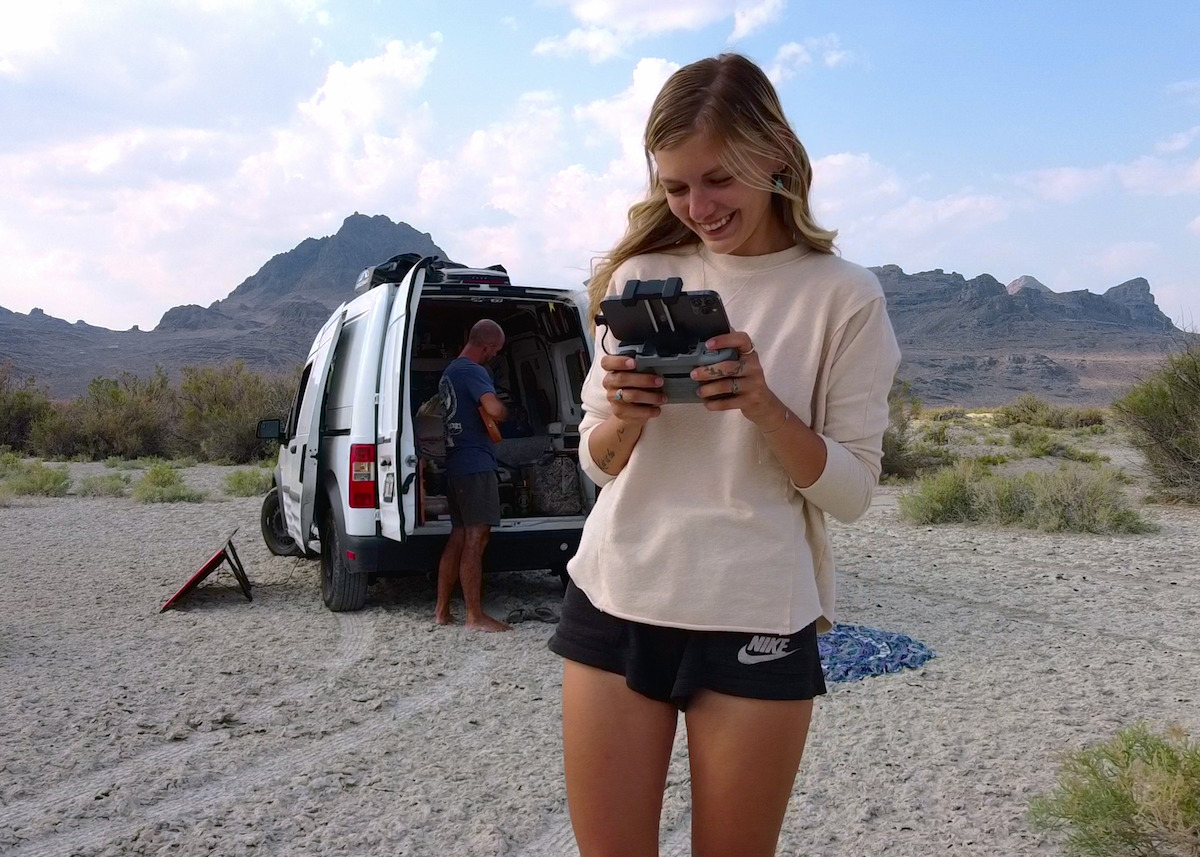
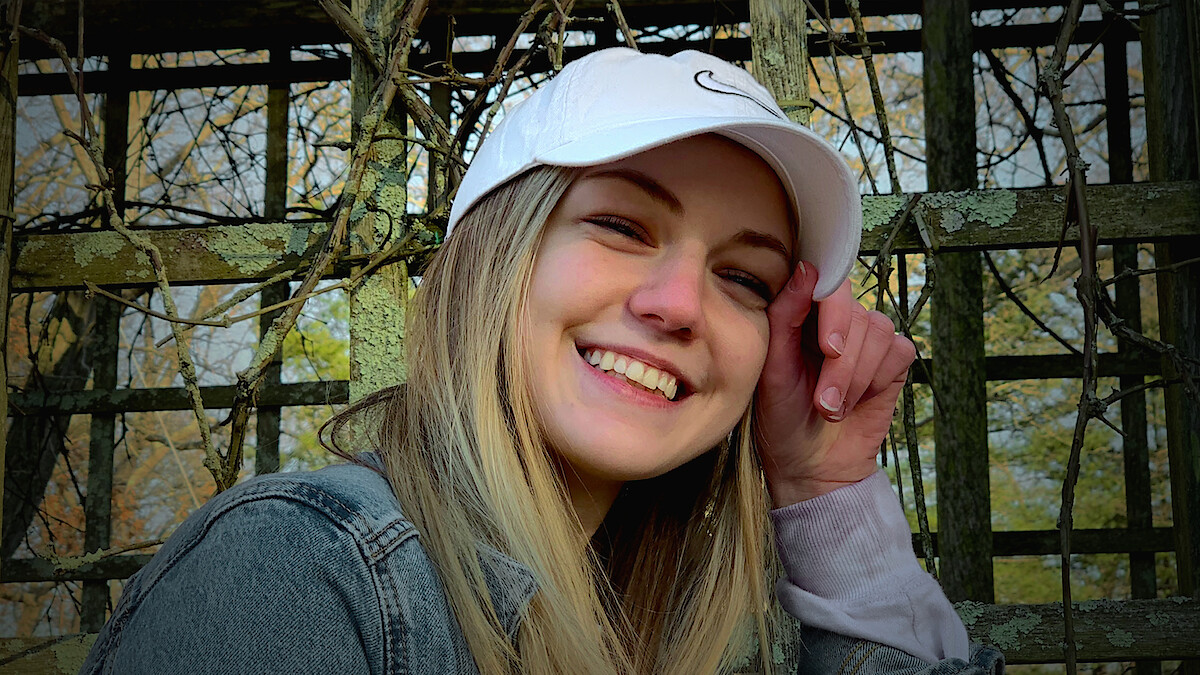
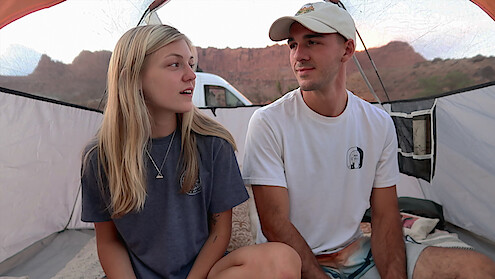
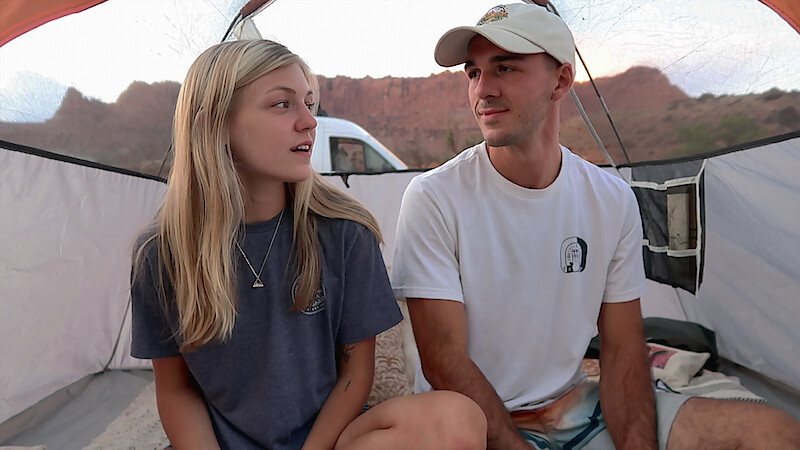
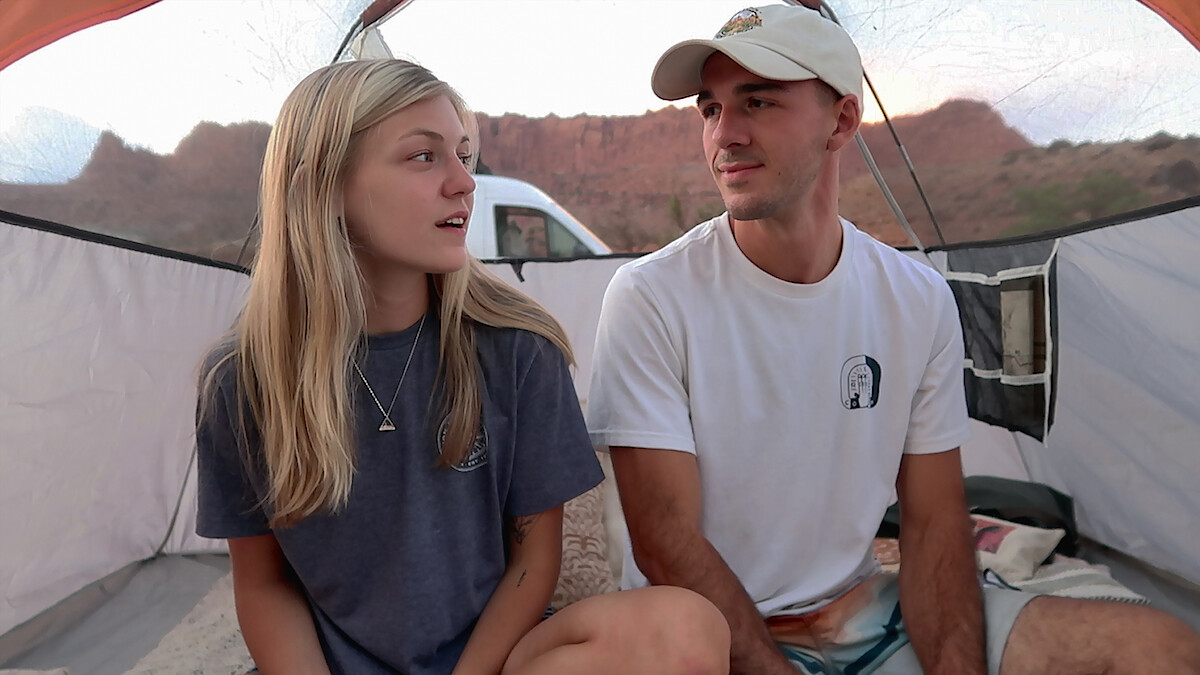
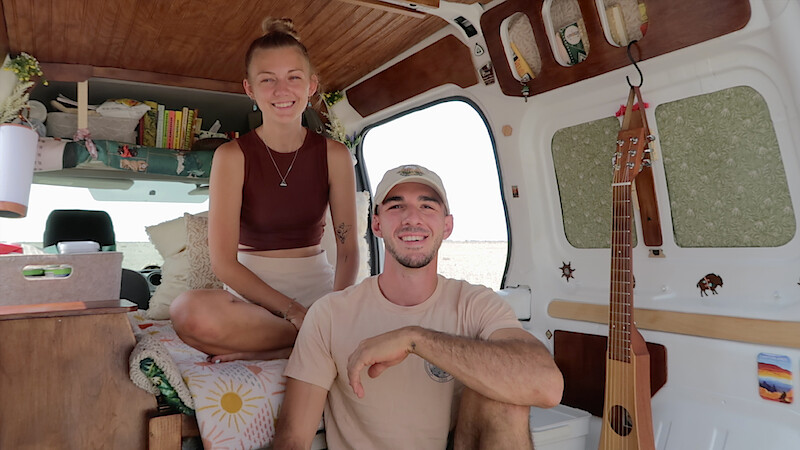
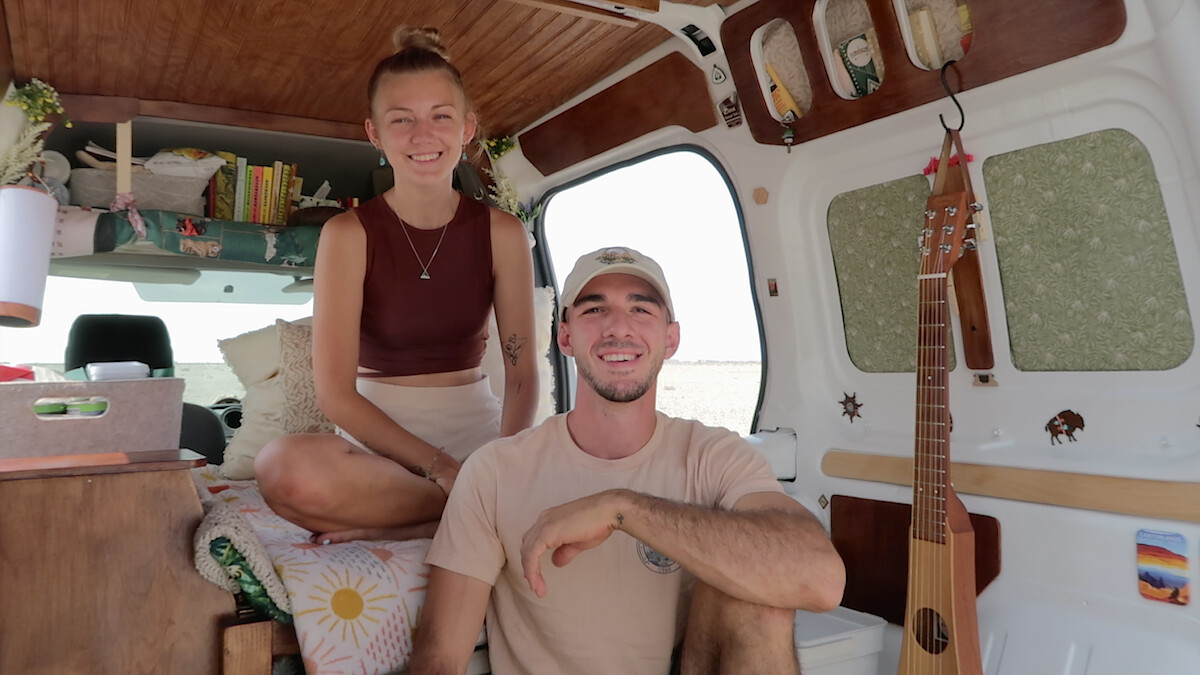
Gabby Petito was last seen alive on Aug. 27, 2021, while making her way across the country with her boyfriend, Brian Laundrie, on a trip meant to launch her career as a travel influencer. While the authorities worked to find her, a wave of media attention allowed viewers to track developments in real time. Many took to social media to conduct their own investigations, reviewing photos and video footage and floating theories to their followers. Less than a month later, her body was found in a camping area in Wyoming.
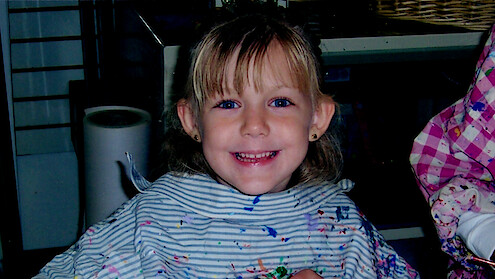
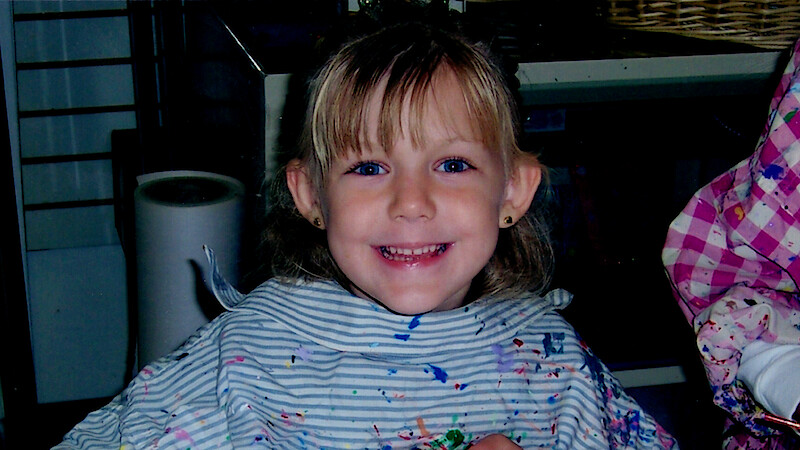
Laundrie’s remains were eventually found in Florida alongside a written confession. There had been intense speculation that he was responsible for Petito’s death, and it seemed as though the public had witnessed the complete arc of the case. But for American Murder: Gabby Petito director Julia Willoughby Nason and producer Mike Gasparro, connecting with Petito’s family allowed them access to more detail than any armchair sleuth could have gathered while the investigation was in progress. “This has been a very widely covered story and we wanted to make something that would resonate with the viewer,” says Willoughby Nason. “Gabby Petito’s family shared Gabby’s personal archive, which was everything from her artwork to her journals to her raw video of what she shot while she was on the road with Brian Laundrie.” Despite the sense that social media allows us to dissect the inner workings of a tragedy as it unfolds, the simple act of reasserting a victim’s interiority and complexity still goes a long way towards casting the story in an entirely new light.
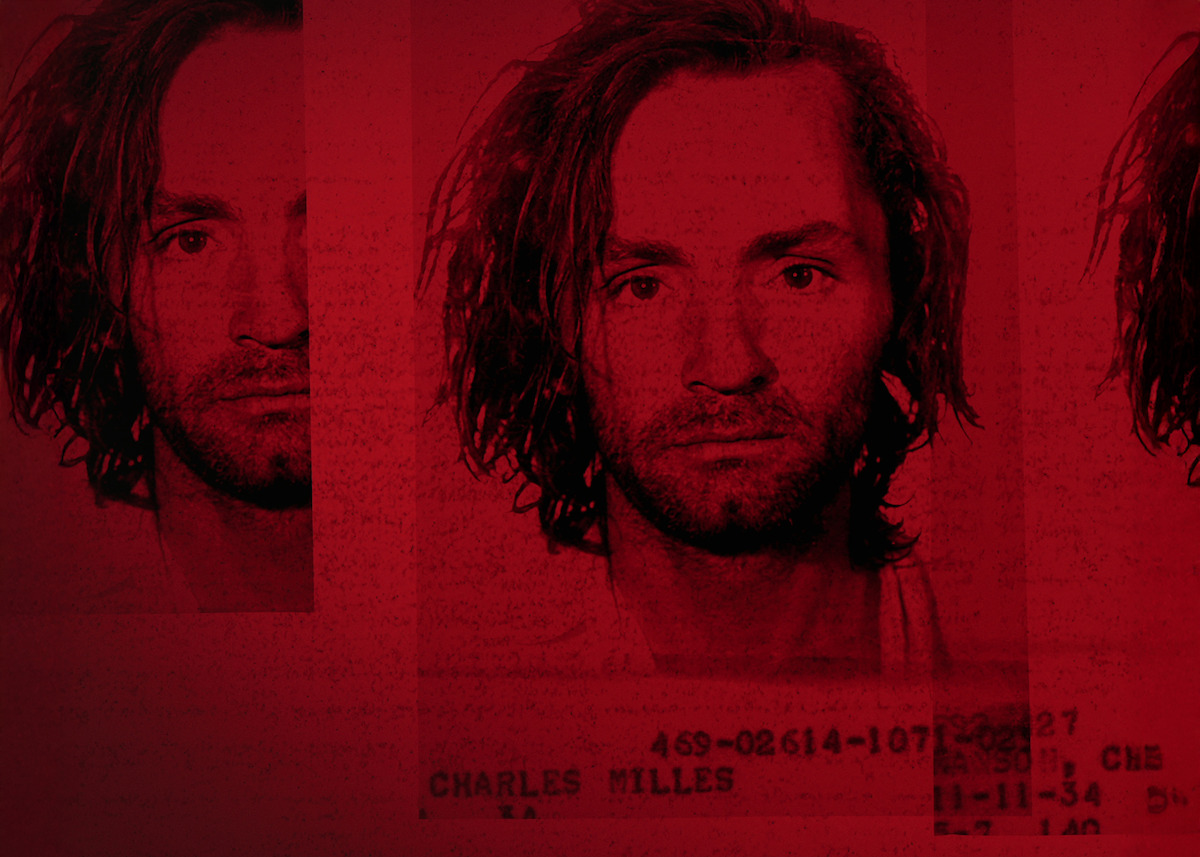
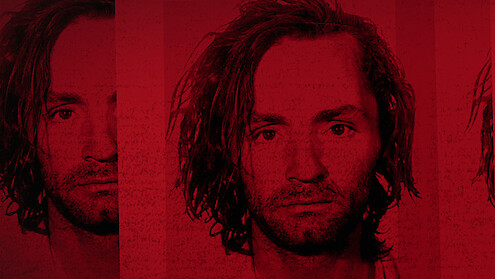
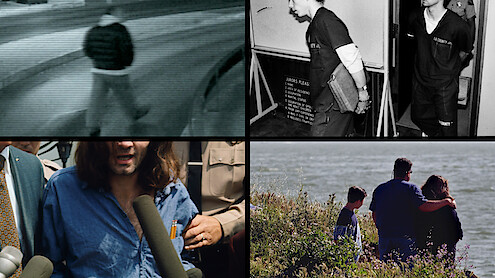
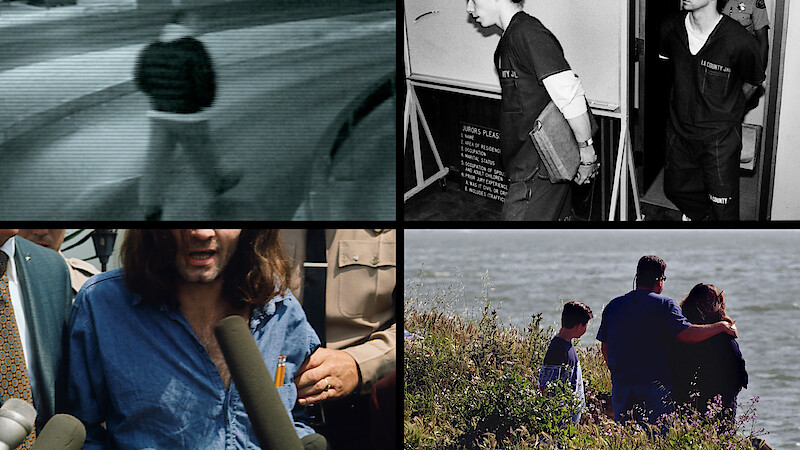
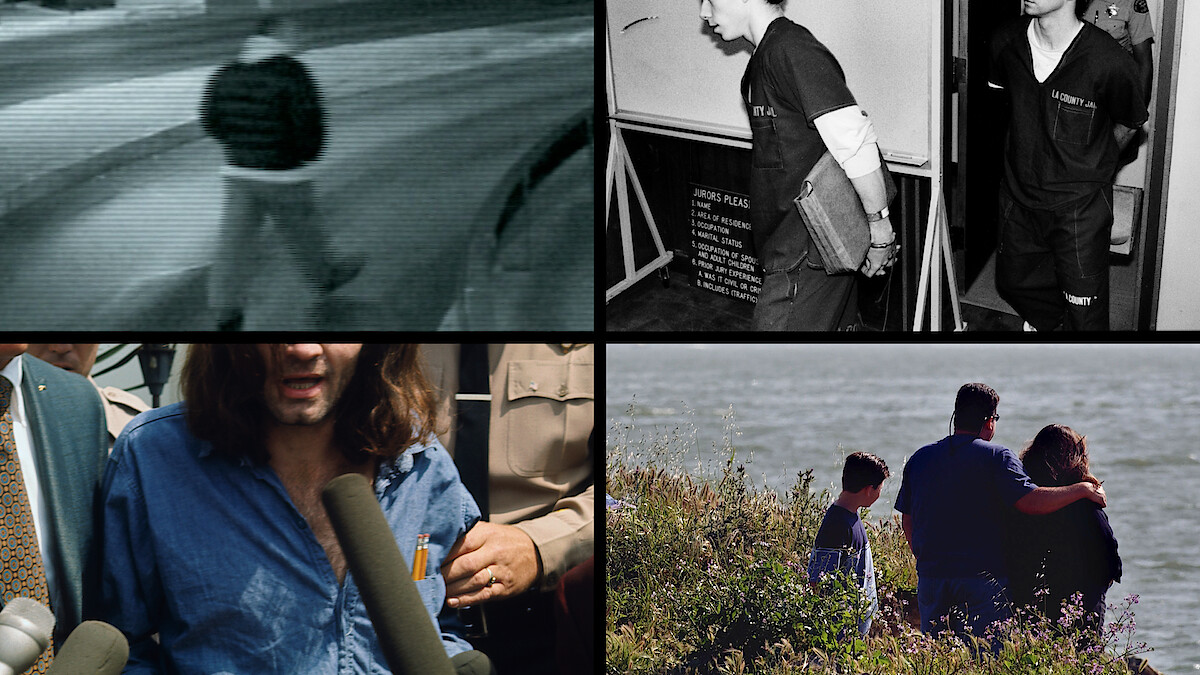
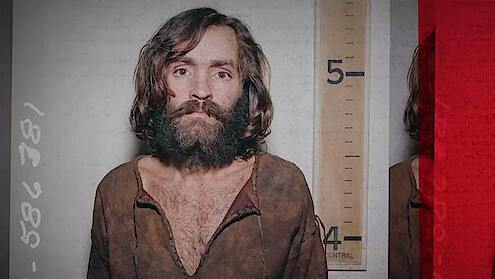
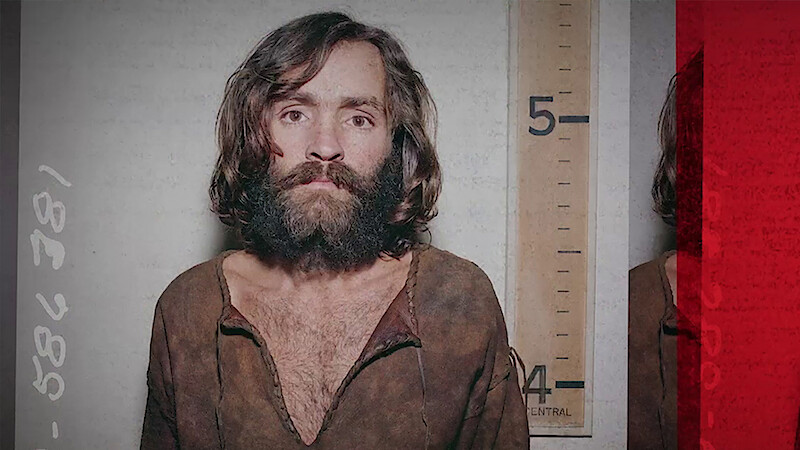
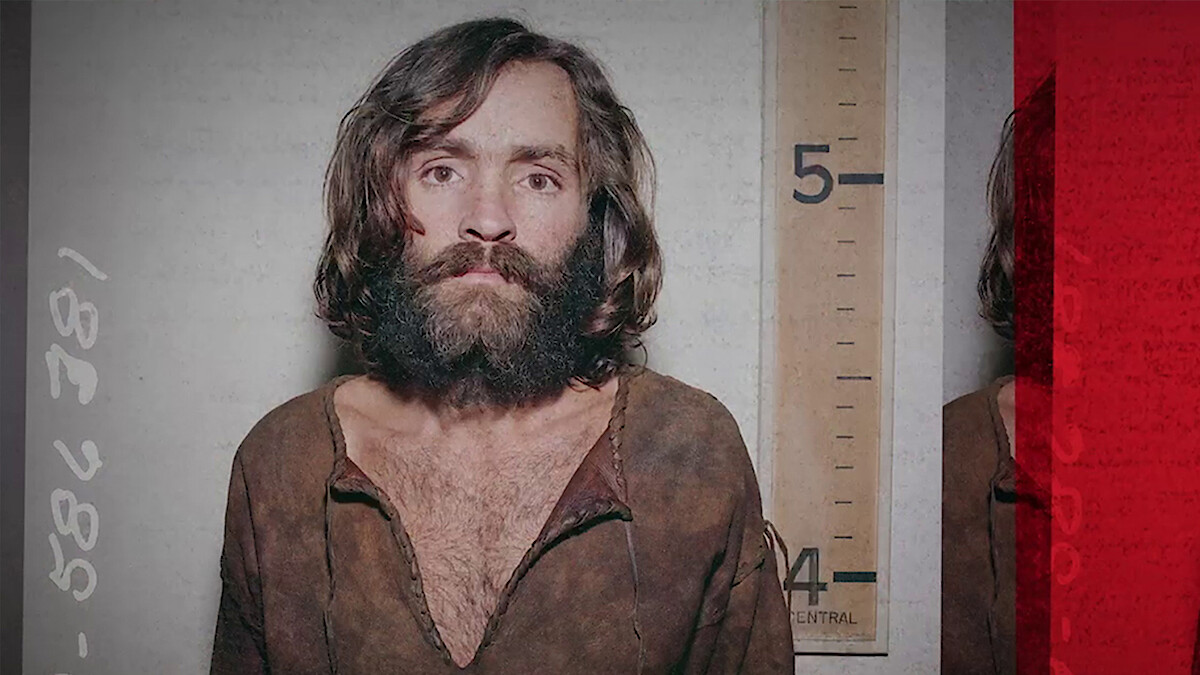
If Truman Capote’s In Cold Blood heralded the modern era of the true crime genre upon its publication in 1965, Vincent Bugliosi and Curt Gentry’s 1974 book Helter Skelter solidified its staying power. The best-selling true crime book of all time, Helter Skelter’s blockbuster appeal is due, in no small part, to the fact that its author was the man who successfully prosecuted Charles Manson and his followers for the string of murders that shook Hollywood at the end of the 1960s. But when Tom O’Neill began researching the murders in 1999, he found himself at odds with Bugliosi’s conclusions.
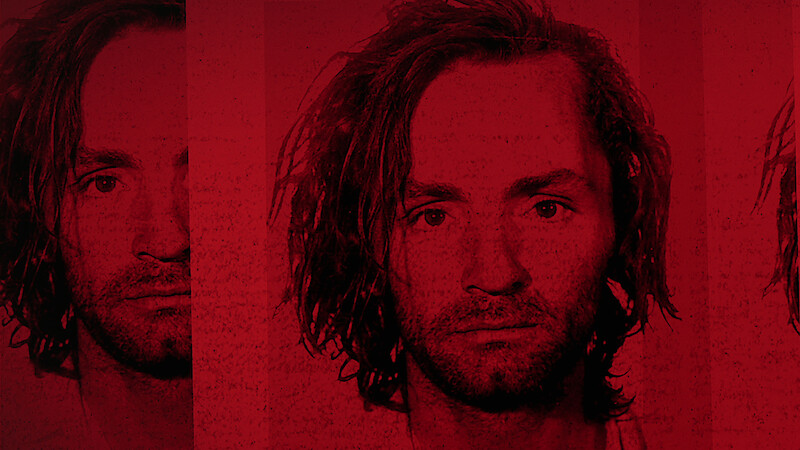
“Doubt and skepticism inform everything that I do, not just in my film work, but on a day-to-day basis. They’re really powerful tools in learning about the world,” says director Errol Morris. His latest documentary, CHAOS: The Manson Murders, presents alternative Manson murder theories that O’Neill put forth in his and Dan Piepenbring’s 2019 book, Chaos: Charles Manson, the CIA, and the Secret History of the Sixties. “[O’Neill] had become possessed by the idea that the Manson story had not been told properly, that it made no sense, like an incomplete jigsaw puzzle with missing pieces,” says Morris. Both the book and documentary are up front about the fact that there are holes and inconsistencies to be found in the newly presented ideas, which link Manson to the CIA and its MKUltra program. Still, Morris felt it was necessary to share O’Neill’s findings, regardless of whether they could be neatly tied up. “I saw my job here as presenting the elements that really needed to be considered,” he says. “The attempt at cleaning up the mystery has just made it even more deeply mysterious and strange.”
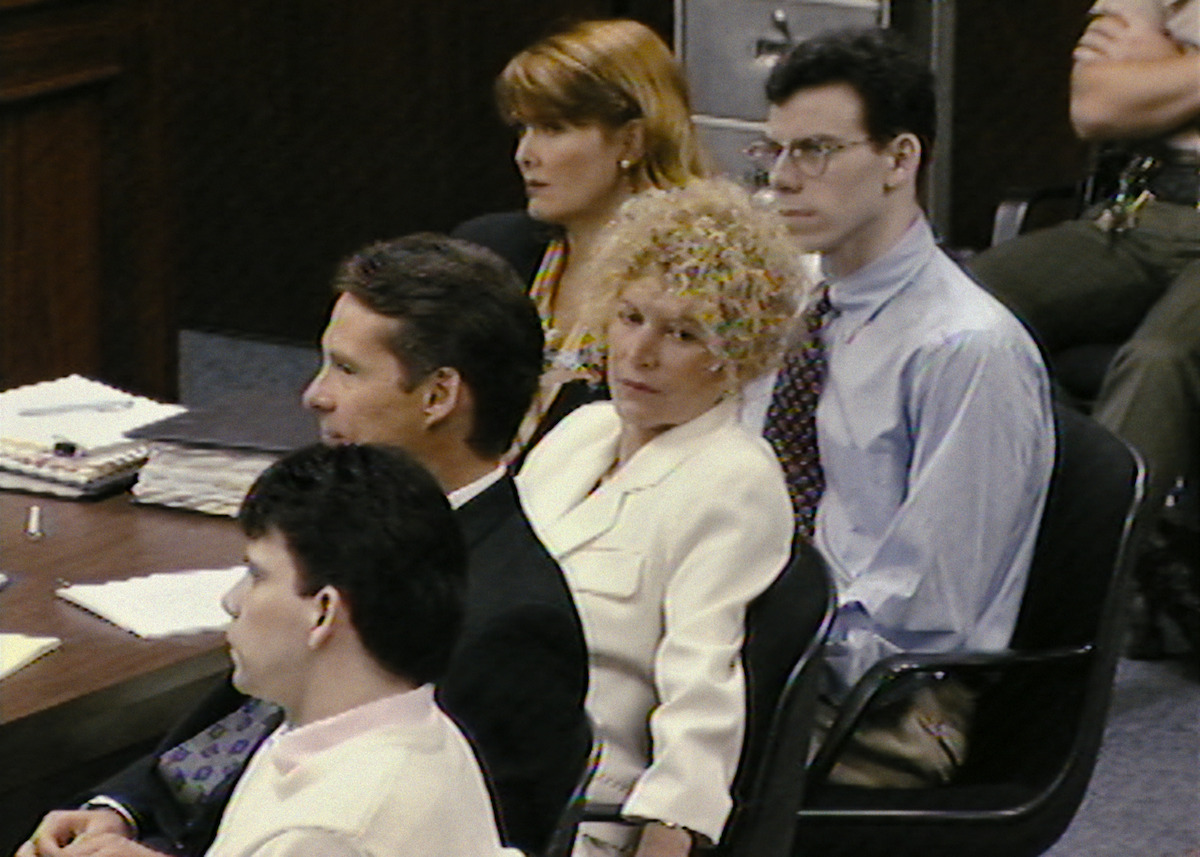
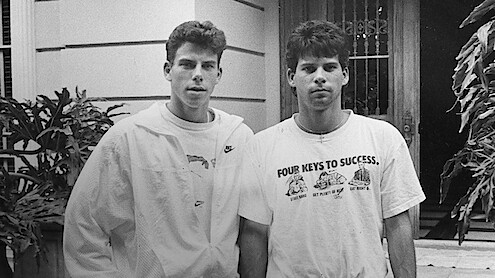
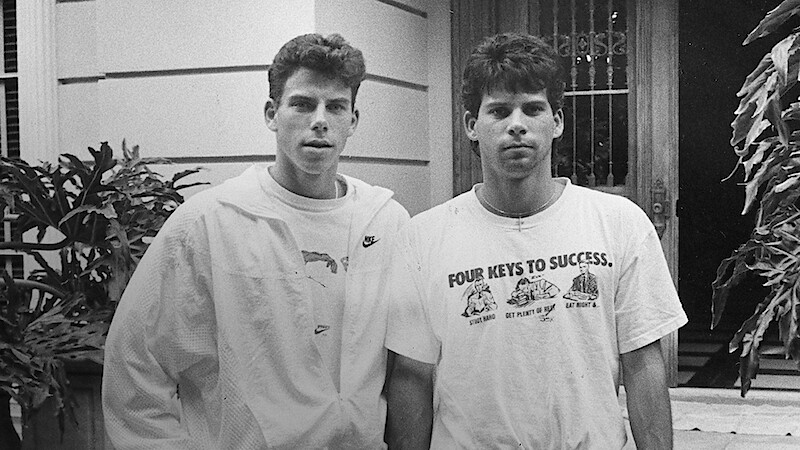
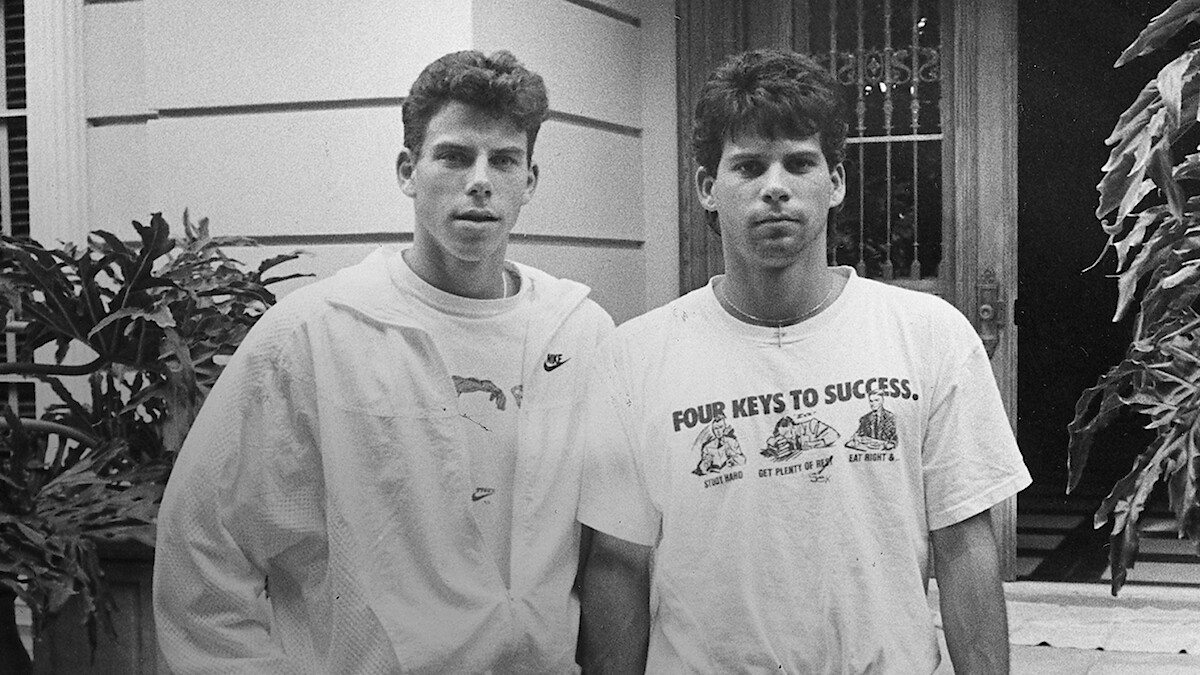
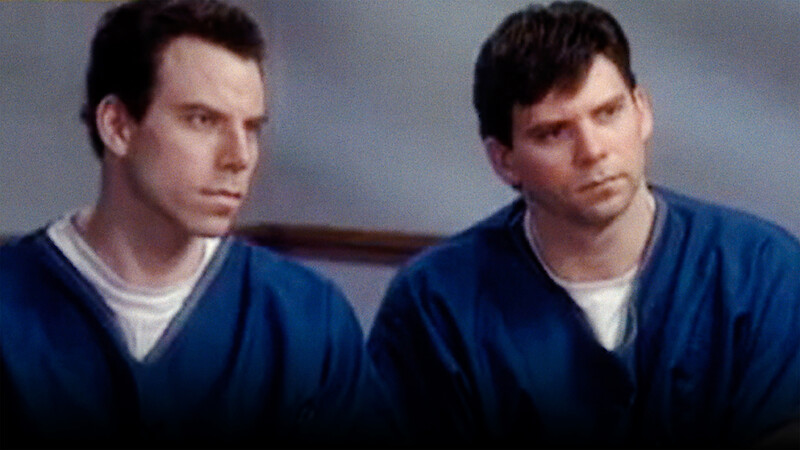
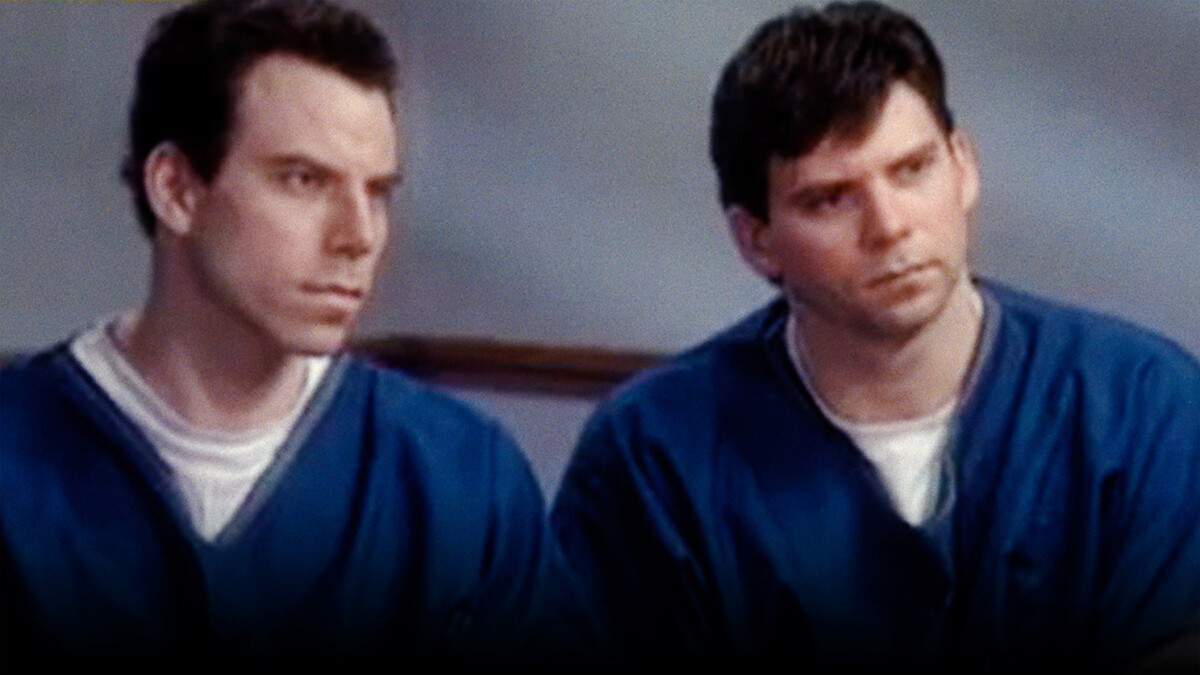
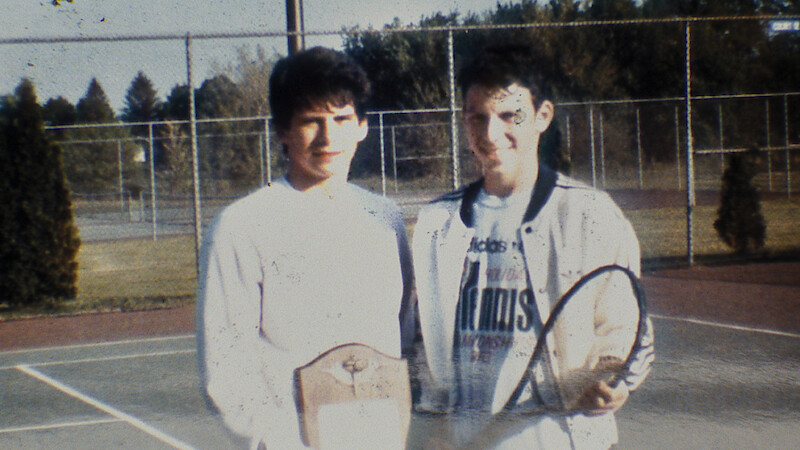
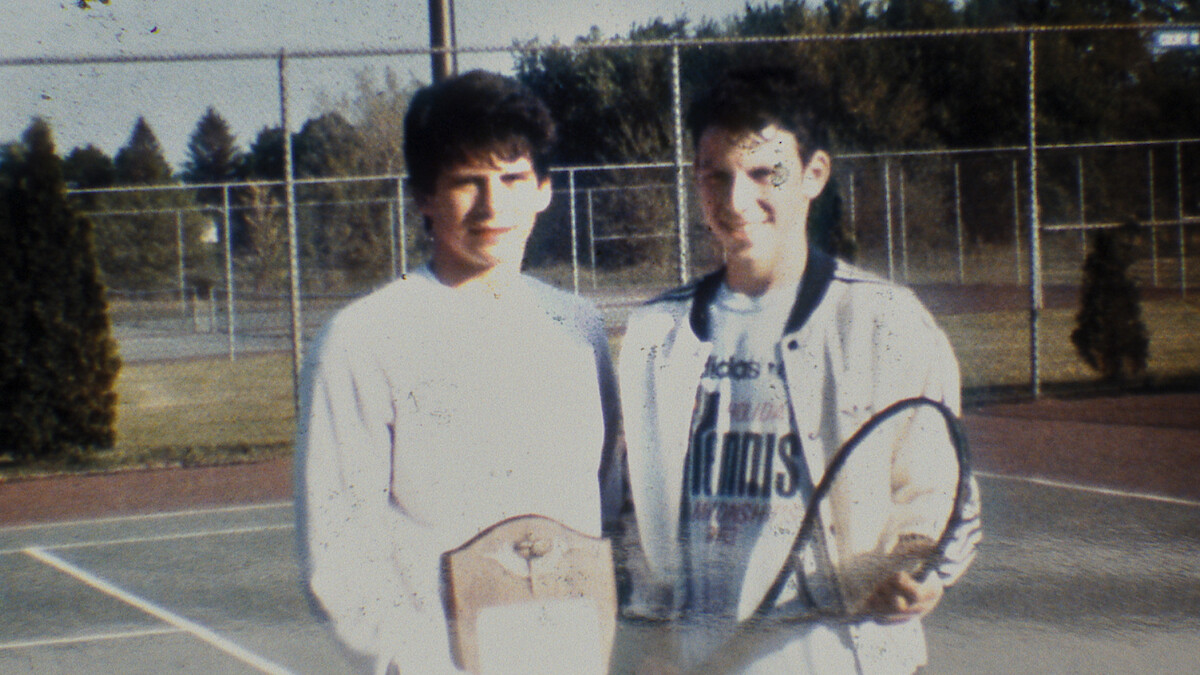
Director Alejandro Hartmann’s memories of the Menendez murder trials were limited when he agreed to helm The Menendez Brothers. “I think that was an advantage in some ways. I didn’t have a biased view of the case,” says Hartmann, who grew up in Argentina. “I realized how big this was in America.”
The documentary details the arrest of Erik and Lyle Menendez for the murders of their mother and father. After a brief attempt to convince the authorities that the mob was responsible for the deaths, the brothers came clean and were charged with first-degree murder. As allegations of lifelong abuse emerged during Erik and Lyle’s trials — the first resulting in a deadlocked jury — public opinion swung between sympathy, disbelief, and mockery. “Over the years … the perception of abuse and the way we talk about abuse changed,” Hartmann says of the ways in which today’s audiences may be better able to understand the nuances of what the Menendez brothers endured. “The truth is very complex to understand, and in a case like this, it’s not black or white.”

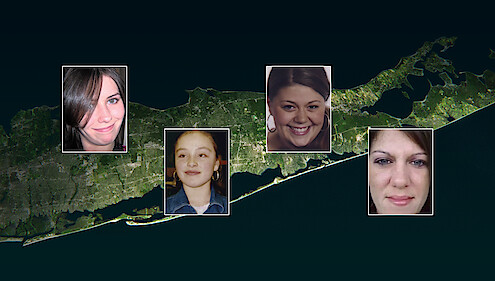
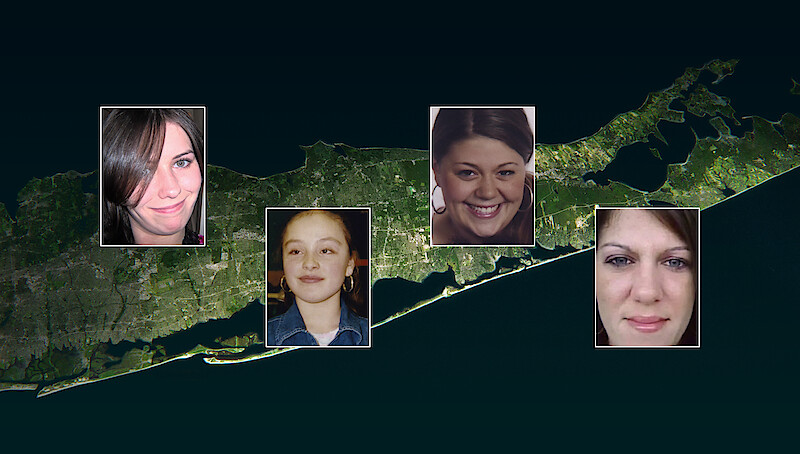
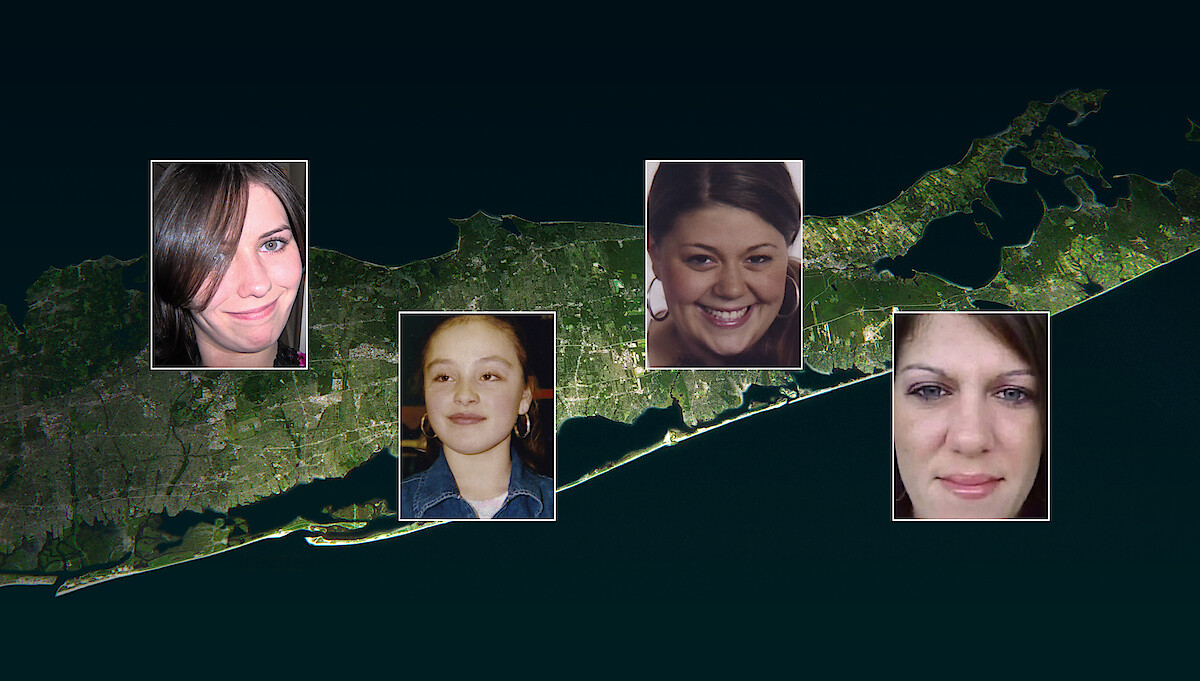
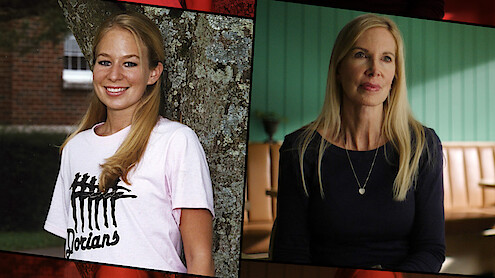
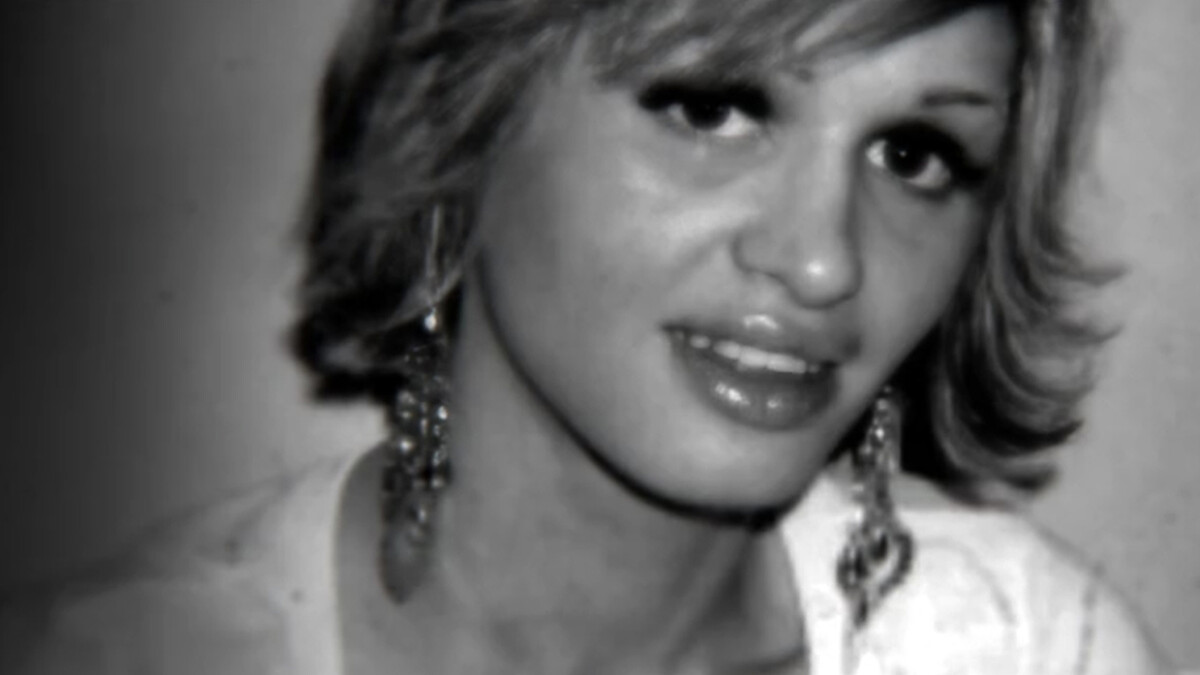
When Shannan Gilbert disappeared after a visit to a client’s home on Long Island, her mother found that the police were particularly dismissive of her concerns. Gilbert had been working as an escort at the time she went missing, and investigators assumed that she had willingly slipped away. After months of grassroots effort, Gilbert’s family convinced the police to search for her — and the remains of four different women were found. As those women’s identities were revealed, their families joined the fight for justice.
“What I saw was not a story of the downtrodden — what I saw was actually that these families had made a real impact through their love and actions for their mothers and sisters,” director Liz Garbus says of Lost Girls: An Unsolved American Mystery, the Robert Kolker book about the case that led to her 2020 drama film of the same name. When a suspect was finally arrested in 2023, it was the result of multiple elements falling into place — relentless advocacy as well as police department personnel changes that reinvigorated the investigation. “Thanks to a new regime in Suffolk County, we now have the answers the families were looking for for over a decade,” says Garbus. With Gone Girls, the director turns a documentarian’s gaze on the ongoing case of the Long Island serial killer, taking care to name and eulogize the women whose lives were lost — and, for too long, swept under the rug.