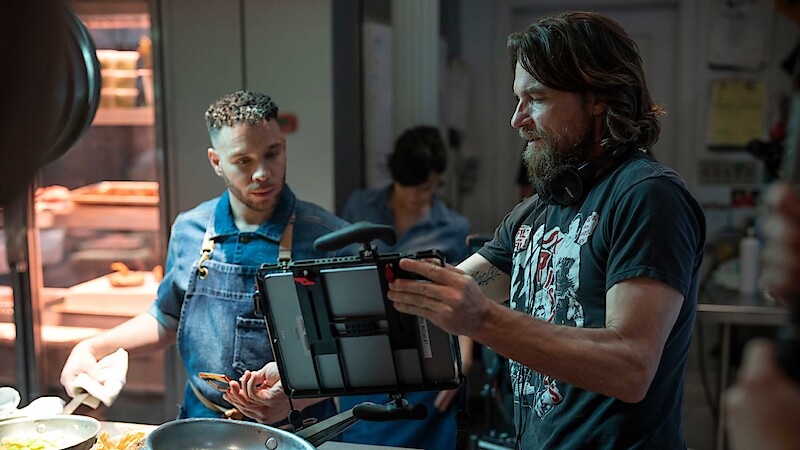
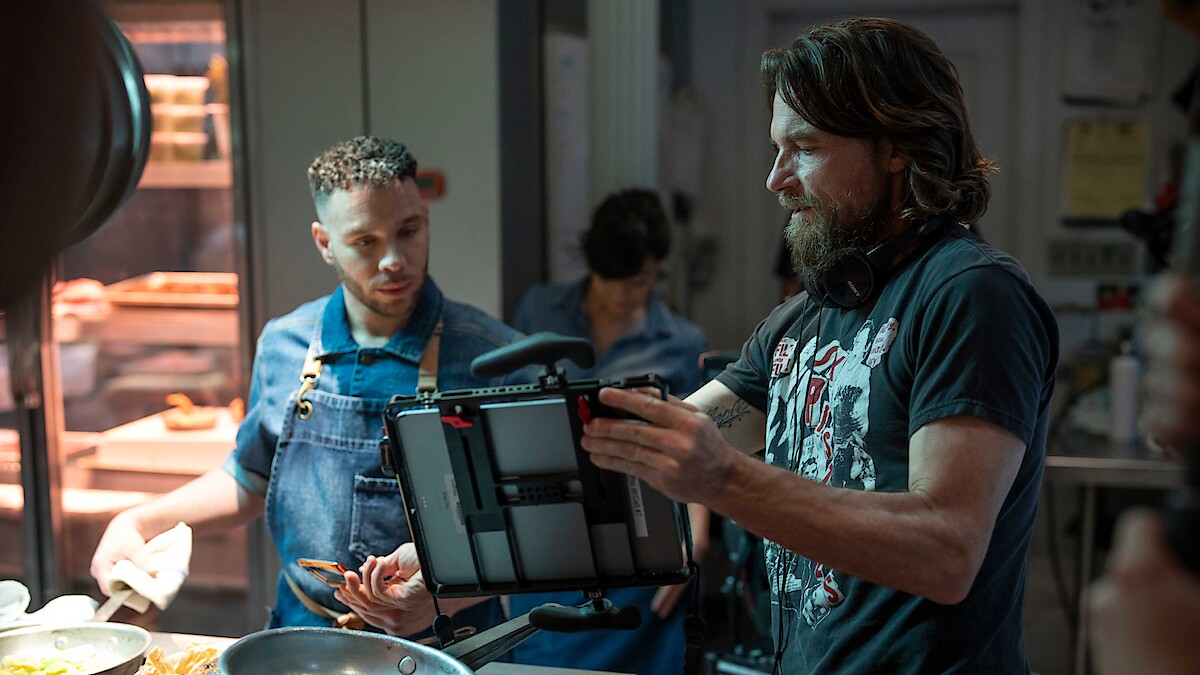
MICHELE K. SHORT/NETFLIX
Behind the Scenes
Jason Bateman Goes Behind the Lens
With the first two episodes of Black Rabbit, the actor takes the reins as director.
April 29, 2026
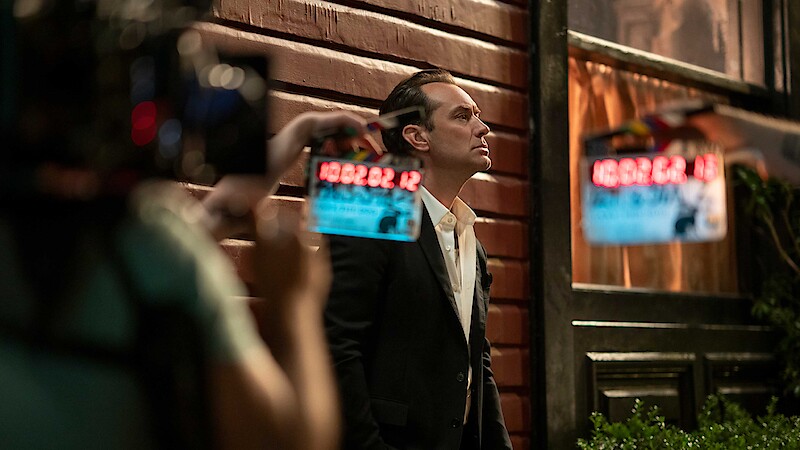
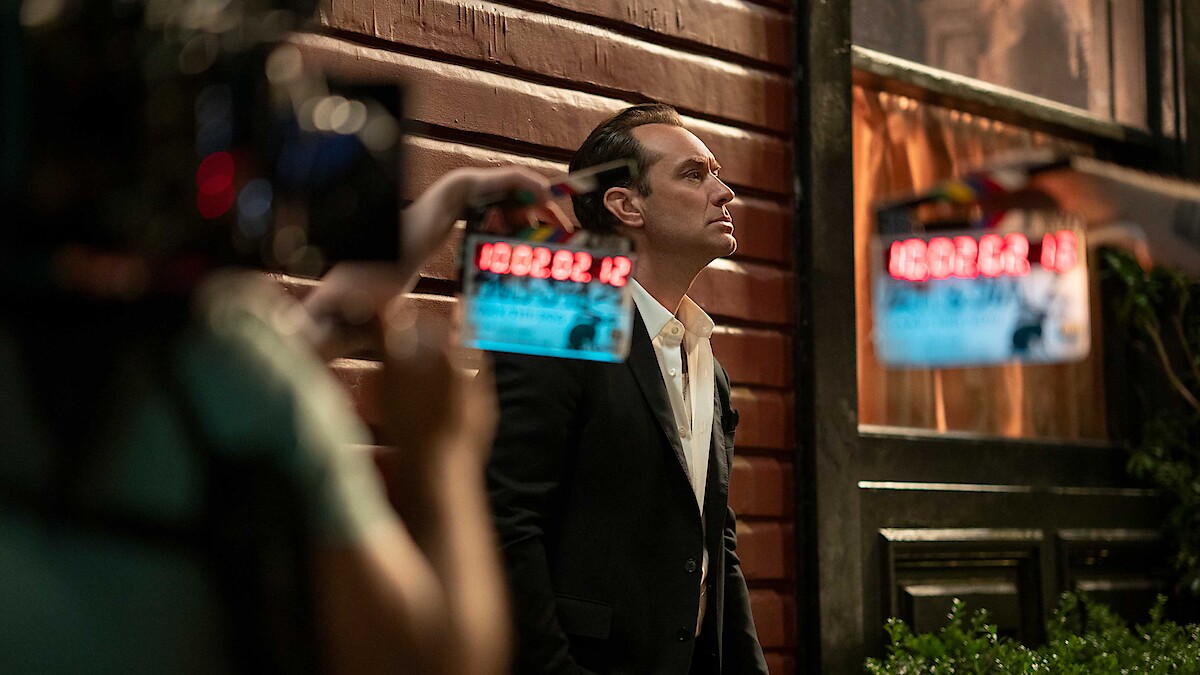
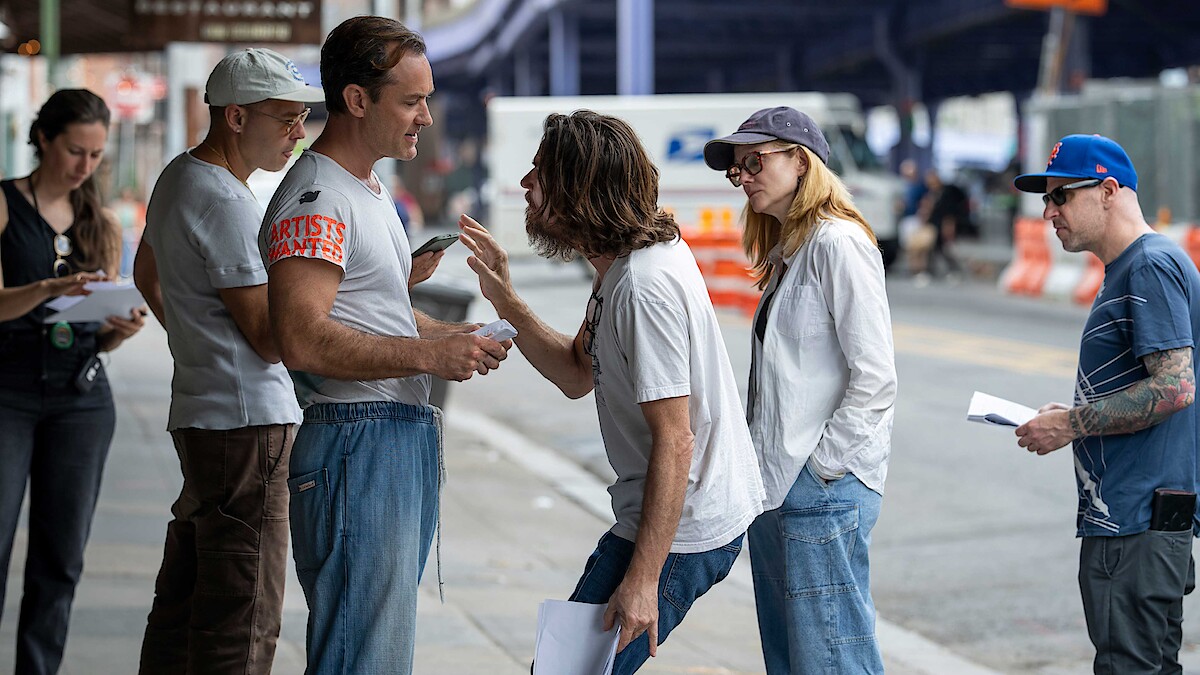
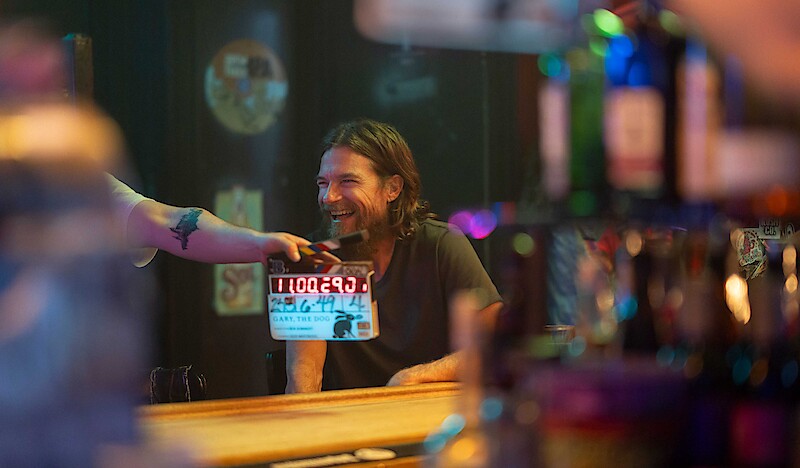
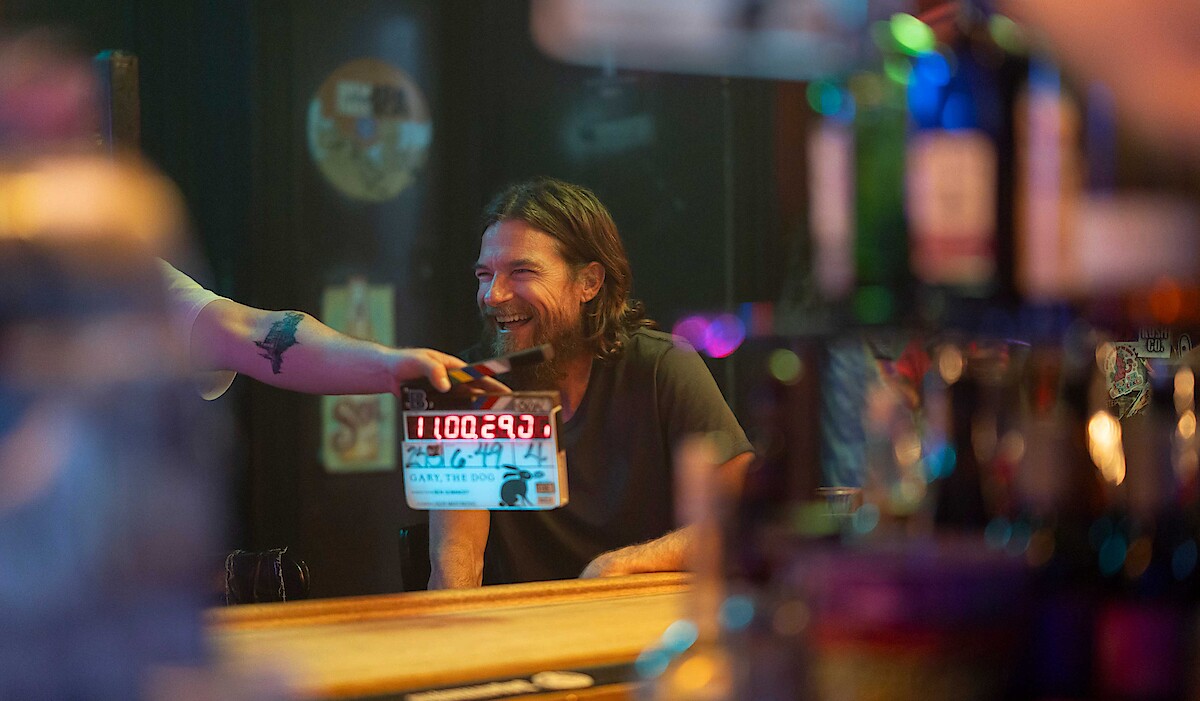
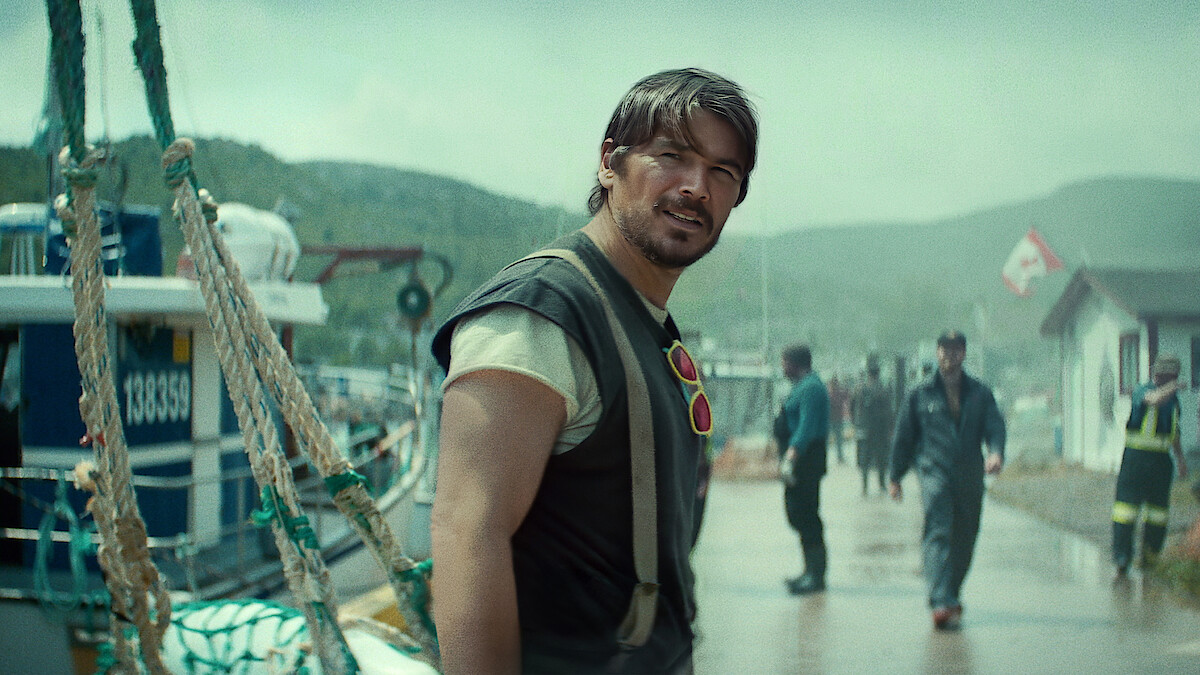
When you’re directing and starring in a series, it’s important to have a quick trick that helps you differentiate between the two sets of responsibilities. For Jason Bateman on Black Rabbit, in which he plays the chaotic yet charismatic Vince Friedken, as well as directing two episodes, a simple action allowed him to slip into his character’s shoes.
“Because I’d be directing, directing, directing, and then it’d be, ‘We got to go, let’s go, let’s roll,’ and I’d have to be Vince, the quick hack for me was just to separate my jaws,” Bateman says. “If you just open up your mouth a little bit, you’re Vince. He never has his lips together. He’s either talking or he’s mouth-breathing. That got me right in the slot. Most people are aware of not wanting to look like they’re in the middle of trying to figure something out, but Vince always is.”
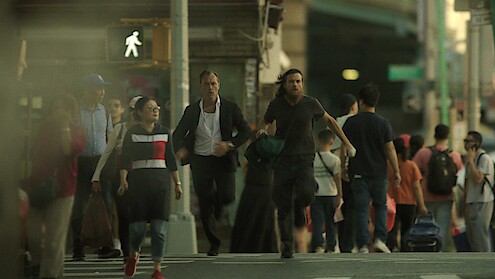
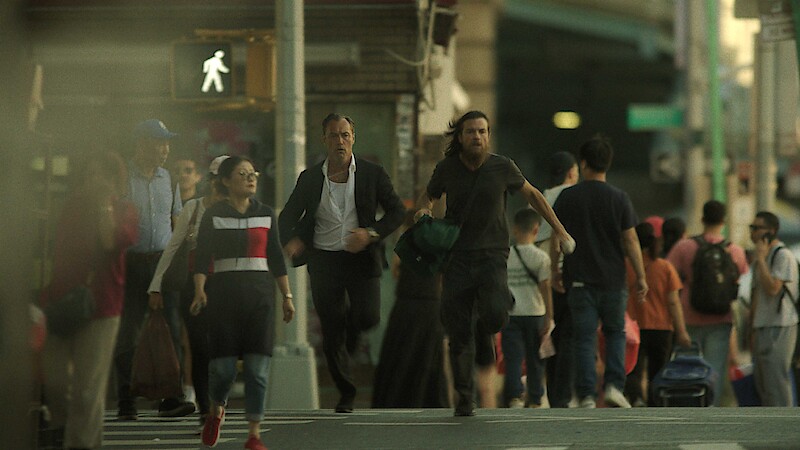
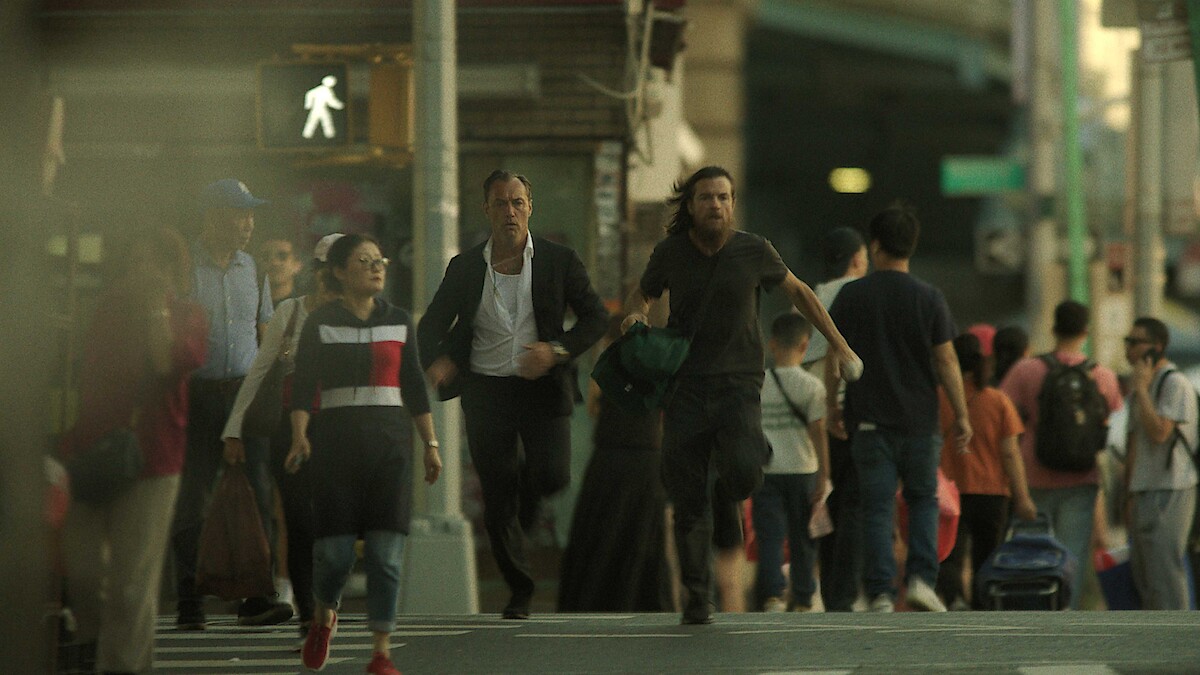
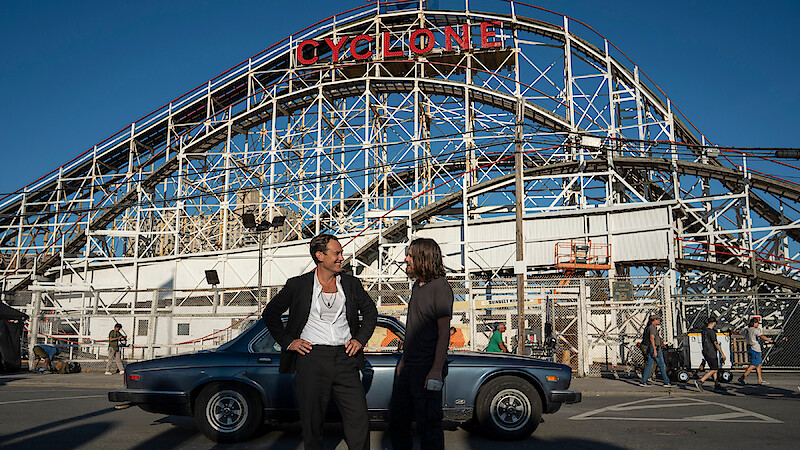
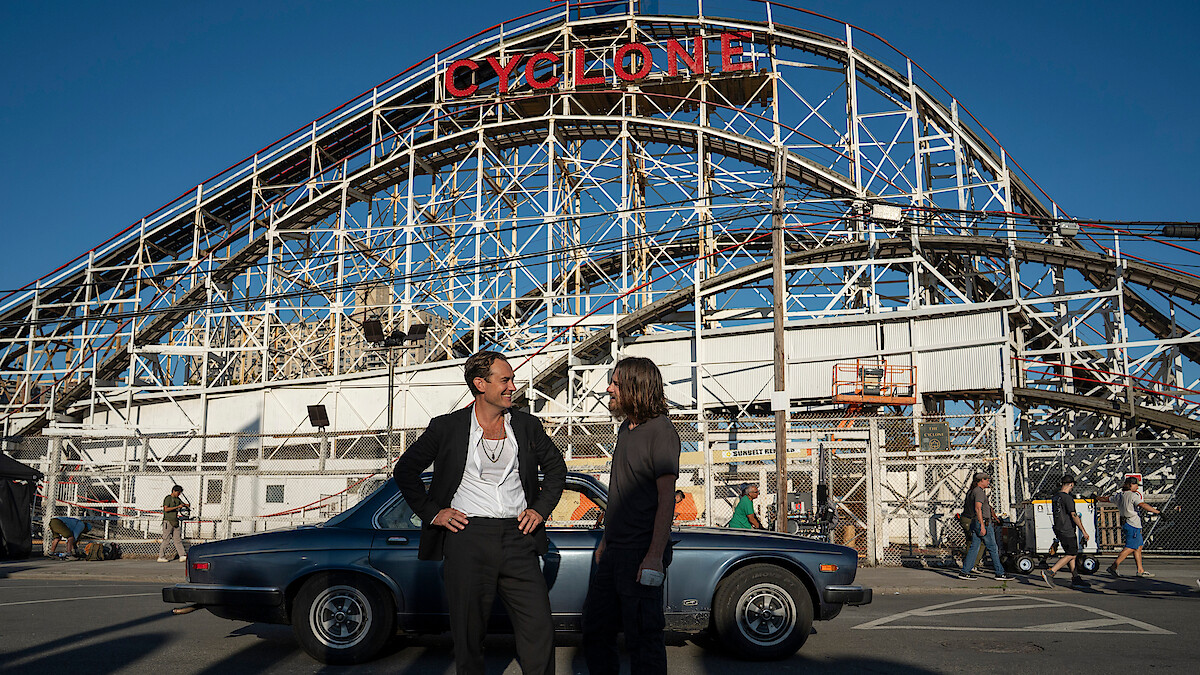
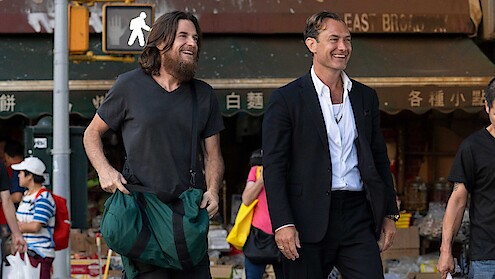
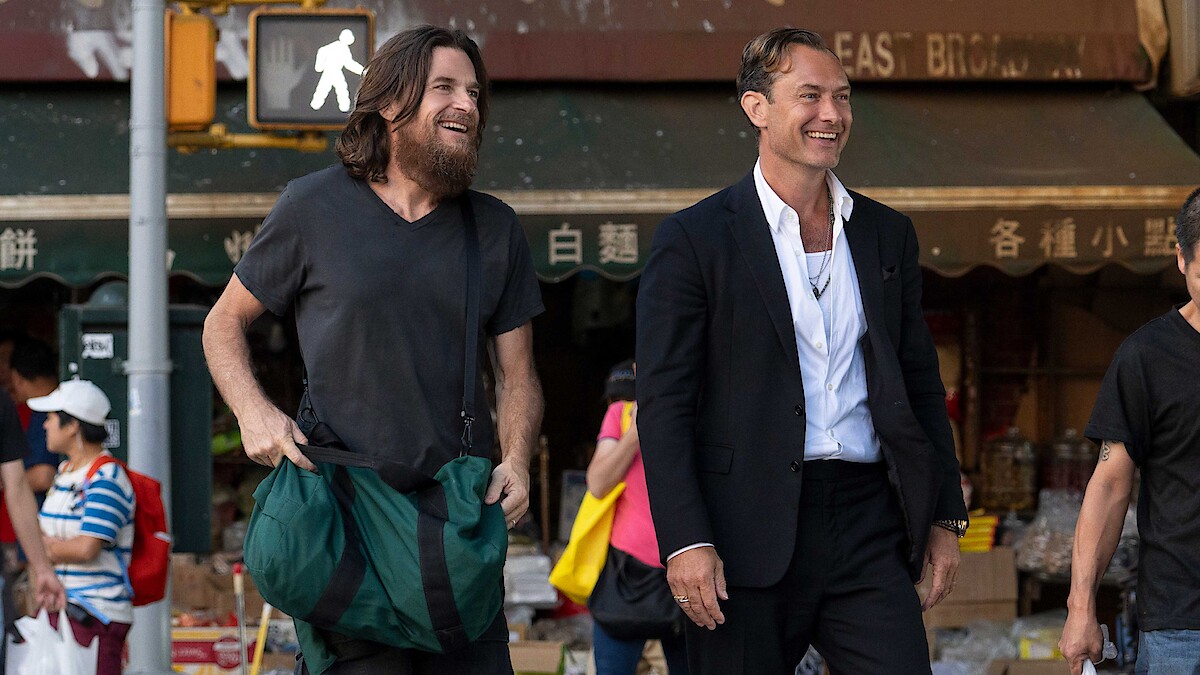
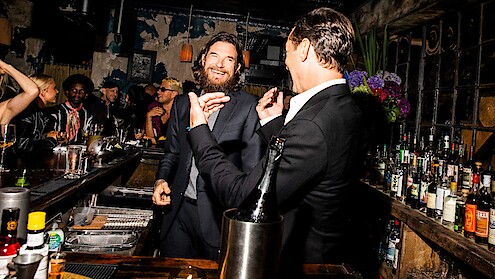
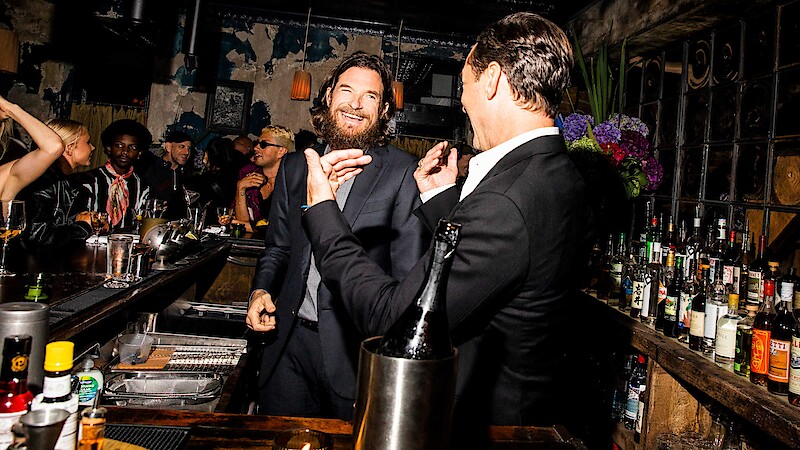
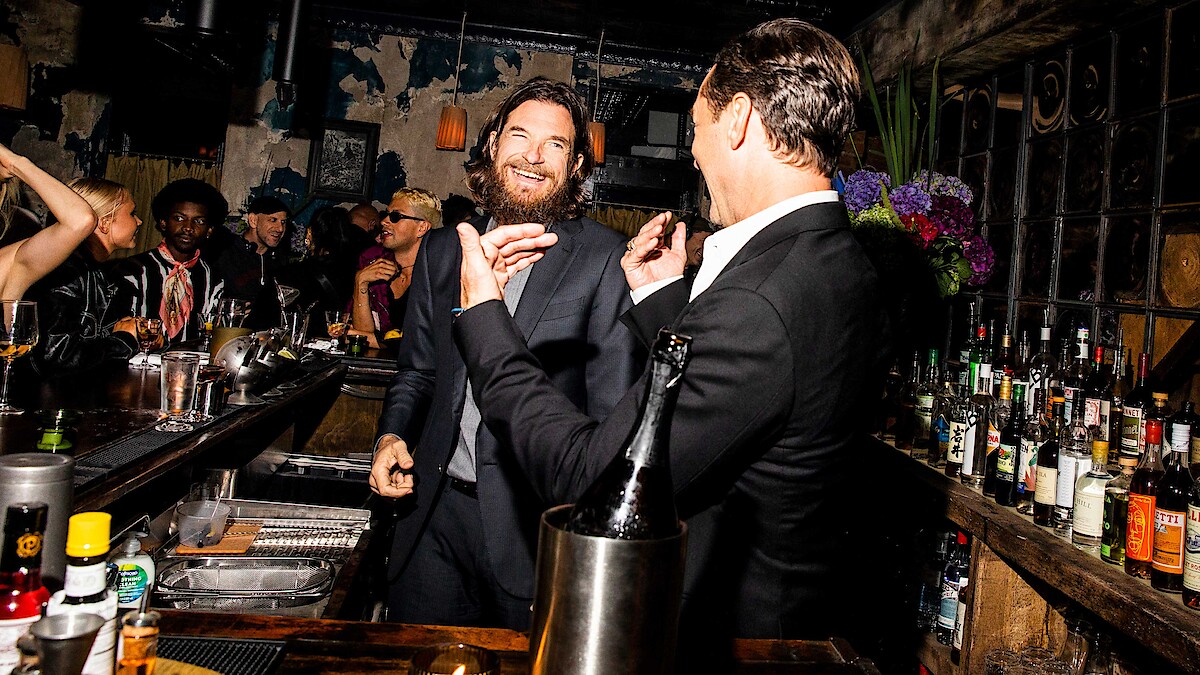
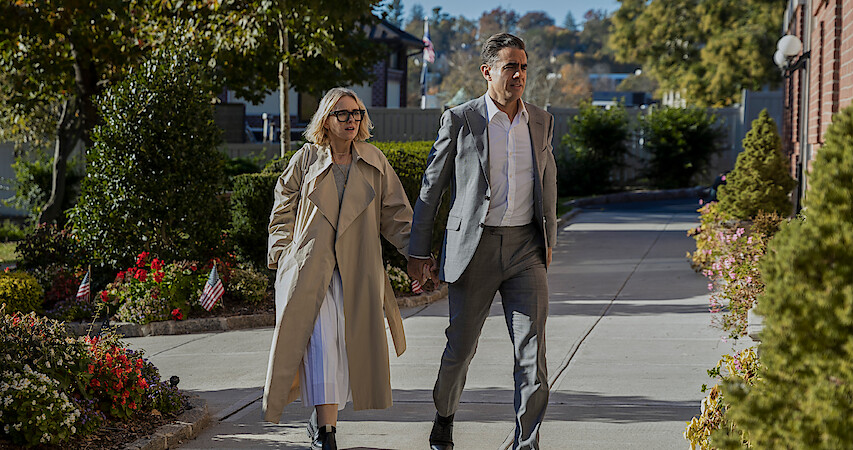
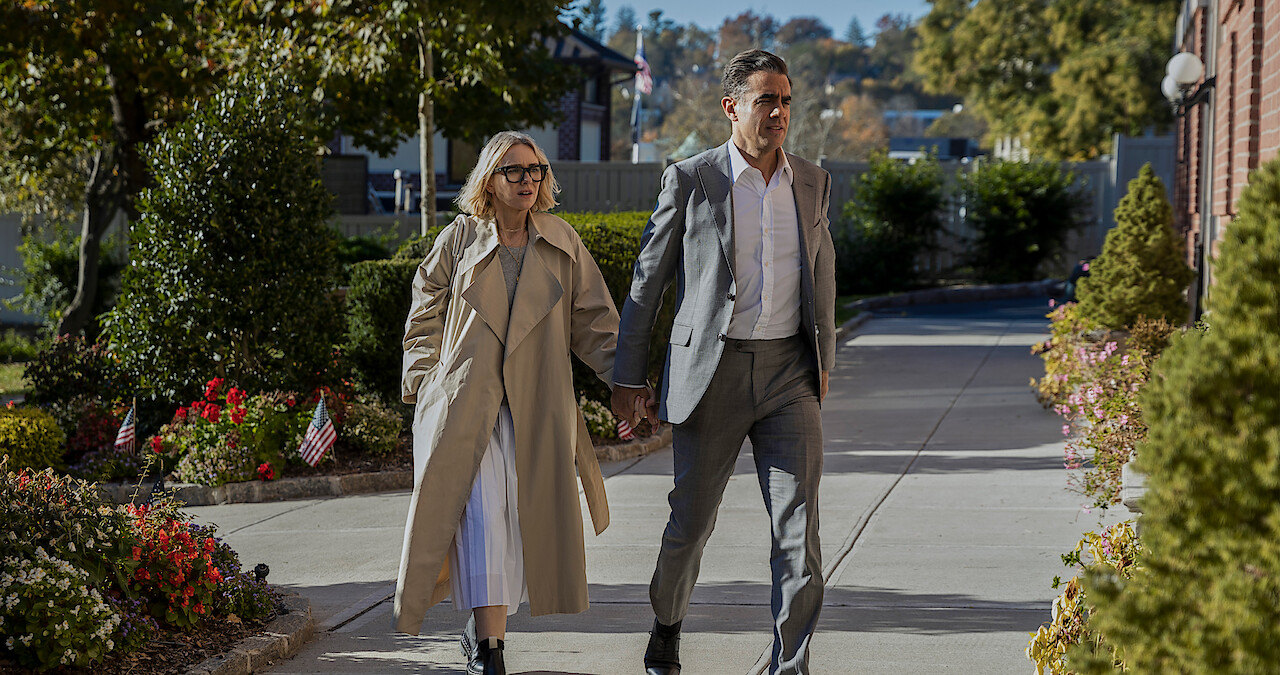
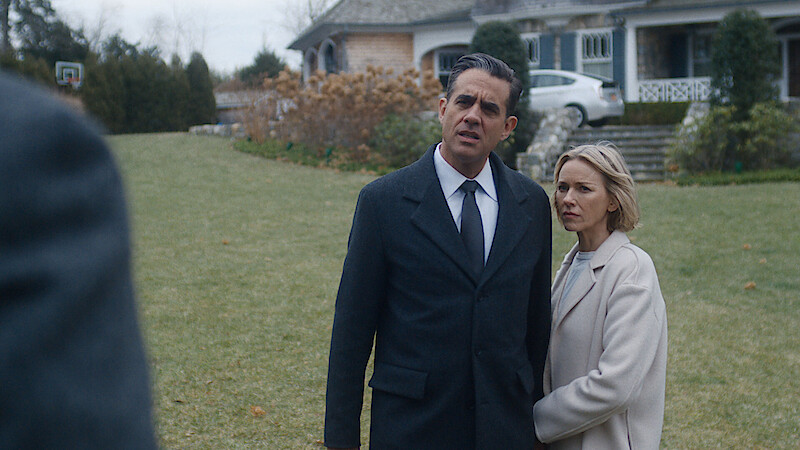
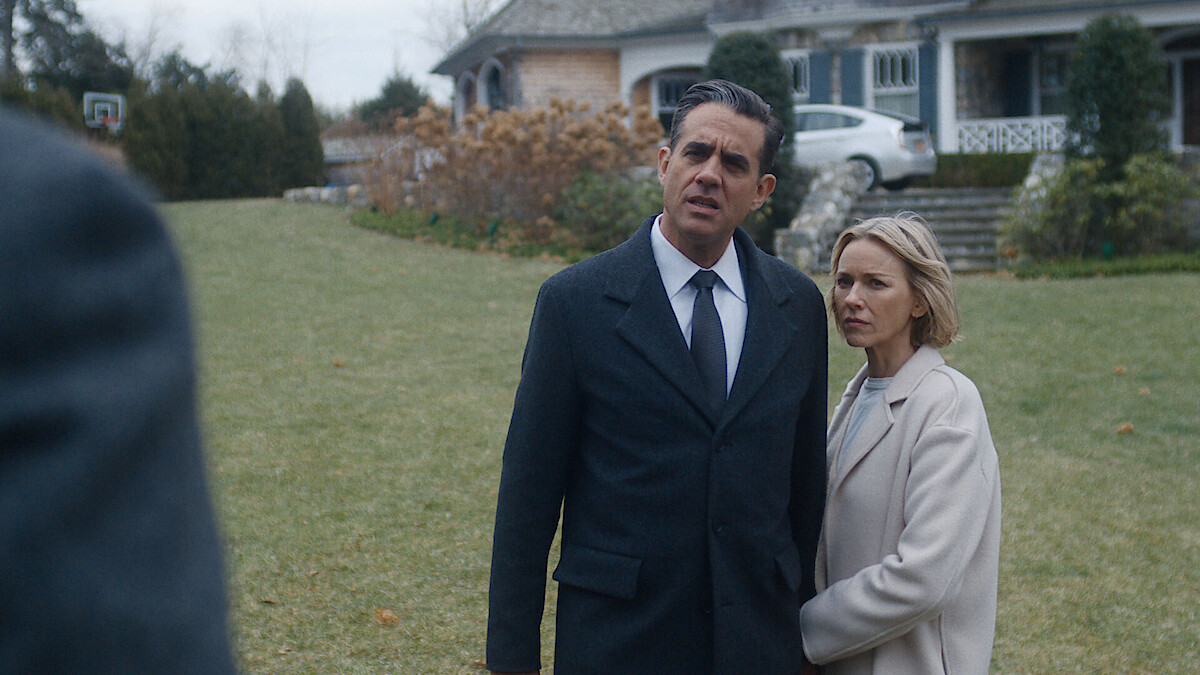
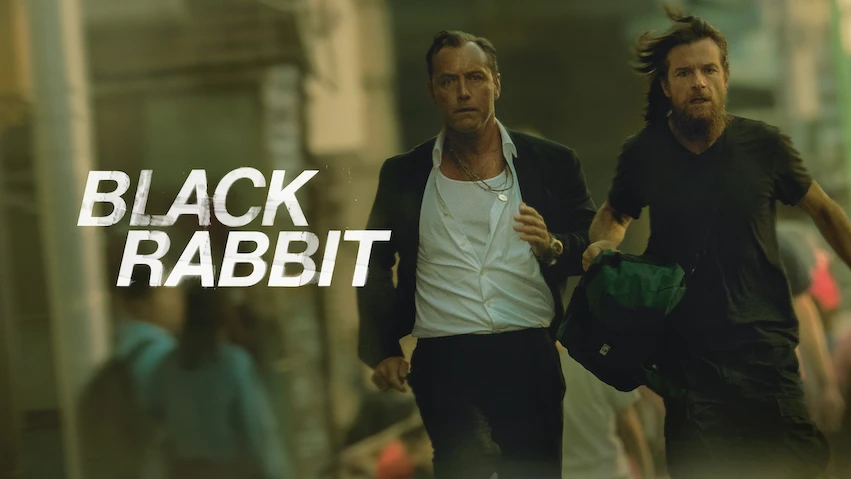
It’s a succinct — and accurate — description of Bateman’s character in the limited series from creators and executive producers Zach Baylin and Kate Susman. When we meet gambling addict Vince, he’s grappling with debt and heading back to New York City, in need of his brother Jake’s (Jude Law, who also executive produces) financial help. Soon enough, Vince has dragged Jake down into the depths of the city’s criminal underworld, as Vince tries to keep mobster debt collectors at bay, and Jake tries to keep his business, the up-and-coming Black Rabbit restaurant, afloat.
That character arc was appealing to Bateman, who was excited to play someone quite the opposite of his usual roles, but it was the prospect of directing a couple of episodes that really drew him in. “From the first two scripts I knew it was the kind of thing I really love to do directorially,” says Bateman, who won the Emmy Award for Outstanding Directing for a Drama Series for his work on Ozark in 2019. “It was moody and dangerous, but it wasn’t so out there and outrageous that folks at home watching can’t relate to it. It was tangible for us normal folks who like to stay out of jail! And Kate and Zach’s plan for the remaining six episodes was really cool. It was really tight, really propulsive, and I loved it.”
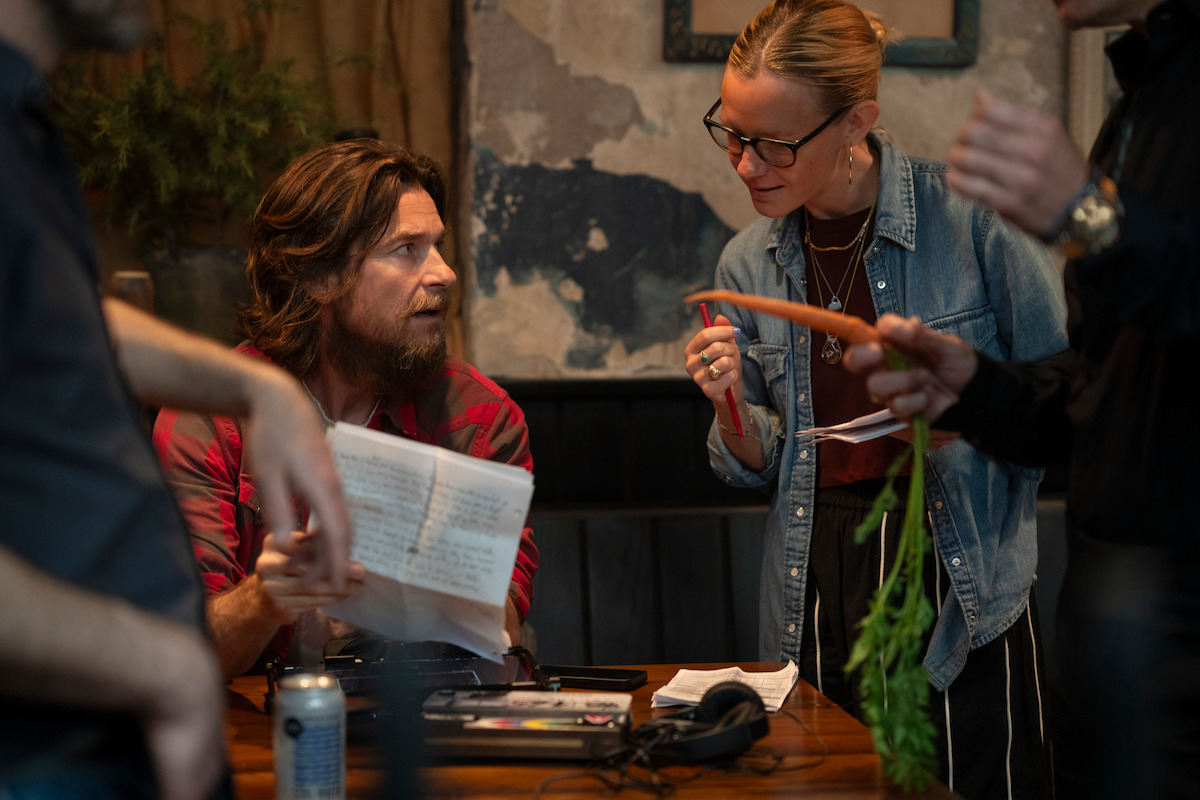
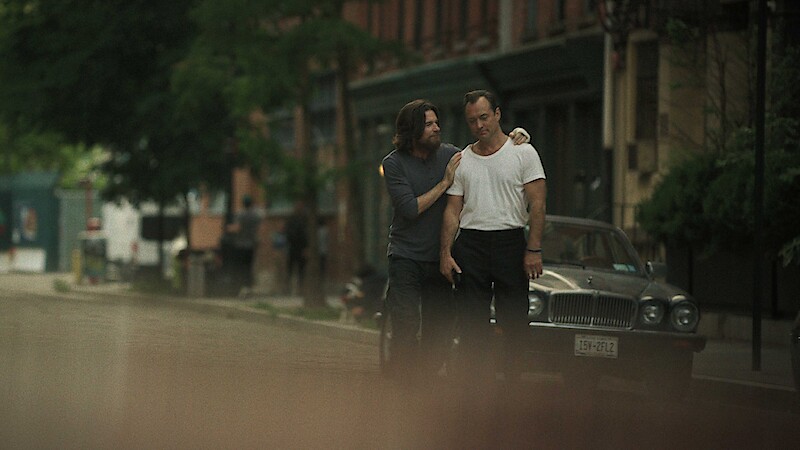
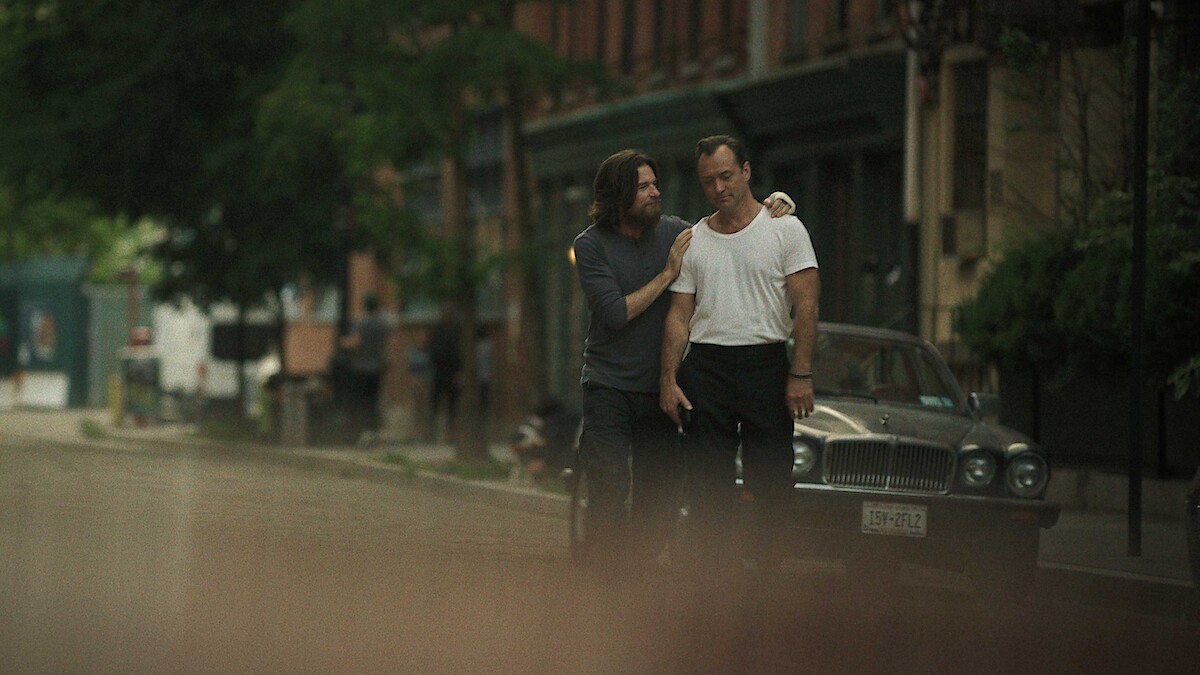
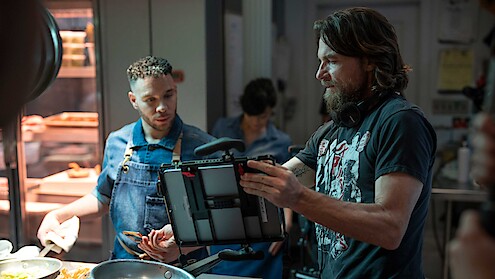
After sending Bateman the scripts, Baylin and Susman called him to discuss his involvement. “They basically wanted me to do what I did with Ozark, as far as acting and directing and executive producing — kind of overseeing the whole thing and hiring the other directors and shaping one eight-hour thing.” Bateman got right to work, exploring the environment, mood, and aesthetic of the story and asking himself how those elements could merge with his directorial style. “There was a lot of grit to this, which I really like, a lot of danger and unsettling moments and conflict,” he says.
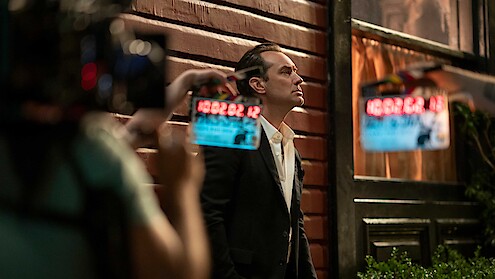
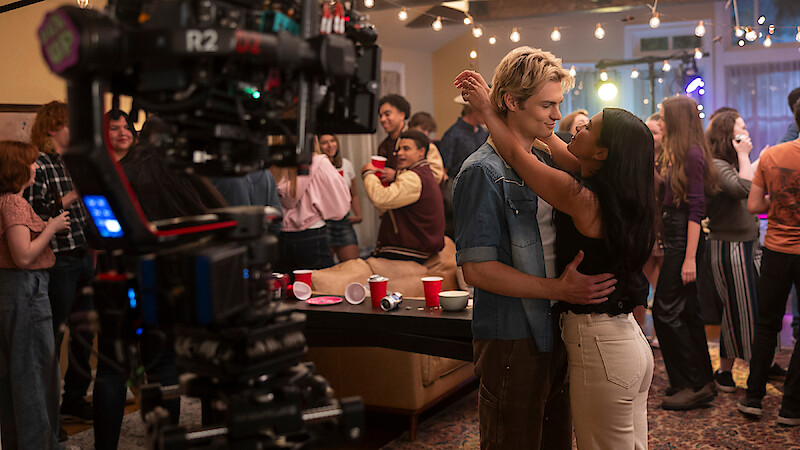
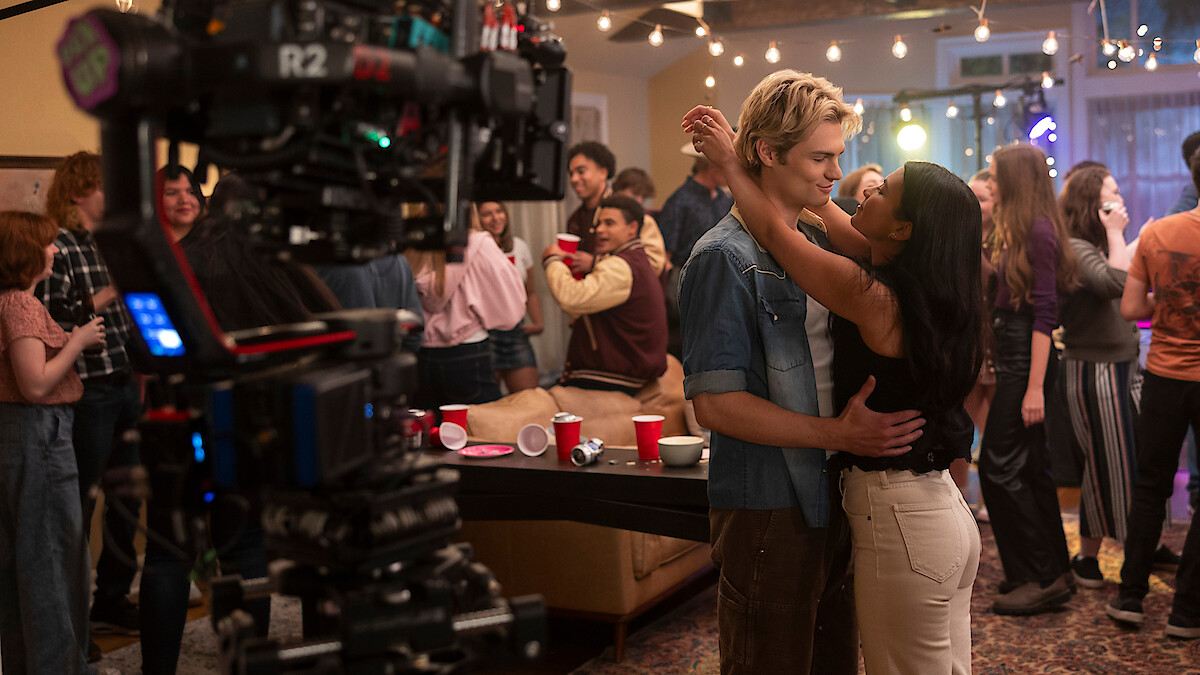
While the actor-director might have mastered his transformation into Vince with a quick slackening of the jaw, gearing himself up to take on the role of director of Episodes 1 and 2 was more labor-intensive. “It’s a ton of work, directing something,” he says. “I’m not taking anything away from actors, but you are, for the most part, waiting in your trailer until the director’s done doing their work and the rest of the crew has set up the shot. You only work like 15 minutes an hour as an actor.”
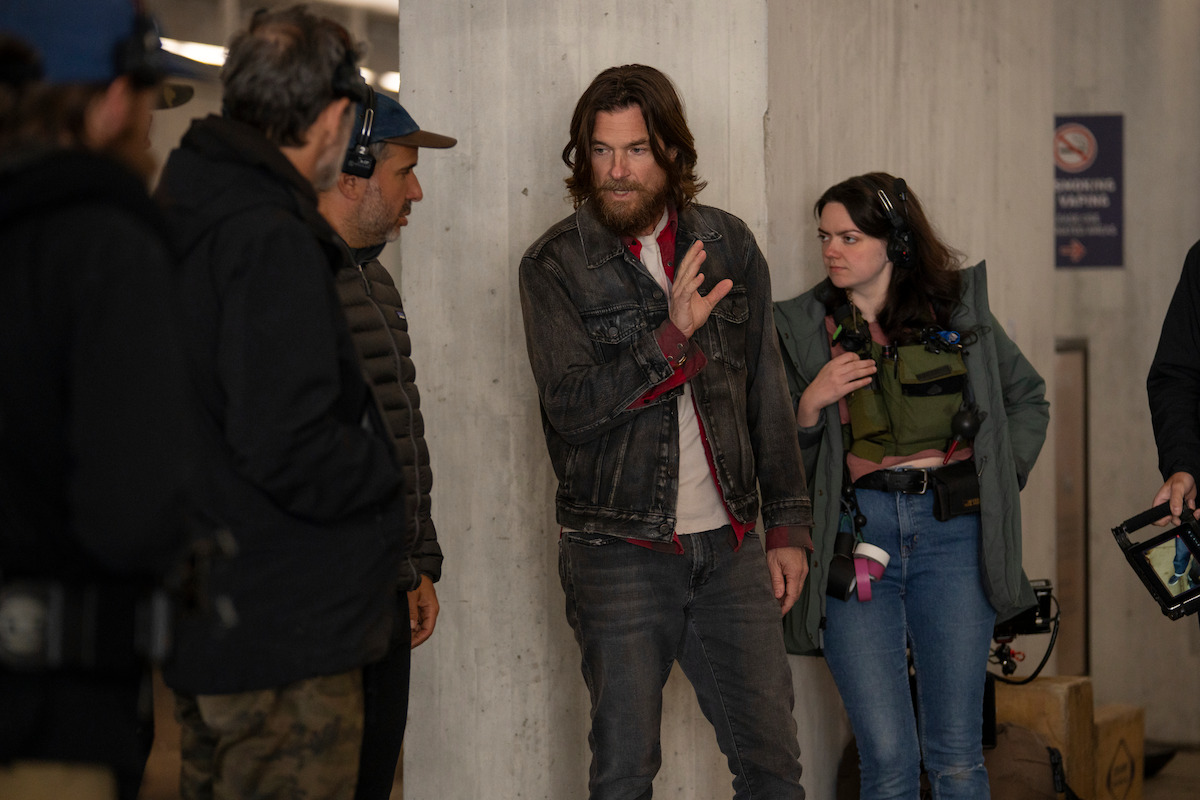
Bateman approached his two-episode directorial arc with a simple philosophy. “It’s all about the inevitability of tomorrow,” he says. “The sun is going to rise, and you don’t really have any say in that. So how would you like tomorrow to go? Do you have that big test that you’ve got to take at school tomorrow? Well, do you want to wake up and have that sour anxiety feeling in your stomach? No. Well then, study really hard the night before and know how to nail that test so when you wake up in the morning, you’re excited to get to school.”
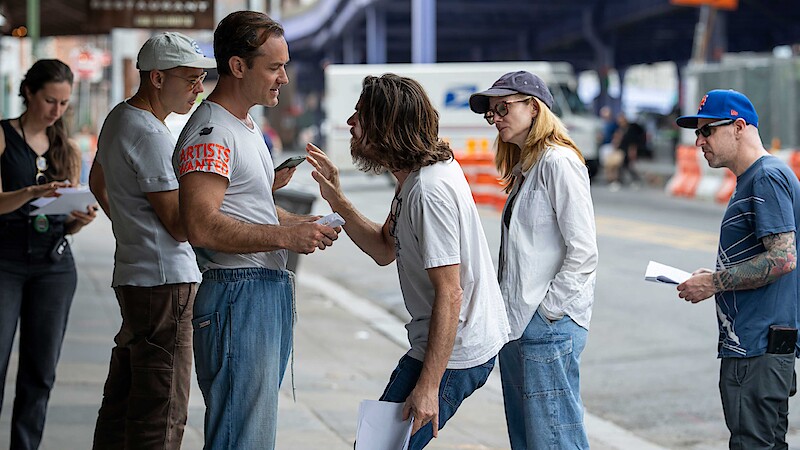
Applying that mindset to directing meant collaborating with the crew “so the day is done before you even get there,” says Bateman. “Now we just need to execute what we’ve already planned.” Being underprepared for the day, Bateman says, leads to a prickly mood on set. “That was always a good lesson for me, to make sure I got my room clean before I got there. It’s a really privileged place to be in when you’re dealing with a group of people who are incredibly skilled and work incredibly hard. The least you can do is [to] have done your homework, have a point of view, and be in whatever disposition you need to be to be a sincere collaborator.”
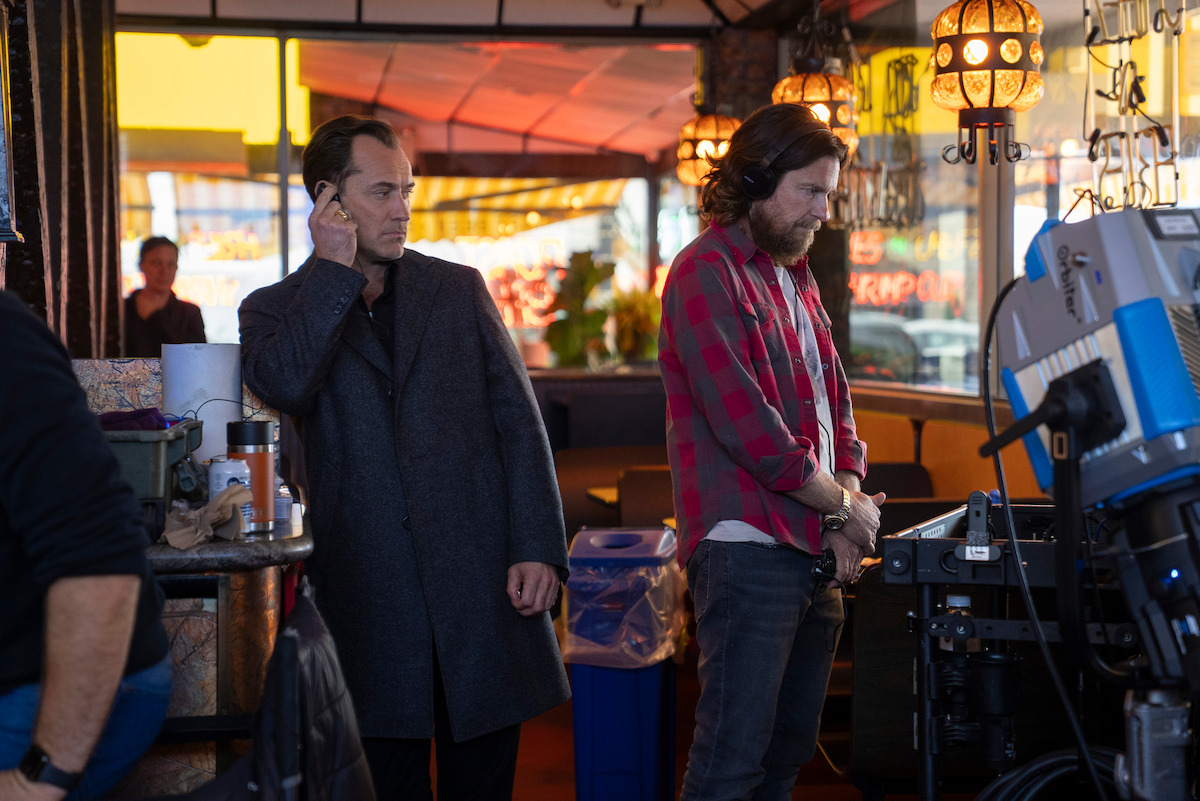
The end result is an equal part electric and anxiety-inducing series that Bateman is “really, really proud” to be a part of. “I think it might be the best thing I’ve done as an actor, director, producer, but a lot of that has to do with everyone else working on it,” he says. “We’re not painting, it’s not golf, it’s not tennis. This isn’t a single-player sport. Your success is based on the people you do it with. The reason this is so good is because there were so many good people on this, doing great work.”
On the heels of Black Rabbit’s success, will Bateman be throwing himself into more directing projects? “One day, I think when [my younger daughter] Maple goes to college, then I’ll take on directing because there's just no coming home on the weekends when you do that,” he says. “This oversight position [on Black Rabbit] is the next best thing: trying to keep continuity through all episodes and the editing room, talking with composers, and even just the marketing too. I really enjoy that level of immersion and responsibility. It is sort of a masochistic amount of work and involvement, but I have addiction issues, so I’ve got to point them somewhere.”