Explainer
Source Material Check: ‘The Power of the Dog,’ from Page to Screen
How Jane Campion tackled the seminal Thomas Savage text.
Dec. 15, 2021
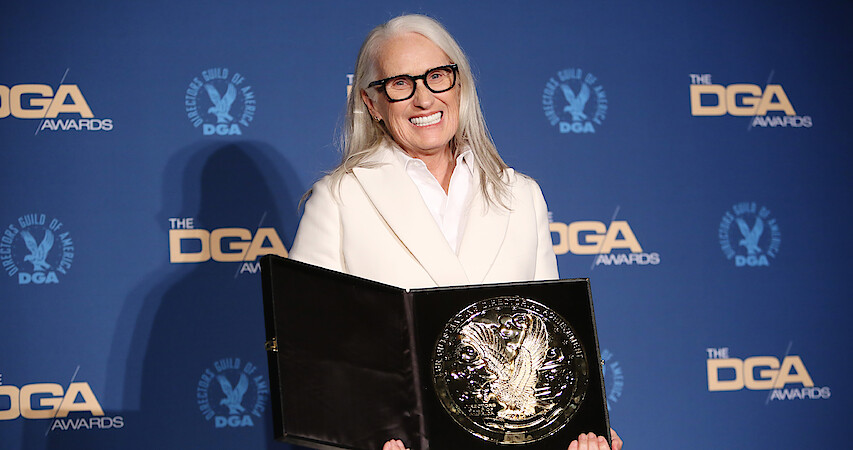
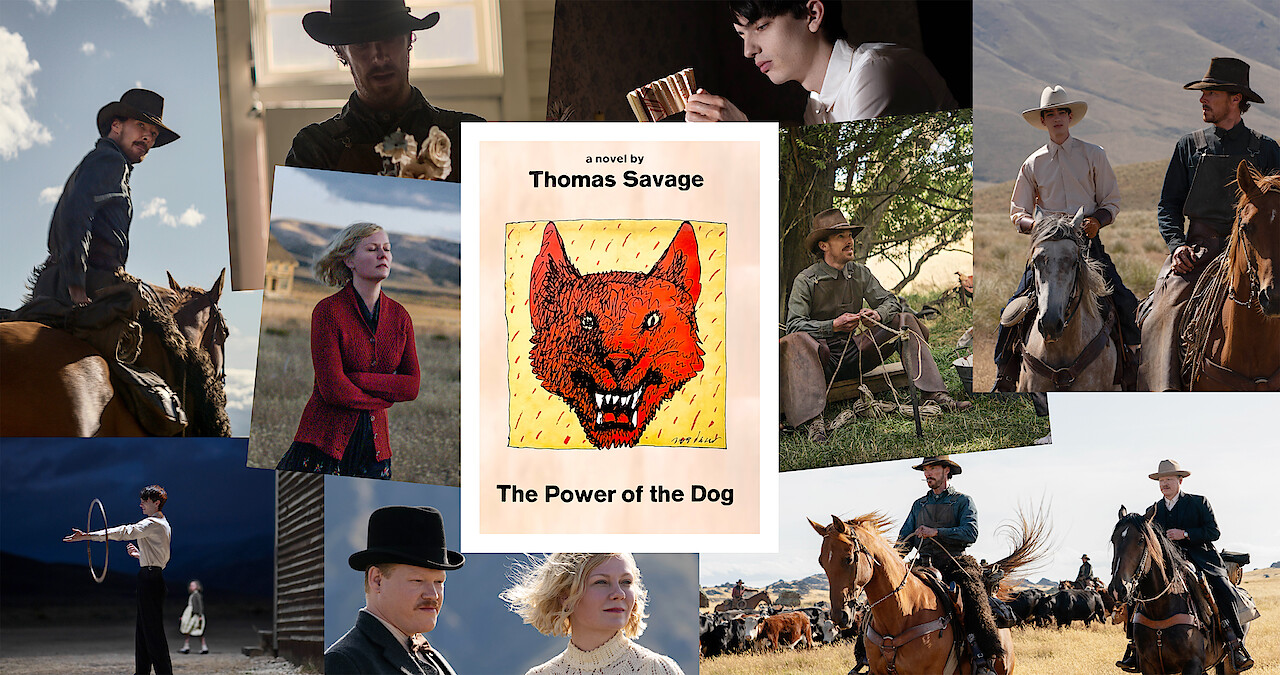
In The Power of the Dog, writer and director Jane Campion makes an uncommonly loyal adaptation of the 1967 Thomas Savage novel. What is elaborate and explicit on the page is often conveyed on screen with a simple look exchanged between two actors, capturing all of the emotional intensity from the novel without using its words.
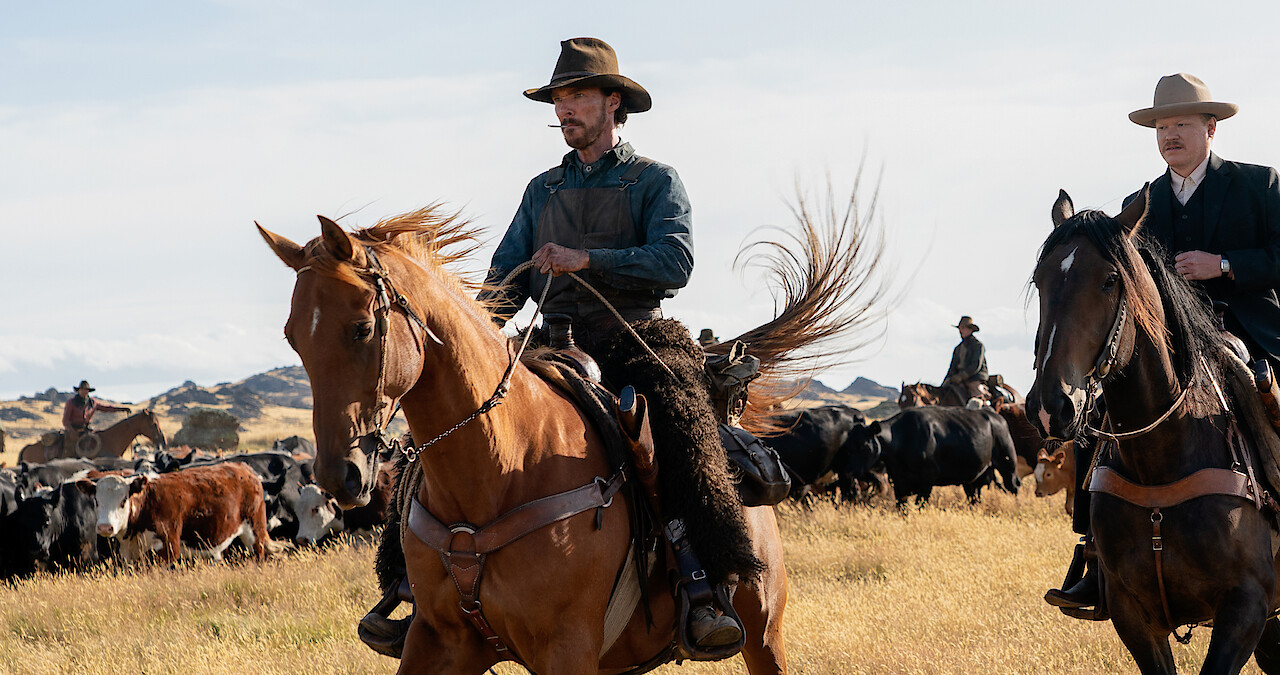
Of course, no adaptation is perfect. Significant moments, characters and dialogue from Savage’s novel are changed, shortened, or excised entirely in the interest of time or story. Take George (played by Jesse Plemons in the film). His history is never made explicit in the movie, but Savage’s novel fills in the cracks of the character’s soft-spoken personality.
In the book, we learn about his history attending the same school as Phil (Benedict Cumberbatch), following in his brother’s heavy footsteps. The film leaves out the story of a young Phil, the wealthiest man on campus, being pursued by multiple fraternities who want the publicity of his presence. Phil, true to form, snubs them, accusing them of only associating with him for his money. When George heads to school at the same college, he sits in his room waiting for hours for any of the fraternities to call on him. None of them do. Phil later confronts George about his disintegrating grades, telling him he “ain’t got the equipment for this so-called higher education.” It’s a scene that demonstrates the full negative influence Phil has on George’s well-being. He flunks out of school at the end of the semester.
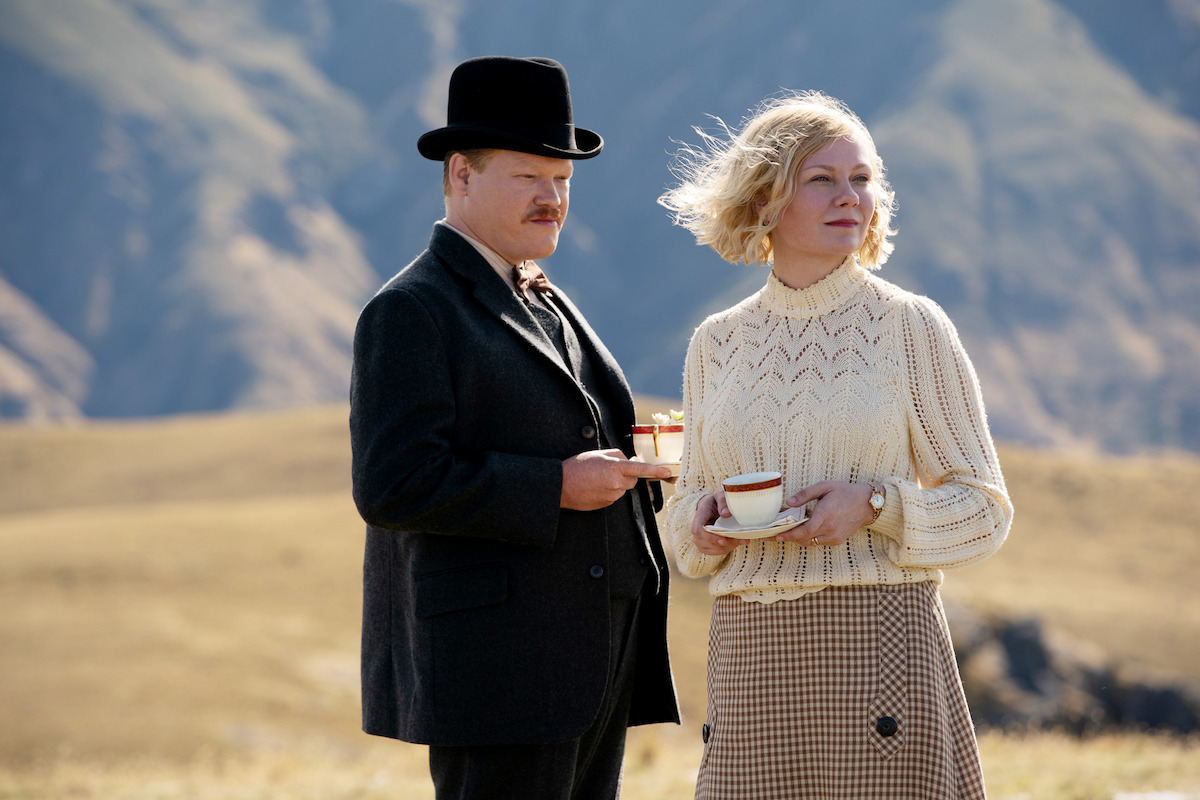
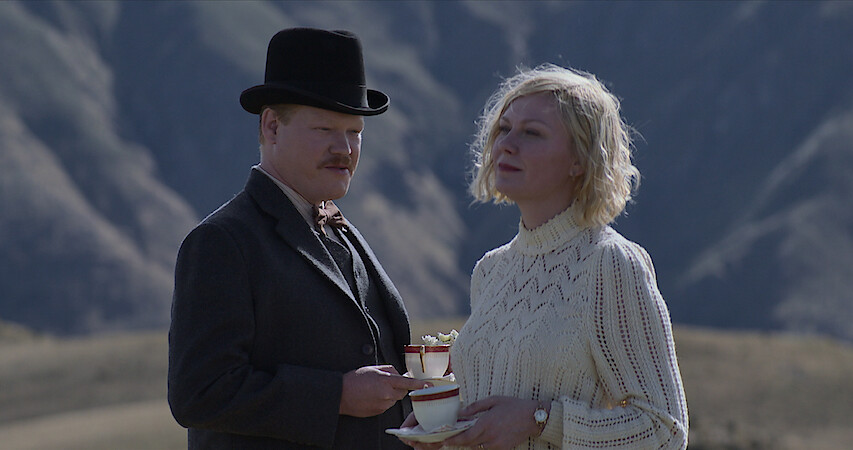
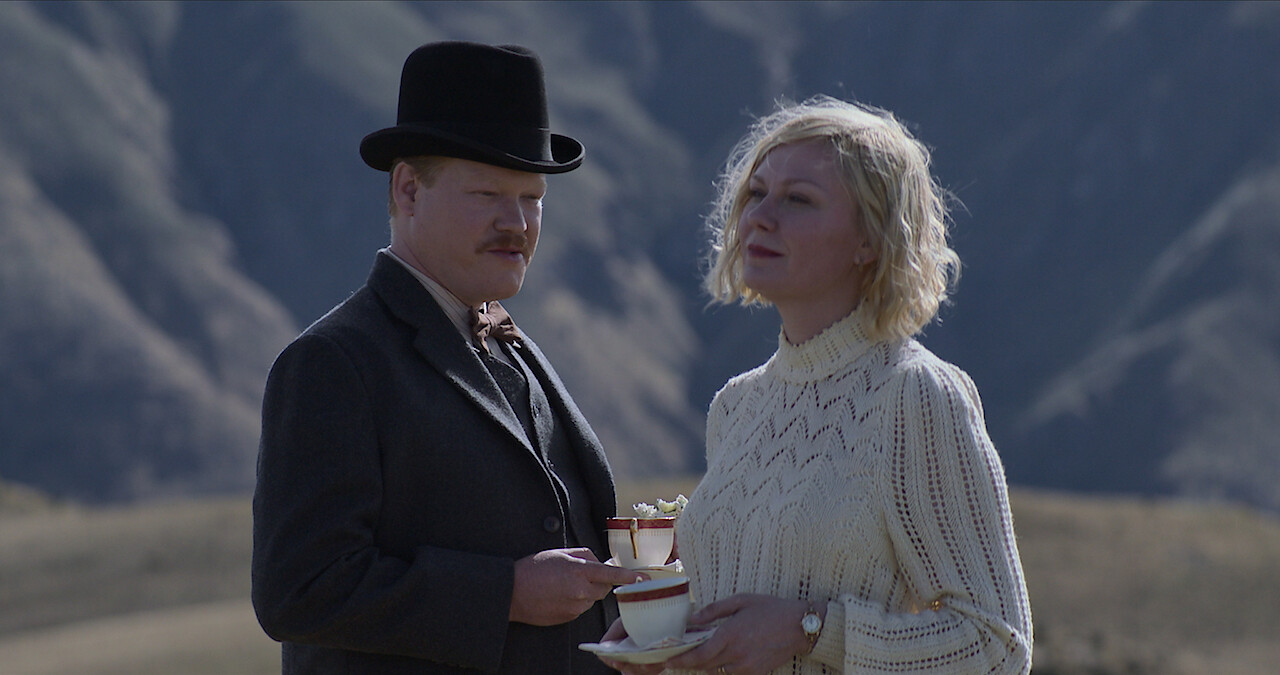
The film makes it subtly clear that George has spent his entire life bearing the full brunt of Phil’s cruelty. Plemons plays one of these moments beautifully on screen, conveying a lifetime of pain with just a few words and one single tear. As his new wife Rose (Kirsten Dunst) teaches him to dance at a roadside picnic, he pulls away from her and strides off. “I was just going to say, how nice it is not to be alone,” he says. This line and the picnic come straight from the book but the dance is not. It’s a directorial choice that shows us the idyllic life George is trying to escape to, just before Phil begins to squeeze it away from him yet again.
The novel is able to give us a clearer understanding of Phil and his motivations, from his dislike for young cowboys — “all playacting, like they saw in the moving pictures” — to his disdain for alcohol — “One reason he hated booze, he was afraid of it, afraid of what he might tell.” When Phil decides to take Peter under his wing, the book gives us his full thought process, tying it directly to the twisted crusade he undertakes against Rose: “Wouldn’t it just be interesting as hell if Phil could wean the boy away from his mama? Wouldn’t it now?” Savage writes. “Why, the kid would jump at the chance for friendship, a friendship with a man. And the woman — the woman, feeling deserted would depend more and more on the sauce, the old booze,” while the film communicates these intentions with a single chilling look shared between Cumberbatch and Dunst.
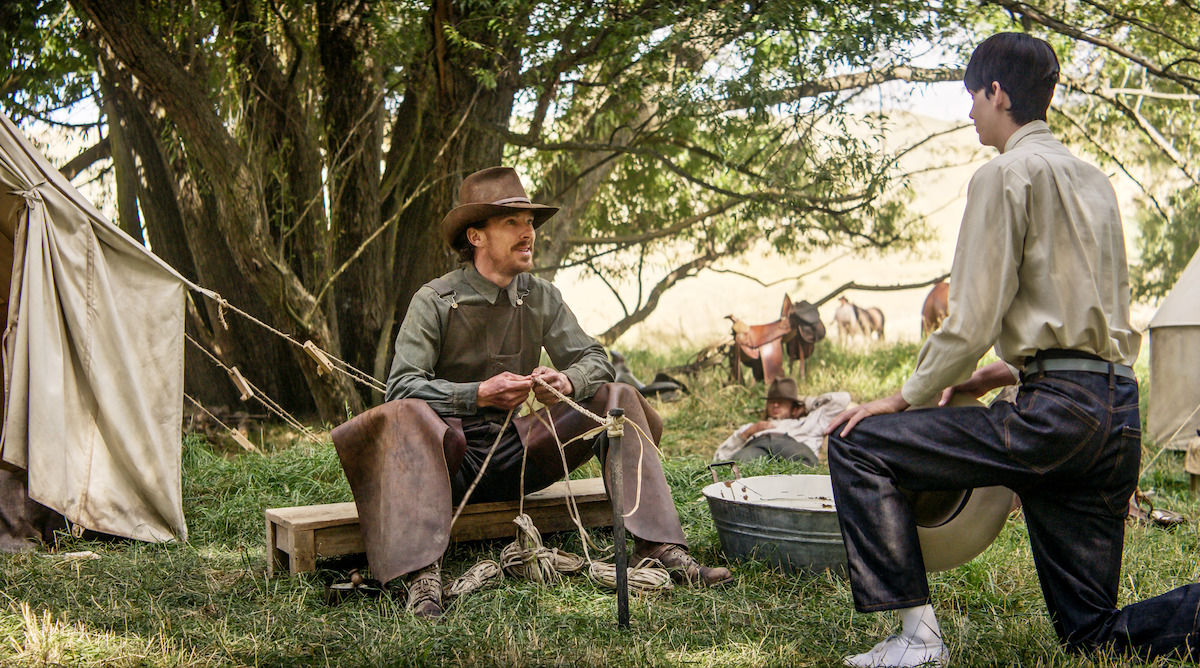
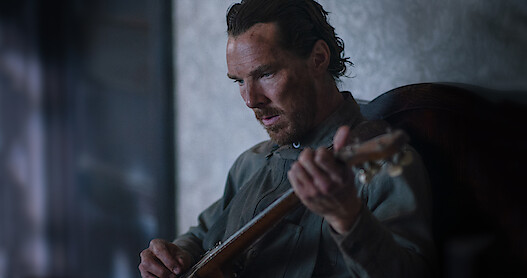
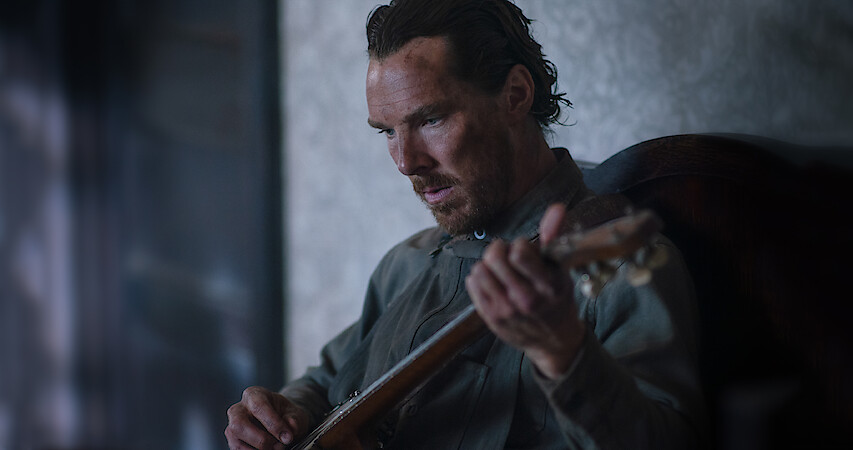
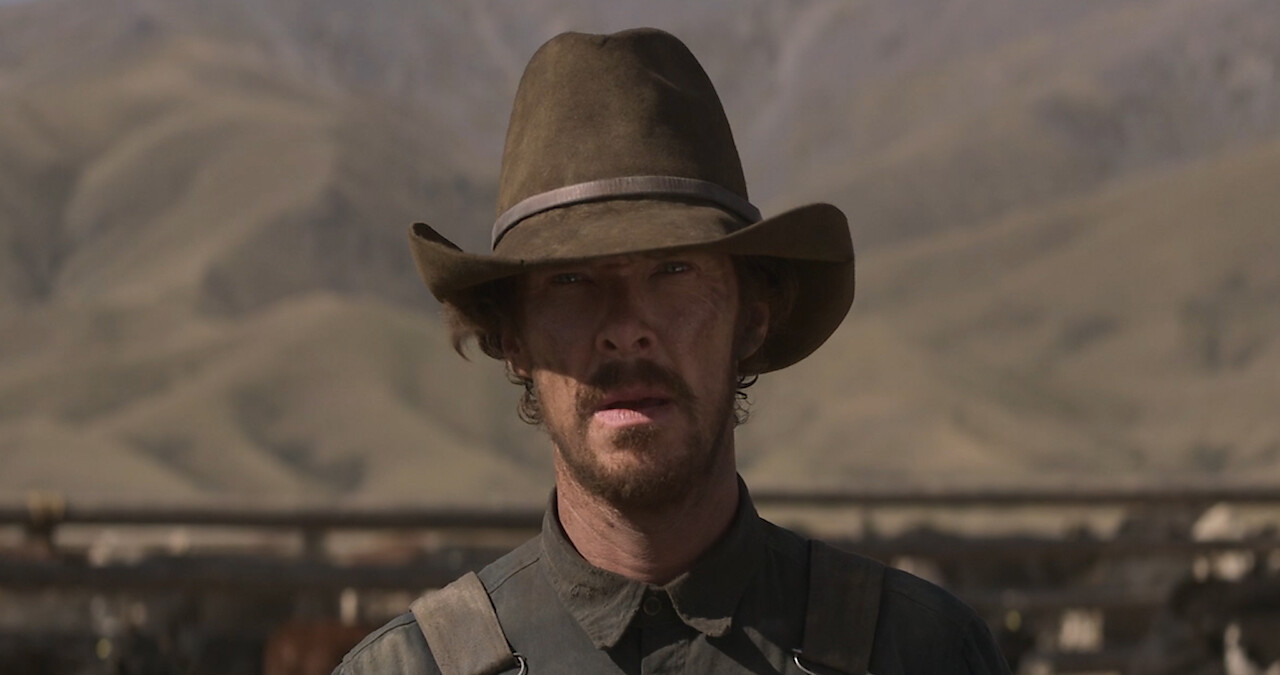
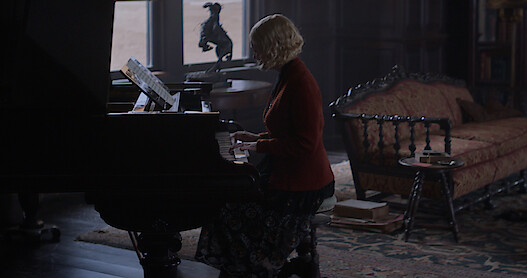
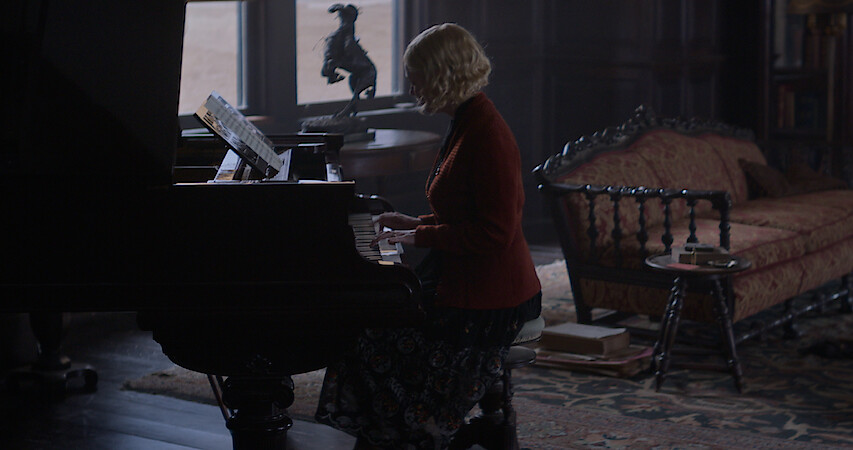
Even without the novel’s glimpses into his motivations, Cumberbatch lends Phil a lupine air in the film, stalking Rose around the enormous ranch like a leather-clad slasher villain. When she sits down at a new piano to practice, he saunters into the house, spurs jangling, and mocks her on his banjo from up the stairs. In one sequence invented for the film, Rose, driven to drink by her brother-in-law’s vicious cruelty, lunges into a pile of garbage to find a hidden bottle of liquor. Phil taunts her from a room above like the voice of god, whistling the song she struggled to play at the piano days earlier. Dunst plays the scene like a mouse caught in a trap; she cowers against the wall of the barn with her liquor while Cumberbatch looms above her like a cat waiting to pounce. It’s a small scene that sticks with you, effectively and wordlessly communicating the dynamic that the novel spends so many pages developing.
On both page and screen, Phil is an almost supernatural figure, single-handedly derailing his brother and sister-in-law’s self-image in favor of his own perceptions of them. Savage drives that point home even further than the film does, musing in his narration, “How does one man, how does one man get the power to make the rest see in themselves what he sees in them? Where does he get the authority?” Indeed, in the novel, Phil’s haunting of Rose and Peter’s family seems nearly predestined; in an anecdote not in the film, we learn early on that Peter’s father Johnny was himself driven to alcoholism and then suicide only a few months after his own encounter with the callous rancher’s sharp tongue at a local saloon.
In the text, before he commits suicide, Johnny visits Peter and tells him something paraphrased in the film: “To be kind is to try to remove obstacles in the way of those who love or need you.” He also offers a warning, asking Peter to remember to be kind, because Johnny fears his son’s strength could harden into cruelty. Peter takes the words to heart, watching as Phil beats his mother down into a shell of her former self. When the time comes, he takes matters into his own hands and poisons Phil with anthrax, removing the obstacle Phil poses to his mother’s happiness.
It’s a morally ambiguous choice on the part of Savage, one that unites Peter’s strength with the kindness his father begged him always to practice. The film adds a sad coda that makes the almost bittersweet taste of the novel’s ending even more overwhelming: Phil, deathly ill, stumbles through the ranch looking for Peter just before he dies. Peter has removed his mother’s obstacle, and, perhaps in doing so, he has lost something of himself.
While it’s not a slavishly faithful retelling, Campion’s The Power of the Dog carefully follows the spirit of the novel, even when it departs from the letter. Nearly every scene in the book is there in the film, but Campion’s screenplay turns large chunks of backstory into brief yet powerful moments on screen, molding Savage’s sprawling and digressive narrative into a lean and efficient piece of filmmaking. The book, a gorgeous piece of writing in its own right, is able to serve as a valuable source of context for Campion — a rich trove of memory, psychological depth and metaphor that she develops into the stuff of haunting and insightful cinema.