Jackson Lee Davis/Netflix
Explainer
A Short, Swampy History of the Florida Man Meme
Here’s how the viral meme inspired the new series Florida Man.
March 5, 2024
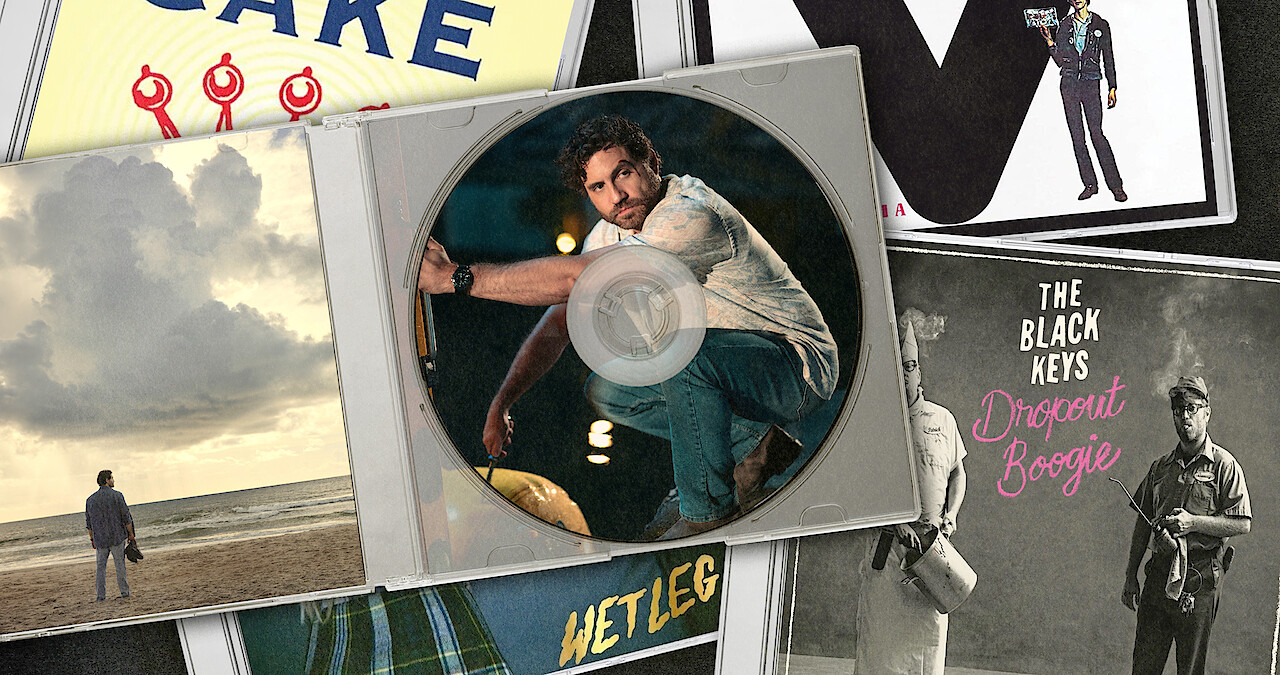
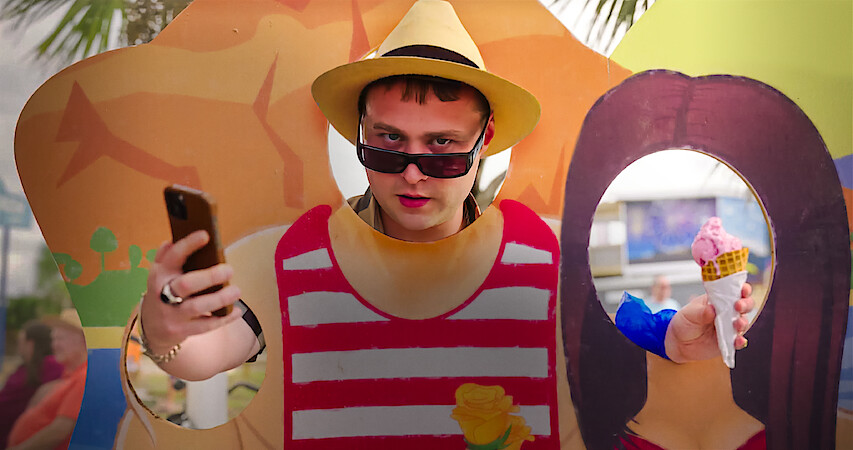
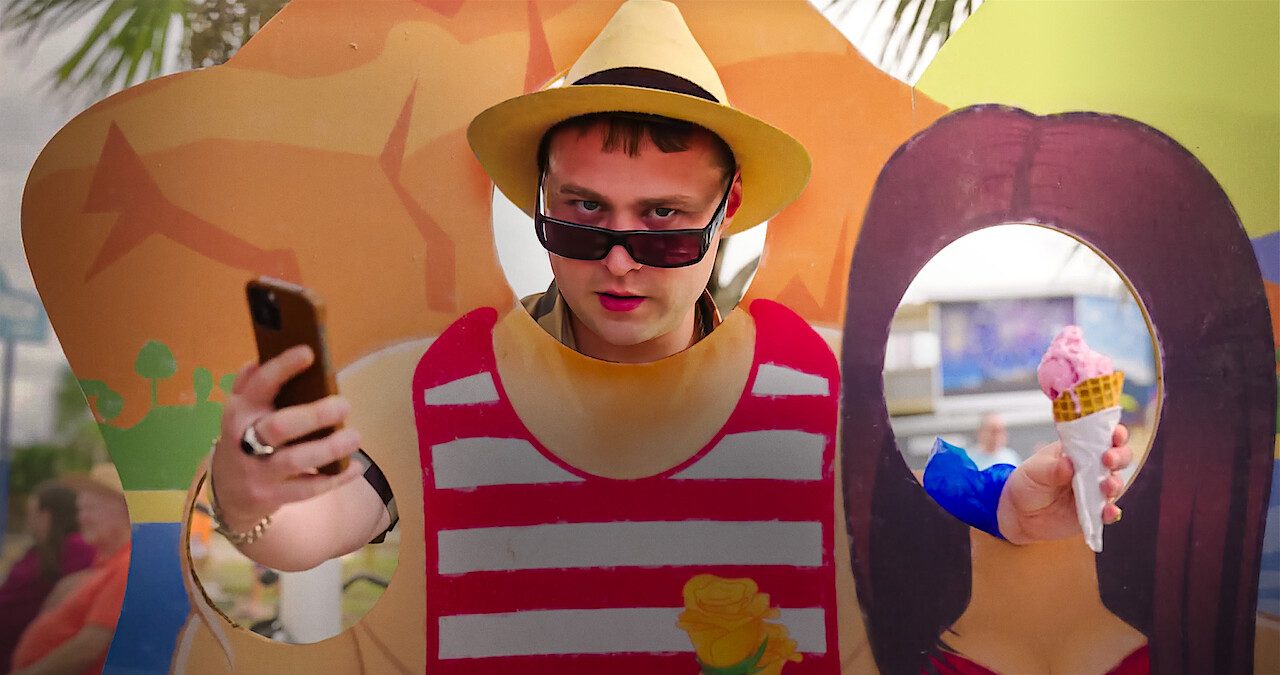
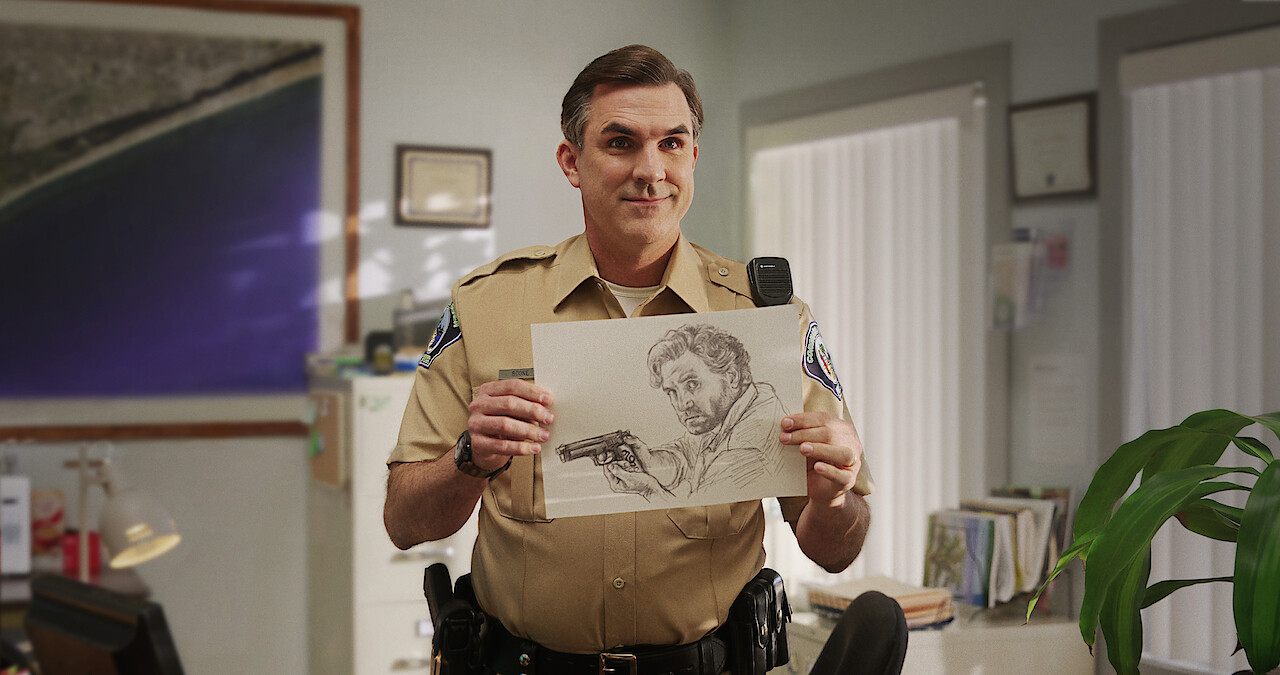
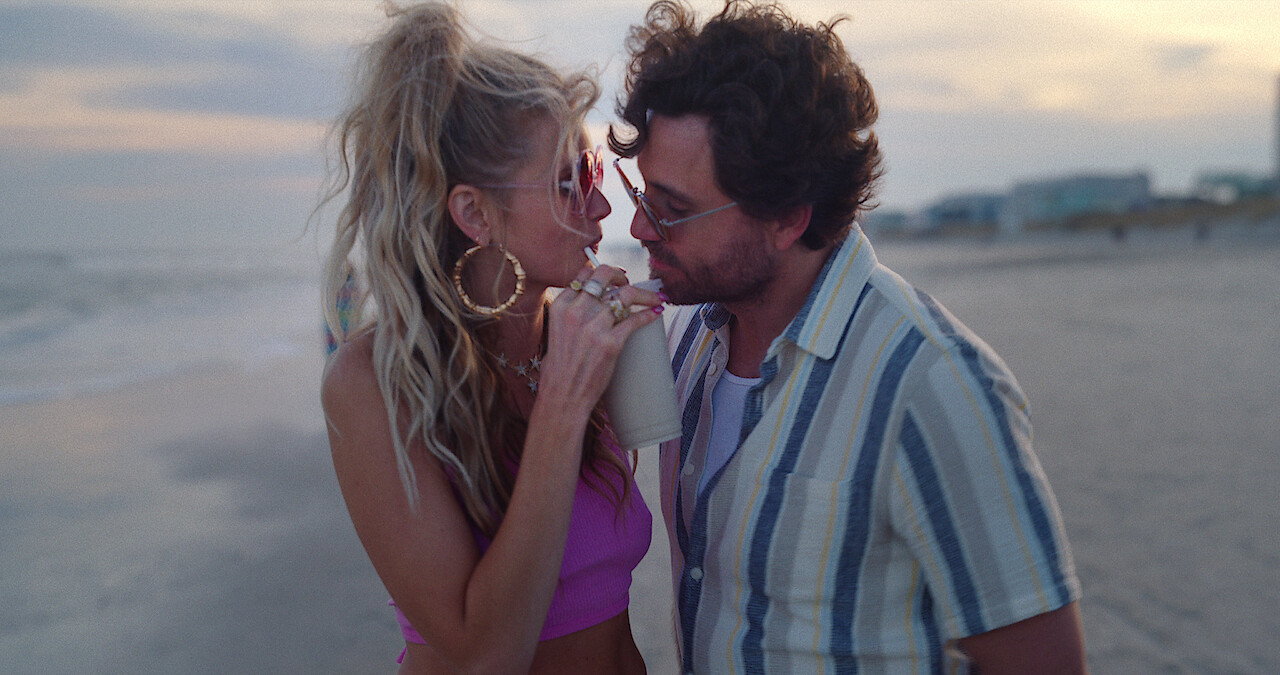
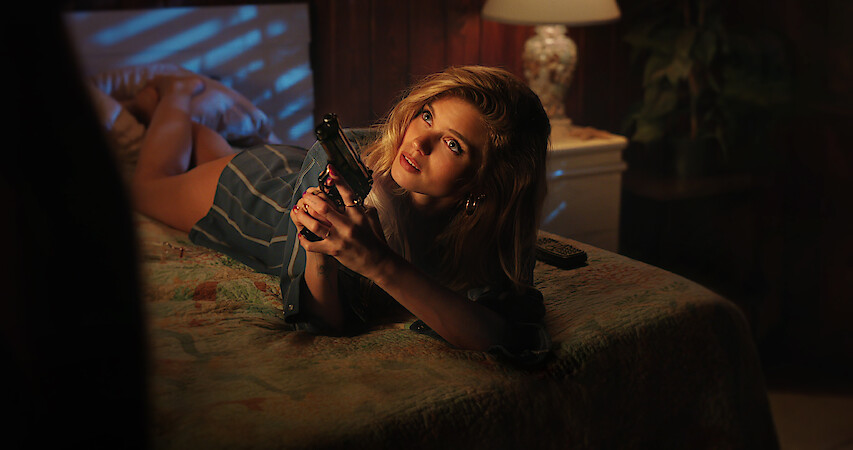
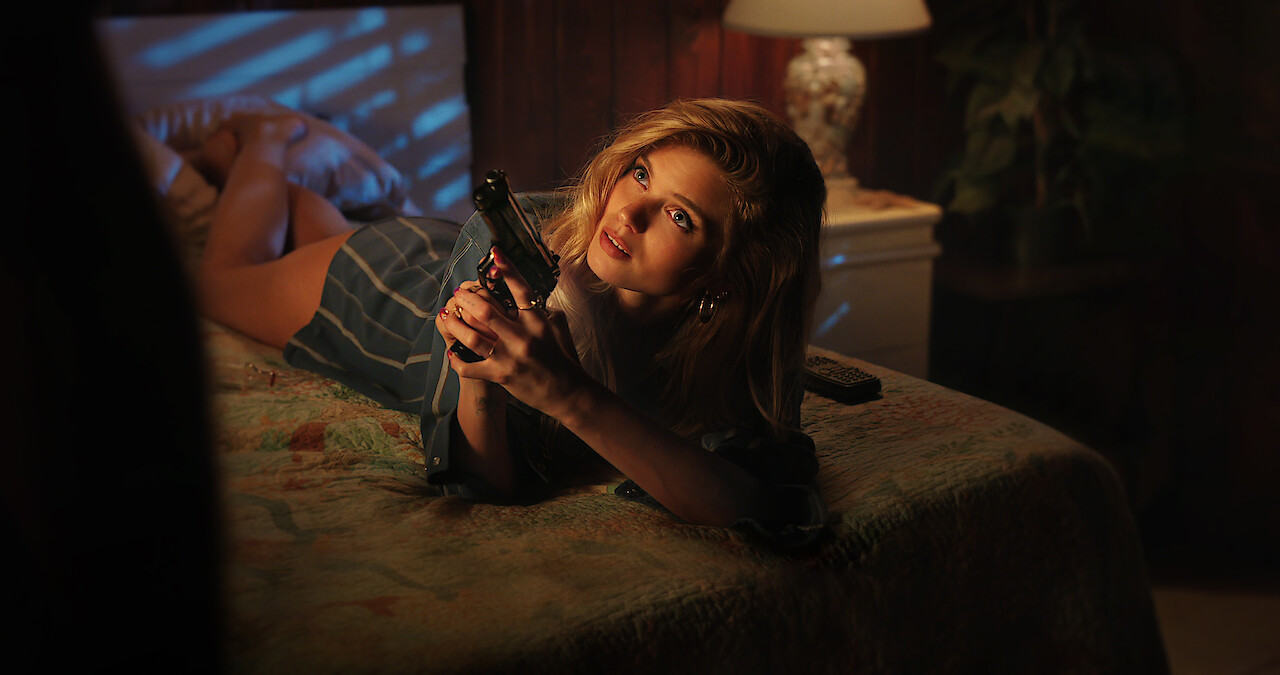
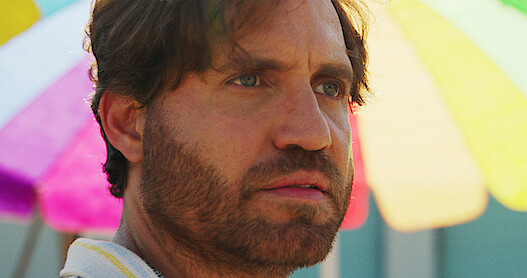
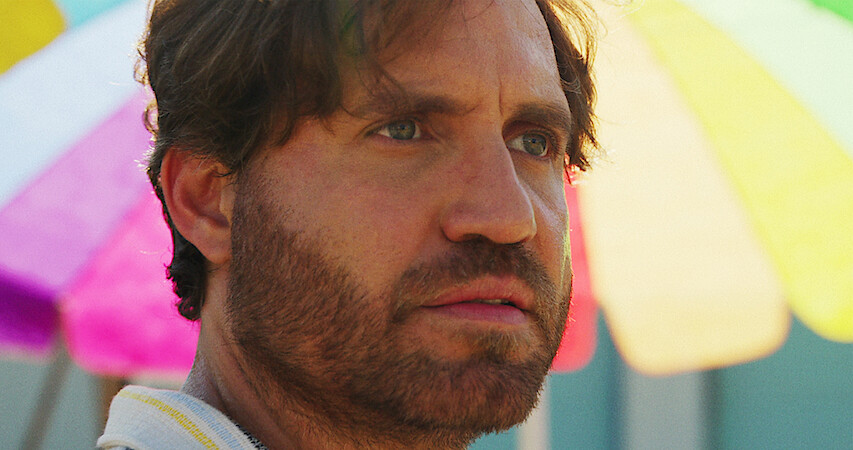
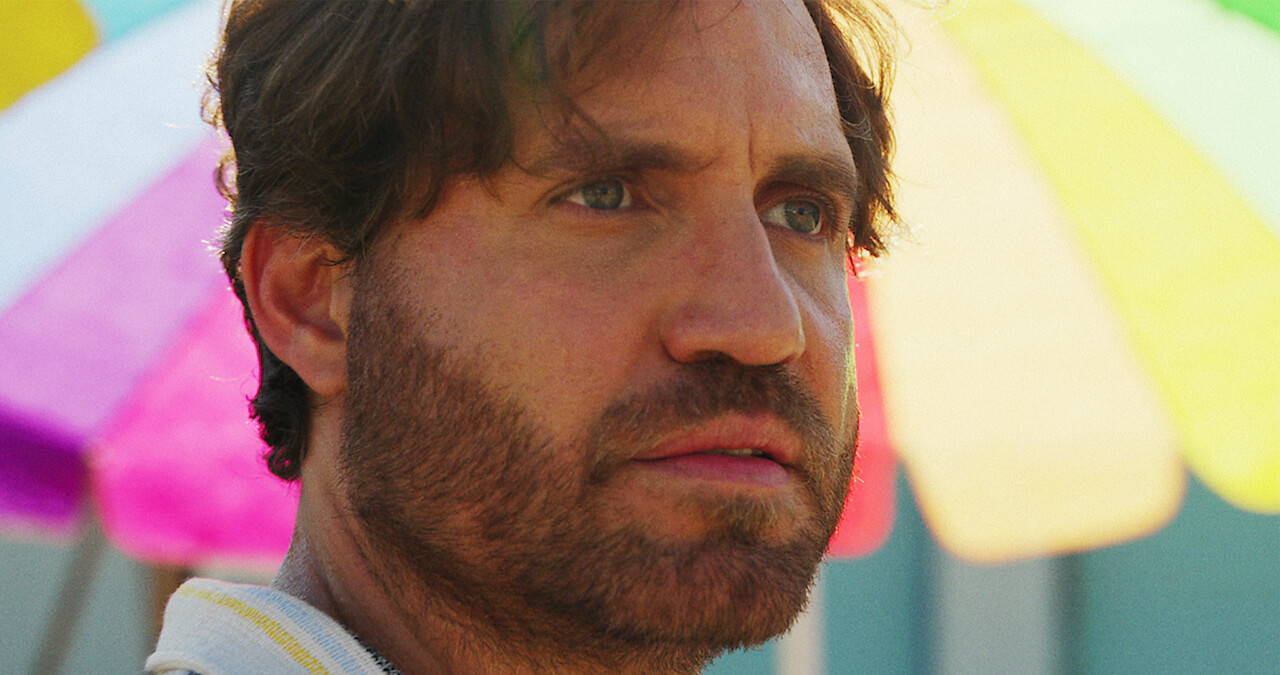
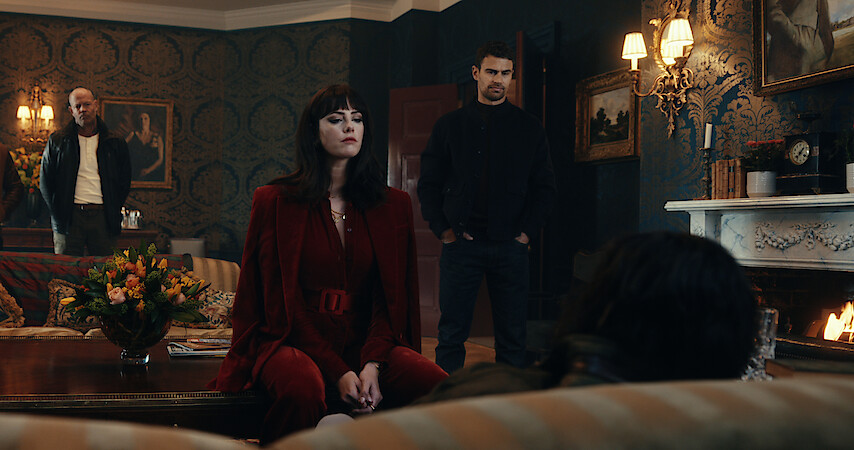
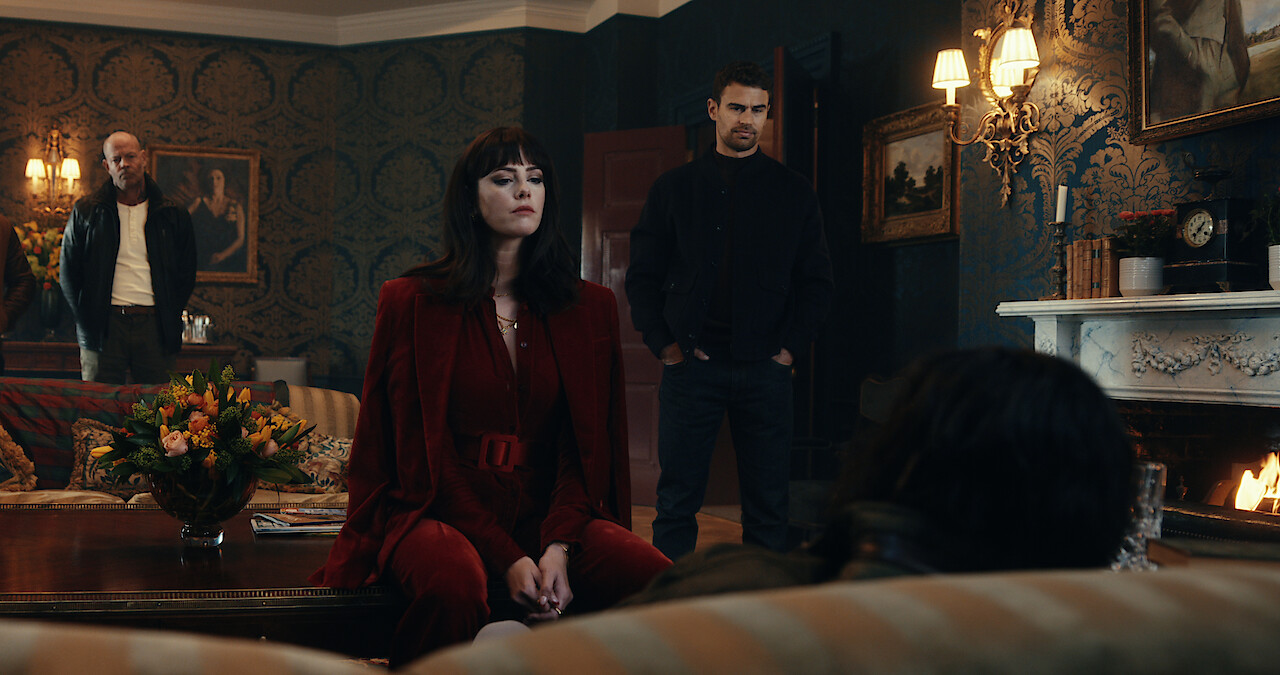
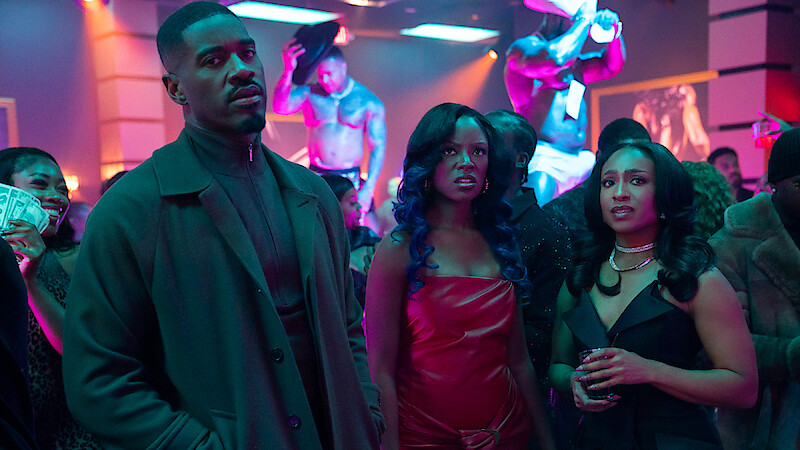
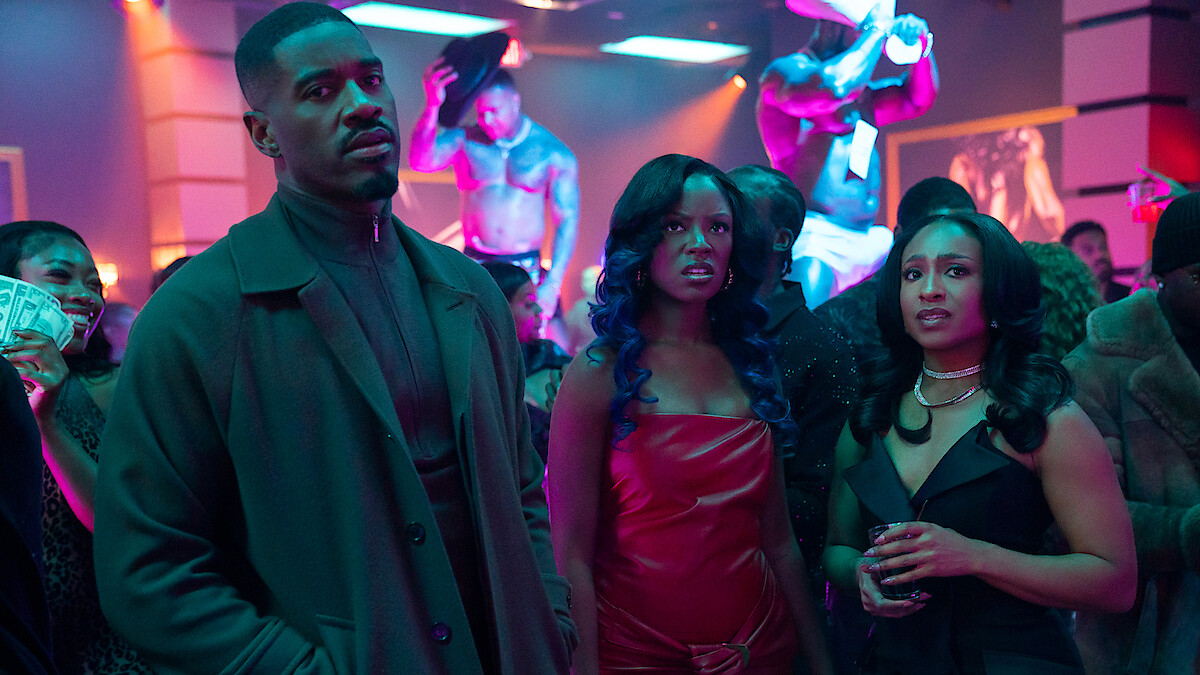
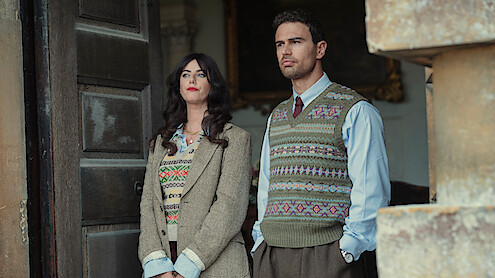
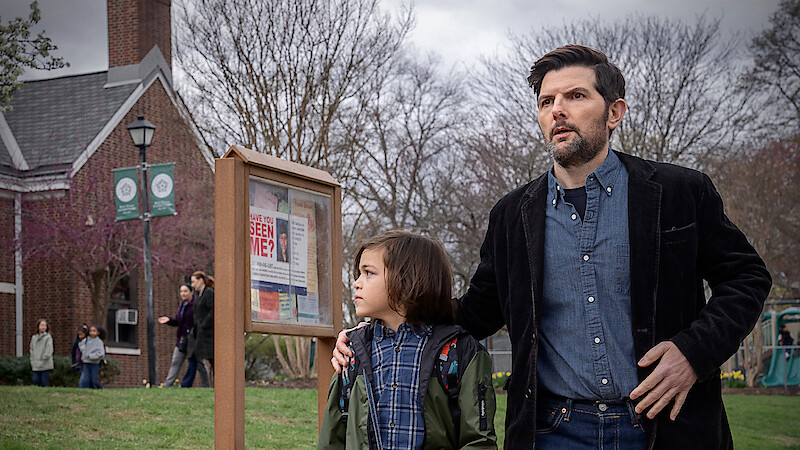
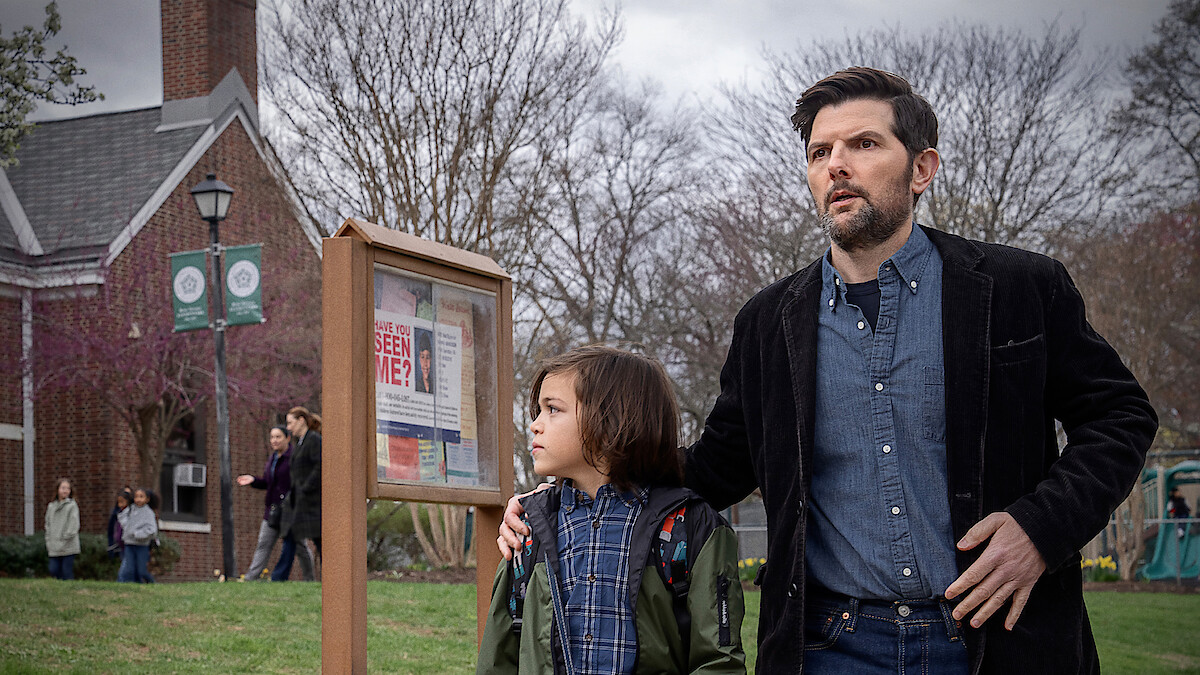
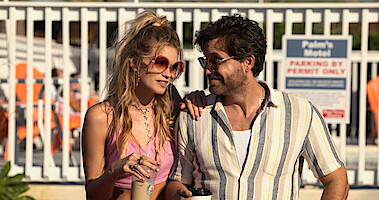
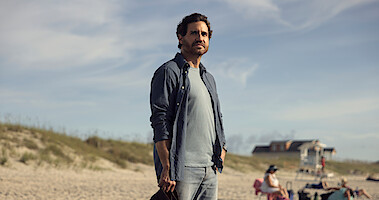
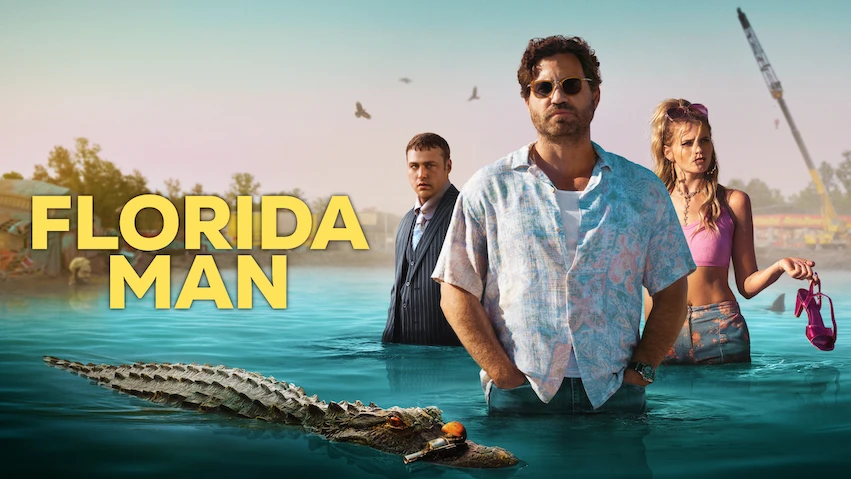
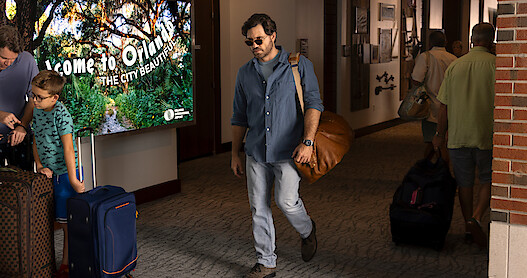
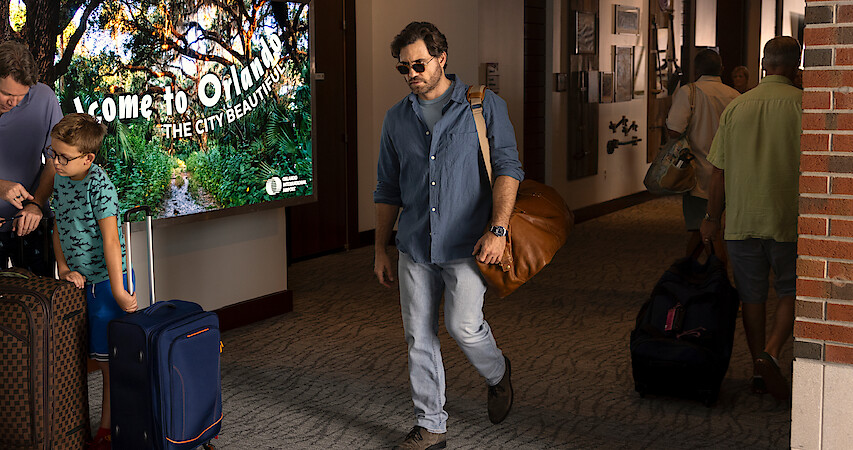
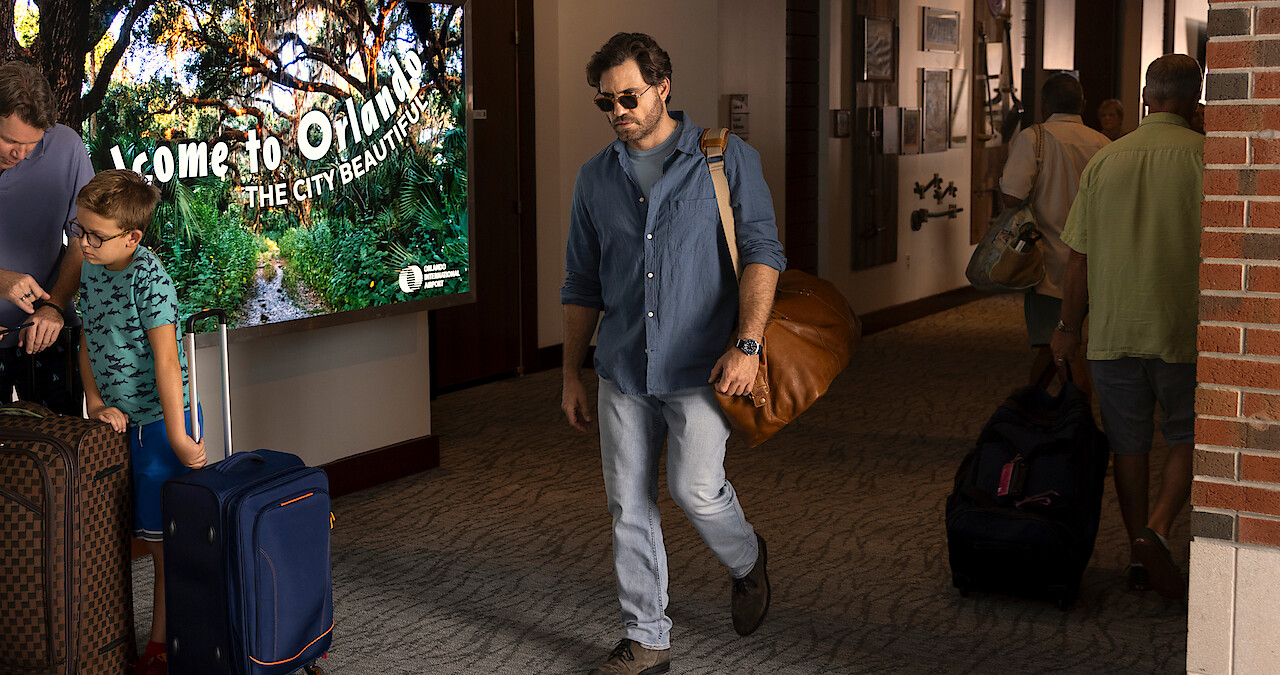
Not all is sunny in the new limited series Florida Man. Created by showrunner Donald Todd, the thriller-comedy follows Mike Valentine (Edgar Ramírez), a recovering gambling addict who’s forced to return to his home state of Florida to help search for a mob boss’ runaway girlfriend. This isn’t a simple task, as Mike finds himself entangled in bizarre situations that sound like they were ripped straight from the headlines. From family secrets to hidden treasure, Florida Man is a winding journey filled with the Sunshine State’s shadiest characters.
If the title sounds familiar to you, chances are you’ve seen clickbait headlines circulating the web that have made you scratch your head a few times. Florida Man is inspired by one of the internet’s most popular memes, but how did this online joke come to life? Well, we’re here to tell you that he didn’t just emerge from the swamps overnight.
In 2013, the Florida Man Twitter account was created by magazine editor Freddie Campion and quickly rose to online fame. Each tweet referenced actual news headlines along the lines of “Florida Man Arrested for [insert the most obscure crime you can think of]” — and many posts became viral hits. At its peak, the account racked up more than 400,000 followers, and Florida Man as a concept was dubbed the “world’s worst superhero.” Numerous news outlets and late night talk shows referenced Florida Man, and the joke took on a life of its own separate from social media. (You can even Google “Florida Man and [your birthday]” to see which headlines were published the day you were born.) Although the Twitter account gave birth to the viral meme itself, the state of Florida already had an infamous reputation long before the existence of social media.
After Florida achieved statehood in 1845, it began marketing itself as an untouched territory covered with nature and swamps. This appealed to many settlers who flocked there in the late 19th and early 20th century. As these new arrivals began to populate the Southern peninsula, other states ran their own anti-Florida marketing campaigns to keep their residents from moving there. Claims were made about all kinds of dangers, from the state’s allegedly unsafe drinking water to the alligators that roamed the land. Despite other states’ best efforts, Florida became home to flourishing cities like Miami, kitschy sites and theme parks and popular resorts.
One factor that contributed to Florida becoming associated with criminal activity was its changes to state laws in 1967. After the Watergate scandal, the public push for transparency resulted in the federal government and many states passing sunshine laws. This allowed the public to access government records — however, there were still some privacy measures put into place. Florida, on the other hand, wasn’t like the other states. Instead, their sunshine laws — which predated Watergate — made all public records accessible to anyone. These mug shots, arrest records and video footage became a gold mine for journalists, and eventually bloggers, looking to make a sensational headline out of an unfortunate event.
The media had a heyday. Florida became a punching bag during the 2000 Bush–Gore election recount; Hollywood often portrayed the state as a crime-infested party scene in shows like CSI: Miami and MTV Spring Break and Jon Stewart once described it as a “giant cockroach-choking, hazard-infested, Hooters-dining, reptile-abusing, Everglades-draining, election-ruining, stripper-motorboating, ball-sweat-scented, genitalia-shaped, 24-hour mug shot factory.”
There was no reversing this caricature, but things would only progress with the proliferation of the internet and social media. In 2012, an unhoused man named Ronald Poppo was attacked by a car wash employee on the MacArthur Causeway in Miami. The victim had most of his face bitten off, and the story quickly received worldwide coverage, dubbing the attacker “the Causeway Cannibal.” The term “Florida Man” would first peak on Google Trends in response to the incident.
When the Florida Man Twitter account was created, initially the tweets seemed like harmless jokes. However, underneath the clickbait, these were often stories about Florida residents struggling with mental health, housing insecurity and drug use. More than just a meme, Florida Man turned individuals with limited access to resources into laughingstocks. Eventually its creator asked himself, “‘How much do I want to be a party to essentially making fun of people on the worst day of their lives, even if they have done something wrong?’” He officially retired the Florida Man Twitter account in 2019, paving the way for a new interpretation.
“[People] laugh at the mug shots and the headlines,” Todd recently told Tudum, “but what’s the story behind the meme?” With Florida Man, Todd hopes to tell the stories behind the memes.
Stream Florida Man now on Netflix.