Explainer
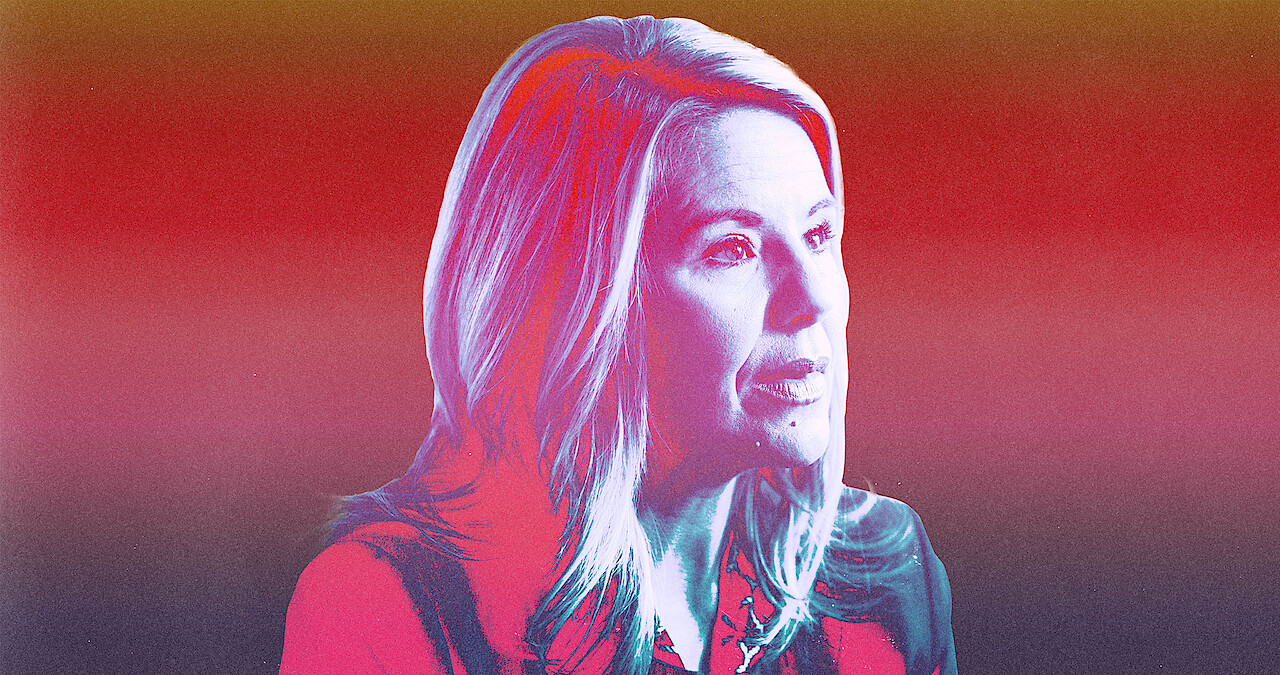
Jacoba Ballard on the Healing Power of Reenacting Her Own Trauma in ‘Our Father’
“I learned that I am worthy and I am strong.”
May 20, 2022
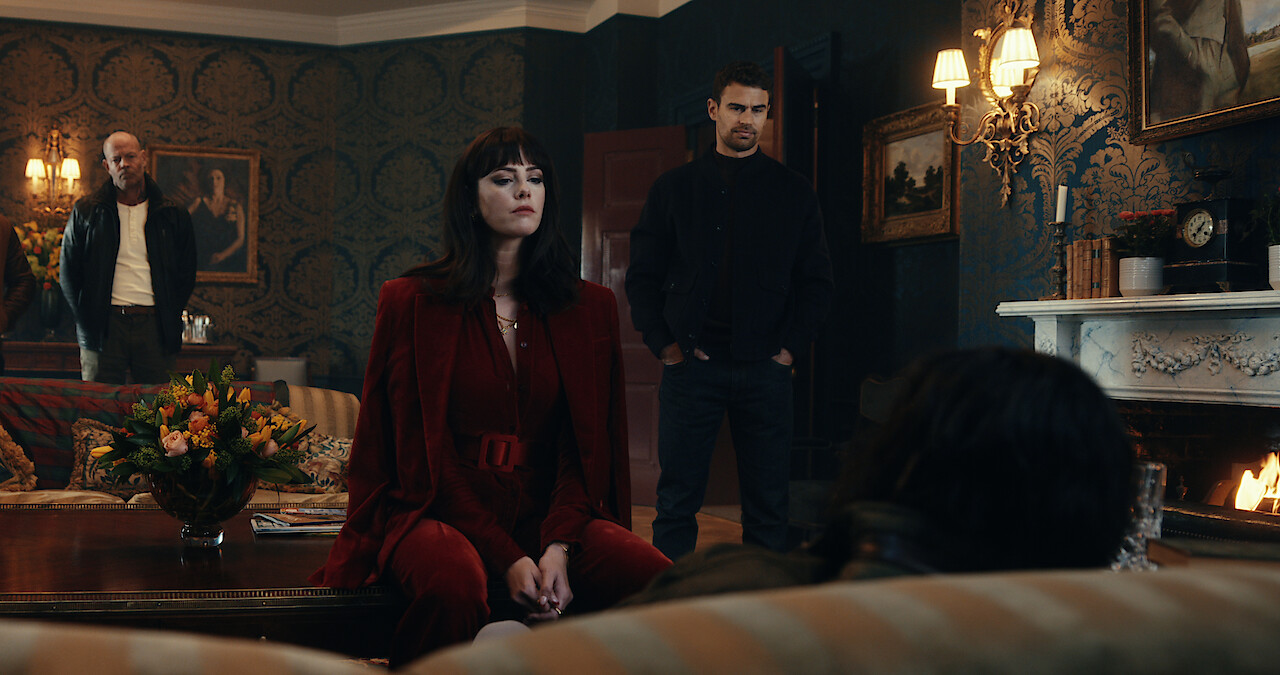
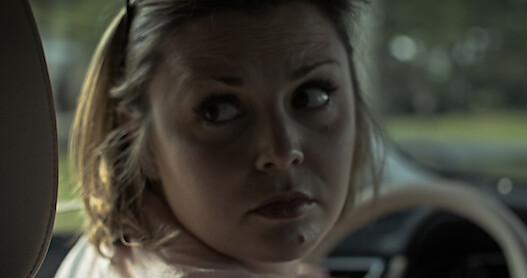
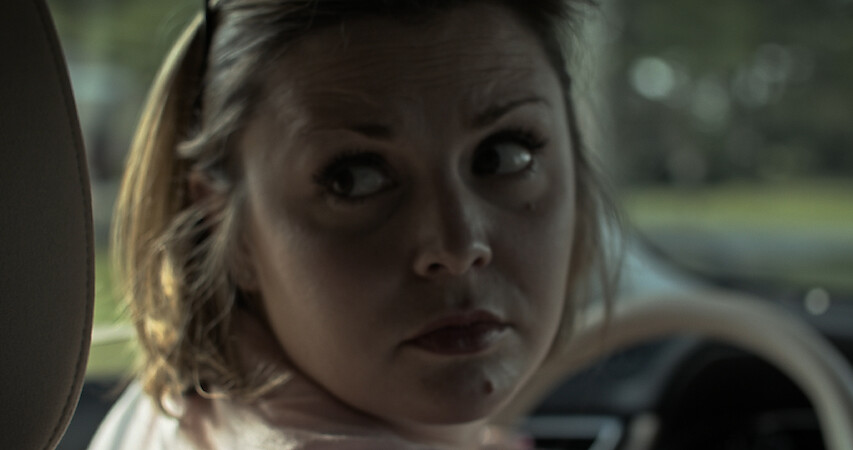
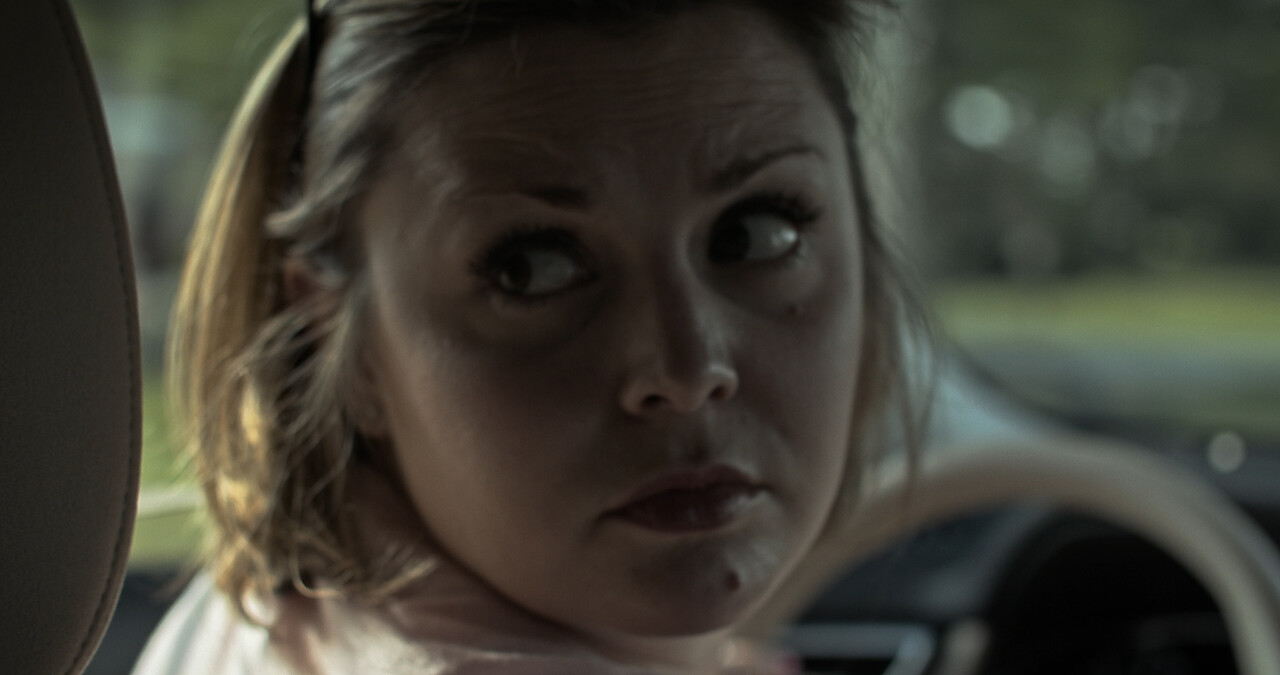
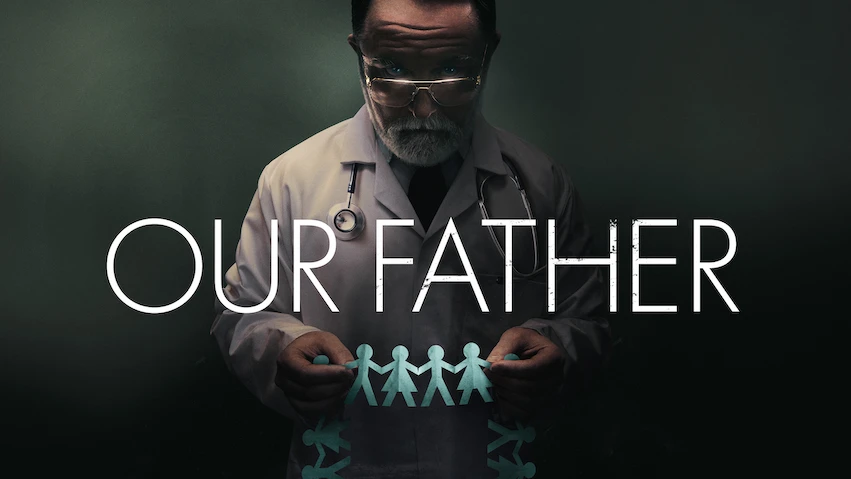
Our Father begins with a unique title card: “The film contains recreated scenes with both actors and victims. All are based on real events.”
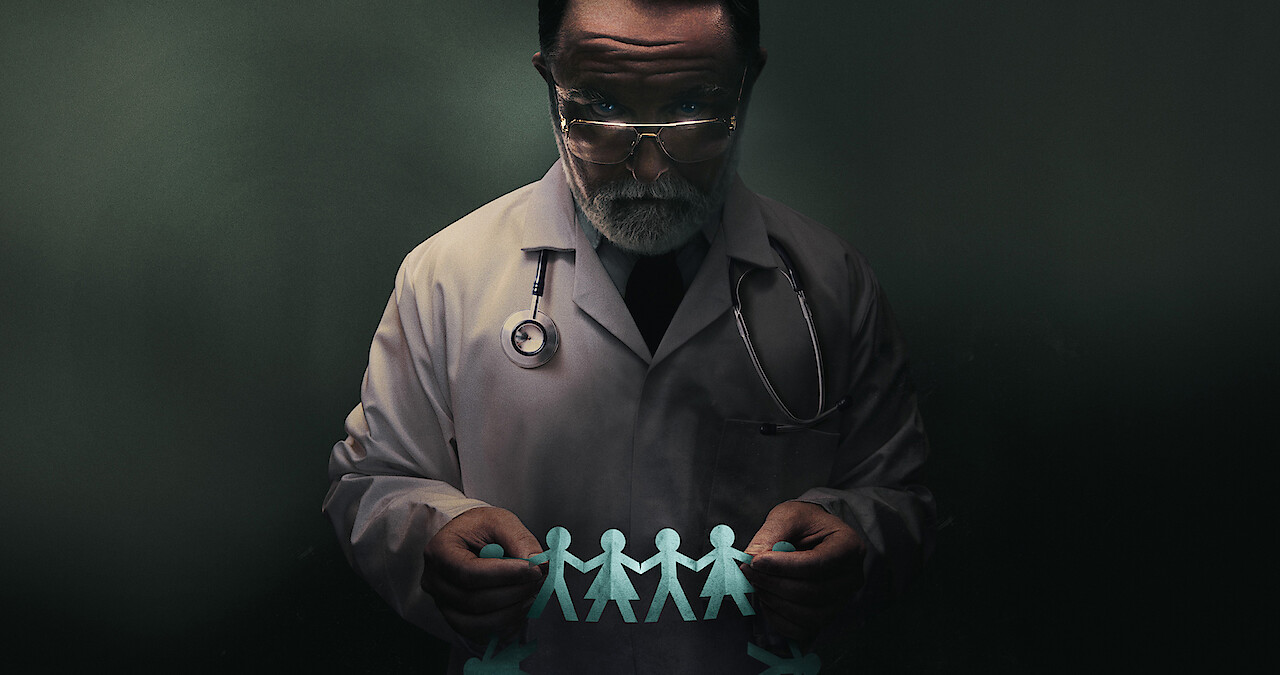
Reenactments are not uncommon in documentaries, which often rely on actors to bring to life the moments that the subjects are referring to in interviews. But Our Father, which tells the story of how former Indianapolis fertility specialist Donald Cline inseminated dozens of his patients with his own sperm, goes one step further. Rather than casting actors in every part, director Lucie Jourdan asked some of the subjects if they wanted to play themselves.
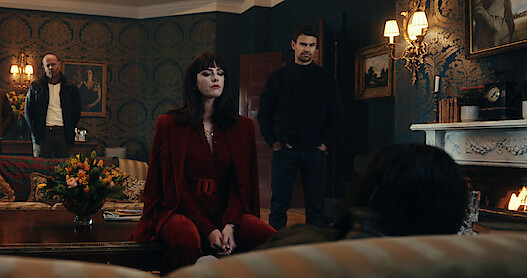
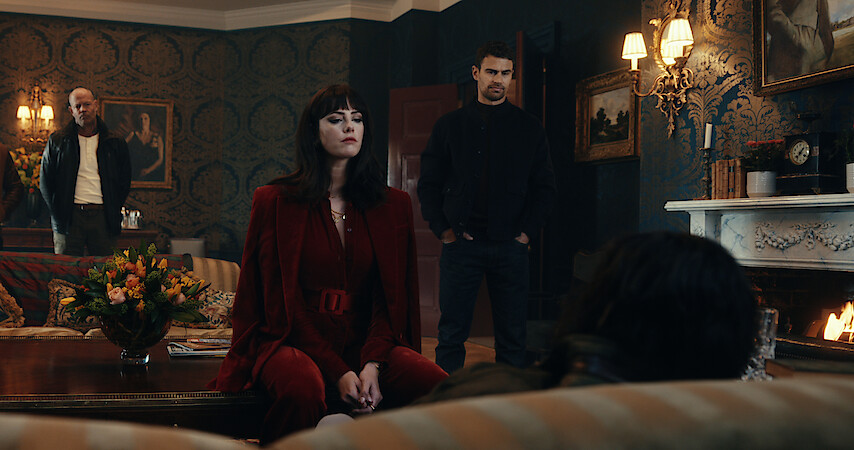
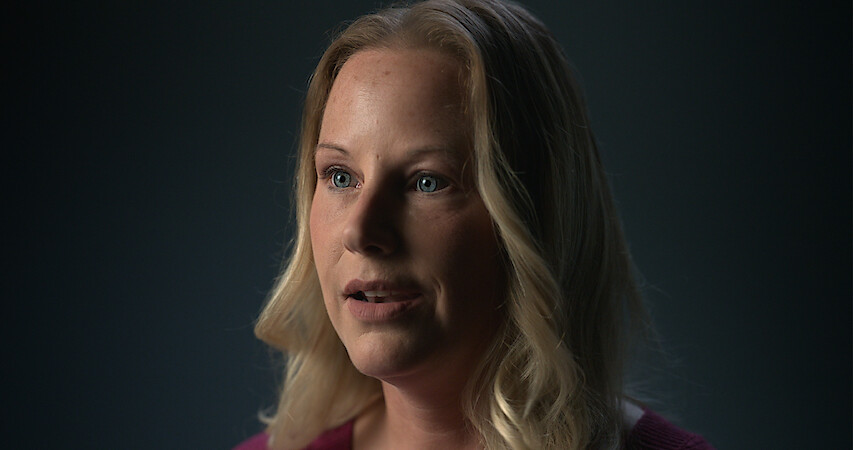
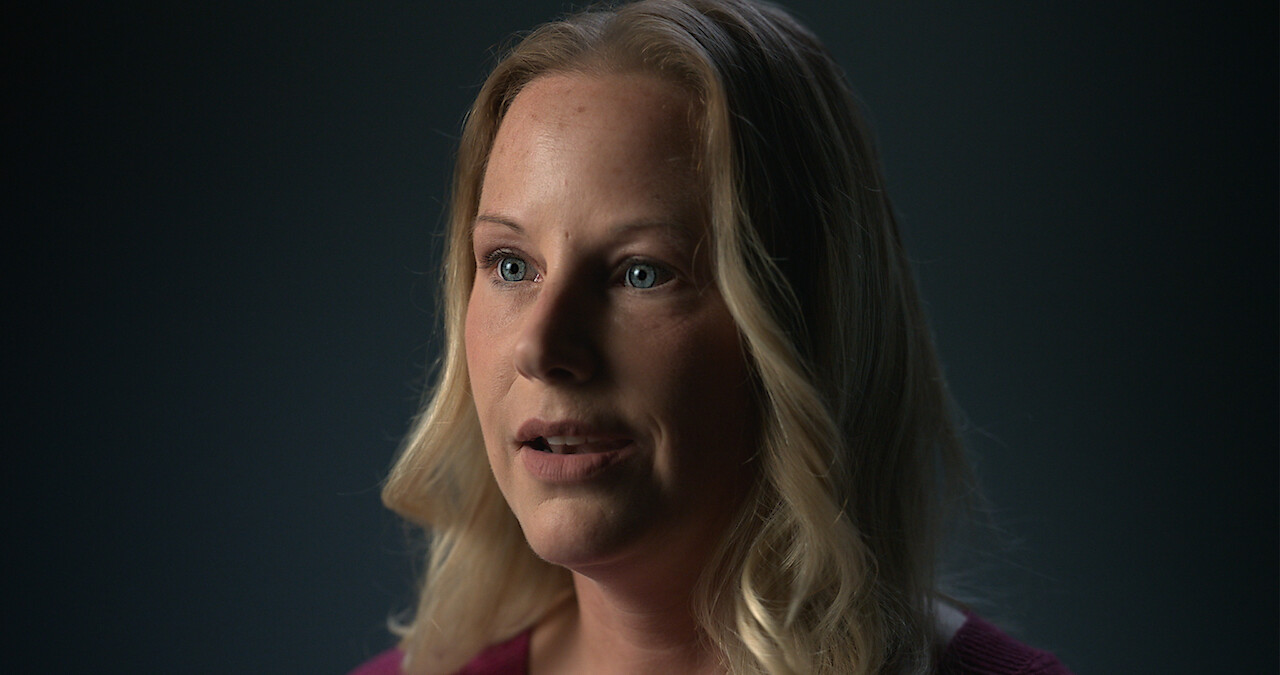
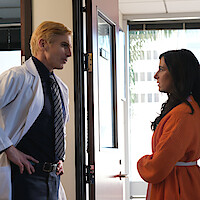
“It started with the dining table scene with Cline,” Jourdan tells Tudum. The director was trying to piece together the events of a meeting between Jacoba Ballard, several of her half-siblings, and their biological father, Cline.
“I asked her to set the scene for me, and she kept saying how angry she was that she didn’t say X, Y and Z [to Cline],” Jourdan says. “She wished she would’ve done it differently. I said, ‘What if we put you in this situation, and I make it exactly as it was. Do you think you could sit back in that place?’”
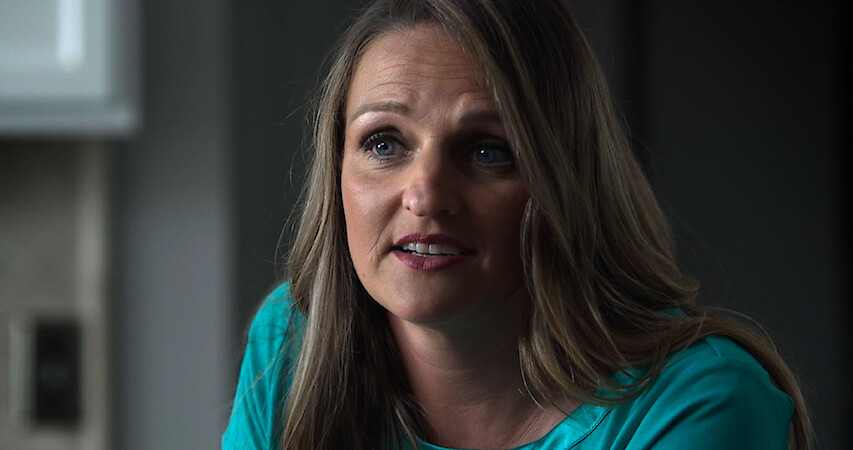
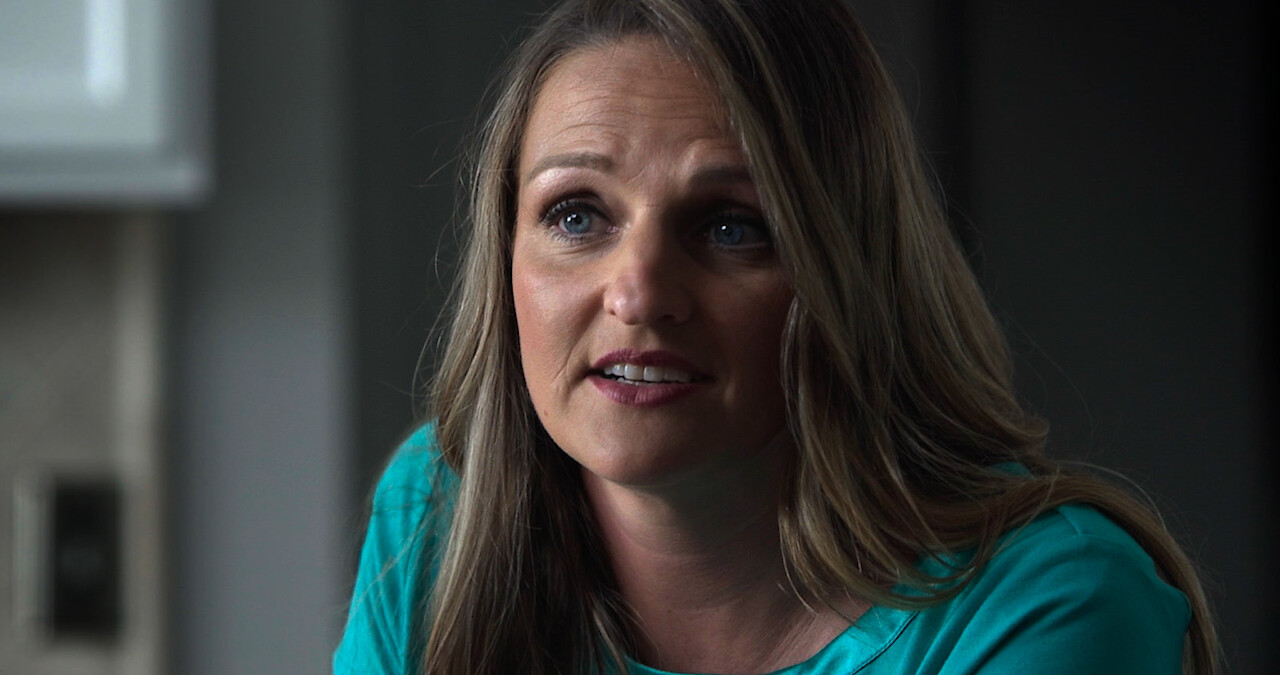
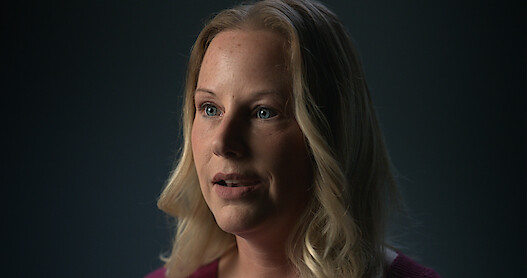
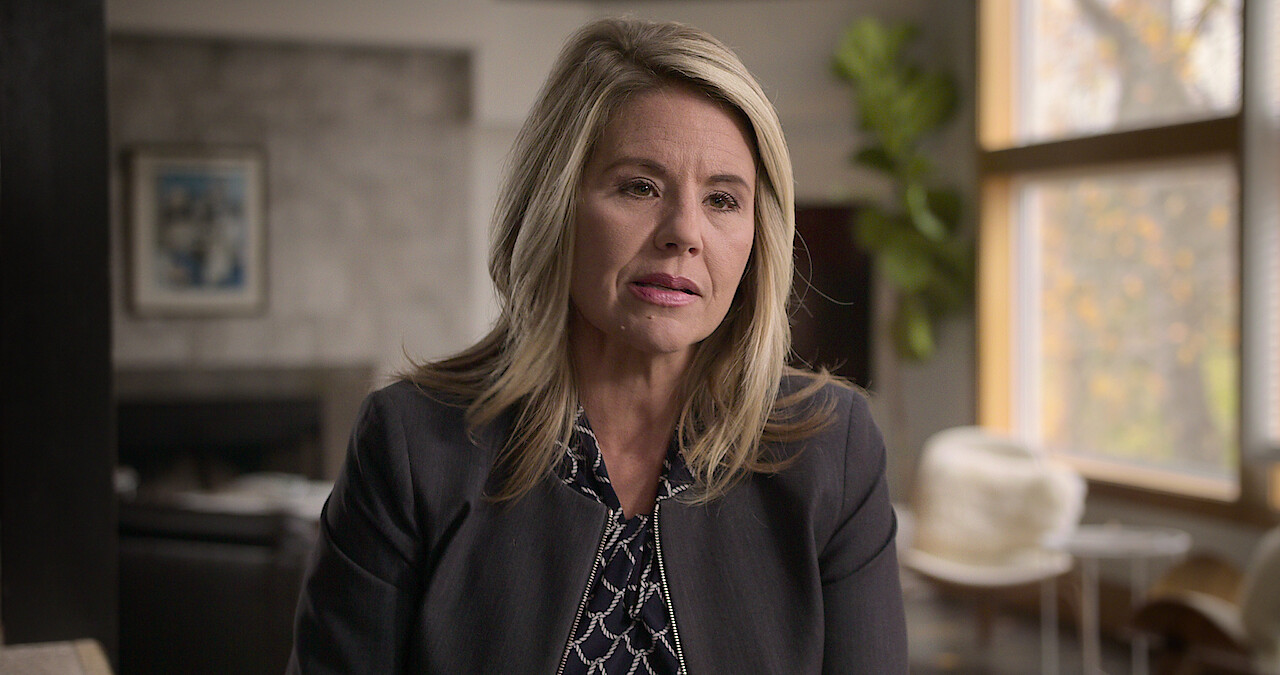
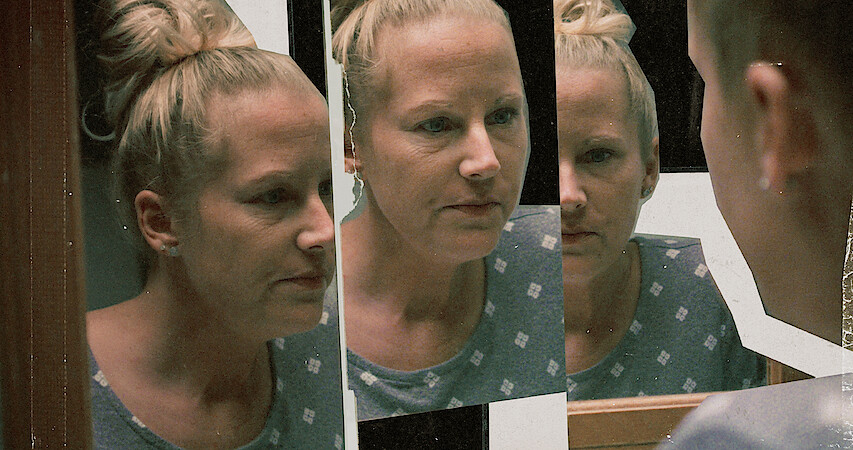
Ballard said yes. Sitting opposite the actor hired to play Cline, she relived one of the worst days of her life: confronting the man who had used his own sperm to inseminate her mother without her consent. The experience ultimately turned out to be cathartic for Ballard, rather than traumatic. “It was almost like a healing process for me,” she told Rebecca Lavoie on the latest episode of podcast You Can’t Make This Up. “There were certain things I wanted to say to Cline that I never got to say.”
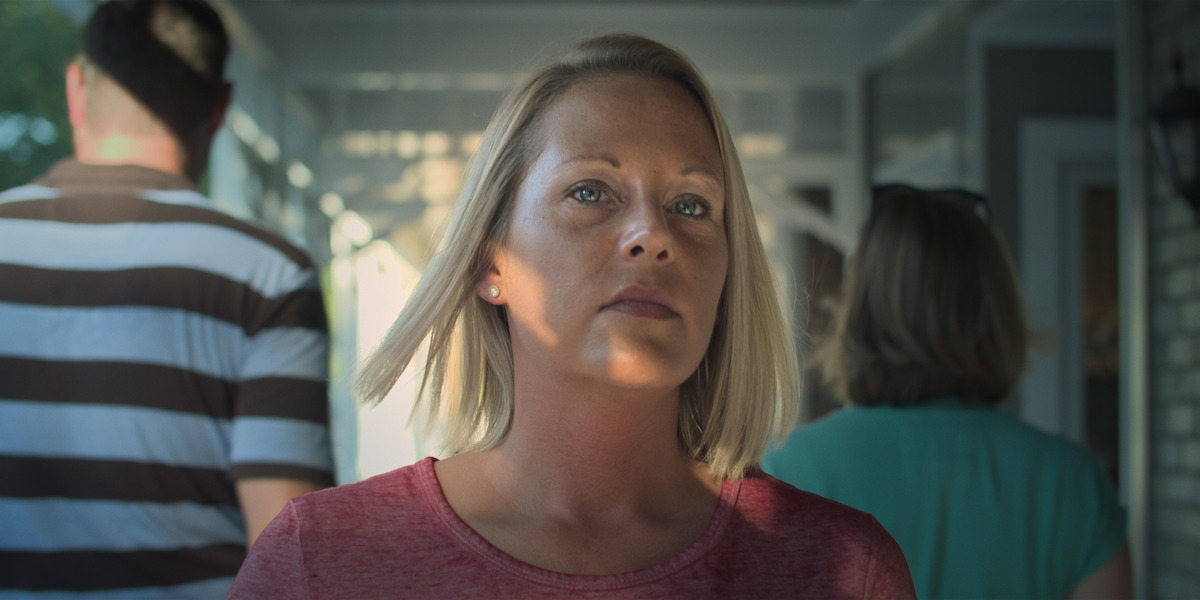
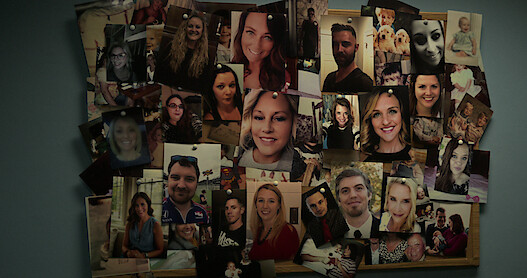
In 2014, Ballard took an at-home DNA test that revealed several half-siblings, all fathered by Don Cline. As years went by, her profiles on DNA testing sites like Ancestry.com and 23andMe grew, revealing that Cline had inseminated dozens of women over decades. Ballard channeled her hurt and confusion into finding answers and advocating for her and her siblings. So when it came to working on Our Father, she was happy to have her story told, and happy to reclaim a sense of self that had been so thoroughly upended.
The reenactments were a collaborative process, Ballard says. She helped Jourdan make things as accurate as possible, while the director allowed her the space to engage with her past in a new, empowering way. Once the camera rolled, Ballard was able to face the actor playing Cline with newfound confidence and agency.
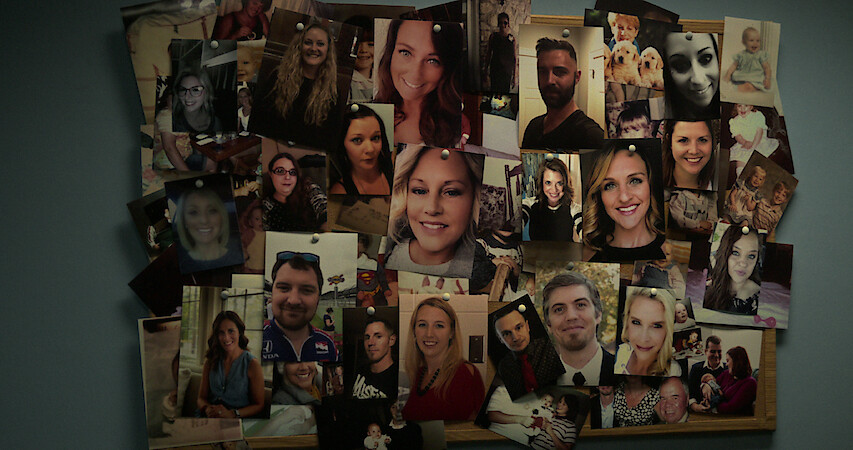
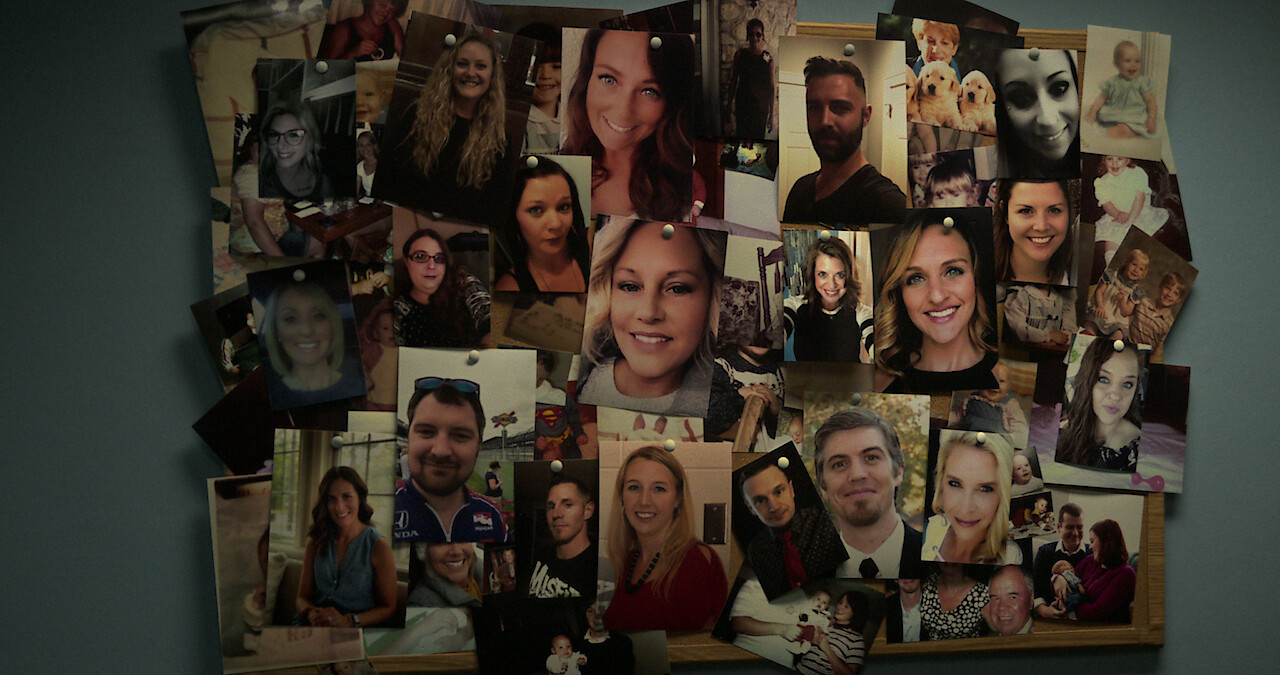
Our Father also features interviews with 8 of the at least 94 siblings fathered by Cline during his decades of practice. Though Ballard isn’t the only one to appear in reenactments, she is the most prominent participant, and also acts as herself in a re-creation of the victim-impact statement she gave during Cline’s trial for obstruction of justice in 2017. Cline pleaded guilty and received two suspended sentences and a $500 fine; none of the items presented as evidence of his alleged crimes leading up to the investigation were admissible, and he served no jail time. (Following the documentary release, Cline paid more than $1.3 million to donor siblings in a civil case.)
“[When] we got the courtroom scene, it was just such a trip for her to see this man [playing] her [biological] father, who she hates so much, and be able to say all the things she wanted to,” Jourdan says.
For Ballard, it was also an opportunity to reclaim the justice she feels was denied her and her siblings. “I learned that I am worthy and I am strong,” she says. “I want to be a voice for people. Those that have also suffered from this — I will be your person. If you can’t do it right now, I’ll carry you until you have the strength to walk on your own.”
Listen to Jacoba Ballard’s full interview with Rebecca Lavoie on the latest episode of You Can’t Make This Up.
Additional reporting by Ben Rawson-Jones.