Deep Dive
An Inside Look at the Real Magic of Keyhouse Manor
The magic is coming from inside the house.
By Olivia Harrison
Aug. 12, 2022
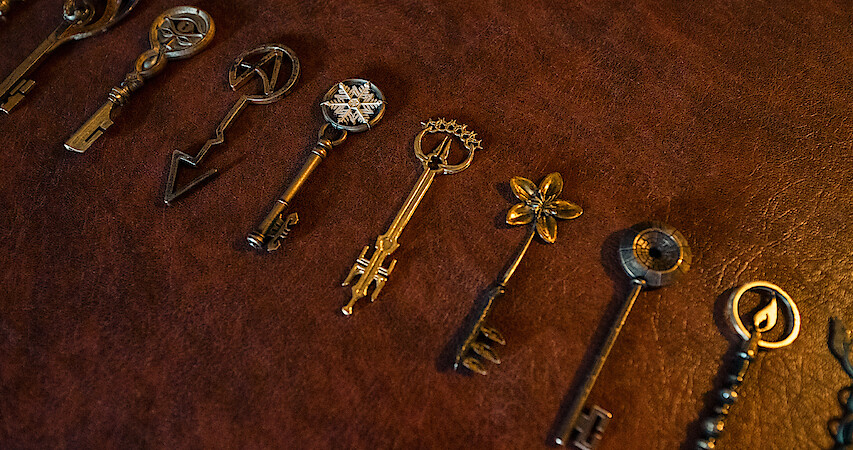
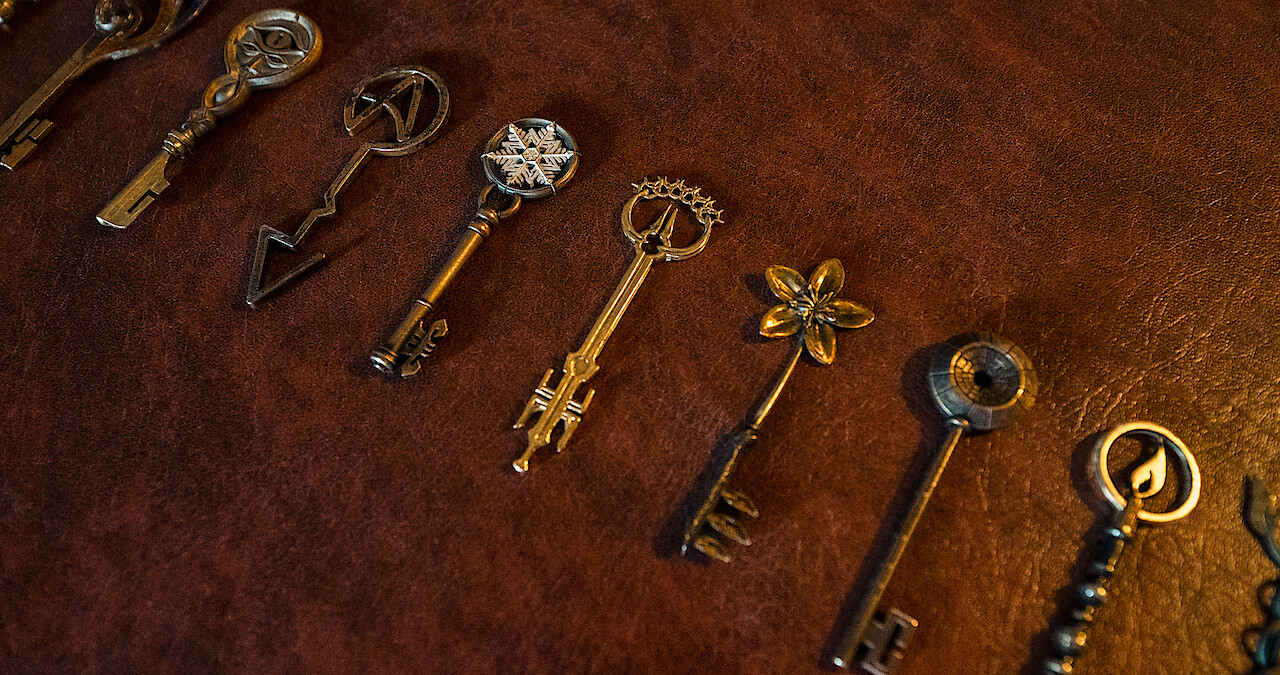
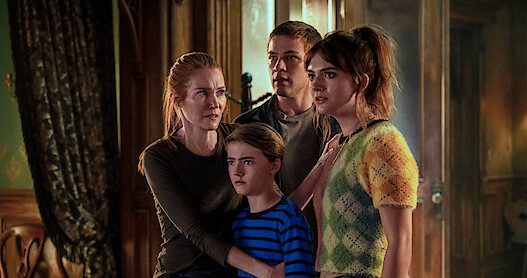
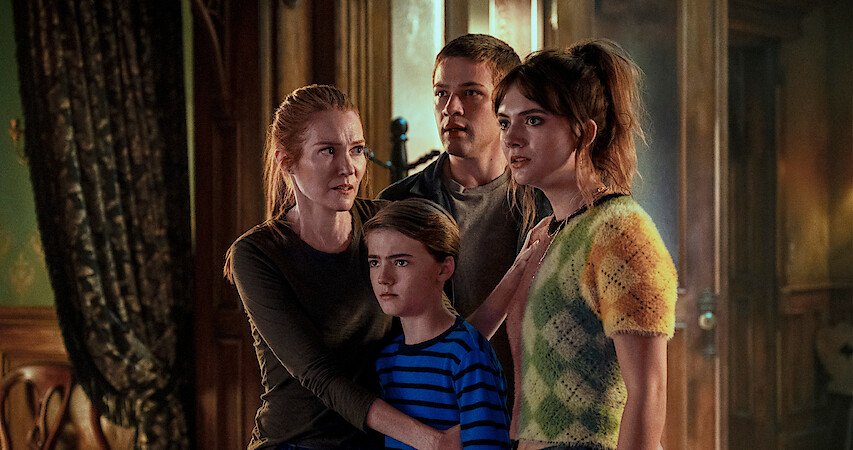
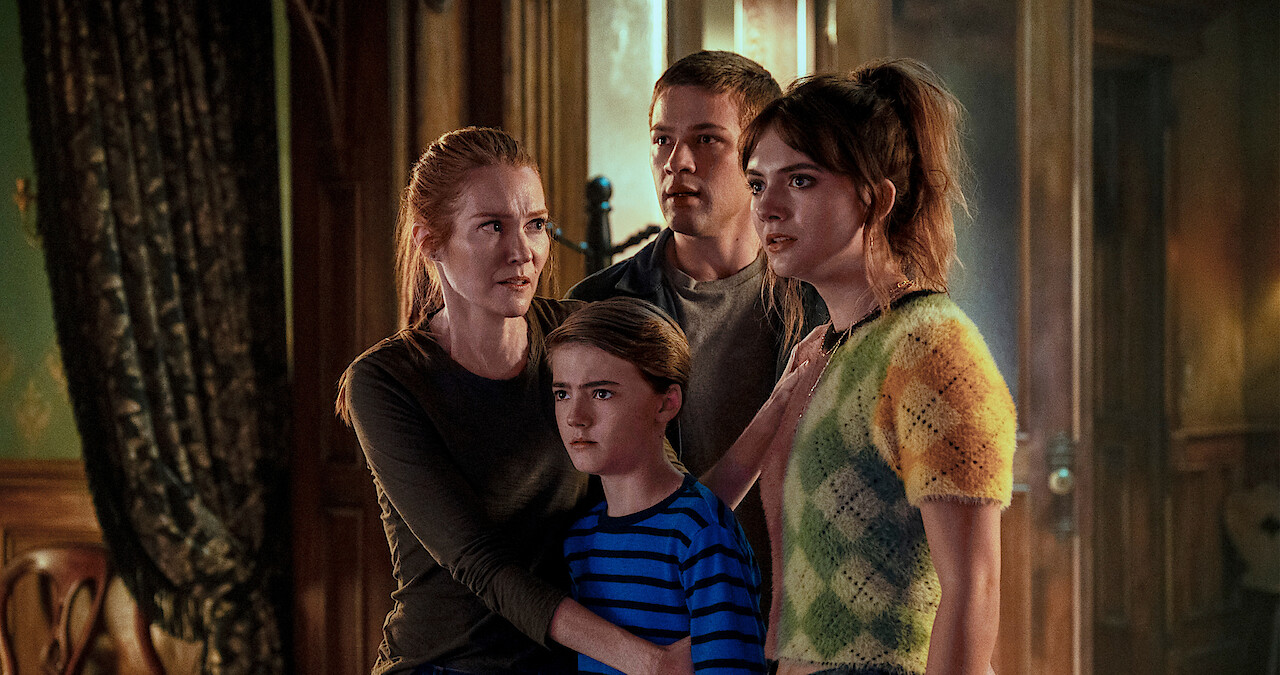
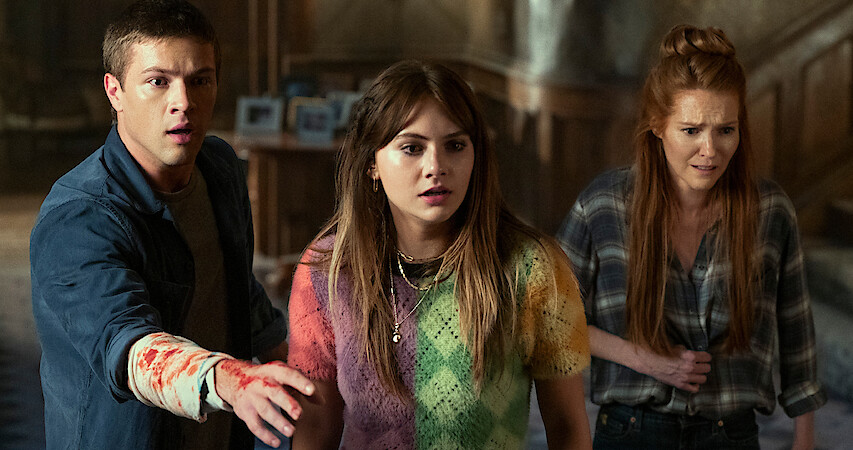
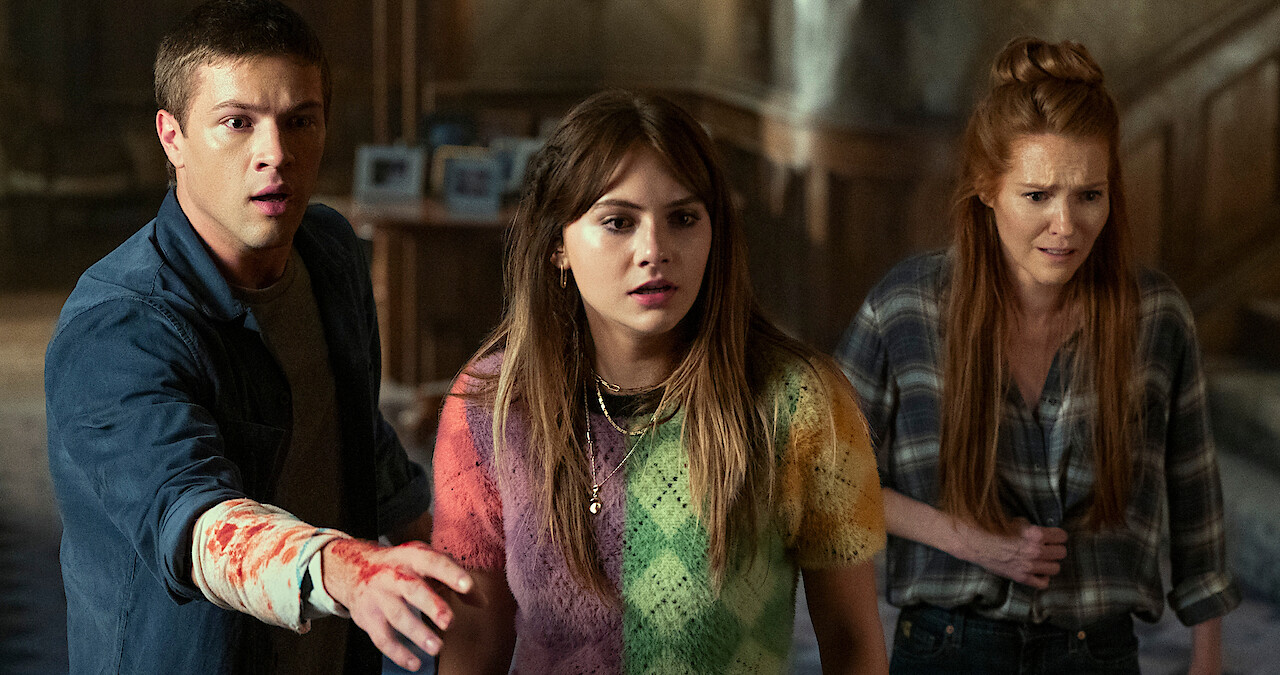
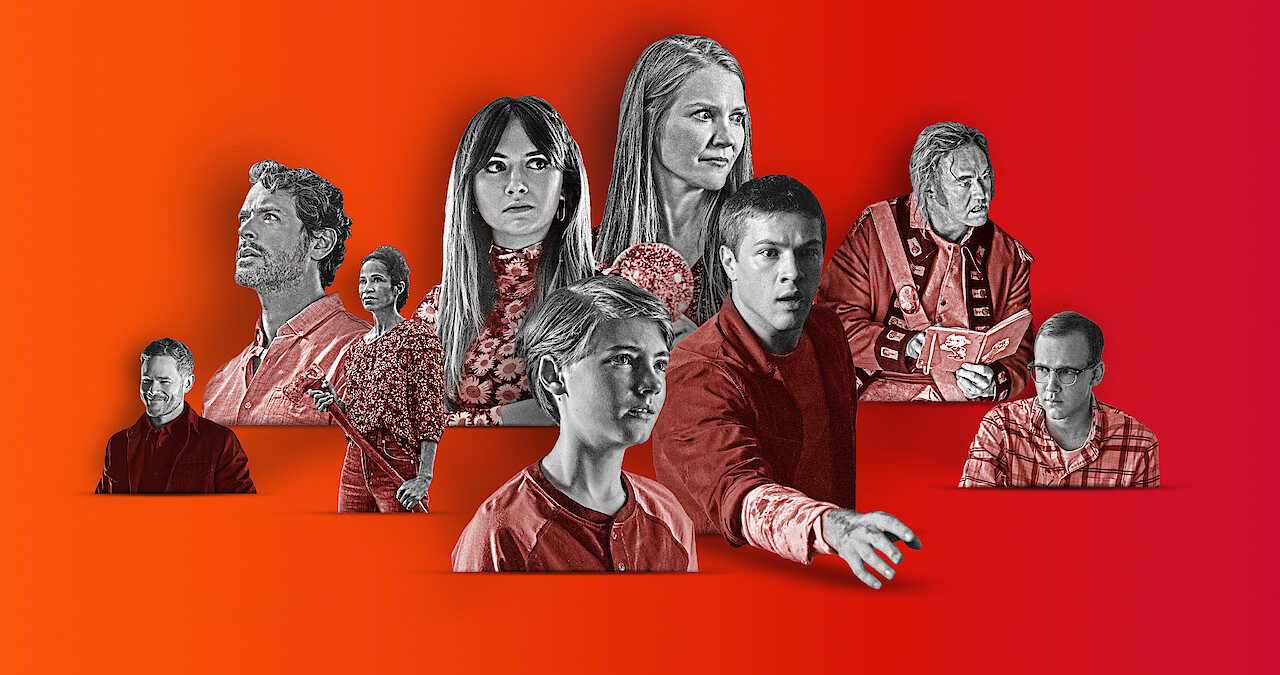
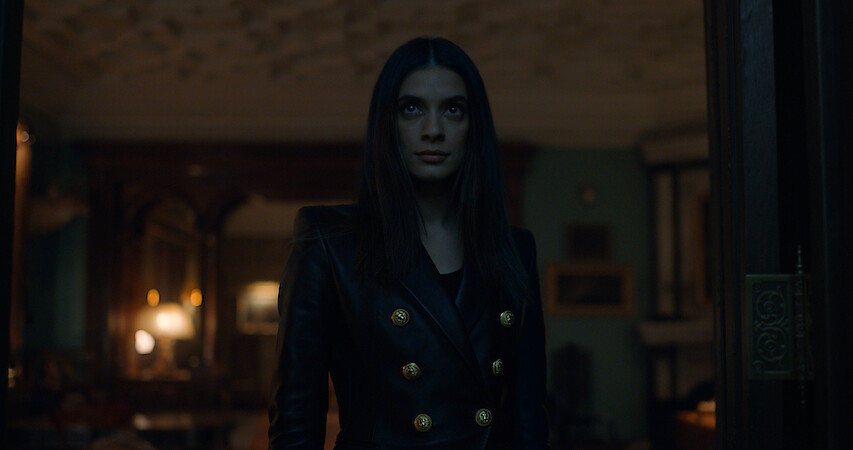
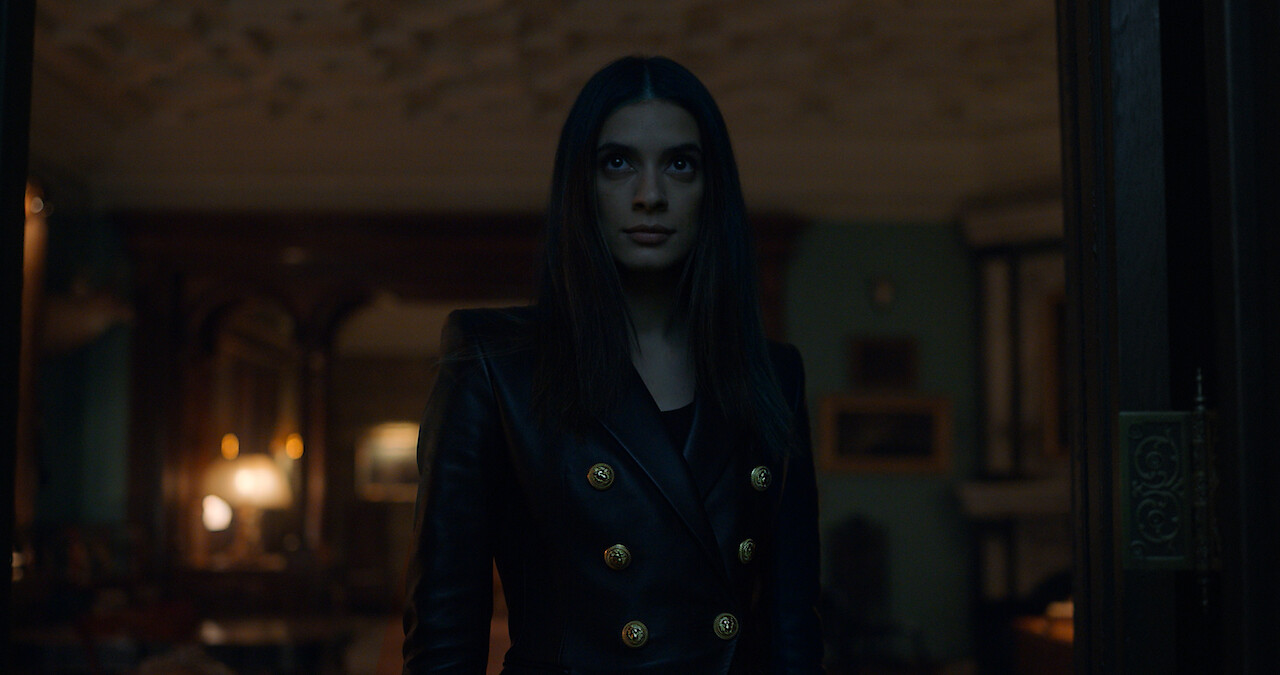
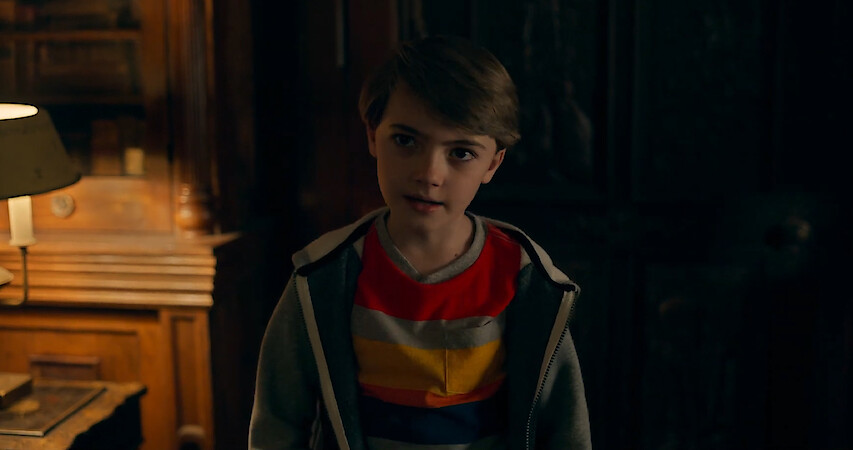
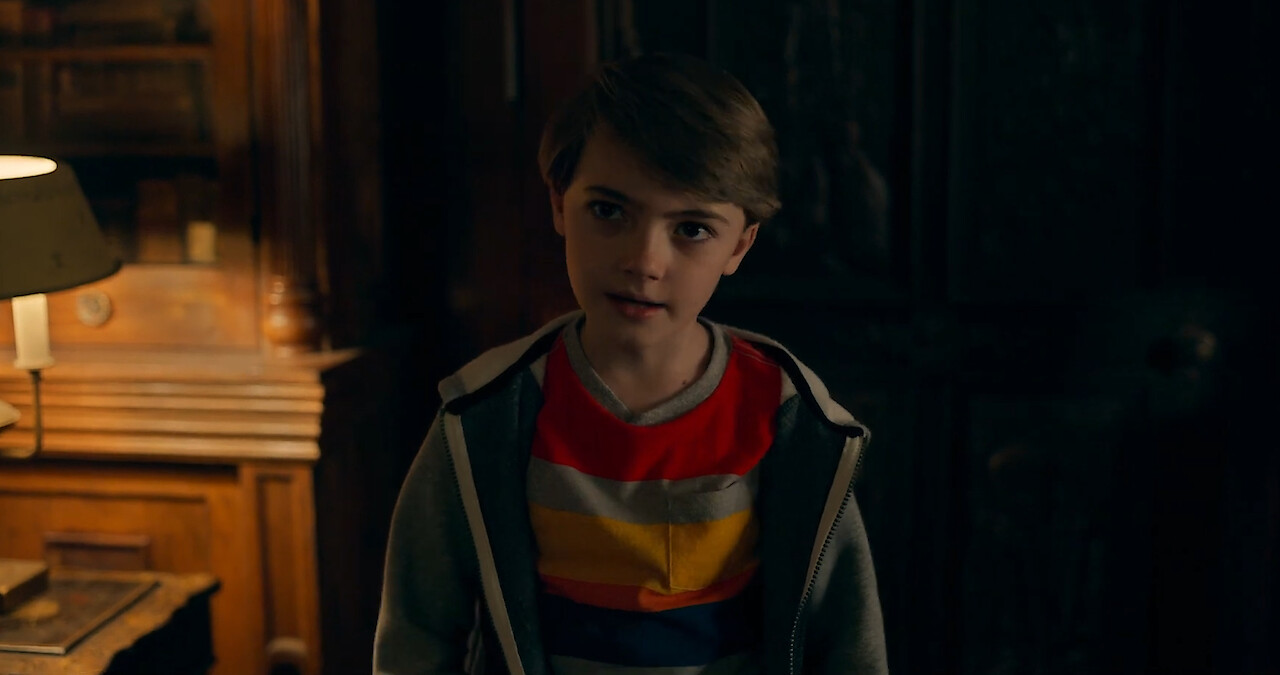
The magic of Locke & Key begins and ends inside the walls of Keyhouse Manor. The fantastical drama begins when Nina Locke (Darby Stanchfield) moves her three children, Tyler (Connor Jessup), Kinsey (Emilia Jones) and Bode (Jackson Robert Scott), into the home, which has been in late husband Rendell’s family for generations. Once there, the Locke kids discover special keys hidden throughout various nooks and crannies in the stately old manor, and those keys allow them to unlock the kind of supernatural abilities that lead to a lot of fun — and serious danger. According to Locke & Key production designer Mark Steel, that intrinsic connection between the magic keys and the home itself made bringing Keyhouse to life a uniquely interesting endeavor.
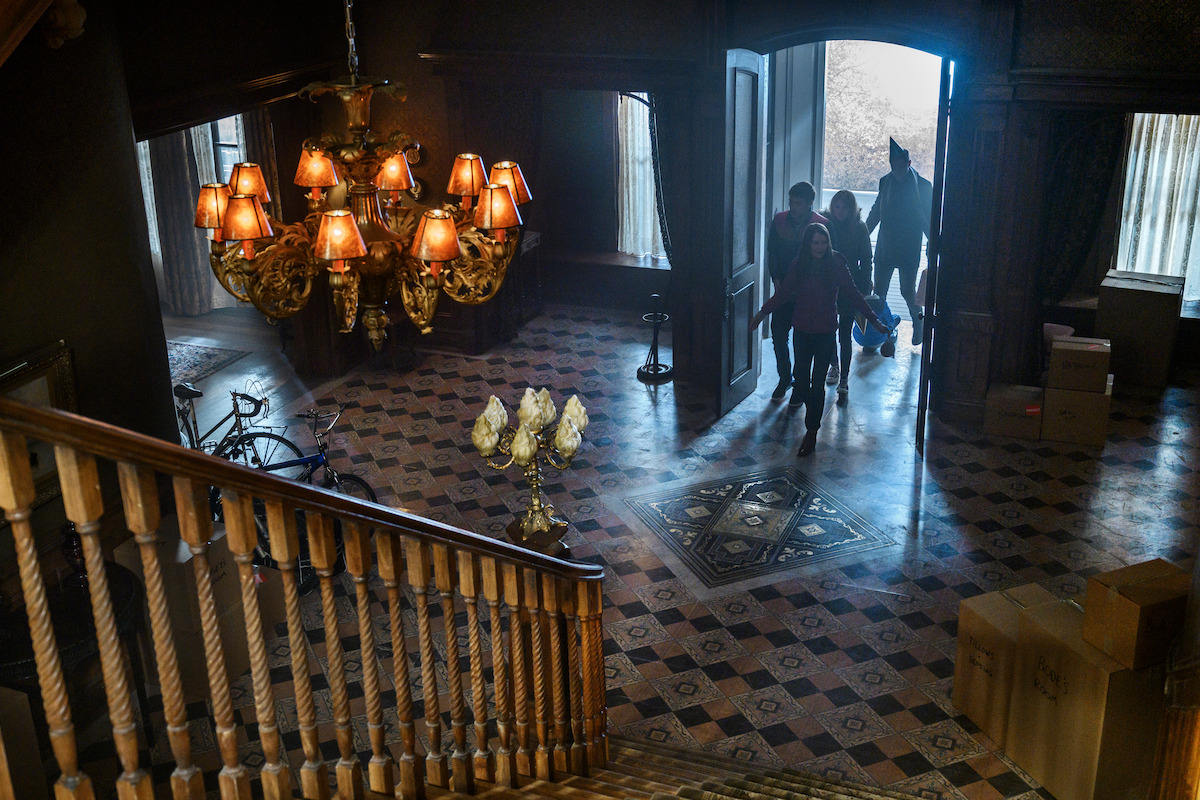
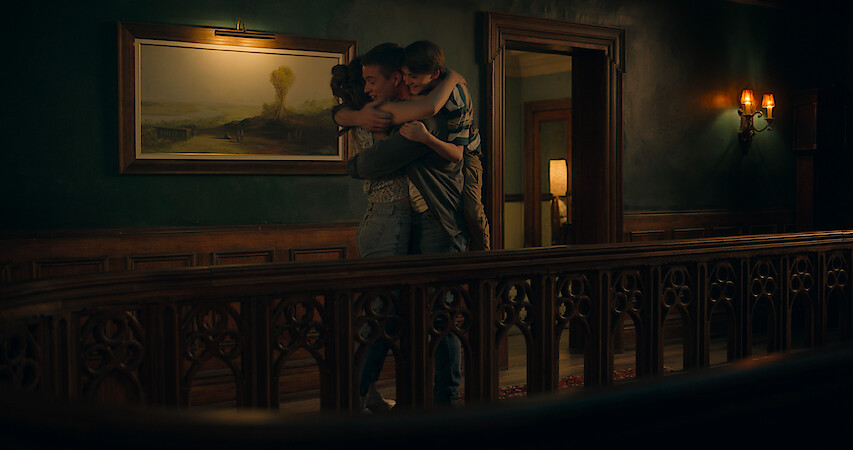
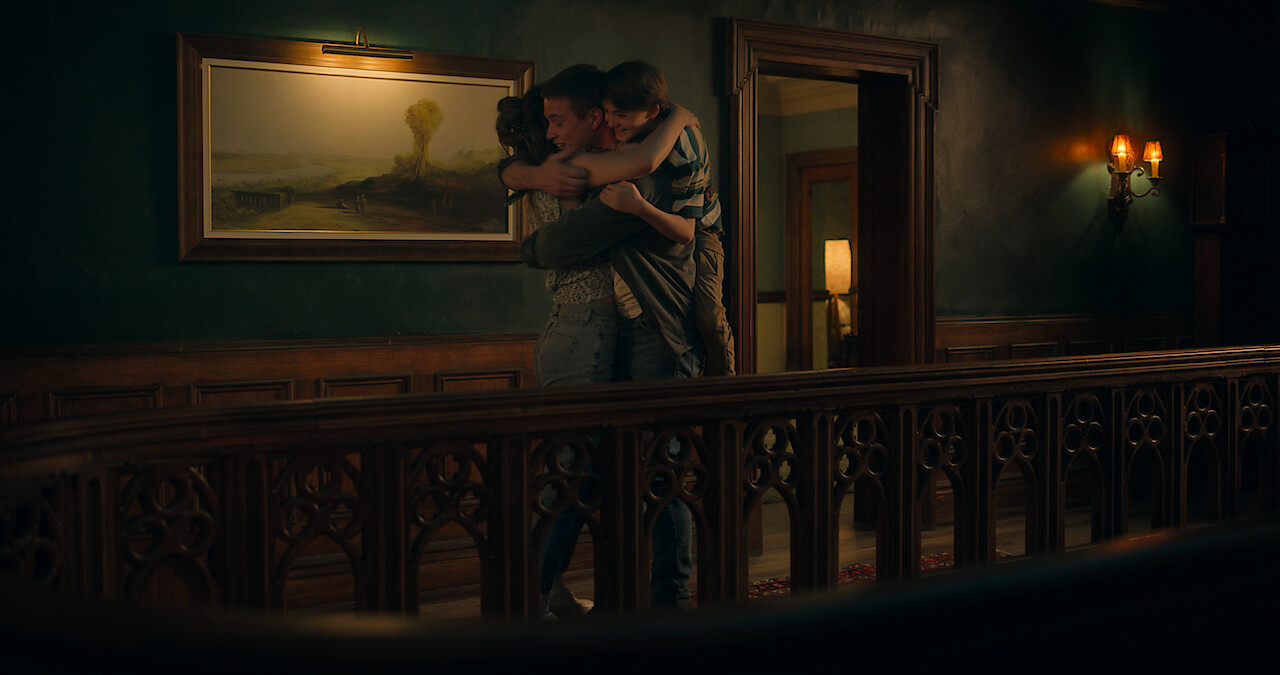
The sets for the 17th-century home have an overall ornate look featuring aesthetic details from a variety of eras — including Georgian, Victorian and Art Nouveau styles — and the intricacies that come with all that ornamentation offer plenty of possibilities. “From a décor point of view, it’s an eclectic mix of styles that give you lots of moments to search and find,” Steel tells Tudum. Frieze wall panels, intricate paintings, and shelves filled with tchotchkes like a snow globe, ornamental little boxes and a spyglass are just a few spots he and his team found to accommodate the magic-making implements that propel the show’s story forward.
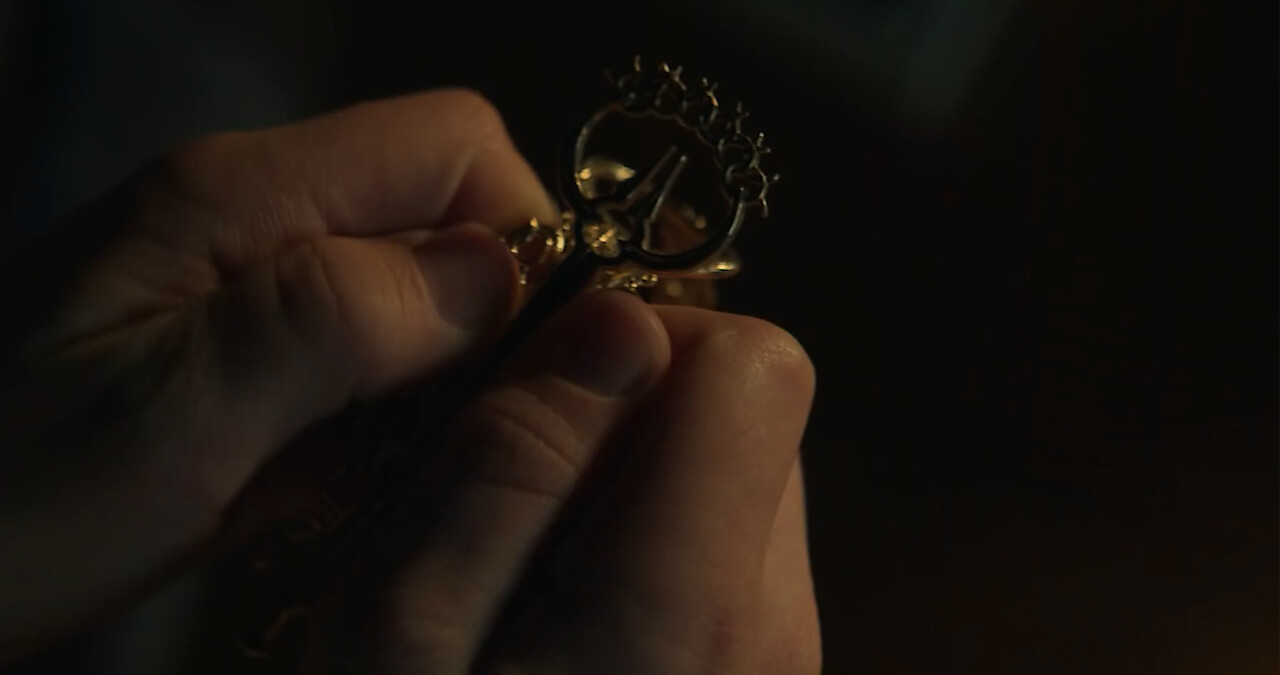
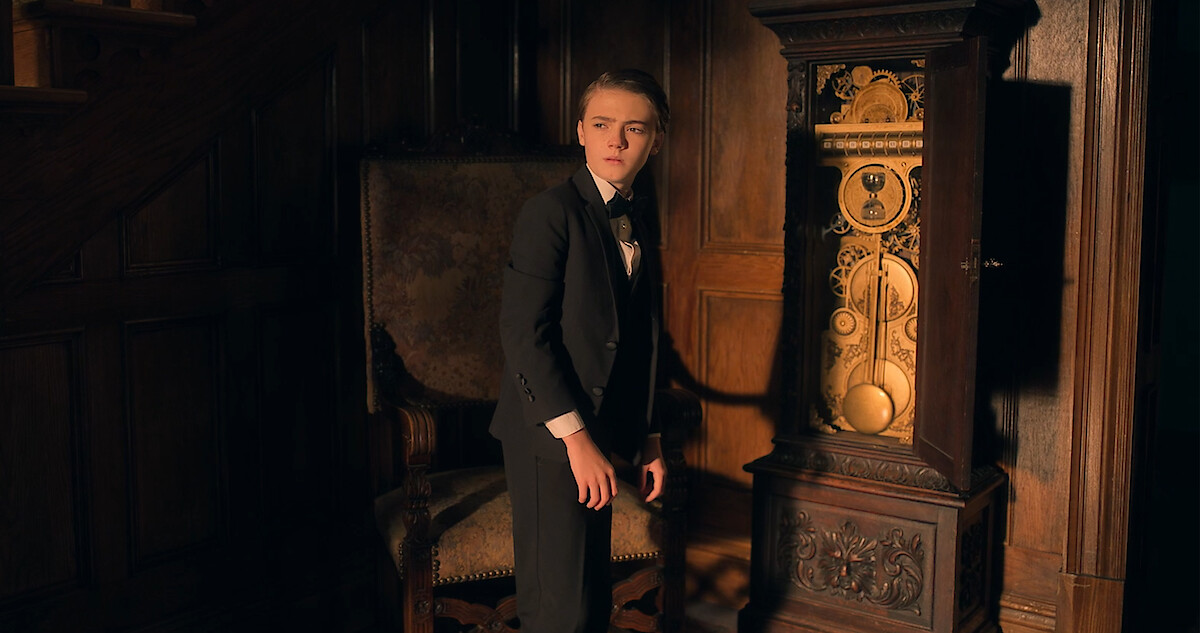
In Season 3, Bode encounters a key he’s never seen or used before inside the type of grandfather clock that appears right at home inside a historic manor like Keyhouse. And, Steel points out, it looks like an authentic relic because it is. “Originally, the grandfather clock was purchased as an antique, and then Kerry Spurrell, our prop master, worked with builders to create the inside workings with the hourglass. All those things were then refitted into that piece to make it complete and do all the things it does,” he explains. Just like the story, the objects in the house are a mix of old and new, reality and fantasy. “It’s always best to try to find the most real thing,” Steel says, “then enhance it.”
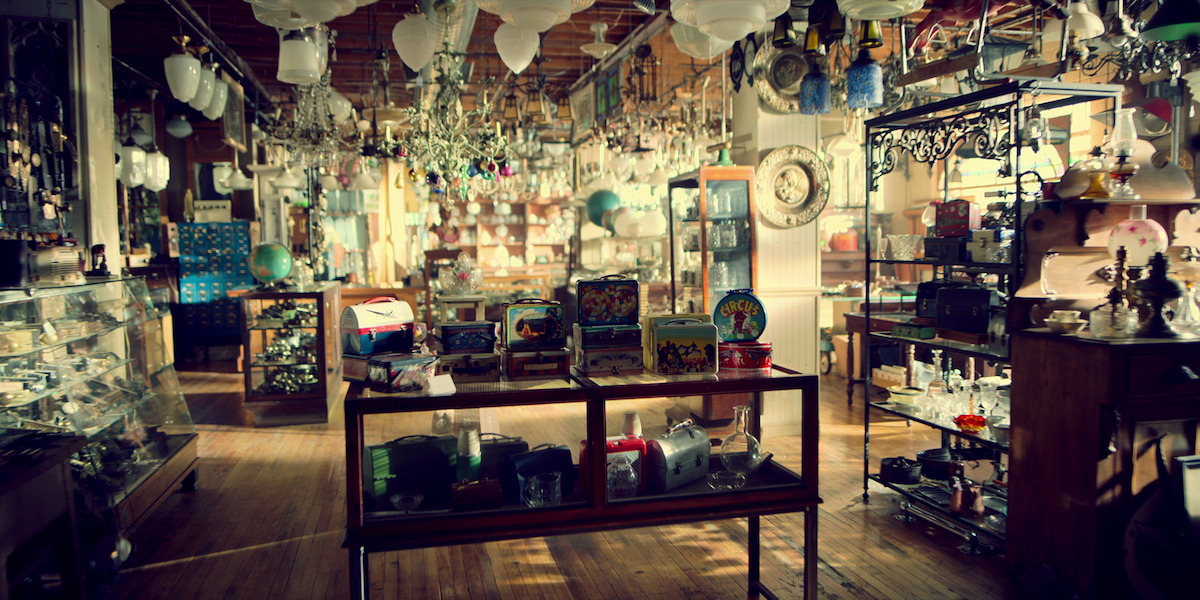
Keyhouse isn’t the only place where authentic antiques show up in Locke & Key. Nina Locke does historic home and furniture restoration for a living, and her passion for rehabilitating old pieces takes center stage when, using the Head Key, she enters her own mind. In Season 3, Nina uses the Head Key in order to explore her own memories of her late husband, Rendell, and her thoughts are depicted on screen as being akin to an ethereal antique shop. Those scenes were shot inside The Door Store, a real restoration shop in Toronto. “It’s a shop that salvages old fireplaces, doors, pieces of architecture and locks, so it was a really awesome setting for what we imagined would be her real sensibility,” Steel says. “It was great to, at the end, finally put a button on connecting her mind and soul with part of her character.”
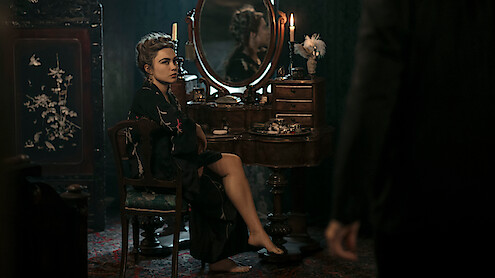
Like Nina’s antique-store mind, Keyhouse itself is a capsule of the Locke family’s past, and that’s reflected in the decor. The basement, which acts as a hangout for both the current Locke kids and the generation of Locke kids before them, clearly hasn’t been updated since Rendell and his friends, aka the Keepers of the Keys, hung out there decades ago. “[The basement] was brought into the ’80s,” Steel shares. “That was a moment to step out of the Georgian time capsule and go into another era.” Similarly, Steel and his team wanted the ancestor home’s third floor to reference its early Colonial history. “We consciously left the third floor a little bit more unfinished and a little less formal, which is much more in keeping with the early American, New England style of that era.” By leaving these spaces stuck in another time period, they became the perfect spots for flashbacks, which revealed important past events that have implications for the home’s current occupants.
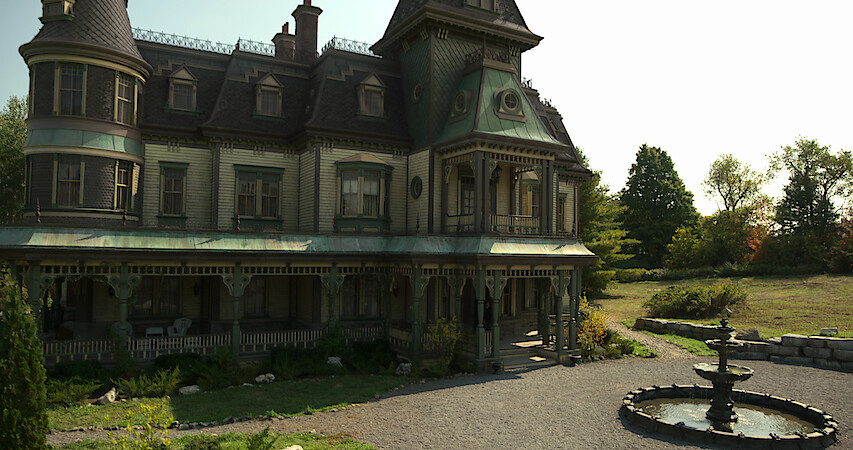
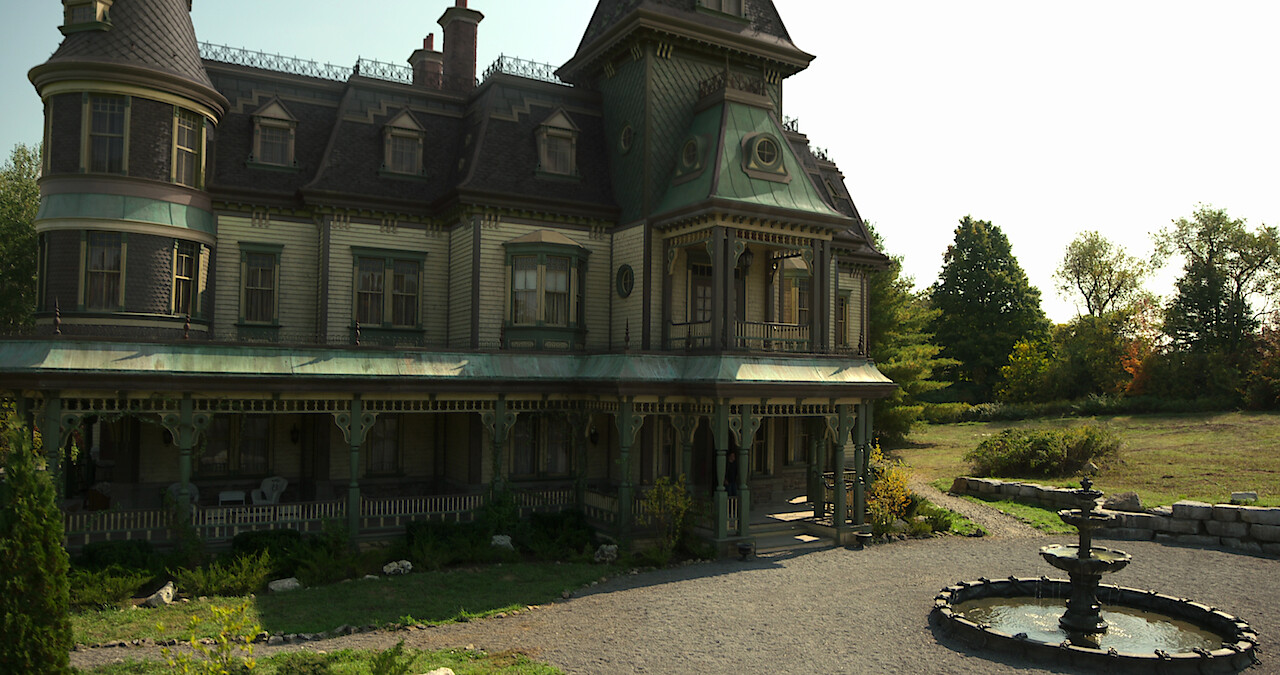
The third floor’s decor also makes reference to all those still undiscovered Locke family and Keyhouse secrets. “When we did the third floor, we tried really hard to tell a little more of a story about what else is happening in the house,” Steel says. “When you stand outside and look at the house, there’s a pretty strong feature — the turret. So, we did a round turret room with a really interesting ceiling for Duncan [Aaron Ashmore], which was fun to build.”
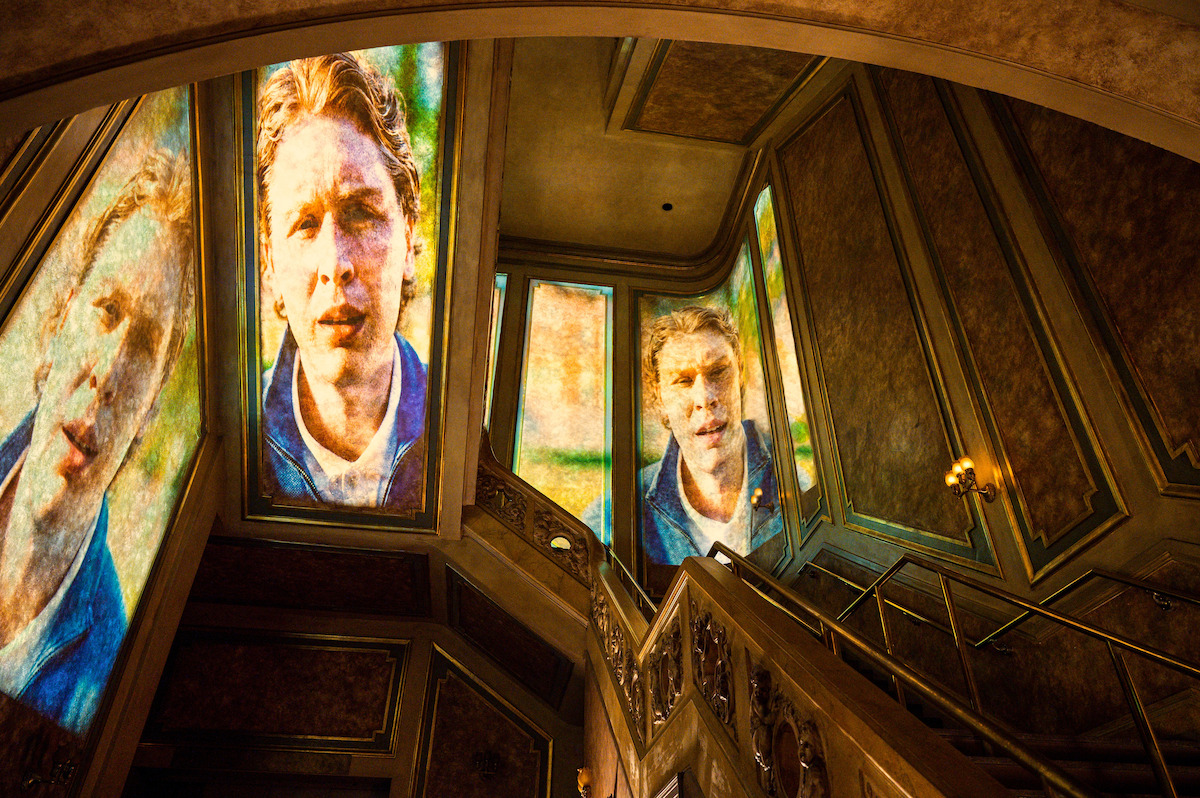
Beyond the visually stunning ceiling, though, the turret bedroom offers all sorts of possibilities. “In the very back of the turret room, there’s a little secret stairway that we built with a closet door that we left open. It’s some stairway to somewhere,” Steel explains. “I tried to insert the idea that there were stairways going to other places all along the third floor, although we never used them. If you look carefully, there are places you could go if you wanted to imagine.”
Although Locke & Key has now come to an end, it’s somehow comforting to know there’s still new magic left inside the fictional Keyhouse that fans can explore within their own minds — even without access to the Head Key.