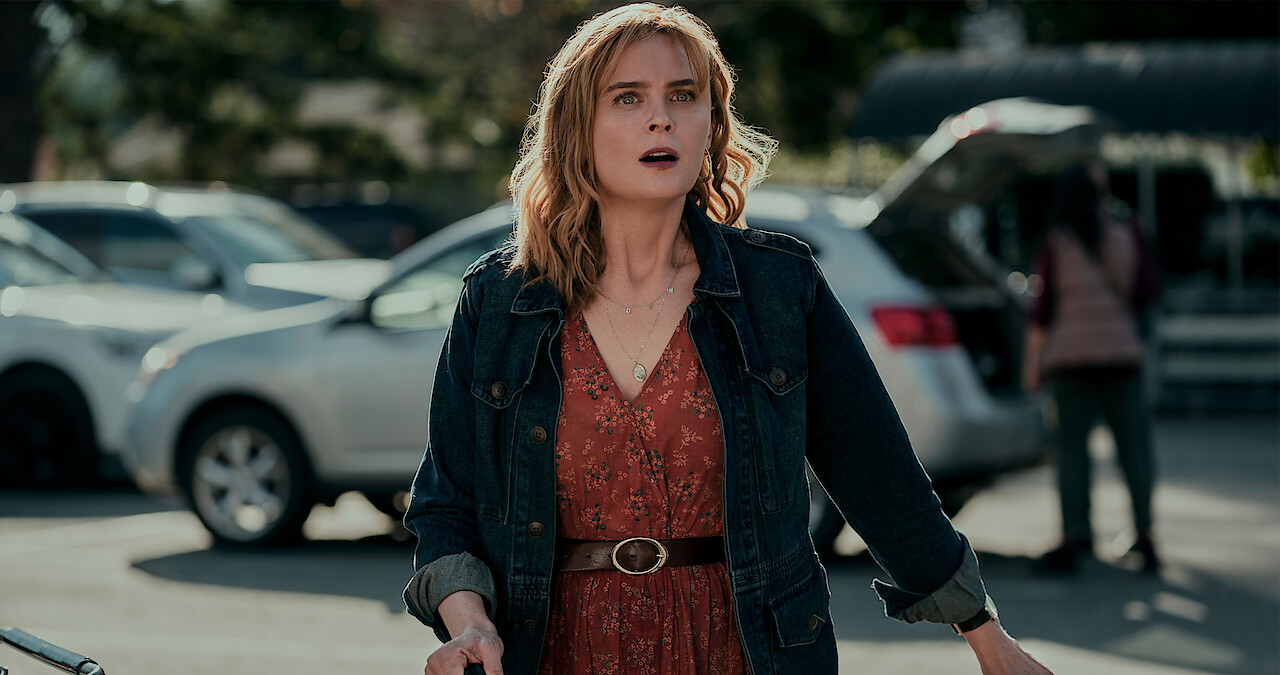
Ricardo Hubbs/Netflix
Explainer
Let’s Talk About the Ending of Devil in Ohio
What actually happens to Mae?
March 5, 2024
Spoilers for the series finale of Devil in Ohio ahead.
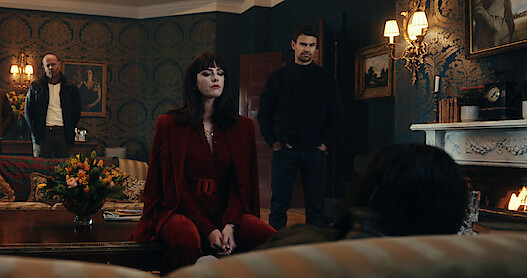
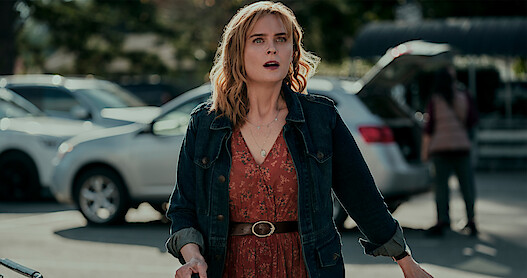
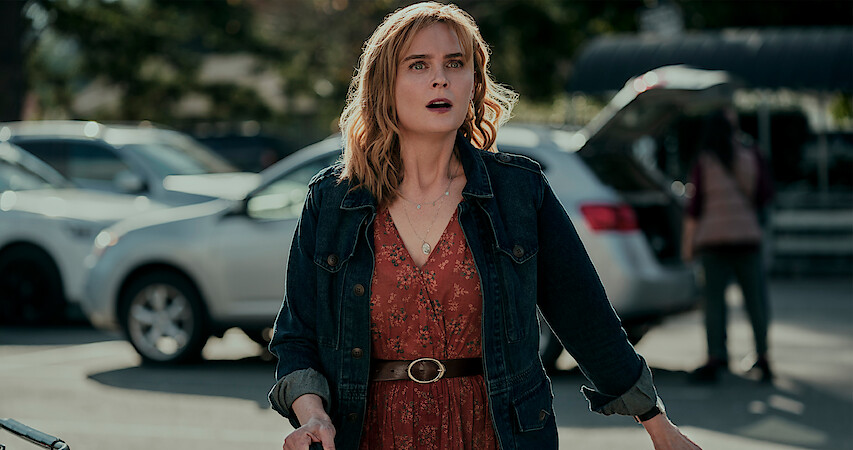
Devil in Ohio ends with a shocking revelation: Mae Dodd (Madeleine Arthur), the teenage cult escapee sheltered by psychiatrist Suzanne Mathis (Emily Deschanel), has been hiding a big secret. Far from being dragged back to her cult against her will during the Harvest Dance, Mae orchestrated the whole thing, going as far as stealing her date’s car to get herself there. In other words, it was Mae who set in motion the events leading to her mother’s death and the devastation of Suzanne’s family. Why would Mae do all this? So that she could be exactly where she wants: alone with Suzanne.
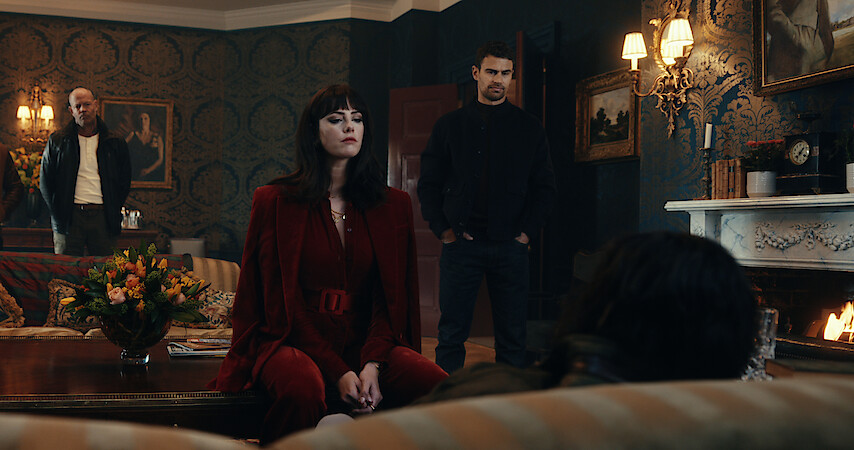
Viewers learn all this when Suzanne gets a phone call from Detective Lopez (Gerardo Celasco), who has finally pieced together the evidence and tells her what actually happened. Shaken, Suzanne returns to the table, trying to conceal that something is wrong. “Let’s eat,” Mae tells her. “We deserve it.” The episode ends with the two women staring at one another, unsure of what comes next.
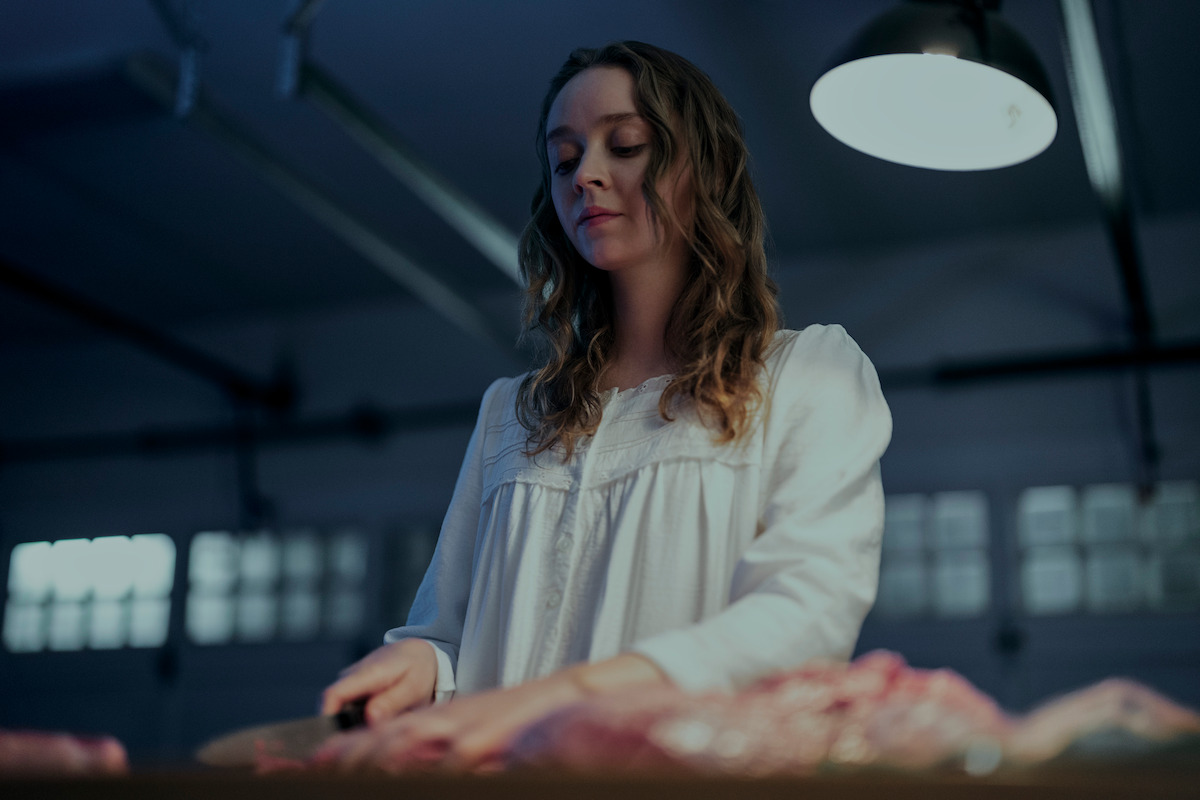
“I loved filming that scene,” Arthur tells Tudum. “They told us we couldn’t move, we just had to stare into each other’s eyes.”
Deschanel, who’s chased down a mystery or two in her time as Temperance Brennan on the Fox crime procedural Bones, adds that she couldn’t believe the ending when she read it. “I’m someone who predicts every twist and turn in every show,” she tells Tudum. “I did not expect that. I found it really juicy.”
Though Devil in Ohio is based on Daria Polatin’s eponymous novel, its ending is completely new. “We just let this series be its own thing and find its own conclusion, which ended up being different from the book,” says Polatin, who also served as showrunner. “We’re always asking the question, ‘Is Mae a force for good or a force for evil? Is she an innocent victim or is she a manipulative perpetrator?’ And she ends up, depending on whose perspective you’re looking at, being both.”
Before you ask, the ending isn’t the only aspect of the novel that Polatin altered for the screen. While the novel’s framing is focused on Suzanne’s teenage daughter, Jules (Xaria Dodson in the series), and how she copes with the arrival of Mae in her home and high school, the series instead zooms in on Suzanne. “I became really interested in the question of ‘Why does Suzanne take this girl home? ’ ” Polatin says. “Why did she become so obsessed with her? What happened in Suzanne’s past that makes her want to help Mae so much? And how far will she go to keep Mae safe?”
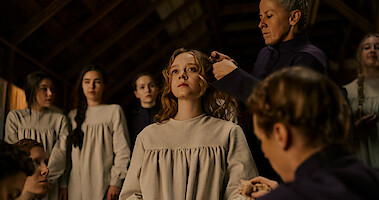
The answer, it turns out, is pretty damn far. The finale begins with Mae’s mother preparing her to undergo the same ritual sacrifice Mae escaped from in the premiere. Unbeknownst to either of them, Suzanne, alerted to Mae’s sudden disappearance from a high school dance by Jules, has followed her, determined to save Mae. While she eventually does, donning the hooded costume of a member of the cult and sneaking into the ceremony before helping Mae off the pyre that had been built to burn her alive, not everyone gets out alive. Mae’s mother replaces her daughter in the flames at the last minute, giving herself up to the devil in an act she believes will save the cult.
According to Deschanel, that scene was a particularly difficult one to film, and not just because of the big emotions involved. “It had snowed,” she says. “They had to get big heaters out to melt the snow, and it was really wet and cold in the middle of the night. Thank God we were wearing those [cult] hoods.”
As for the later twist, which casts a shadow in Suzanne’s mind about whether Mae has been manipulating her this whole time,– Arthur says a rewatch may reveal hidden Easter eggs hinting at the outcome. She points to Episode 7, when Suzanne tells Mae that she will have to leave her home, and move into a facility that might give her the kind of support she needs to move on with her life. Given what we know of Mae at that point, and her desperation to stay with Suzanne, you might expect her to beg for permission to stay. But Mae just nods at the news, smiling. “She’s really upbeat and doesn’t have a bad reaction or get upset by having to leave,” Arthur says, adding that she made that choice after reading the finale script. “When you can really track the [character’s] trajectory ahead of time, it makes it so much more effortless when you step onto set. You can really make strong, bold choices knowing that's where you end up.”
Having a scene partner like Deschanel doesn’t hurt either. “Emily’s such a pro; I just was trying to take in anything I could from her.”
So is Mae the villain of this series? Or is she really the victim Suzanne initially believed her to be? Arthur says she tends to lean toward the latter. “In her mind, Mae is doing all the right things to be included in the family,” she says. “She really wants Suzanne’s approval and respect. And she wants that nurturing relationship that Suzanne has with her daughters.”
Deschanel agrees, stressing that she thinks Suzanne ends the series still feeling protective of Mae, despite what she’s learned. “I could see it going a few different ways,” she says, “[but] I think it’s very possible that she doesn’t do anything [with the information]. She doesn’t kick her out. She blames Mae’s trauma and continues to care for her.”