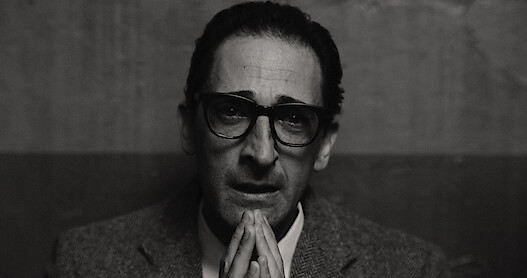
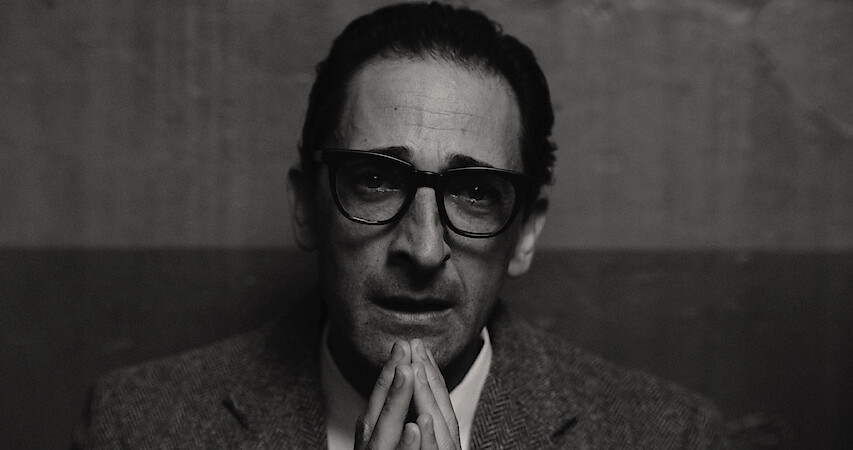
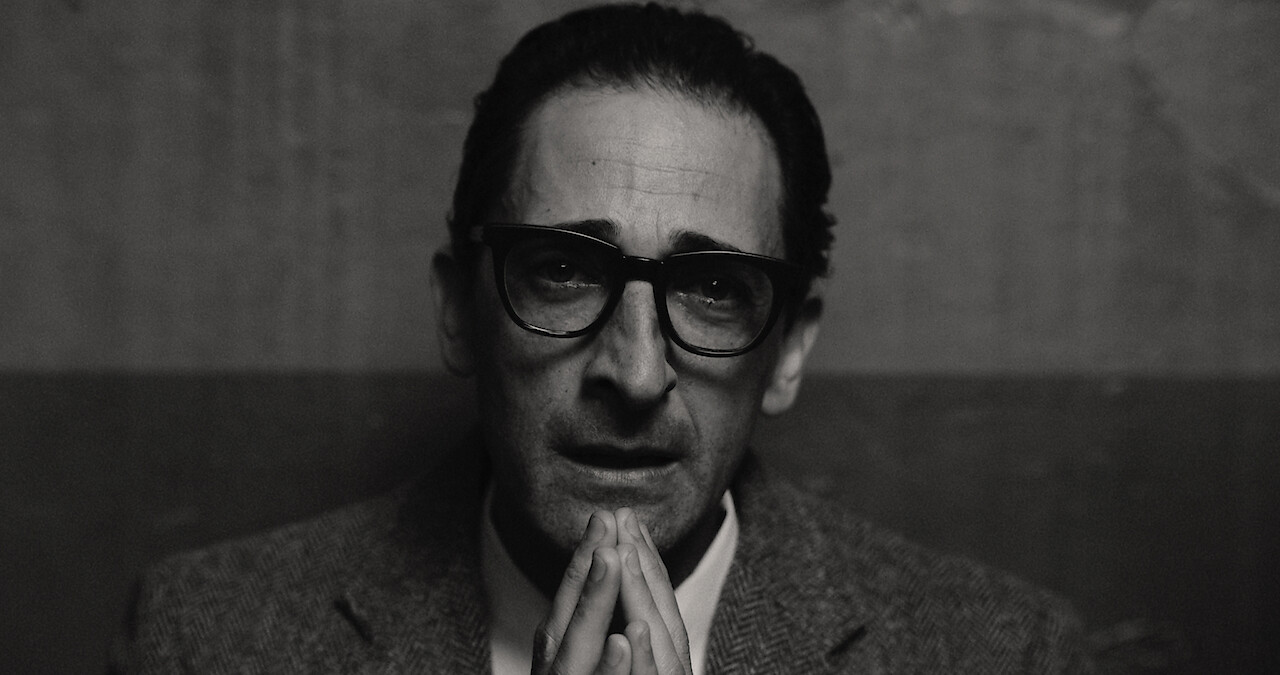
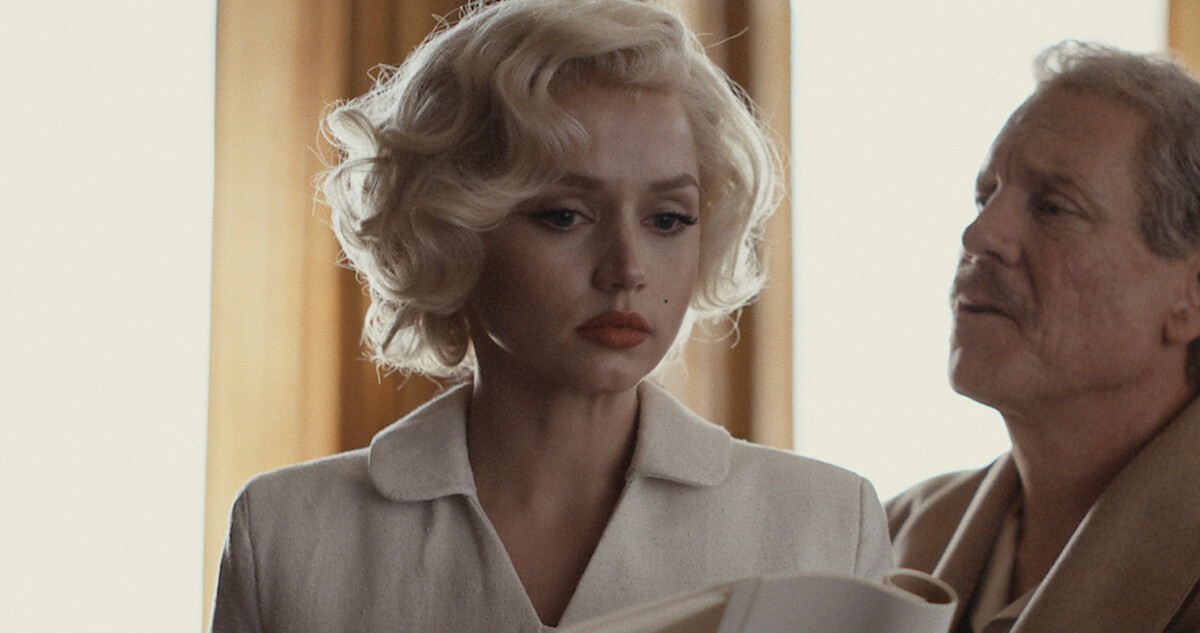
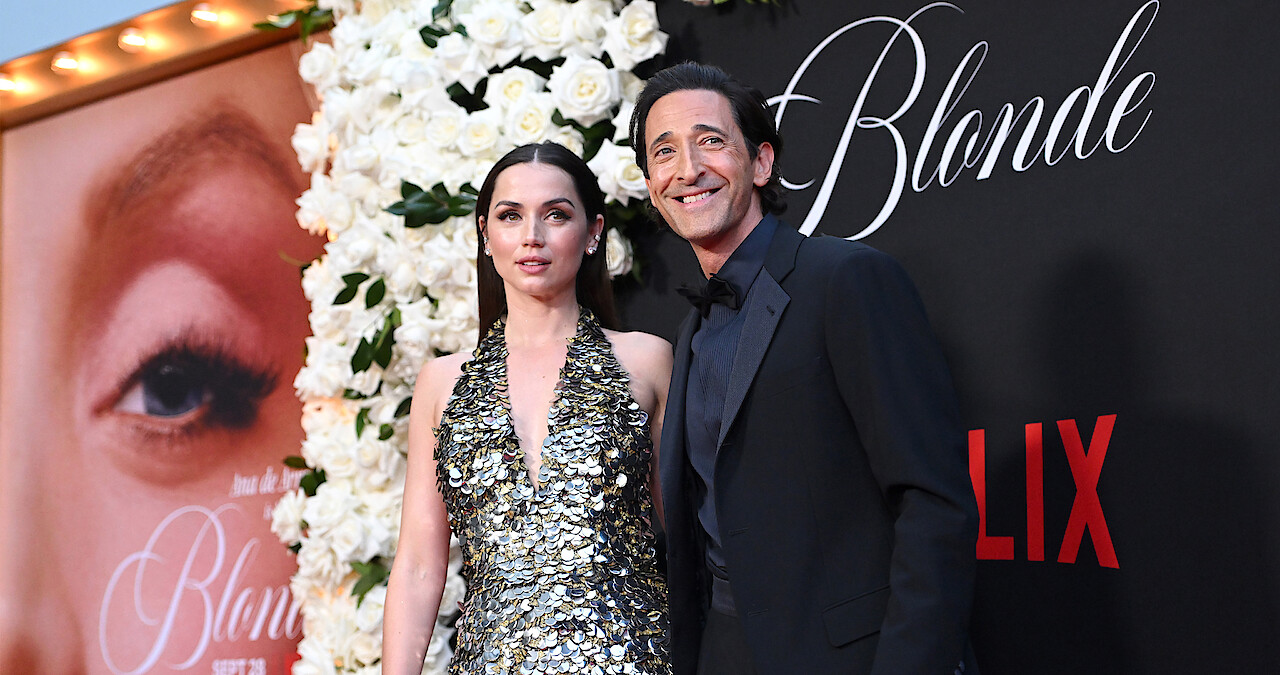
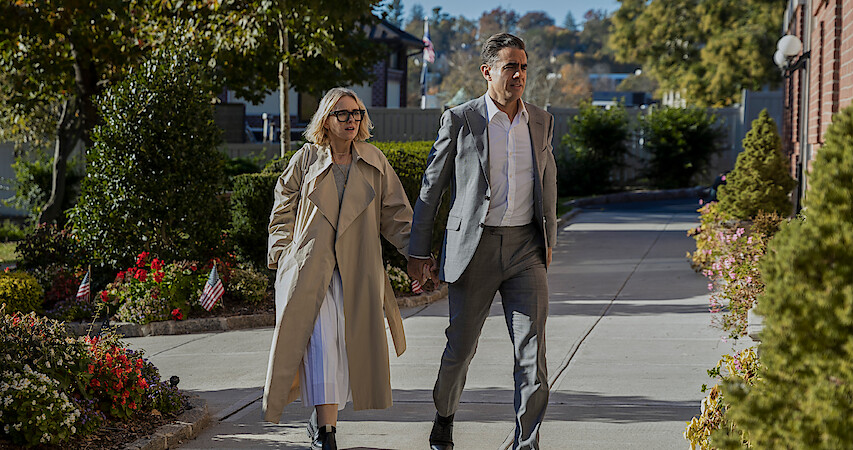
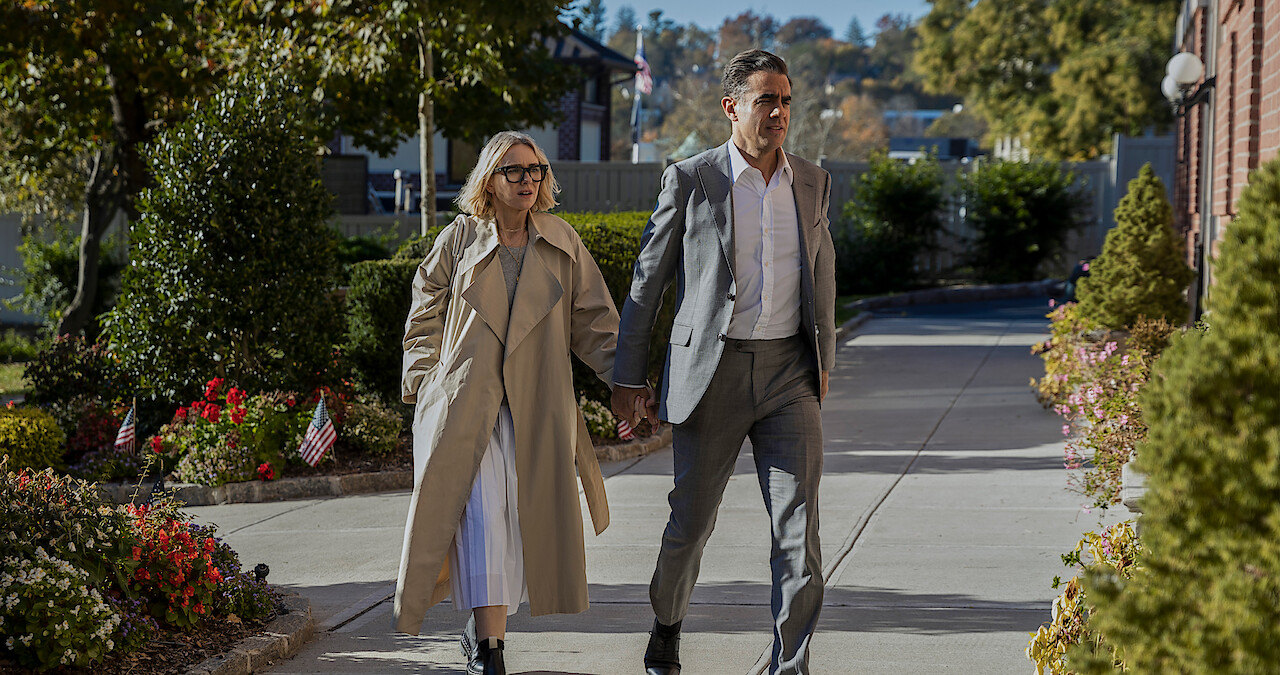
To depict one of the more loving male relationships in Marilyn Monroe’s life, Blonde director Andrew Dominik enlisted Academy Award winner Adrien Brody to play her third husband, Arthur Miller (simply called “The Playwright” in the film’s credits). It was a time marked by great joy and tremendous sadness for the Hollywood icon, who suffered two miscarriages and a drug overdose while the couple was together. And Brody, no stranger to challenging roles, naturally leapt at the chance to play the Death of a Salesman creator, who was married to Monroe from 1956 to 1961 and eventually wrote her final film, The Misfits, for her.
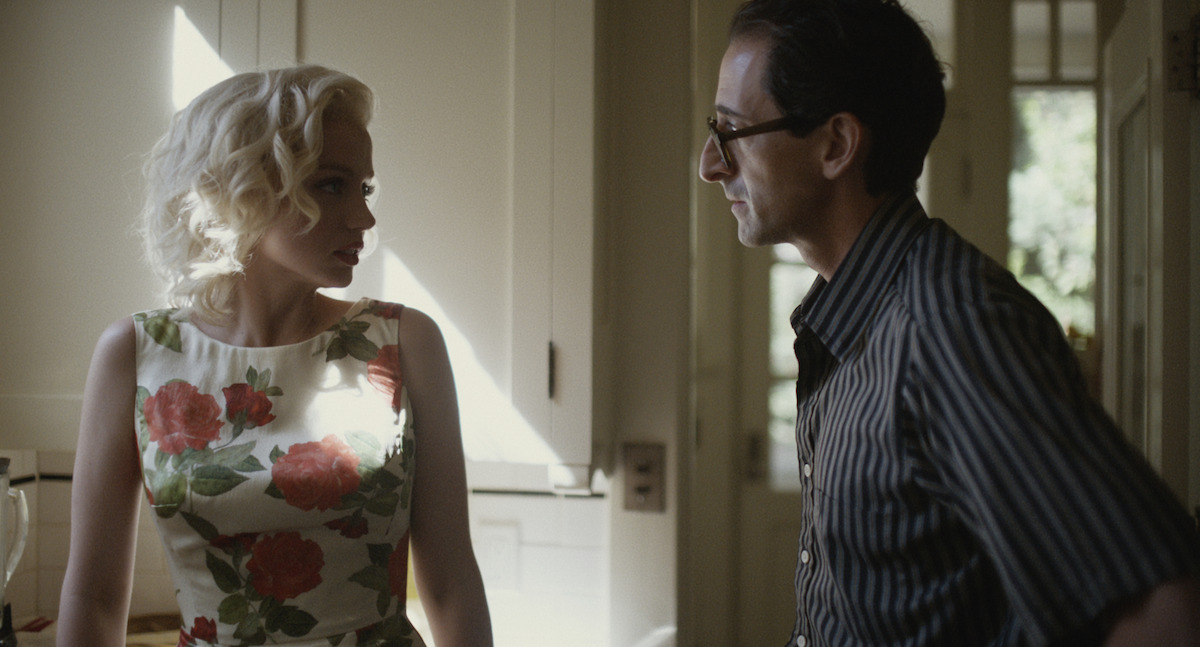
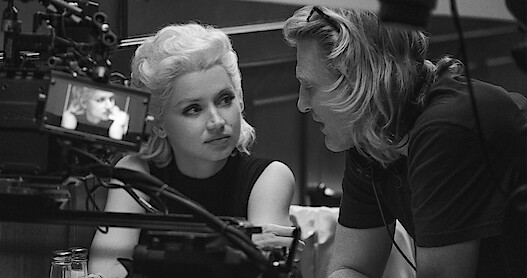
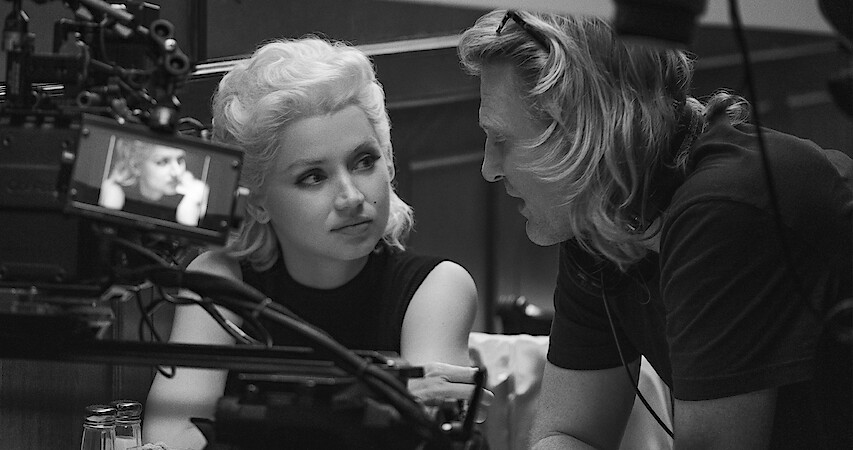
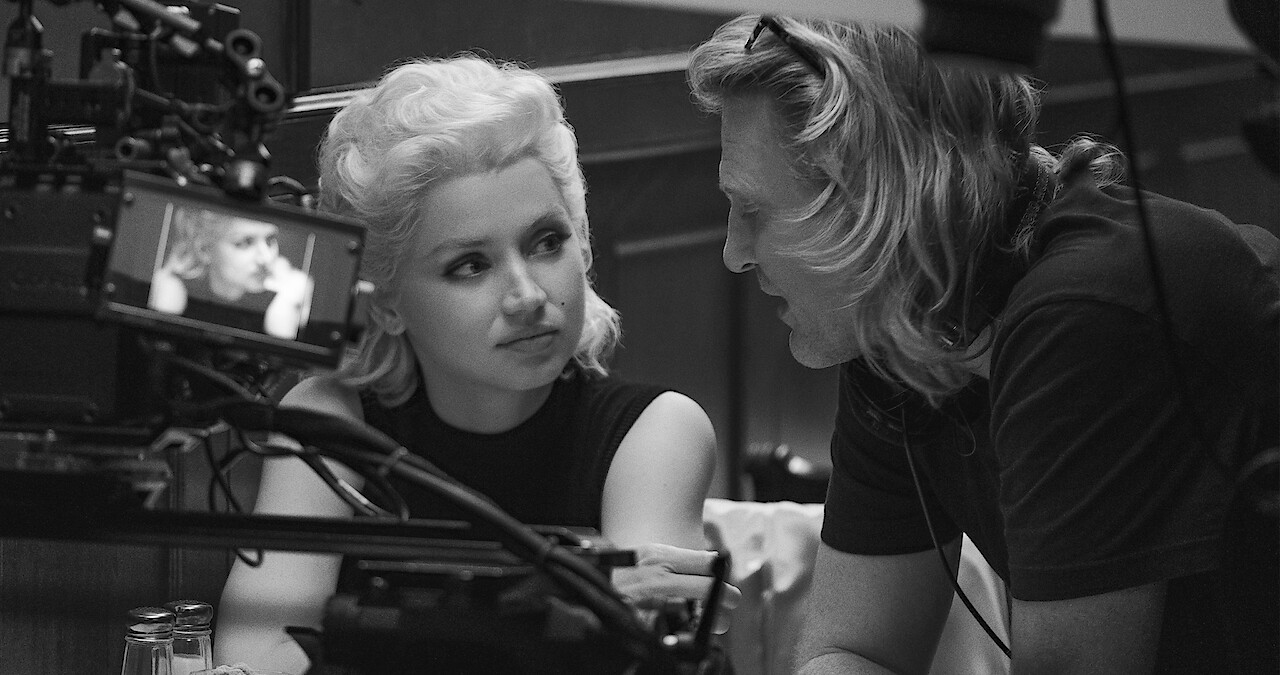
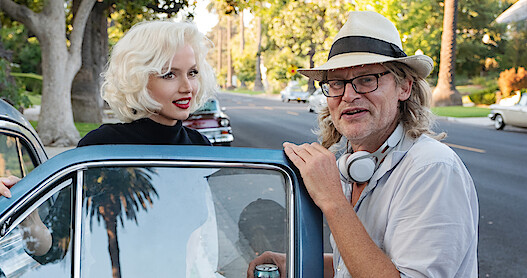
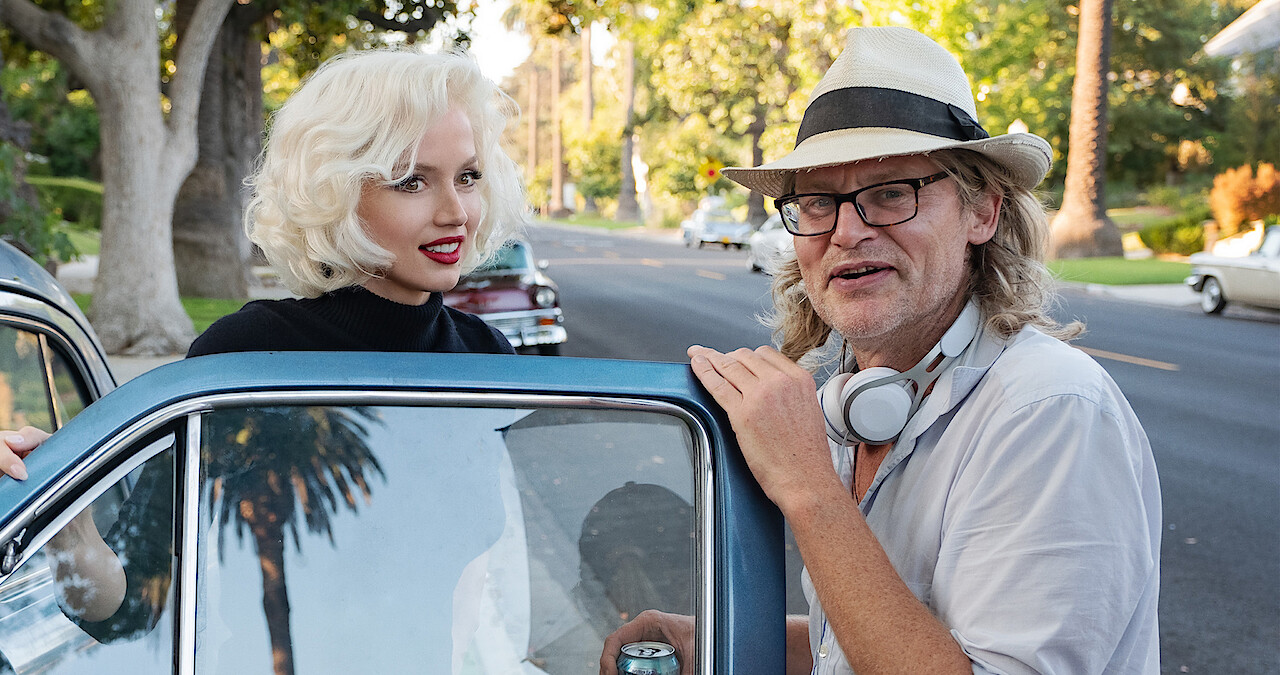
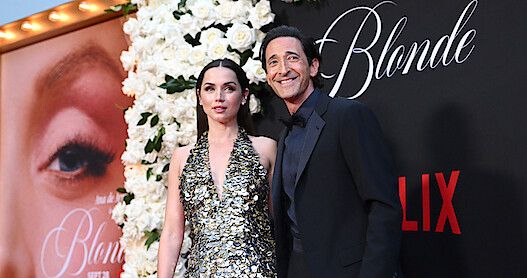
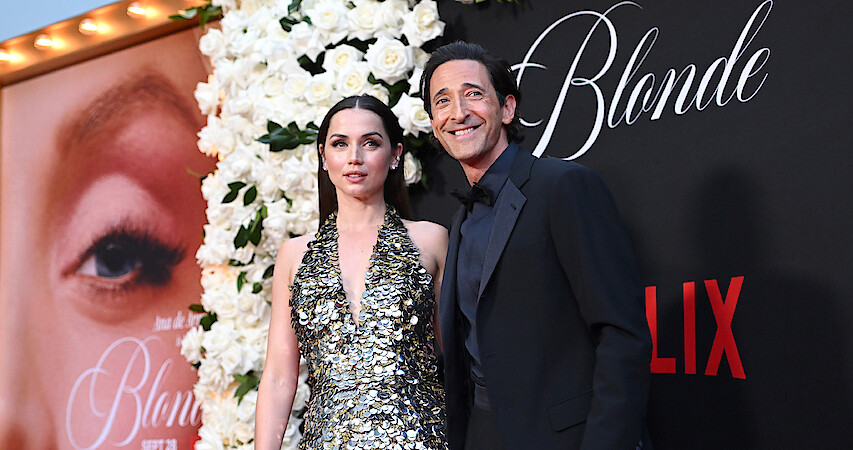
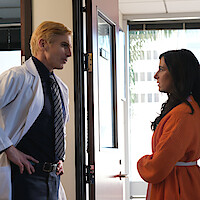
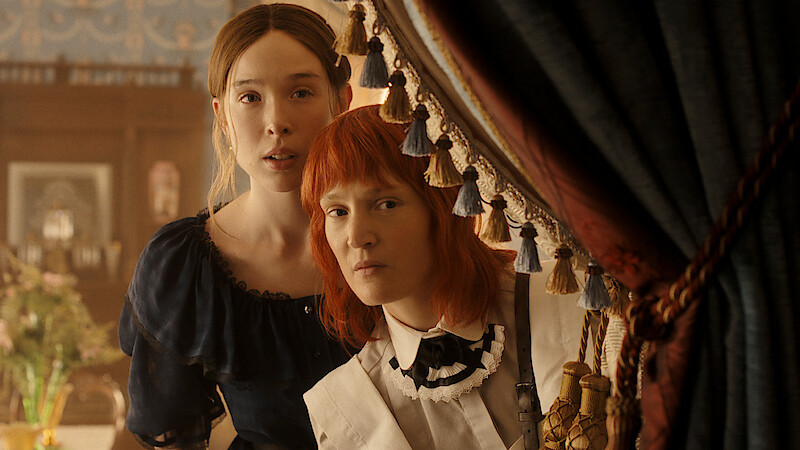
Adrien Brody (right) as The Playwright in Blonde.
Can you talk about your awareness of Marilyn Monroe prior to becoming involved with Blonde?
“I’ve always had a soft spot for Marilyn Monroe, to be honest. I’ve understood to a lesser extent many of the hardships that she’s endured and how different it is from what people’s perception of who and what she was, and what that life was like, and how she started life so alone and died so alone. And that’s really tragic. Life is unfair to many people. But when you look at someone who’s ostensibly achieved so much and has received such adulation worldwide, for it to be so vastly different from her personal experience, and for it to be such an empty life full of longing, it’s heartbreaking.
Did the experience of working on the film amplify what you already knew about Marilyn’s time with Arthur Miller?
I came to the table with an understanding of her that’s been reinforced in the filmmaking and the process of doing more research on her life and their life together and the complexity of their life. I think that’s what’s wonderful about this film... it’ll create a sense of awareness that I think most people don’t have. Perhaps it will bring some more empathy for her.
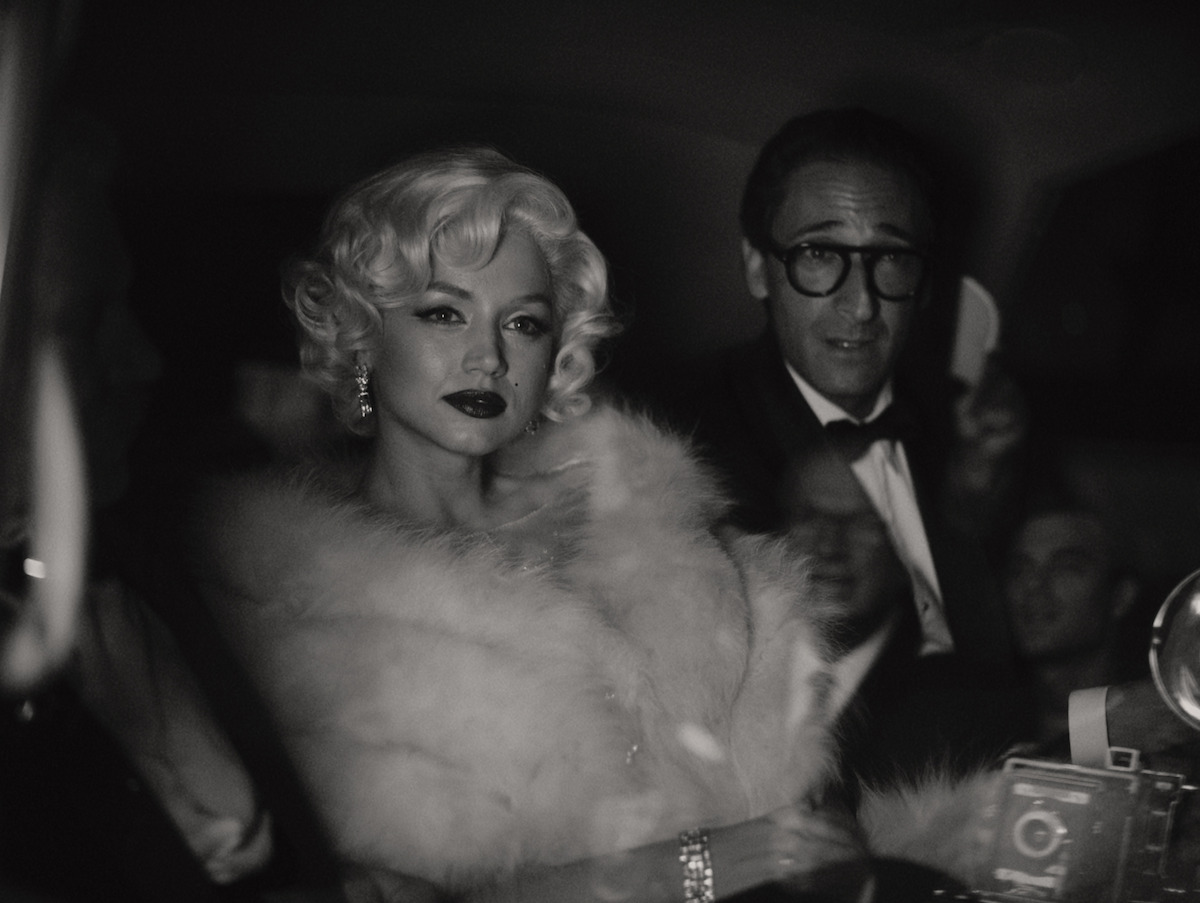
“When you look at someone who’s ostensibly achieved so much…for it to be so vastly different from her personal experience…it’s heartbreaking.” Brody says of the real Marilyn Monroe.
How did you approach condensing a figure as significant as Miller into Marilyn’s story?
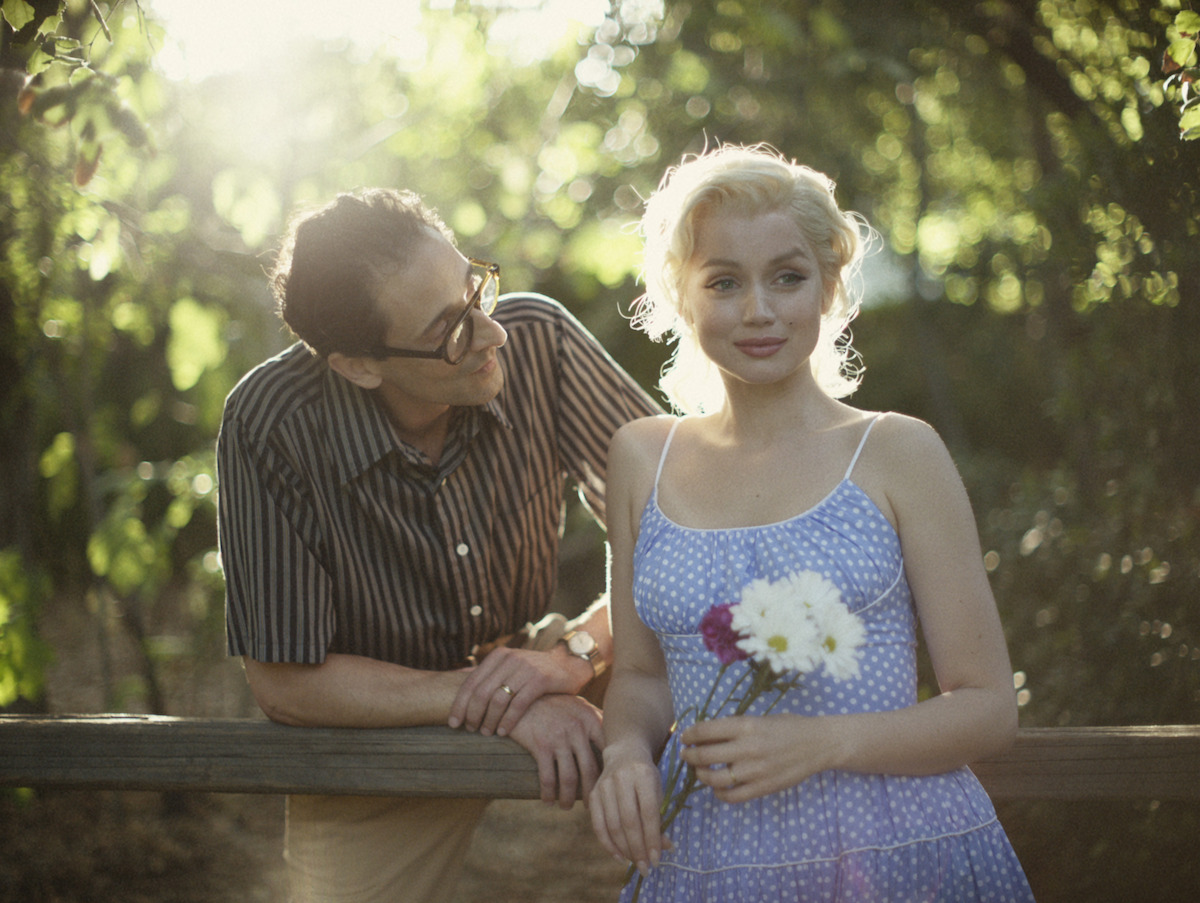
I had a very clear, protective sense of honoring a man who deserves his own movie, or perhaps their life together deserves its own movie. I had this limited window to express all of that. Andrew and I had many conversations about that and what was important to both of us. I know that he’s very happy with it, and I’m very happy and grateful for his respect and understanding. I think [her relationship with Miller] brings a degree of hopefulness, I guess, through a lot of the bleakness of her experiences with men. It’s still a complex relationship, but I think there’s love and consciousness of the woman that she really is, as fleeting as it may be in her lifetime, that it is captured in that moment. And that’s important to me.
The first scene between you and Ana, when Marilyn surprises Arthur by referencing Chekhov, is one of the most tender moments in the film…
That scene actually was the first scene Ana and I got to shoot together. And it says so much on so many levels of that time — a judgment made upon [Marilyn] overall, superficially blinded by her beauty and what she represented, and [Arthur’s] own acknowledgement of not seeing her properly and clearly, and then that awakening. The sensitivity of that moment is so beautiful... and the universality of that struggle for her as a woman and for her journey as an artist. And so all of it was pretty profound and profoundly beautiful.
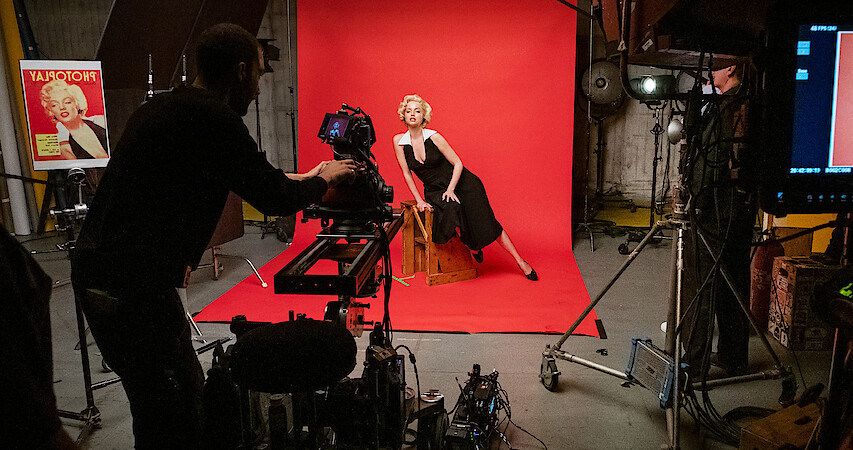
There’s a moment in the film that directly re-creates a famous picture of them…
Well, there’s some really beautiful images of them. They invited the press in, I guess because there was so much curiosity [about] her life. But they had invited the press in for an announcement of their wedding. So there are references to that moment. That’s an awfully large amount of pressure on your shoulders to hold a press conference about finding love. There was just so much interest in her life that they had to do it. It’s such a poetic way of storytelling, and a really interesting springboard to jump into a scene by distilling a moment and then having that moment come to life.
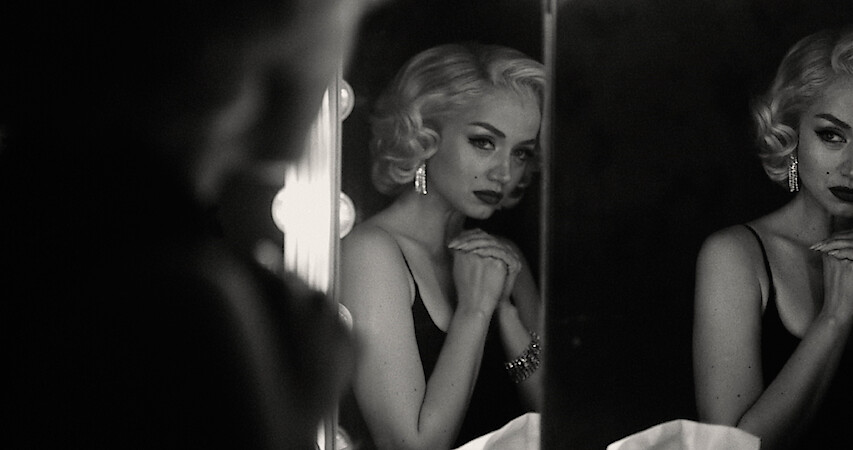
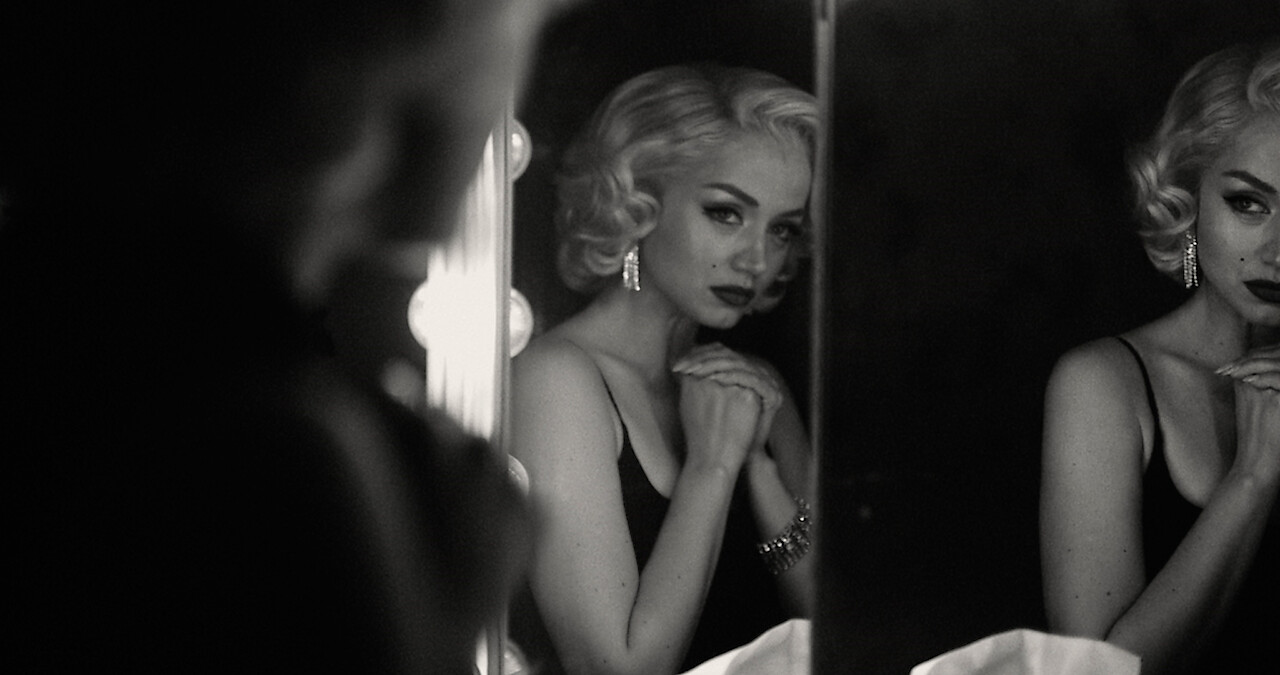
Speaking of re-creations, what was it like working with Ana de Armas as Marilyn?
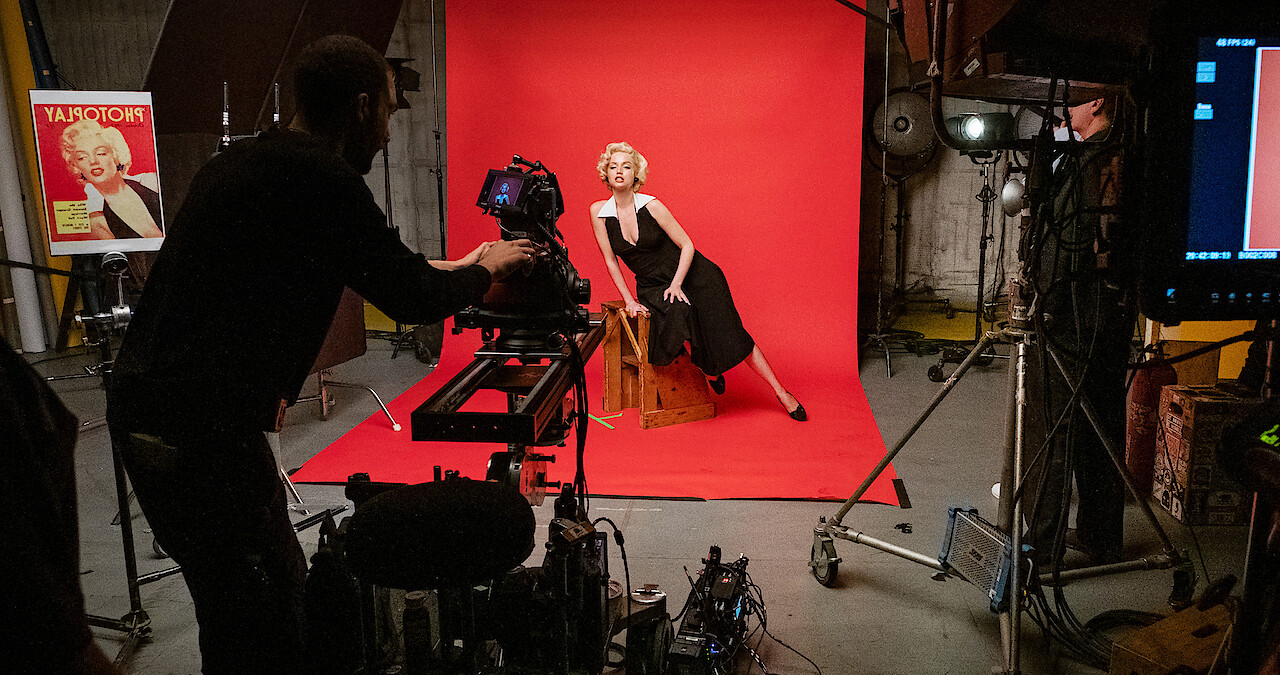
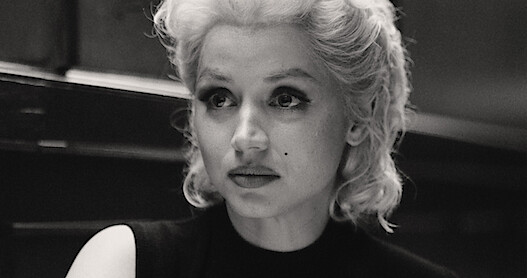
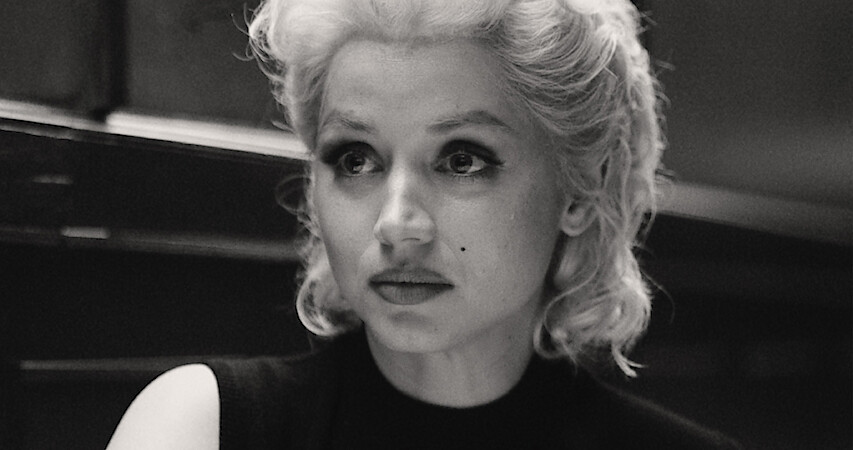
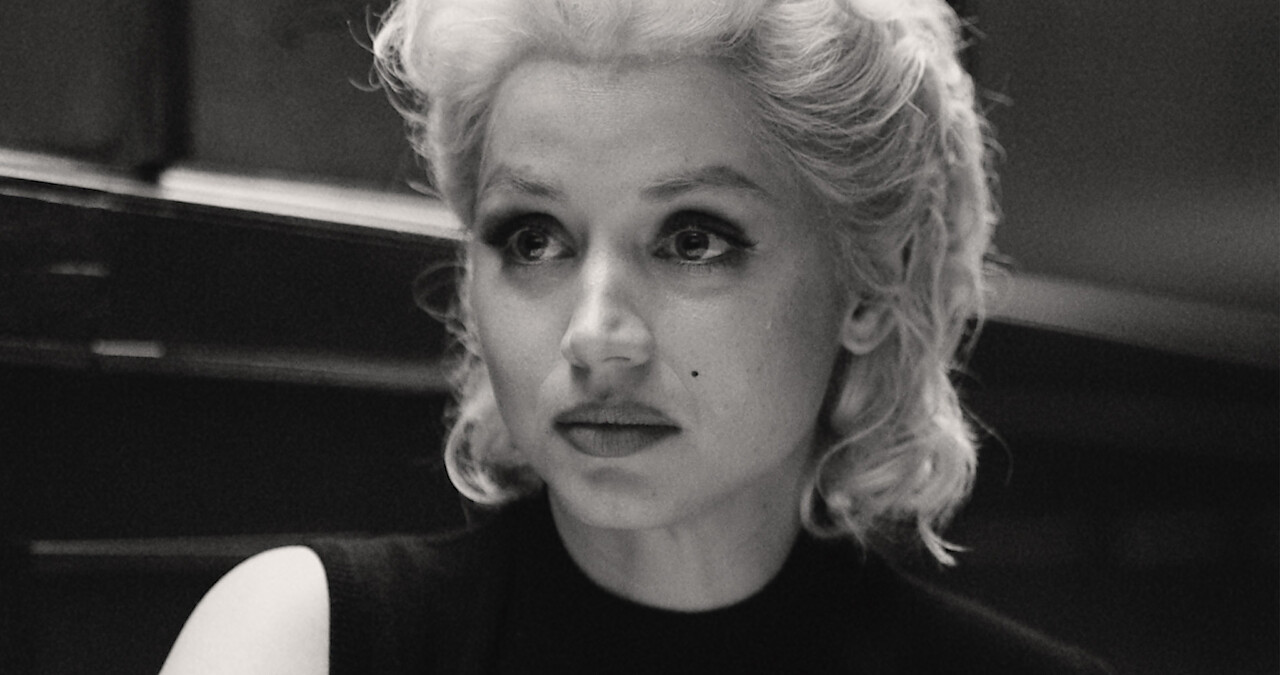
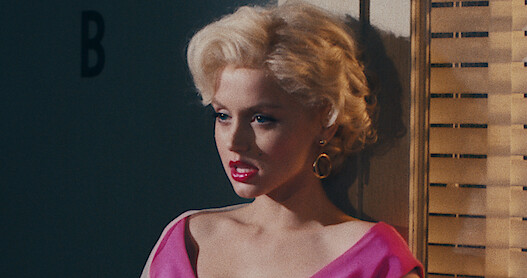
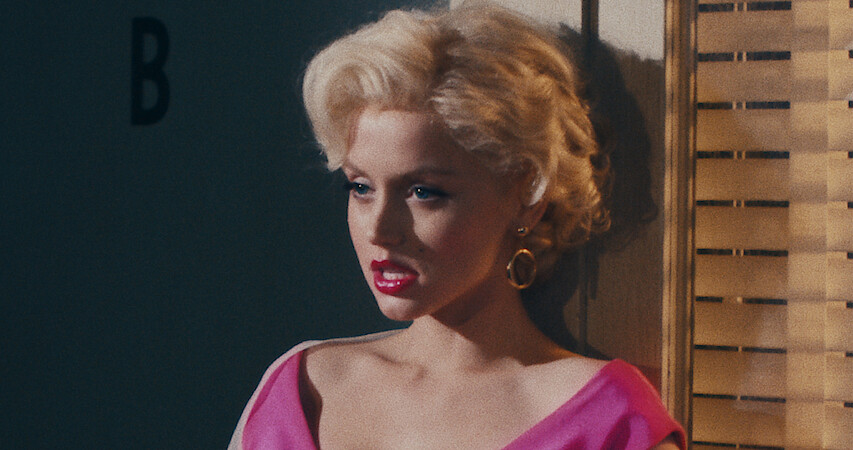
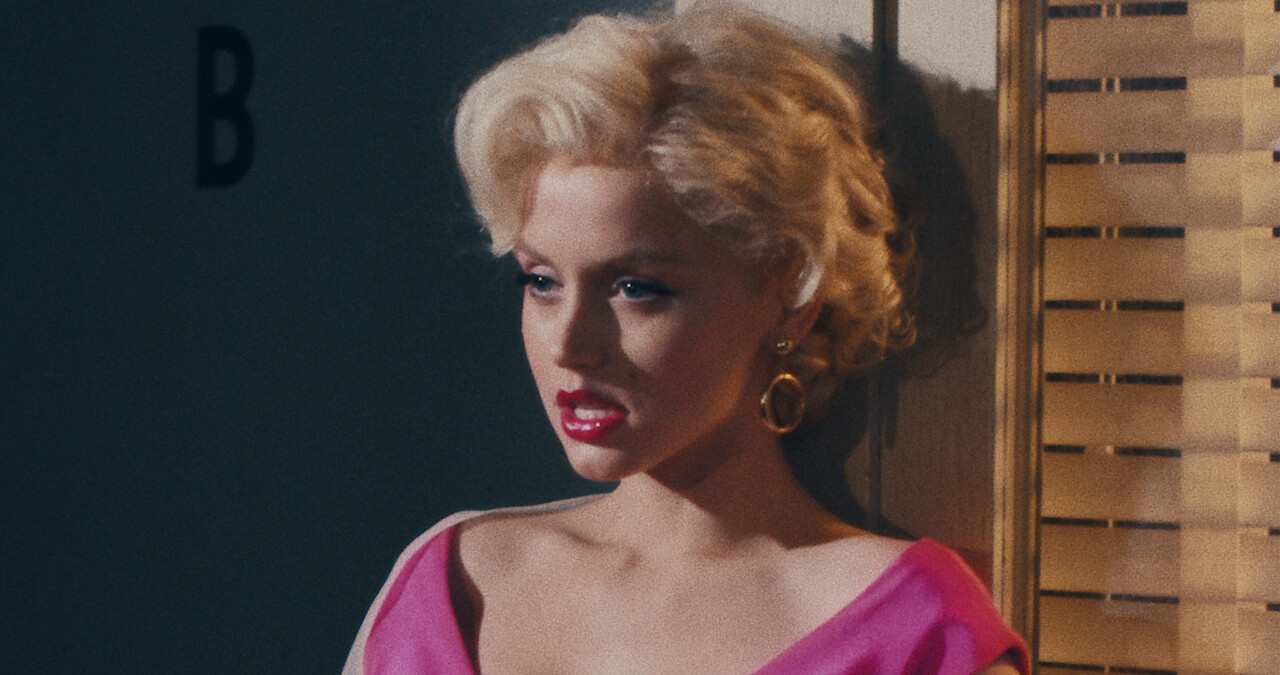
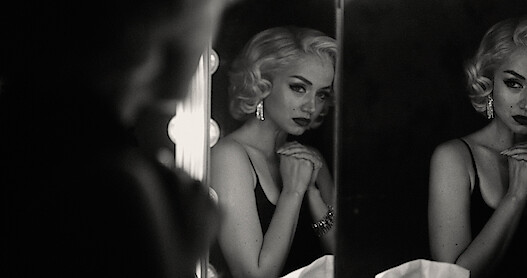
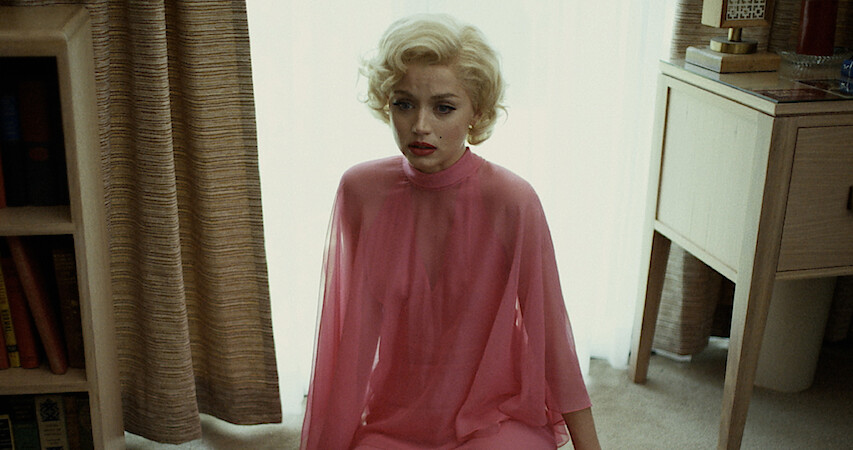
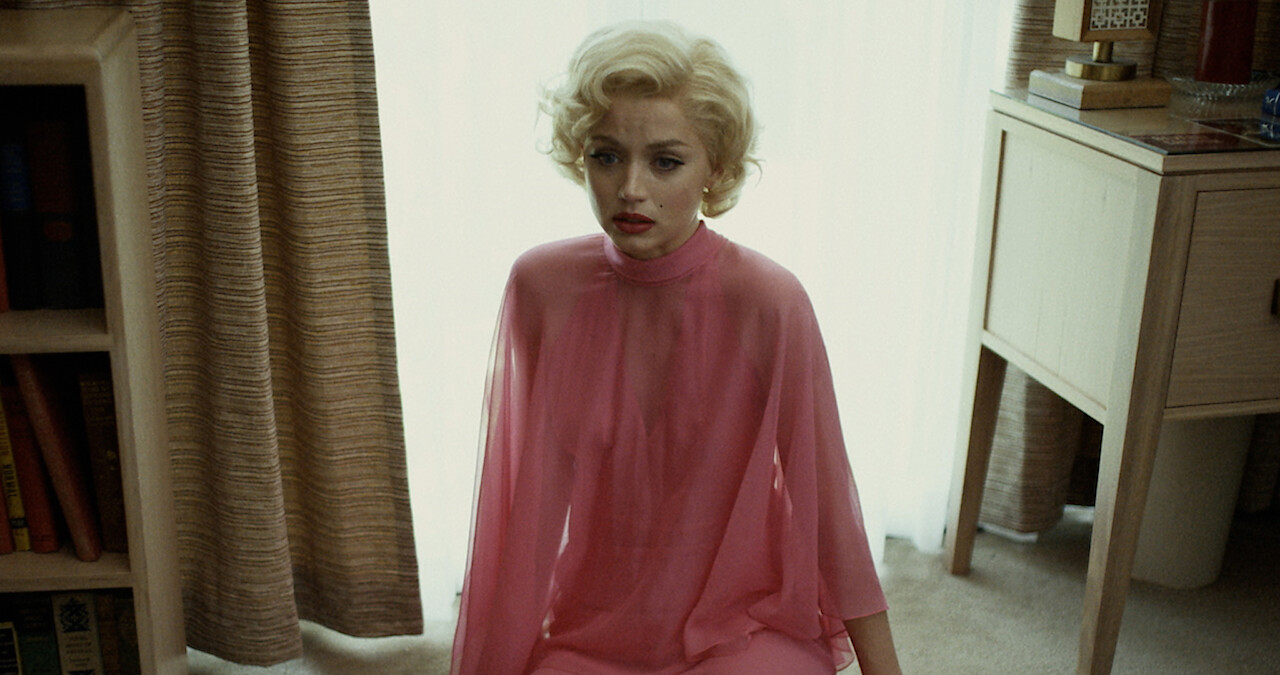
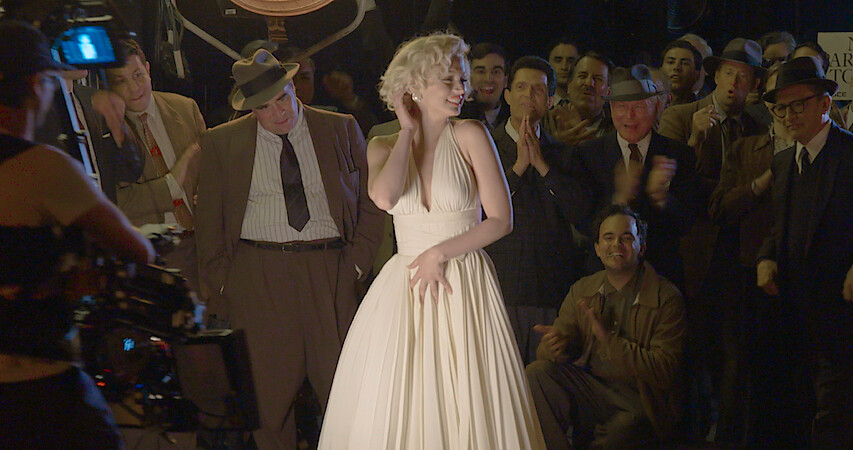
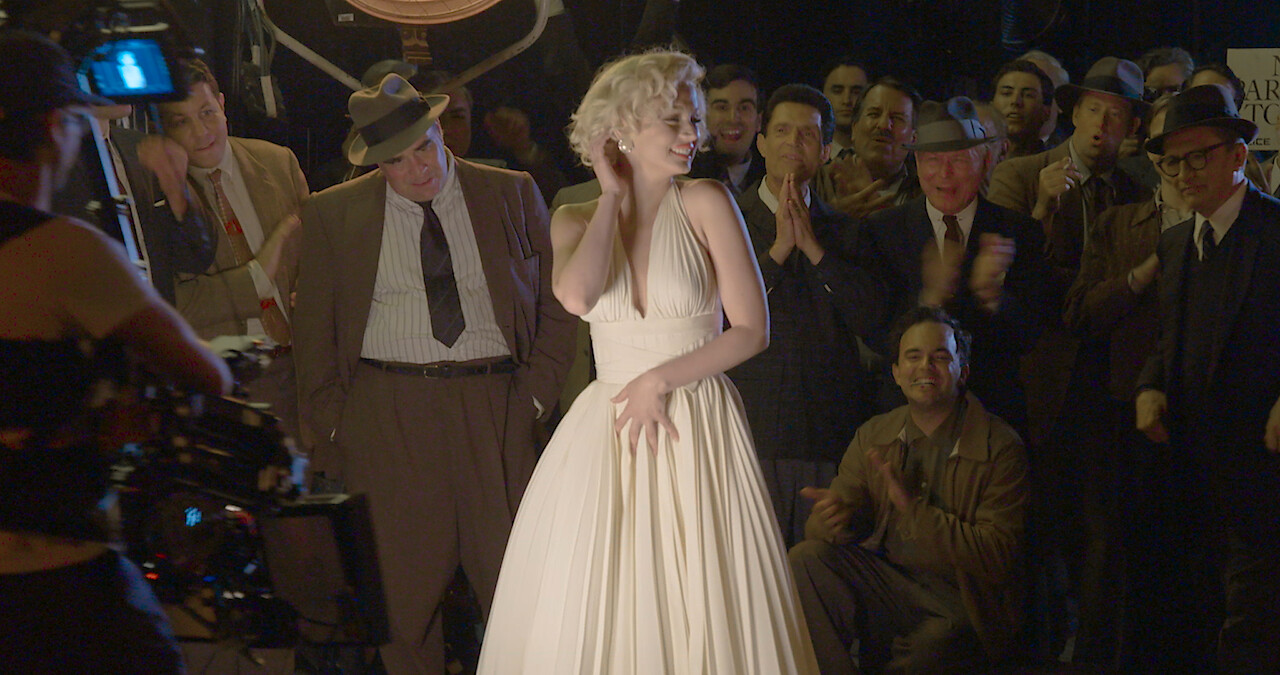
I can’t really shake it. And it’s funny, I’ve been talking about it a lot because it’s very unusual. I have worked for a long time, and I don’t know how often I can recall that another actor transported me to another place in time. I’ve been very moved by people, and I think that I’ve been privileged to work with a lot of wonderful, creative people. But she did something that felt like she was channeling Marilyn Monroe to the point that I went home feeling this sense of joy and privilege of working with Marilyn Monroe. It really was such an odd sensation and I can’t get over it. And it’s funny because she started to look more and more like Marilyn Monroe than Marilyn Monroe to me. And when she was fully in character and makeup, and she would head back to the trailer and she had her dog on set, it was like being behind the scenes of a film from that time — a time that I have a great deal of respect and appreciation for, the cinematic history. And so I got thrust into that somehow, and that was really special.