Up Close
‘The Sandman’: A Conversation with Death
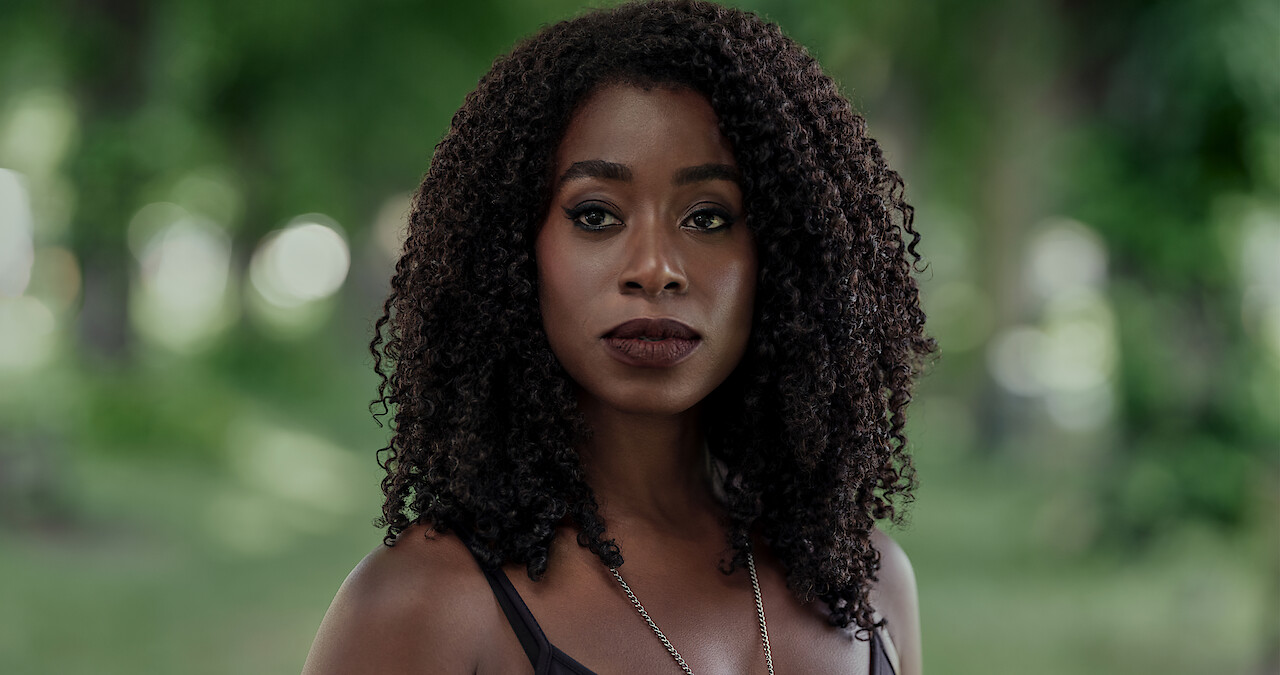
Kirby Howell-Baptiste shares why playing Death is both emotionally daunting and rewarding.
By Lawrence Yee
Aug. 6, 2022
In many works of literature, Death is depicted as a frightening figure, a ghastly grim reaper who comes to collect your soul when your time is up.
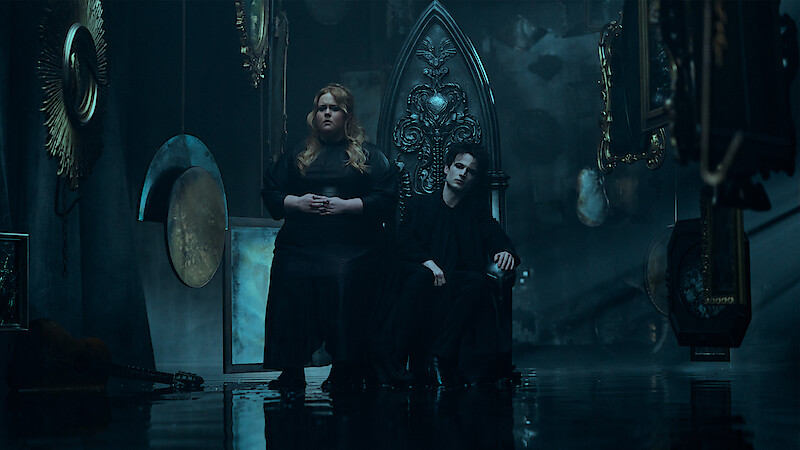
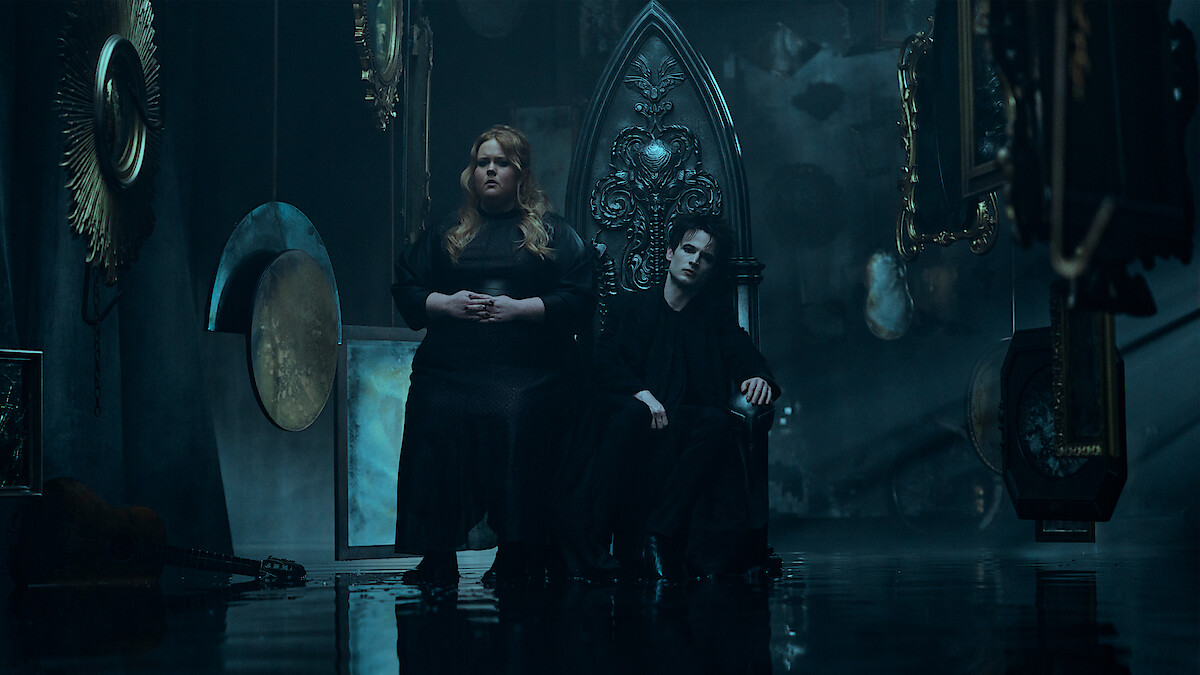
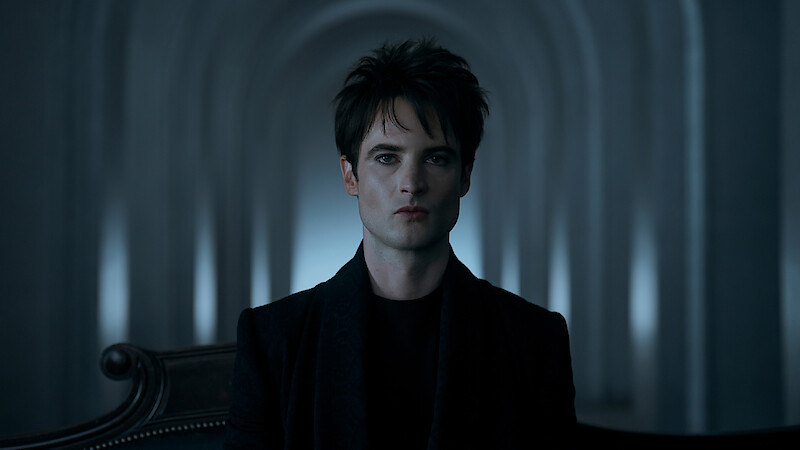
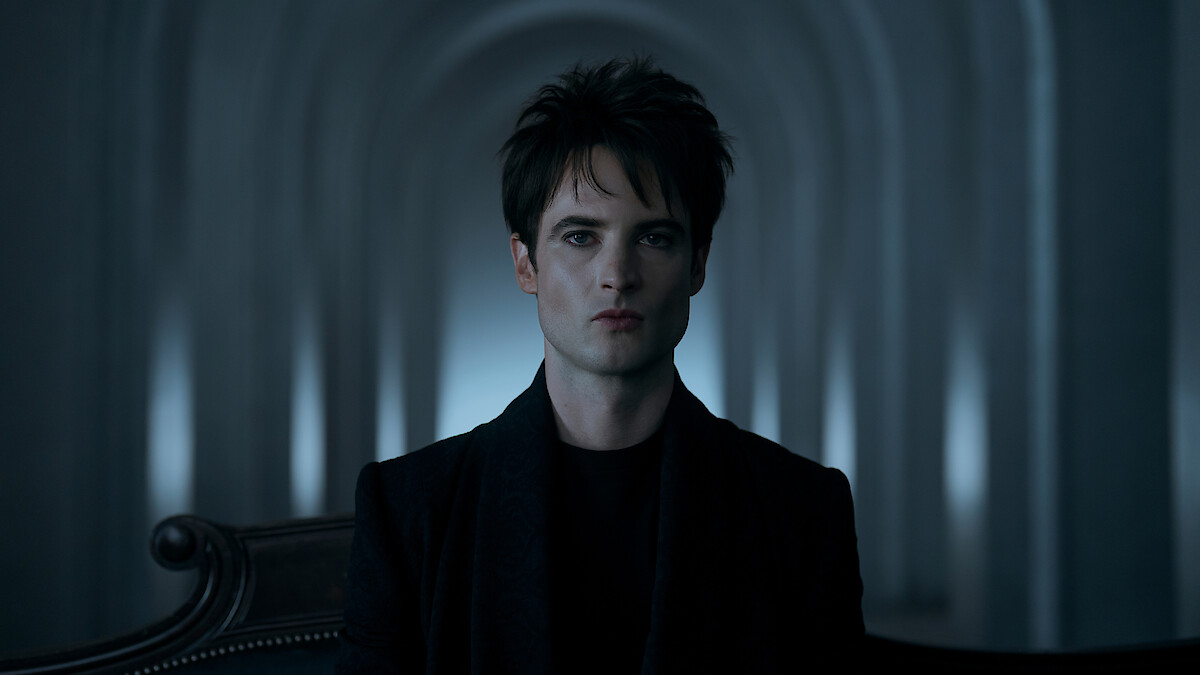
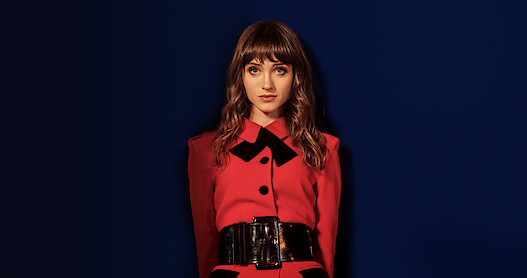
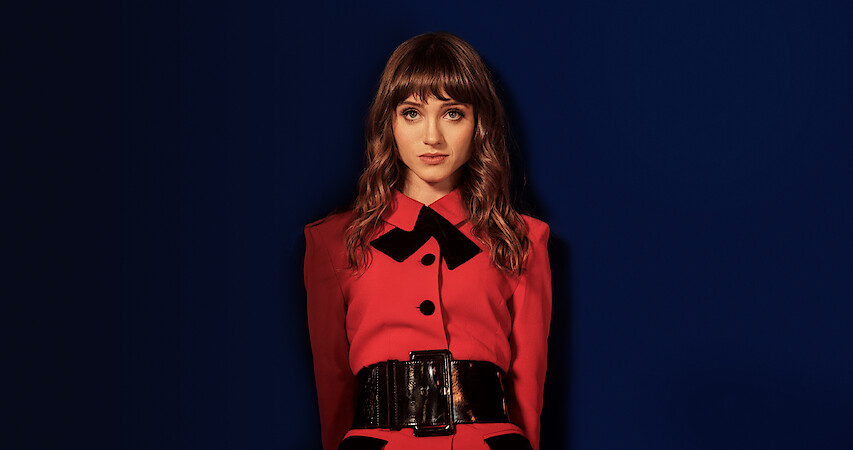
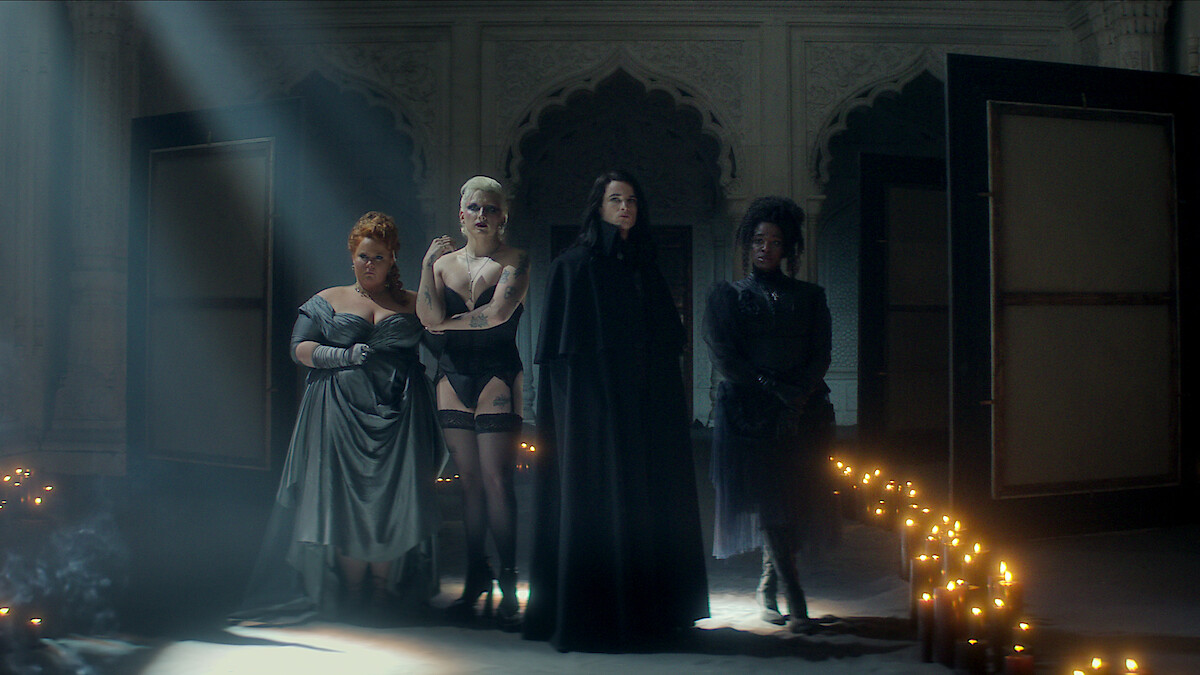
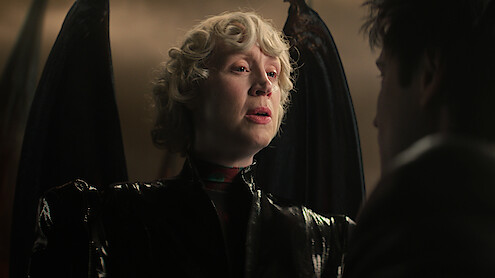
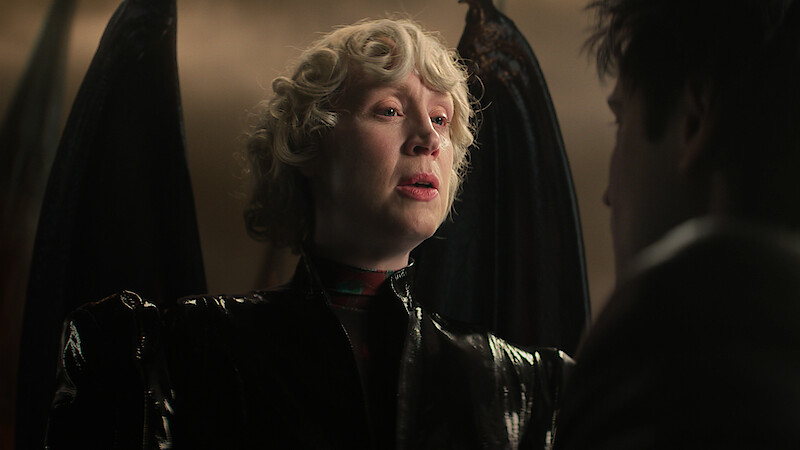
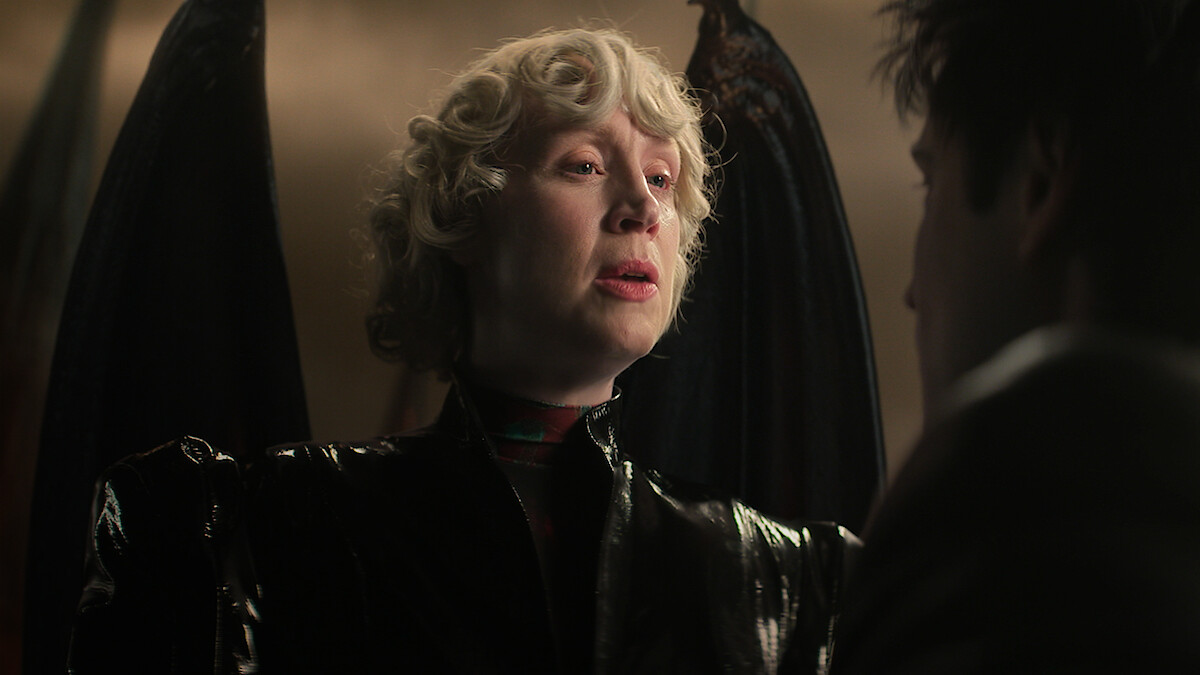
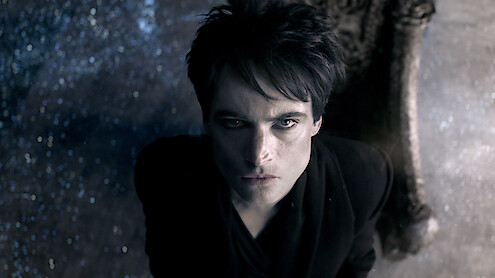
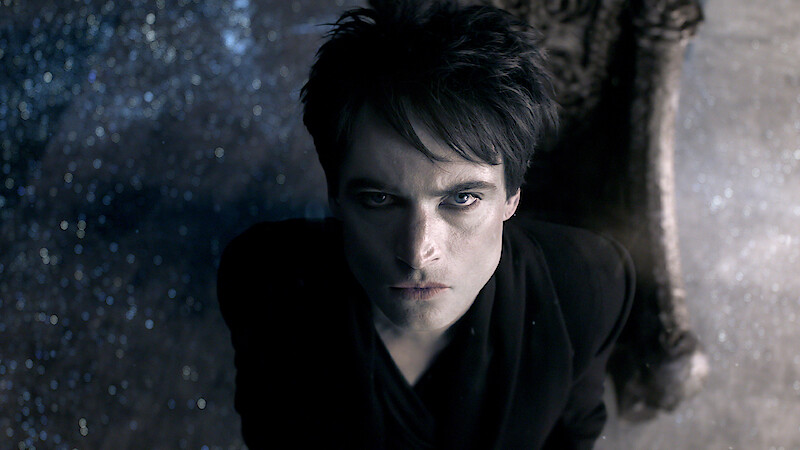
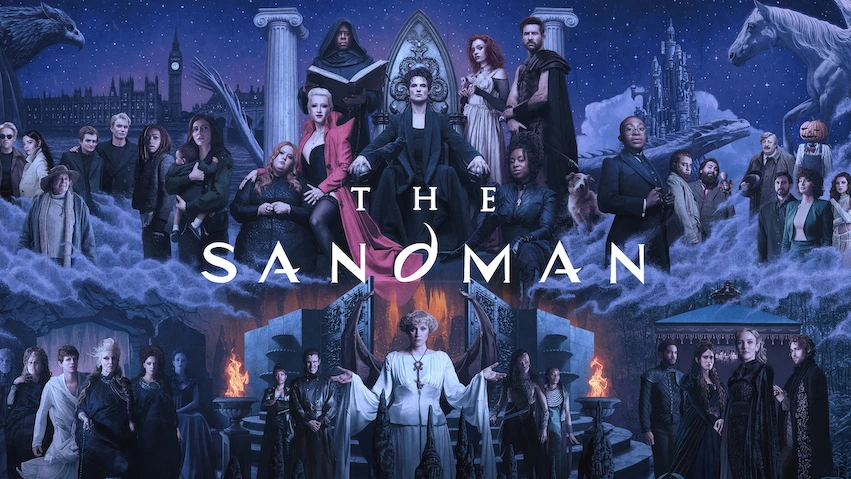
The opposite is true in The Sandman. Neil Gaiman’s Death is a benevolent being who guides the departed to the beyond. And while she’s depicted as a young woman, she’s one of the Endless — powerful beings that embody natural forces, like her younger brother Dream, aka Morpheus. When leading folks to the afterlife, Death says her mission is to provide kindness and a smile, the same treatment we get when we enter the world.
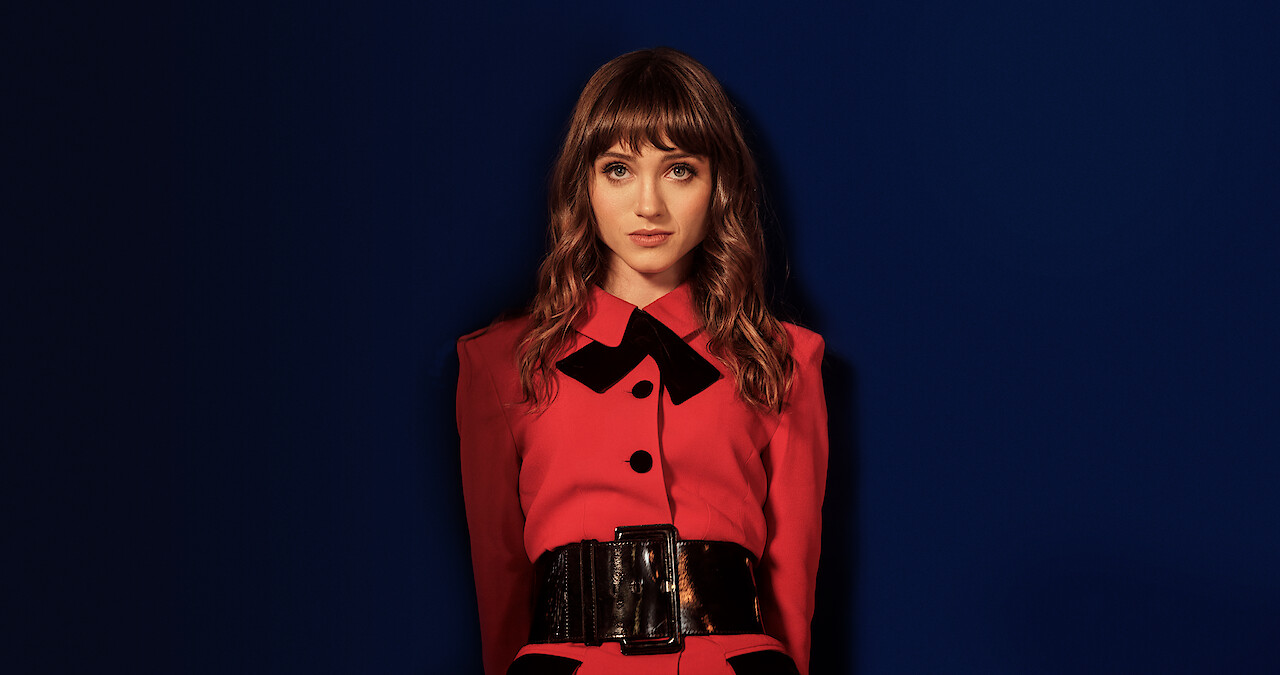
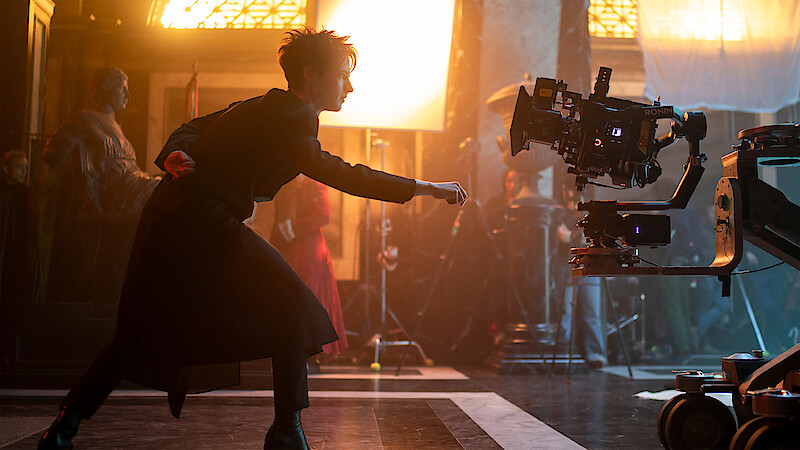
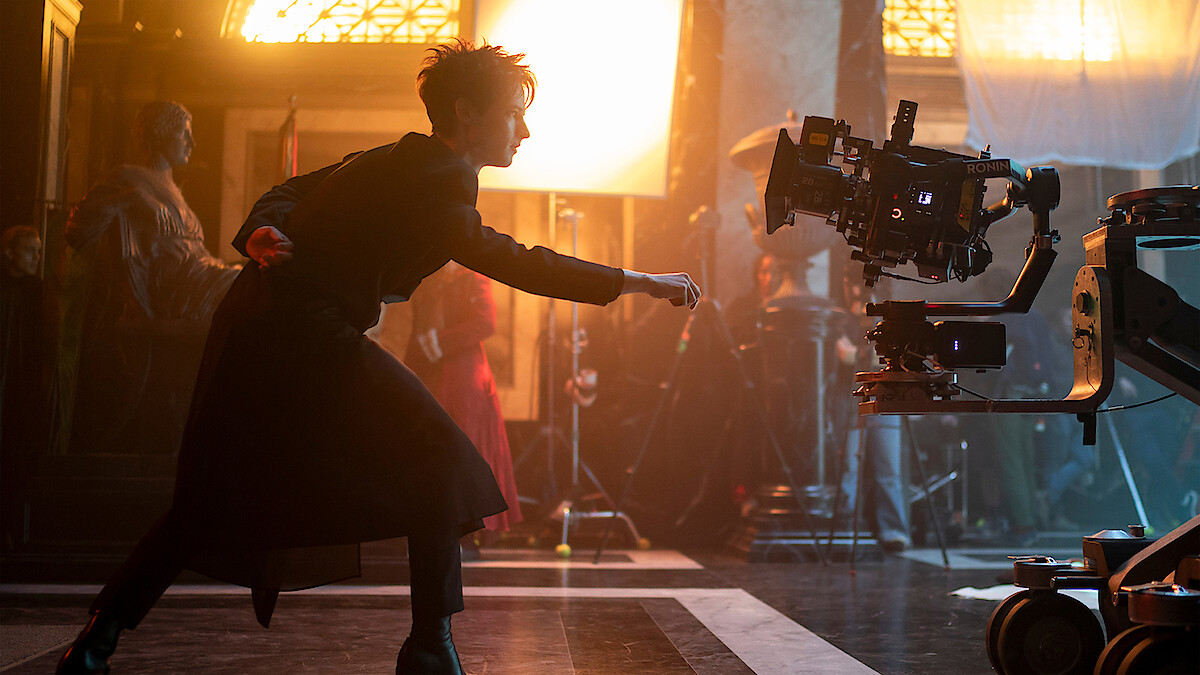
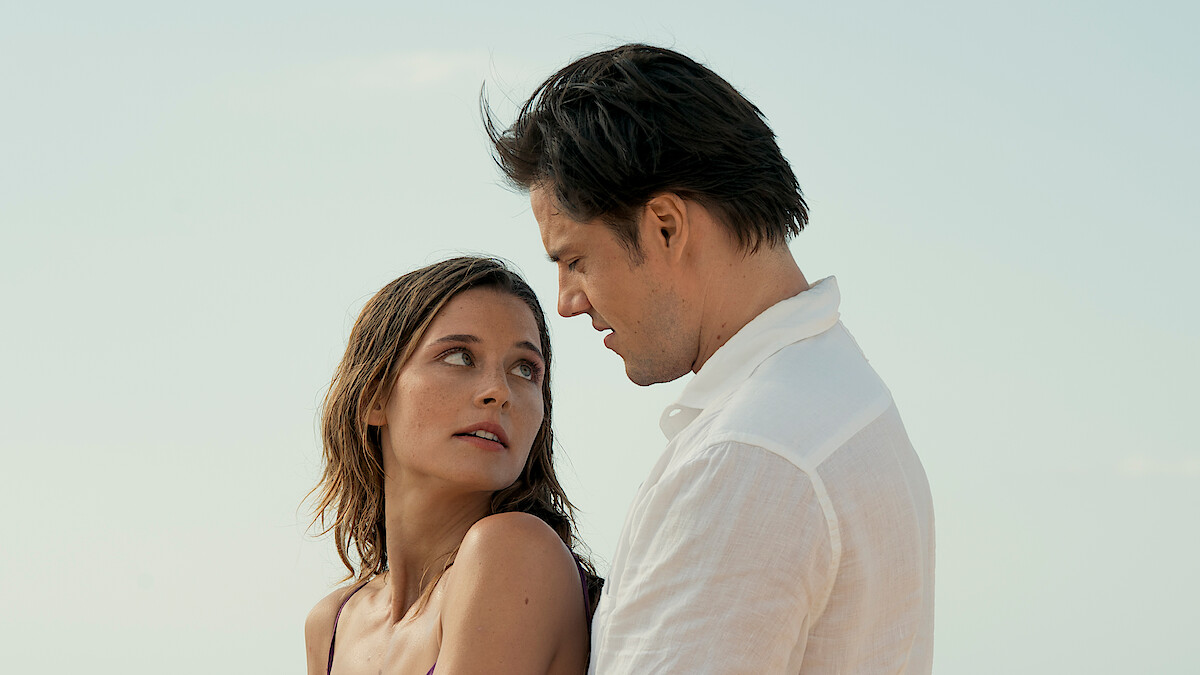
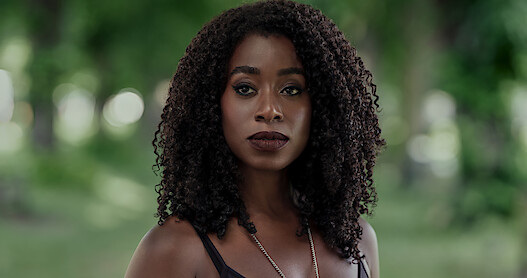
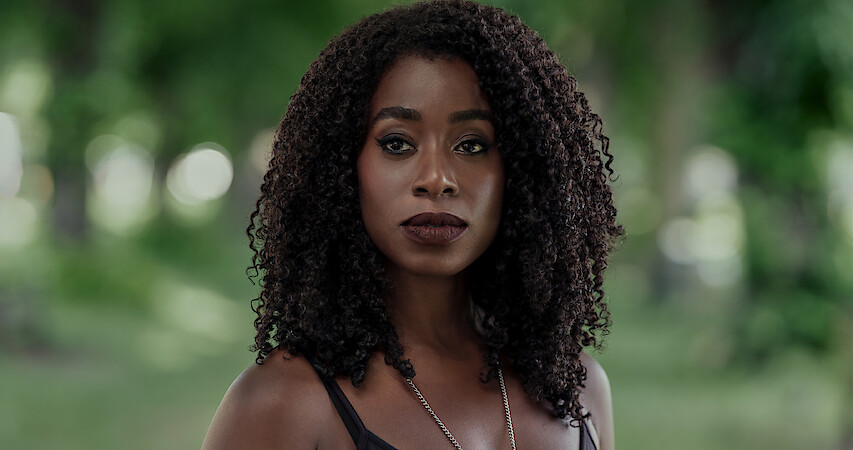
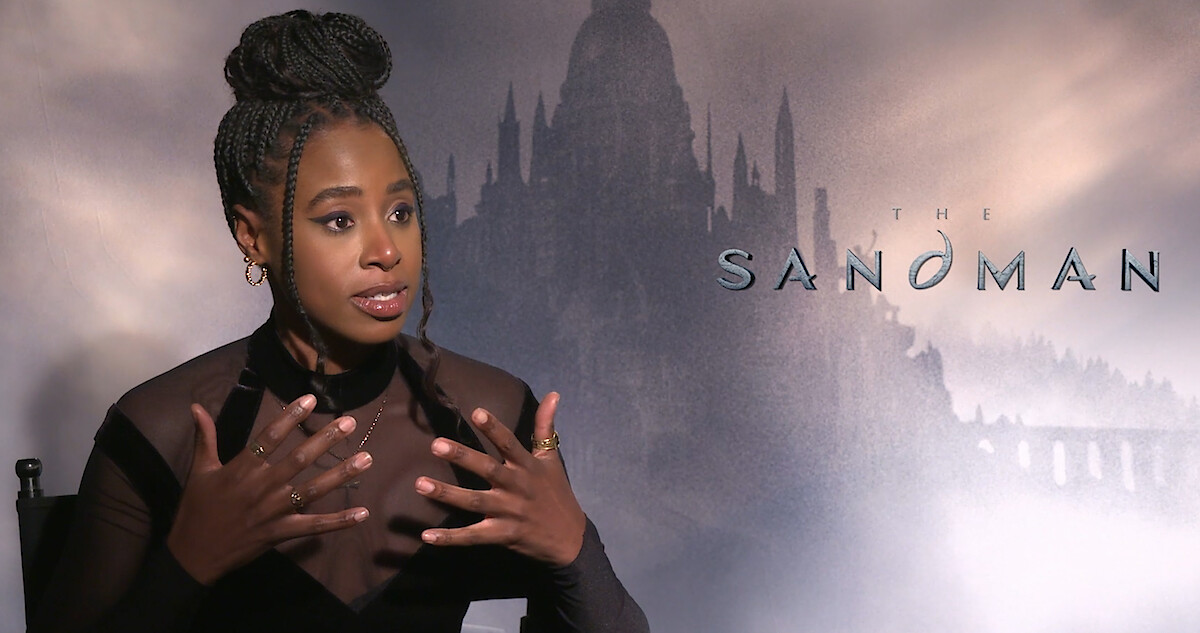
Tudum sat down with actor Kirby Howell-Baptiste, who plays Death, to discuss researching the character, bringing Death to life (pardon the pun) and why the most “daunting” part of the role may be yet to come.
Warning, mild spoilers ahead.
Did you speak with hospice personnel or people who perform last rites in researching your role?
Before this role came about, I’d spoken with a friend’s mom who works in hospice care, and she in particular deals with end of life. I spoke to her because I was dealing with something similar in my family. And one of the things that she spoke a lot to me about — and I never really heard it this way — was preparation. A lot of people can find comfort in preparing because there’s so little that you’re in control of. There are certain things like finding songs that people like and passages that they want said. But the key thing she said to me, that I will take with me for my whole life, is that there can be dignity in death. And I think that that almost, to me, summarizes Death in The Sandman. She’s someone who doesn’t want it to be painful and scary and sad. She wants it to be dignified and careful and gentle. And I think that’s such a lovely, utopian idea of death.
One of the things that we don’t see is Death carrying the newly departed away. It’s done off-screen; you see the silhouette of her wings open. How do you feel about that choice? Is it something that you would like to see visualized or best left as ambiguous?
I think it’s really beautiful, but it’s ambiguous. [Showrunner] Allan [Heinberg], who has an encyclopedic knowledge of The Sandman, and Neil work so closely to translate what was on the page to the screen. I think that’s always the back and forth, right? How much do you show? Because in a comic, it’s 2D, it’s flat. And so people fill in the blanks. Whereas often we find, in TV and film, it’s a lot more literal. We’re trying to sort of explain more. And I think what’s quite beautiful is that the TV show stays true to the comic, which is treating people with intelligence and going, “You can fill the rest in, you know what happens.” And I particularly appreciate when shows sort of assume that we’re an intelligent audience and that we know what’s happening.
Which of the death scenarios was the hardest for you? There’s a baby, a drowning — very difficult scenarios.
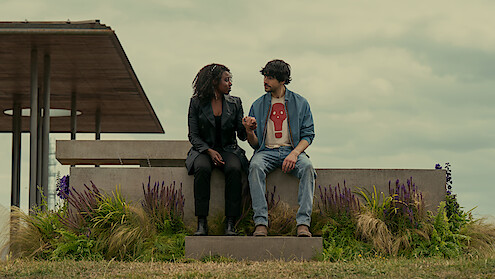
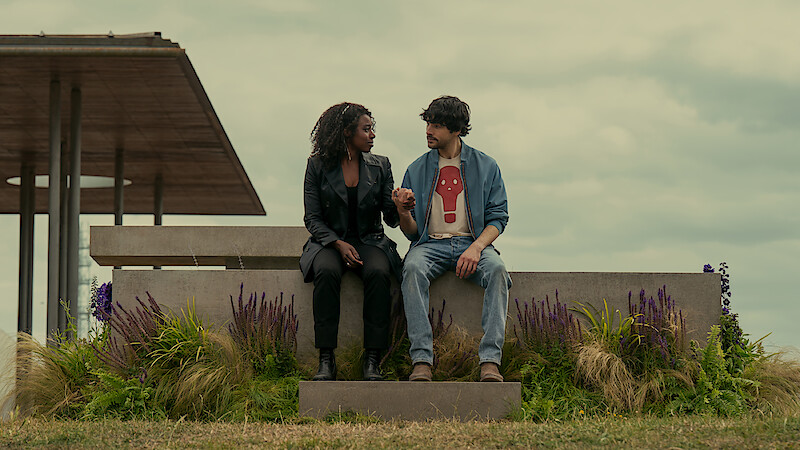
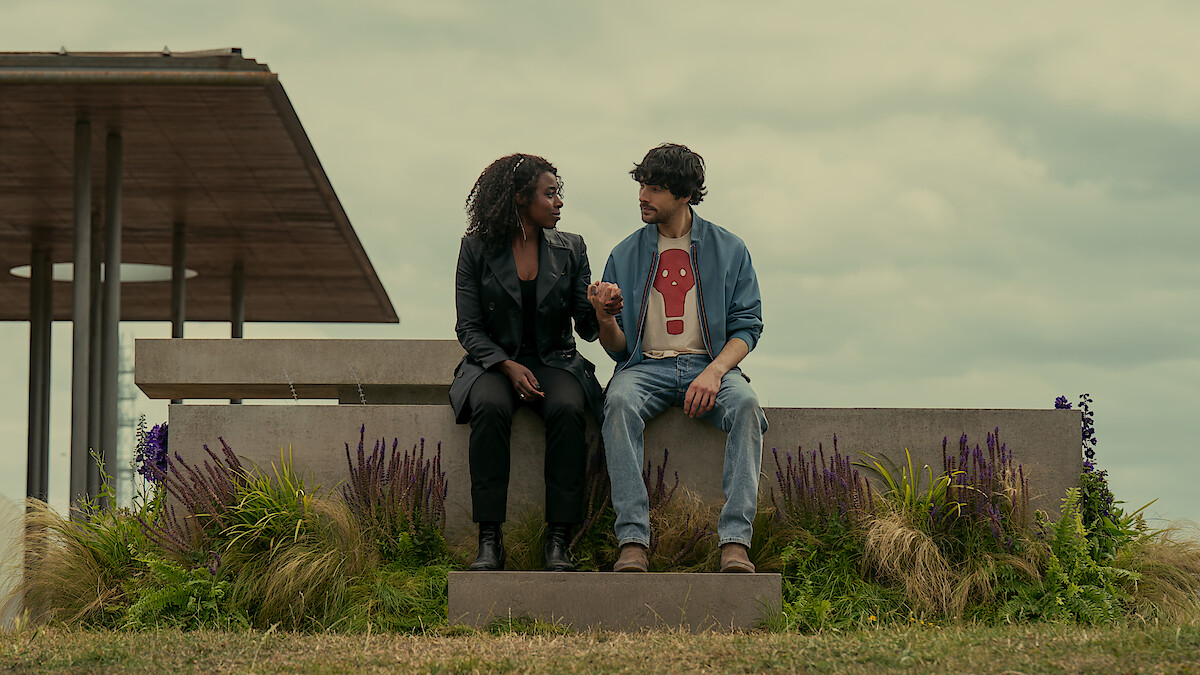
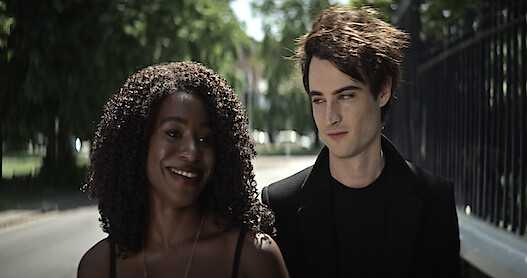
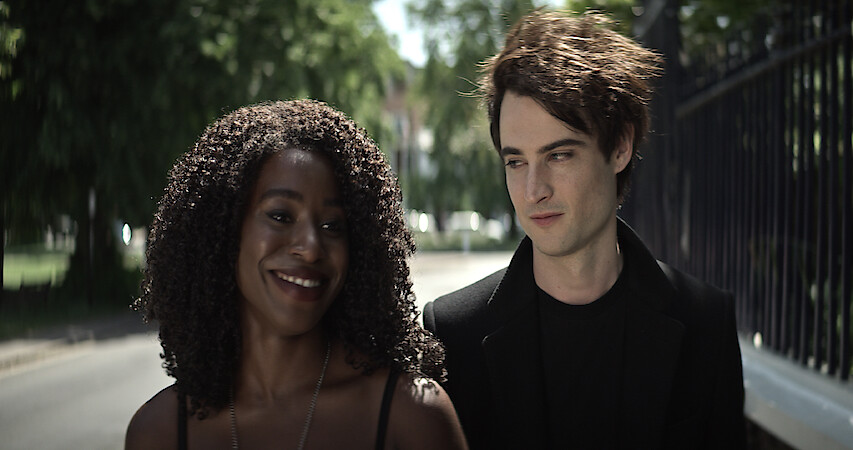
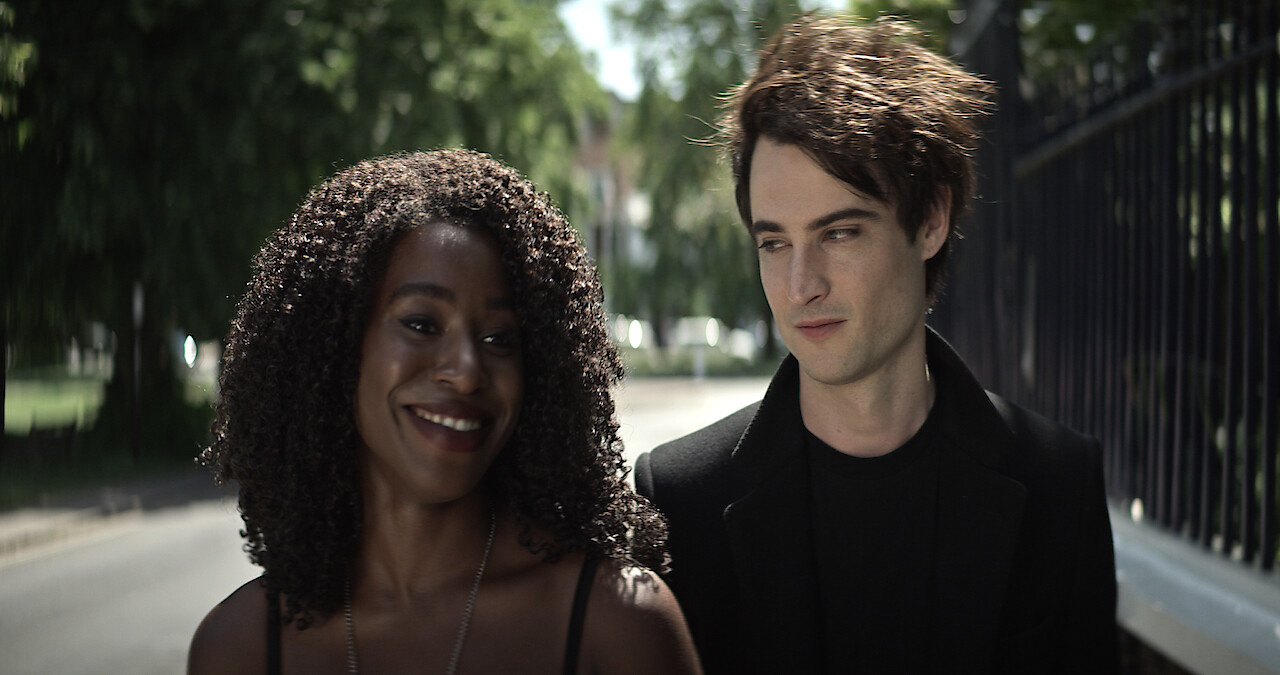
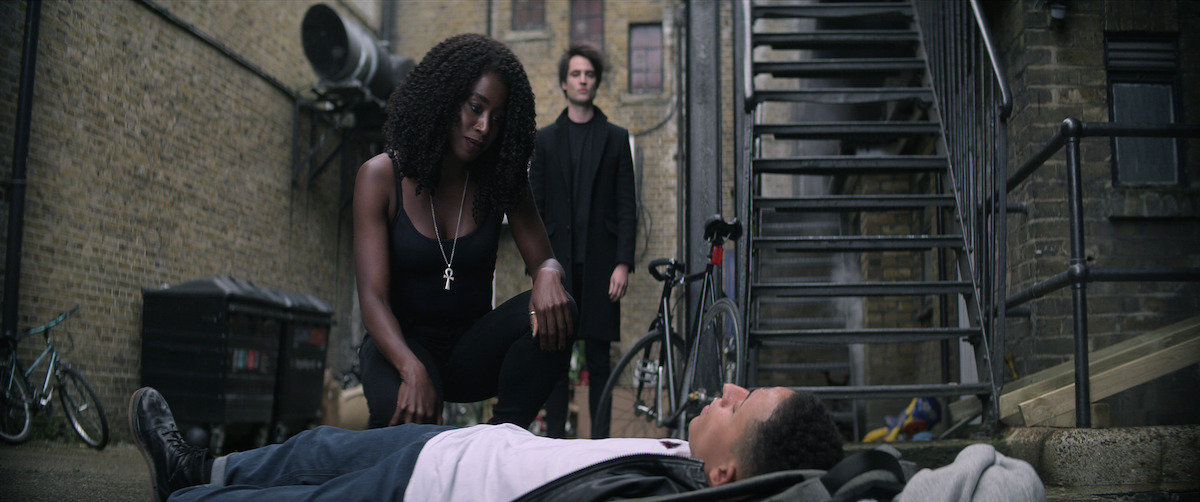
The toughest one to film for me was the older gentleman with the violin. It was such a beautiful day. And you know, Tom [Sturridge] and I almost filmed that part of the episode completely sequentially. We did the walk along the river in Hammersmith, and then at the end of it, they had found an apartment. And that was the apartment that we went up into and shot in. And so the day had a very surreal quality anyway; it was almost like doing a piece of theater. We walked along, said those lines and then we literally saw the house and went up into it. And the gentleman was so sweet and so lovely. That was probably the one of the most emotional days I’ve ever had on set — the idea of taking this man away from his family. And he’s an incredible actor as well. So that definitely was the most moving and probably most difficult day on set.
Speaking of emotion — I want to try not to get emotional here — I lost my mom fairly recently. So watching this episode was very cathartic.
No, I’m actually quite emotional as well, because I lost my grandma, who was like another mother to me, maybe a year or two before filming this. But I do think that’s the power of this role. Because Neil wrote a character that’s so warm and so caring, that’s why people have connected so deeply with it, because we’ve all lost someone we love. And the hope would be that they felt at peace.
How lovely would it be to feel like there was that person who sort of took them and took all of those feelings, and then all that insecurity, and acted as a guide into whatever is next. And Death says it, “Now is when we find out.”
It’s my understanding that Neil gave you some advice, because he’s had people come up to him. They’ll say, “Reading the comic has helped me get over the death of my loved ones.” Now that’s going to be your domain.
Yeah, at Comic-Con, he pulled me aside. And he was like, “The most extraordinary thing happened when I wrote this comic. There are so many people that came up to me and said, ‘this comic helped me deal with the death of a loved one.’ ”
And he said, “That now will be your gift. That will now transfer to you being the live-action face of this thing. You will have people who come up to you because they have a very real connection to this, this piece of art.”
That must be both very satisfying but also opening you up to a little bit of trauma.
It can be daunting, because it does open you up to a lot of people’s emotions. But I do think that the point of us being here is to connect, and we spend so much time and we have so many different devices and ways of disconnecting that we are becoming less and less comfortable with interactions like that. But that’s the whole point of being here. We can all find ways of connecting; I don’t know who you are or what your story is or what your beliefs are, but we can connect on the fact that we’ve both experienced loss, so we as humans have a commonality.
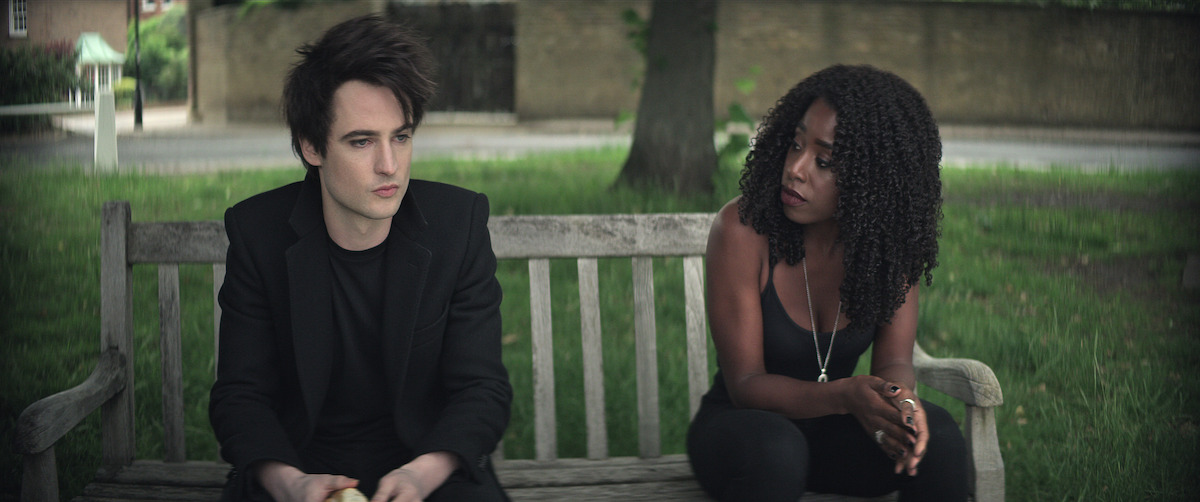
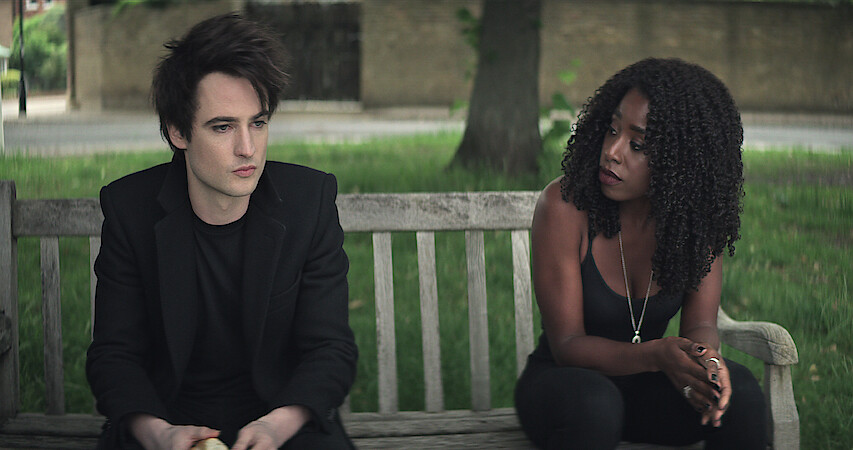
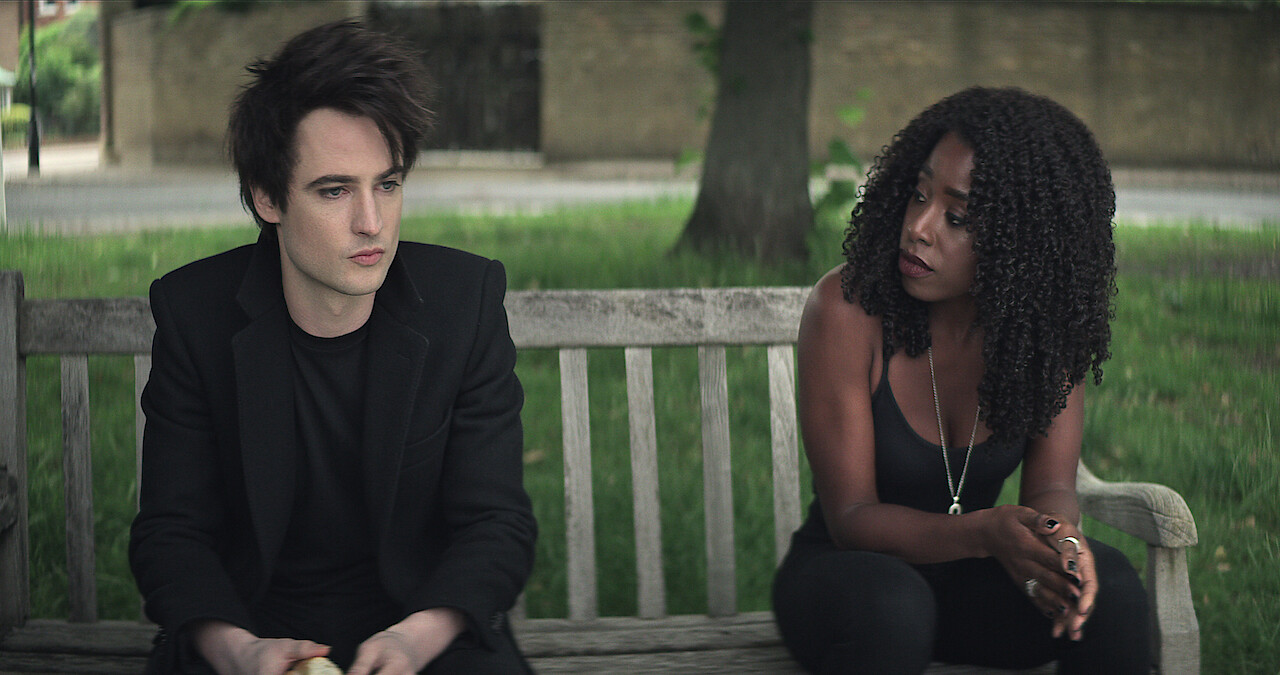
The other part of the episode is you giving big sister advice to Dream. Do you have siblings in real life and what’s your relationship like?
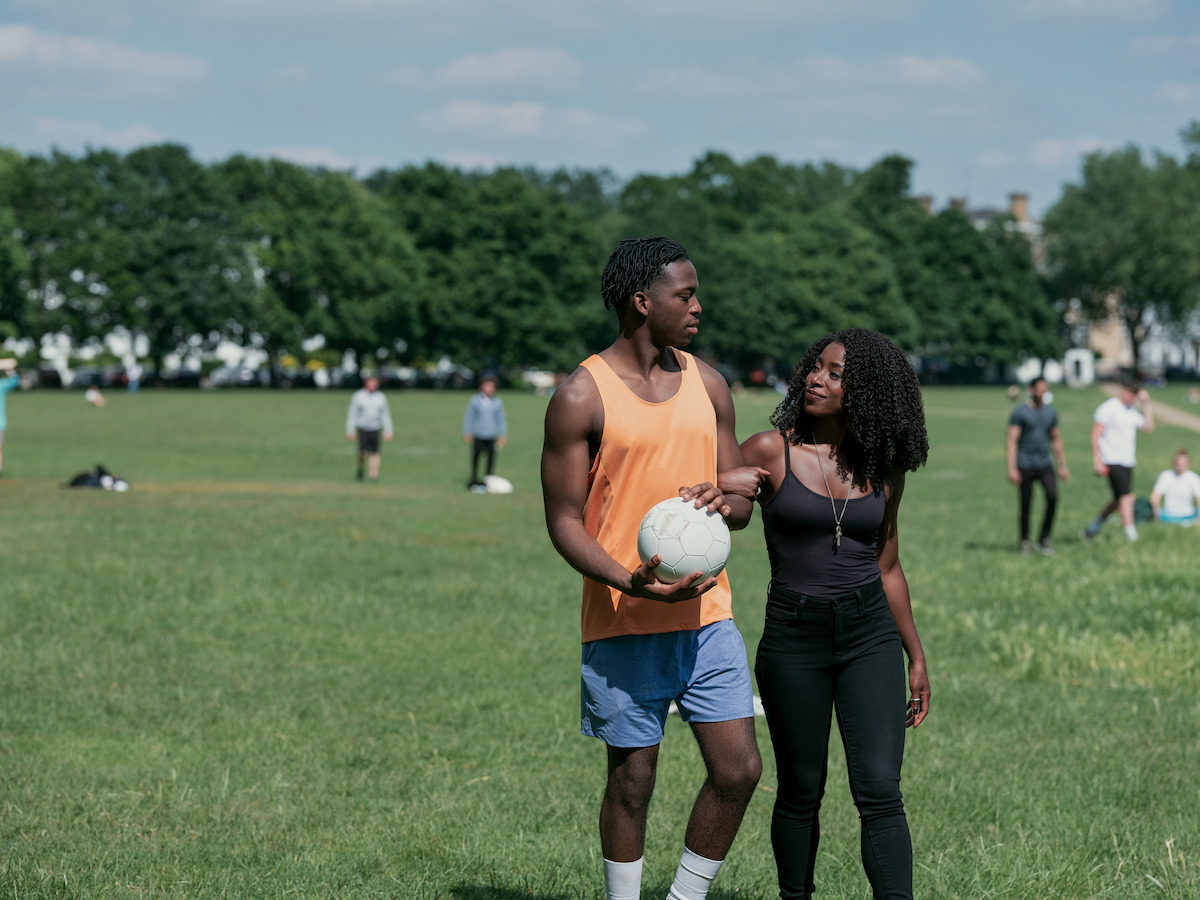
Yeah, I have two siblings actually: an older and a younger brother. And I would definitely say that I’m similar to Death. I’m the one giving very, very sort of big sister advice. My older brother has always called me his little big sister, because I’ve always been the one to sort of sit him down and be like, “OK, let’s really talk about it.” So that was a very natural role for me.
You can watch Kirby Howell-Baptiste as Death in The Sandman, streaming Aug. 5.
This interview has been lightly edited for clarity and length.