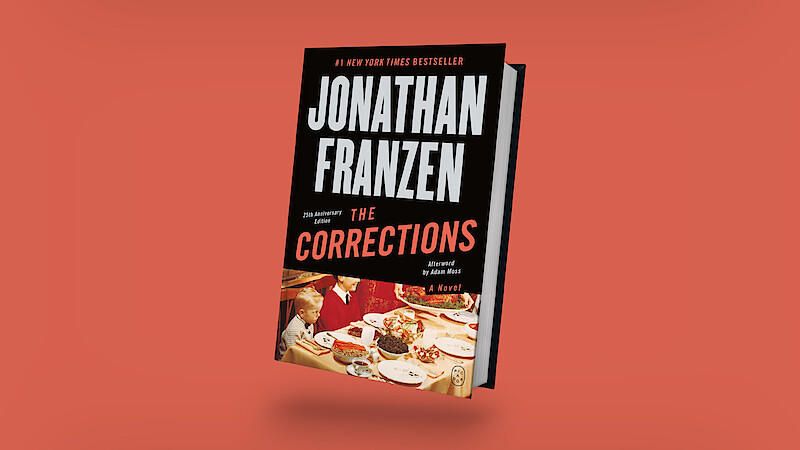
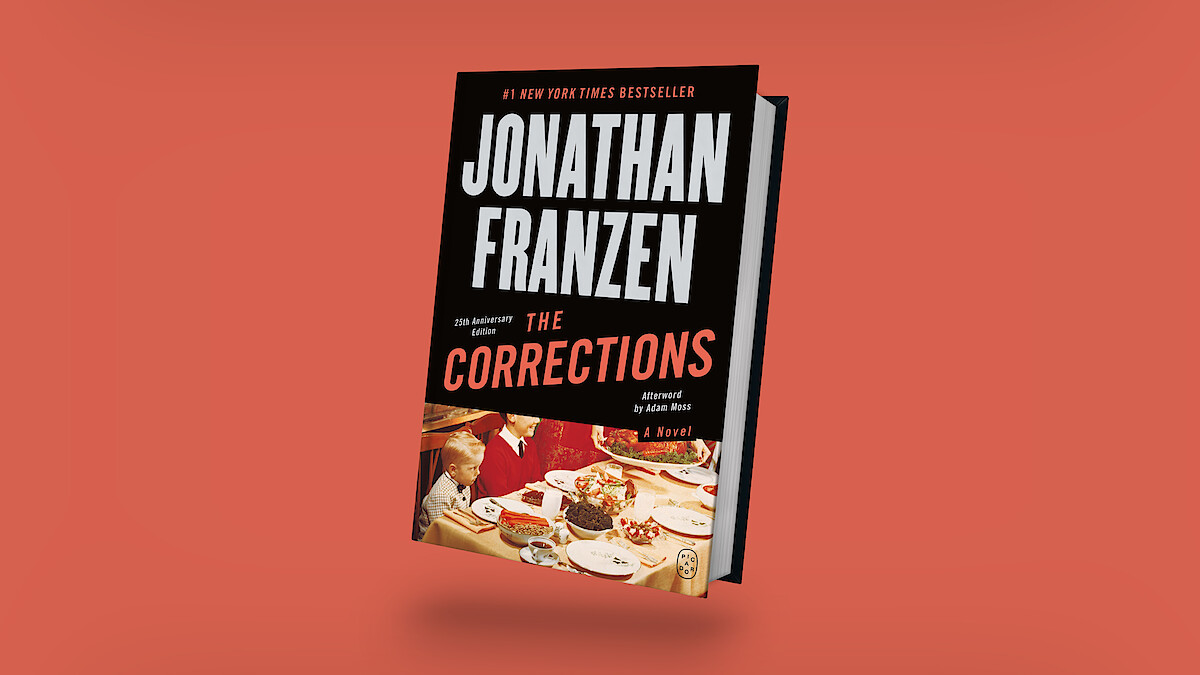
Directed by Cord Jefferson, Meryl Streep will star in the enduring story of family dysfunction and American anxiety.

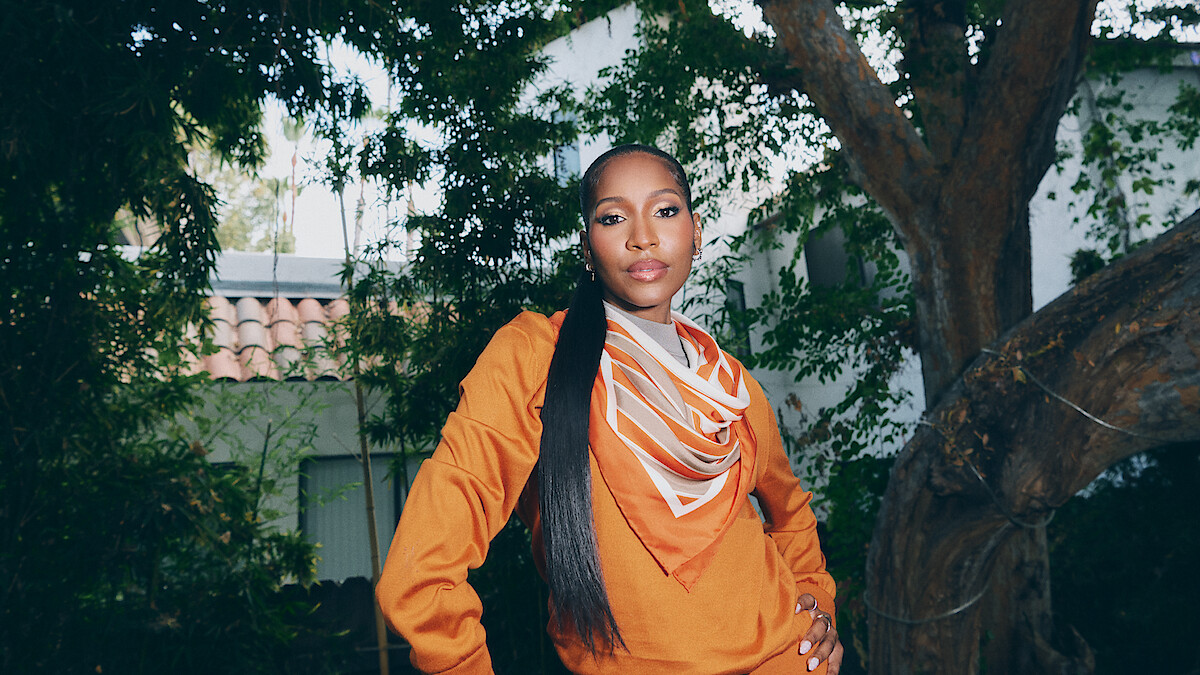
With Joy, actor Thomasin McKenzie brings attention to one of the heroes of IVF.
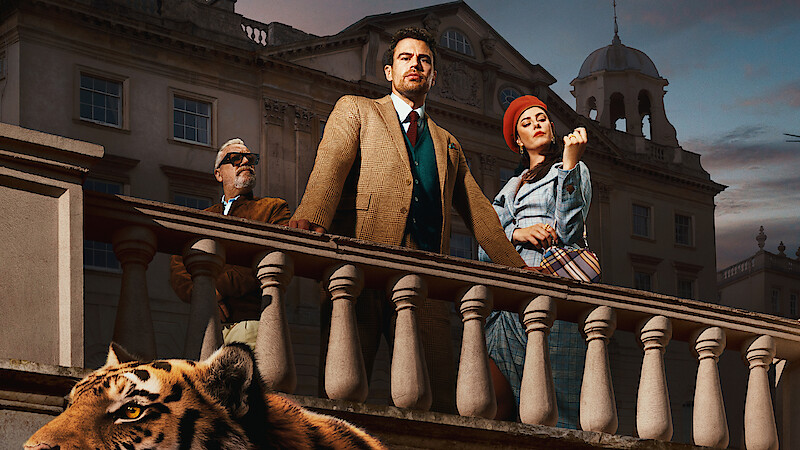
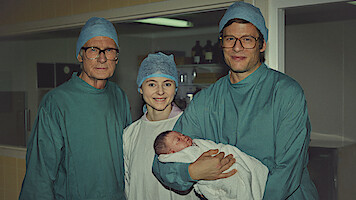
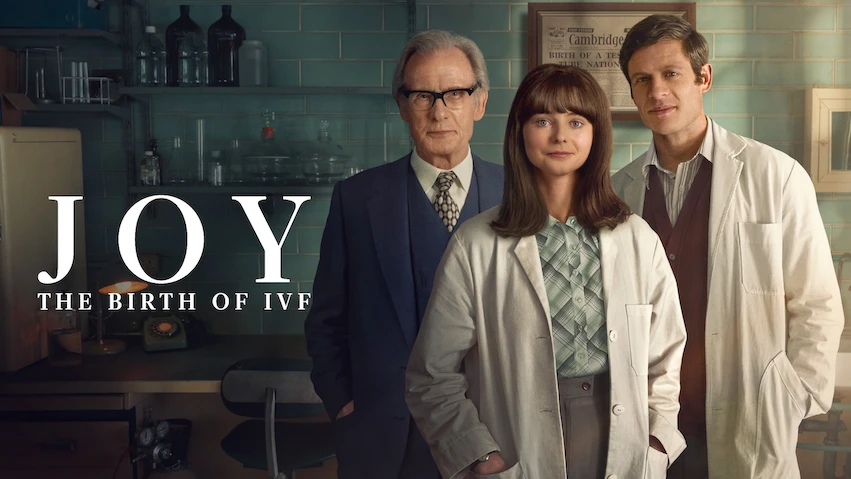
When actor Thomasin McKenzie got the script for Joy, she had no idea the impact the lead character would have on her. The British biographical drama, which also stars Bill Nighy and James Norton as surgeon Patrick Steptoe and scientist Robert Edwards, respectively, tells the true story of the world’s first baby created using in vitro fertilization. McKenzie plays Jean Purdy, a British nurse and embryologist who, alongside Steptoe and Edwards, worked to develop the landmark fertility treatment. And although the movie comes 46 years after the first “test-tube” baby Louise Joy Brown was born, the film’s themes around women’s autonomy are still as prevalent today as they were back then.
After accepting the role, McKenzie had a major task ahead of her in regards to preparation. Although much had been documented and publicized around the creation of IVF, not much was publicized about Jean Purdy’s involvement — her role in the development of IVF was largely ignored by the scientific community, despite attempts made by Steptoe and Edwards to spotlight her work. For Joy, McKenzie, alongside screenwriter Jack Thorne, his wife Rachel Mason, and director Ben Taylor, pieced together who Purdy was — and the impact she had on women and families around the world.
Here, McKenzie discusses bringing the story of Jean Purdy and the world’s first IVF baby to the screen.
An edited version of the conversation follows.
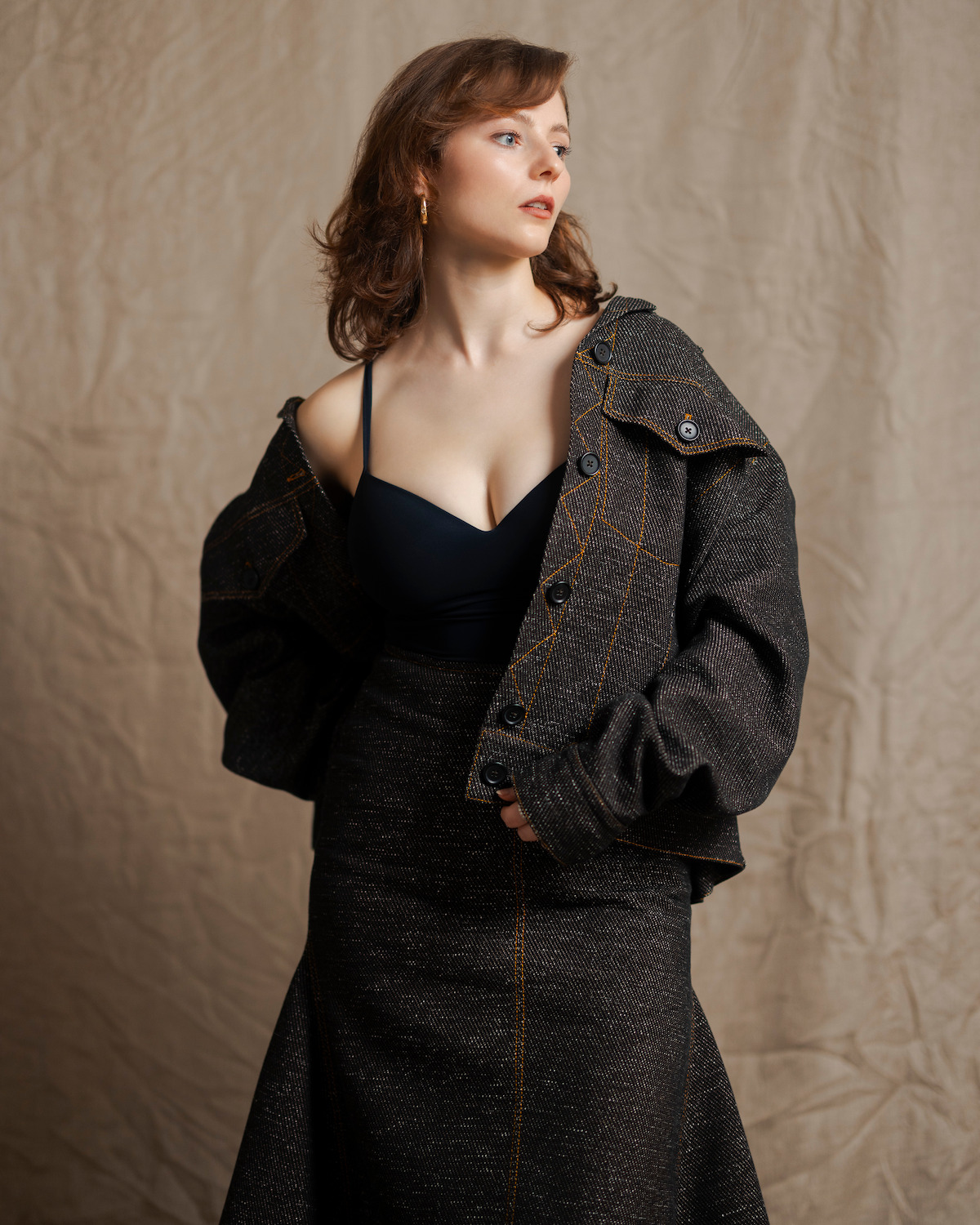
Thomasin McKenzie
Much of Jean’s impact was forgotten or pushed aside by the science community. As you learned more and more about her, did you find it frustrating that she was left out of so much discourse around IVF?
It was infuriating because there’s very little on her. Jean was a very private person. Rachel and Jack did painstaking research to find out as much about her as possible, but there was very little information out there. I feel like I know Jean very well, and I really feel for her. It is true that she had endometriosis and that she wasn’t able to have children of her own, so the fact that she helped other people have children — twelve-plus million babies — shows that she’s left such a huge impact.
According to the World Health Organization, one in six people are affected by IVF. Everyone knows someone who’s been through IVF. She’s left such an impact on the world and she deserves to be known. It is infuriating that the medical scientific community refused to include her in the acknowledgments. It wasn’t Bob Edwards and Patrick Steptoe — they tried to get her recognition. Also, the women who gave themselves to this work also need that recognition because women’s bodies are complicated things. They were testing out IVF and trying different things, like the levels of hormones. These women were so generous because [IVF] wasn’t necessarily going to work for them. But they did it for people in the future.
It’s their contributions back then that have allowed for all of us to be given a choice. Unless you’ve been tested, you don’t understand the sadness that could come from not being able to have children.
Speaking for myself, I’ve always wondered if I was able to have children or not because I have anxiety around health and things. I think it’s a feeling for women that we can be let down by our bodies — sometimes a lot — because of all that we go through. Not just periods but everything else that comes.
Jean is seen as an equal by Patrick and Robert even in spaces where it was solely men discussing women’s bodies. Was her input something that was apparent when you initially read the script?
Yeah, it was apparent that Jean is the one who helps to hold it all together. If she hadn’t been part of the team, I really don’t think it would have happened. I don’t think there would have been success in that realm of IVF. I think she was the key there and the one that brought them back together. The shock she has in that scene with Bob because they didn’t continue without her like she thought they did . . . they needed her.
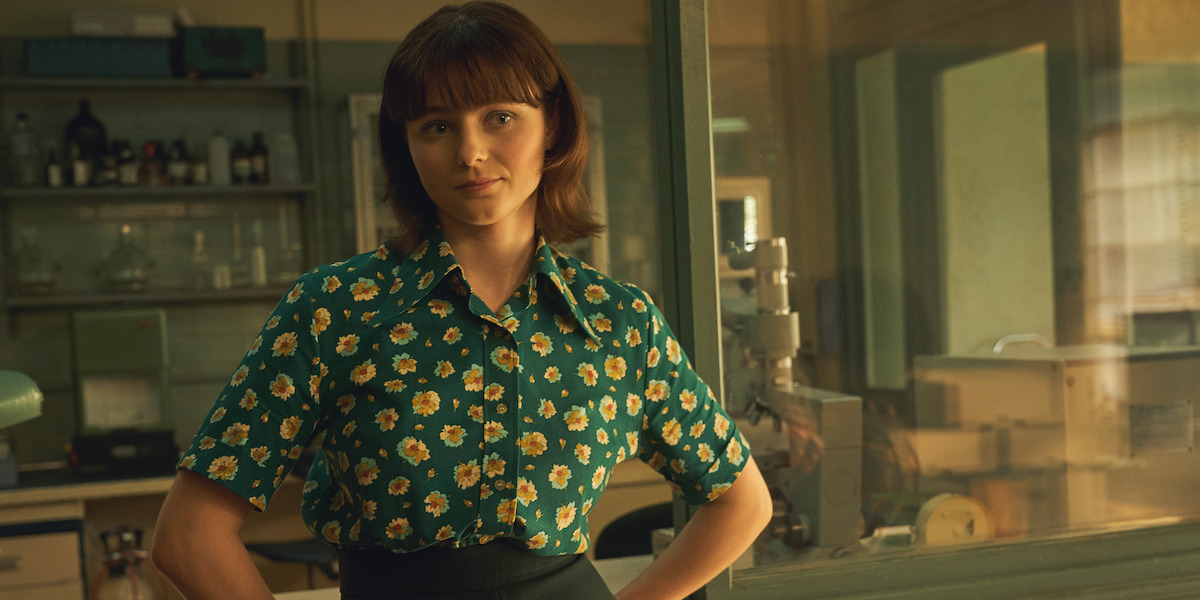
Jean Purdy (Thomasin McKenzie)
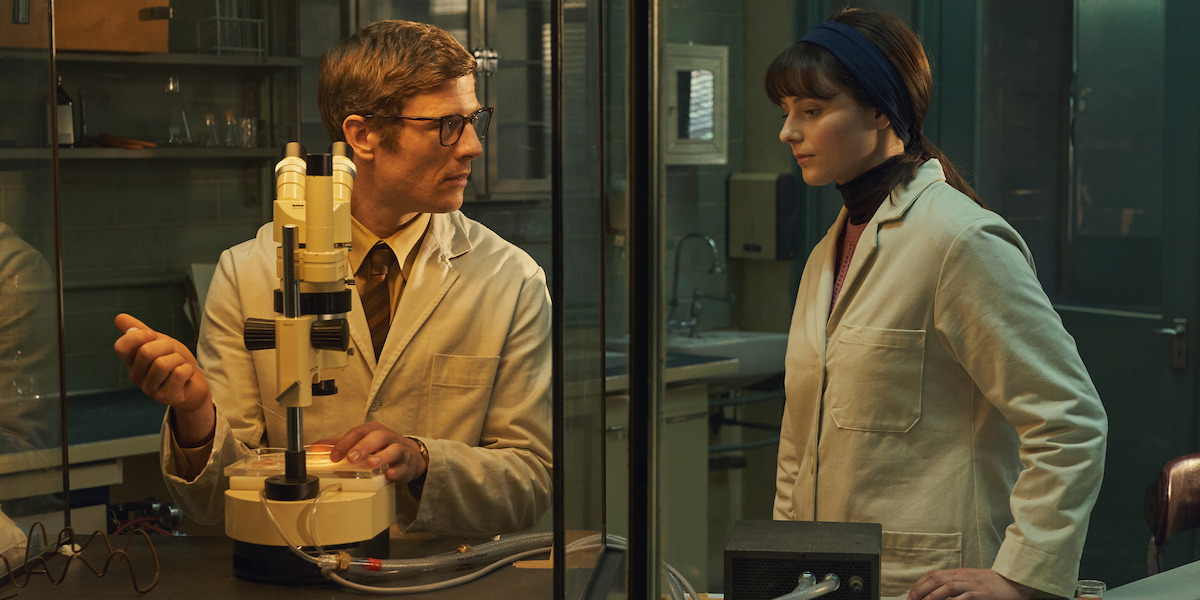
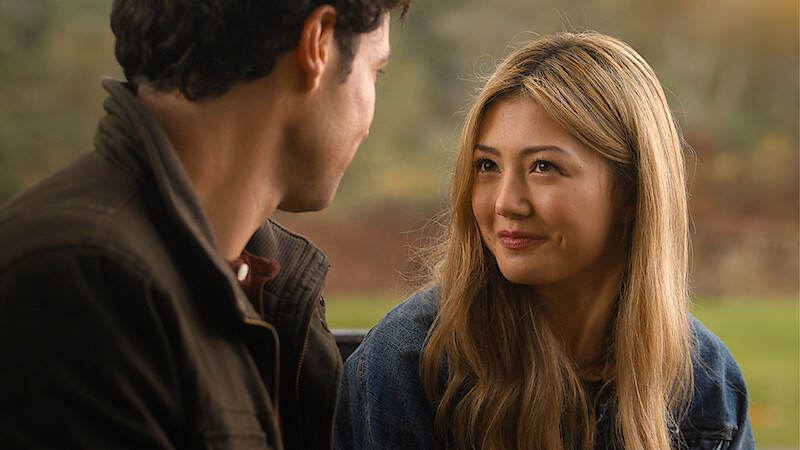
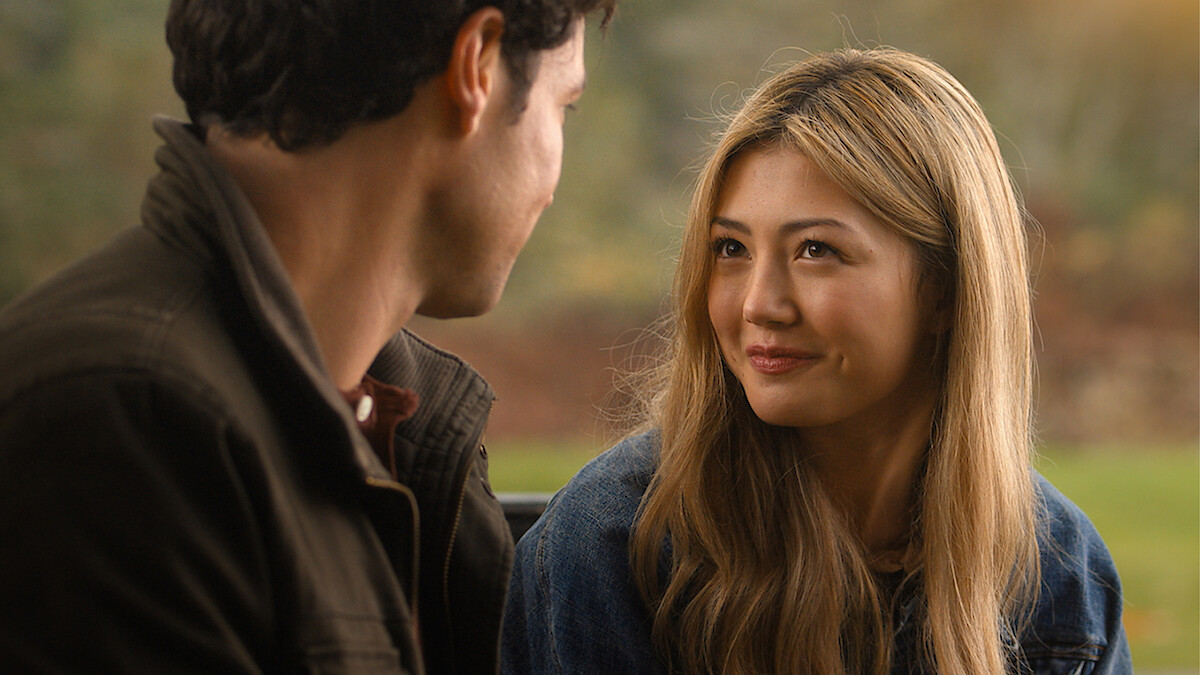
Robert Edwards (James Norton) and Jean Purdy (Thomasin McKenzie)
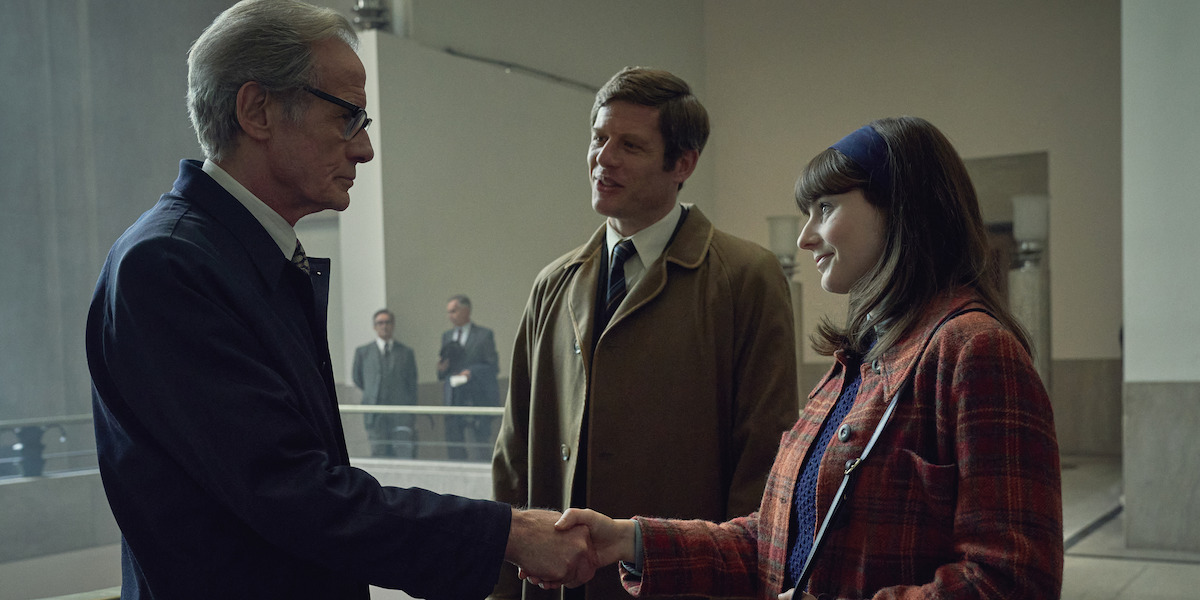
Patrick Steptoe (Bill Nighy), Robert Edwards (James Norton), and Jean Purdy (Thomasin McKenzie)
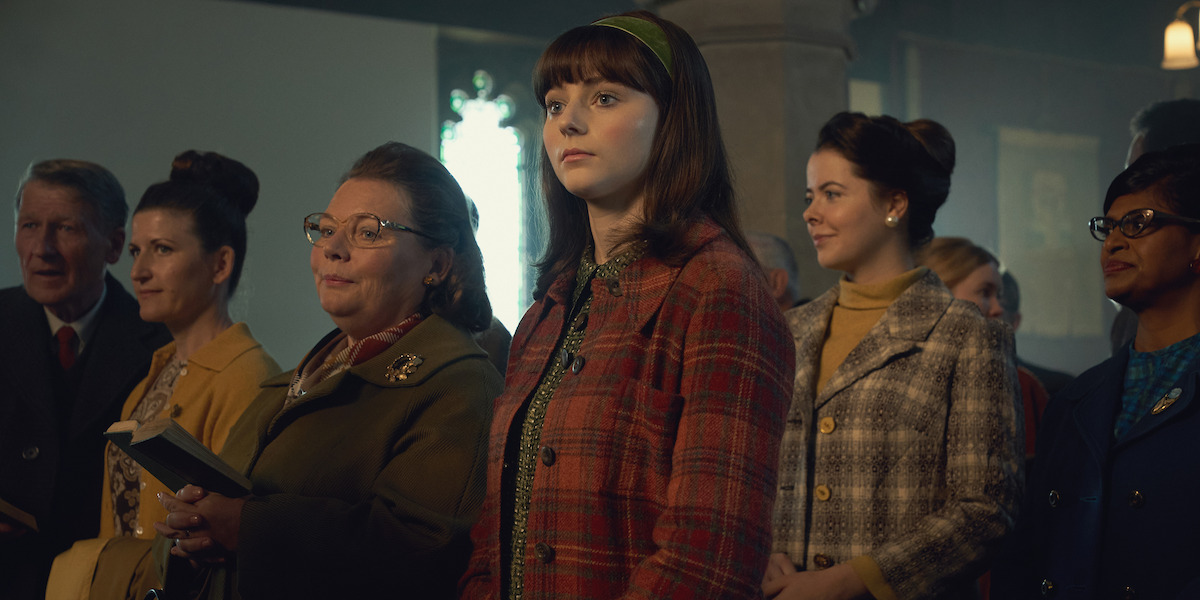
Gladys May (Joanna Scanlan) and Jean Purdy (Thomasin McKenzie)
Jean is ostracized from her church because of their disapproval of IVF. And the film also delves into the pressure women have to be mothers — especially back then — even when they can’t reproduce through no fault of their own. Those themes are still prevalent today. What was it like depicting that onscreen?
It’s the judgment that people place on others who make the decision not to have children or maybe they’re struggling to have children. There are so many things you don’t know, like their medical history, and there’s so much judgment placed on people when it comes to that. But at the end of the day, it’s just about choice. It’s about the woman’s choice to have control over her own body and her own decisions. Their autonomy is incredibly important.
The film is spread out over a decade, which means your wardrobe and hair had to reflect a lot of changes for Jean. How did those choices help inform your portrayal of Jean and the mindset she was in?
Naturally, I look very young. The costumes and hair and makeup all had a huge impact. My natural hair isn’t the best so I wore either a full or partial wig for Joy. I wouldn’t allow people outside of makeup to see me without the wig. I just wanted to have that separation between Jean and me. That separation is really important to me, it’s a confidence thing. I think Jean did have a lot of confidence in her abilities, she knew she was a very smart person. When I put that wig on, I was like, “I know science!”
You, James, and Bill all worked quite closely together on this film. What was your collaboration process like?
It was very joyful. There’s no other word for it. James is such a laugh; he’s so boisterous and also caring and thoughtful. Bill is just Bill: He’s an icon and legend. He carries that name unbelievably well. He is so thoughtful and caring and aware and sings all the time.
When you look back at your time over filming, is there a specific scene that sticks out in your mind?
Definitely the scene between Jean and Muriel, the matron, about the woman’s right to have a choice about abortion. It is a massive decision to have a child. It upends your entire life, particularly women’s lives because it’s our body. Whether you choose to have a child, or whether you choose not to have a child, whether you choose to adopt or for someone else to carry your child, it’s a choice. That felt so important to acknowledge in the film.
Lastly, what do you want people to take away from the film, especially given how timely it still is today?
I think there’s a lot of love in this film. A lot of love went into making it, and a lot of love resulted from the true story. There are so many things people could and should take away from it, but I’ll keep it at love.