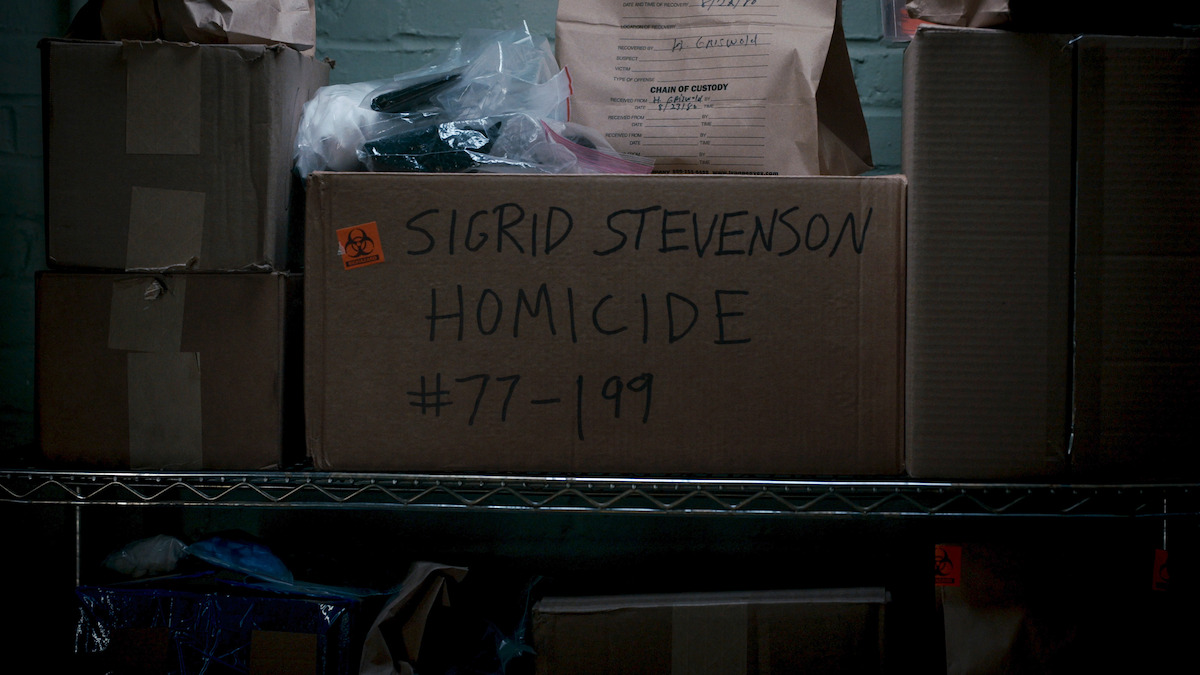
Who Murdered Sigrid Stevenson? 'Unsolved Mysteries' Investigates Perplexing Case - Netflix Tudum
Deep Dive
Are You Ready To Solve the Mystery of ‘Murder Center Stage’?
Unsolved Mysteries investigates the chilling murder of university student Sigrid Stevenson.
By Roxanne Fequiere
July 31, 2024
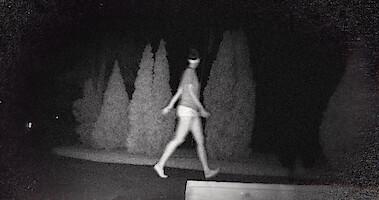
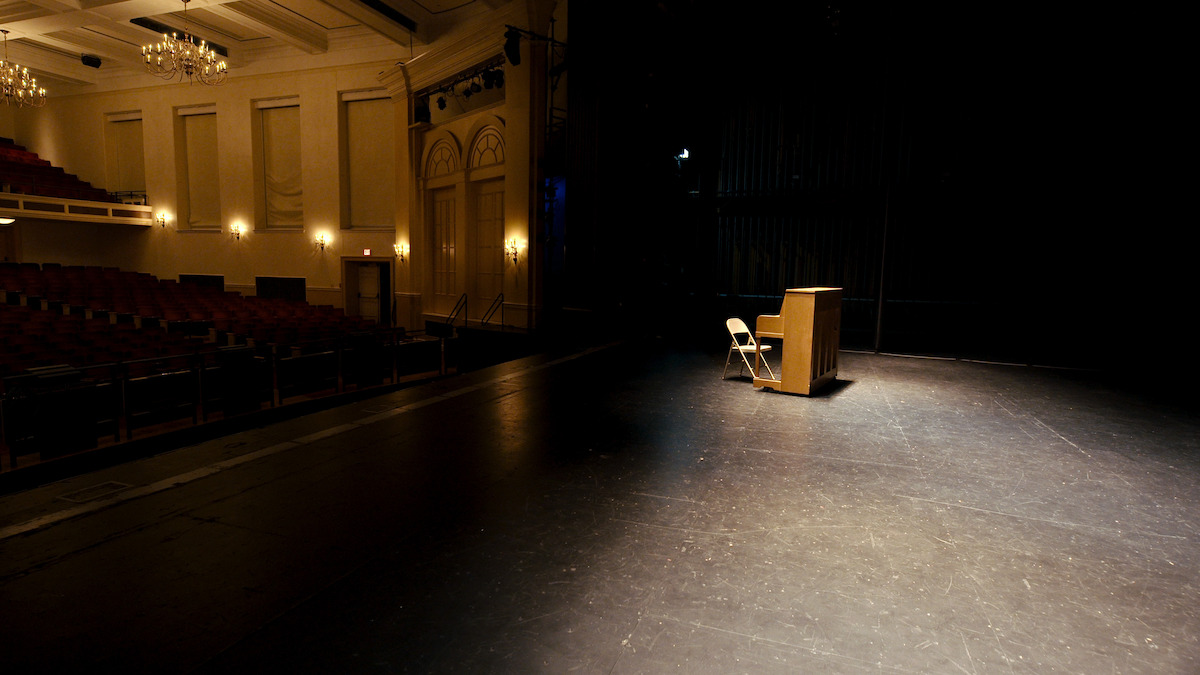
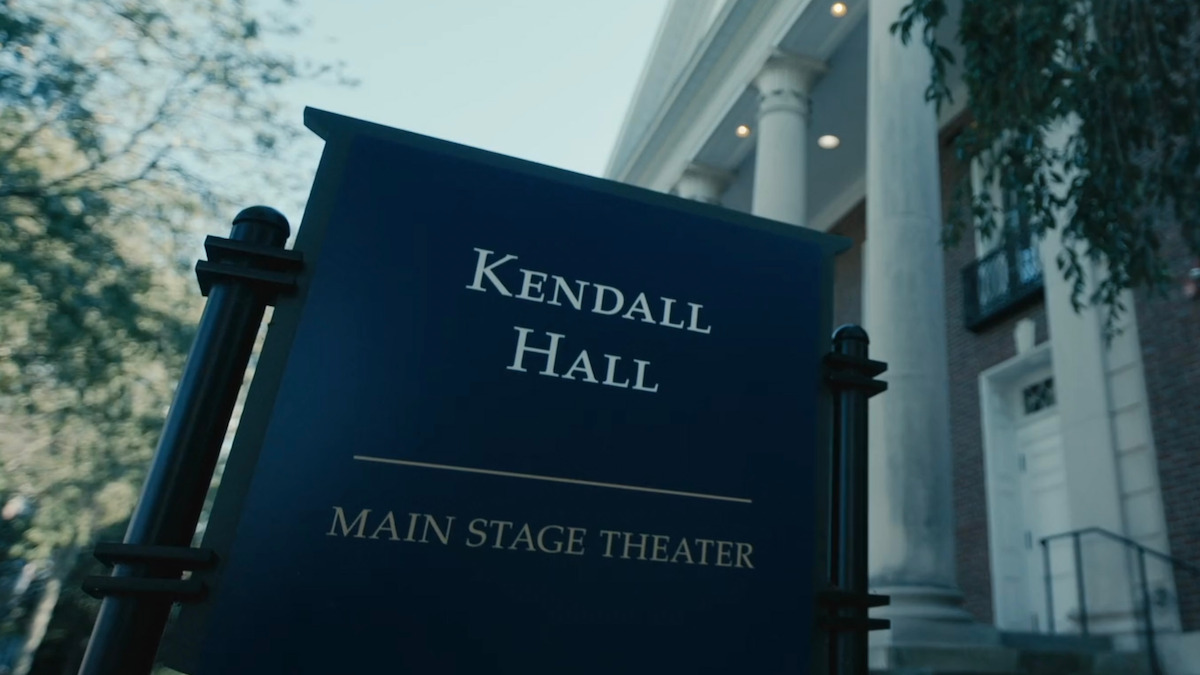
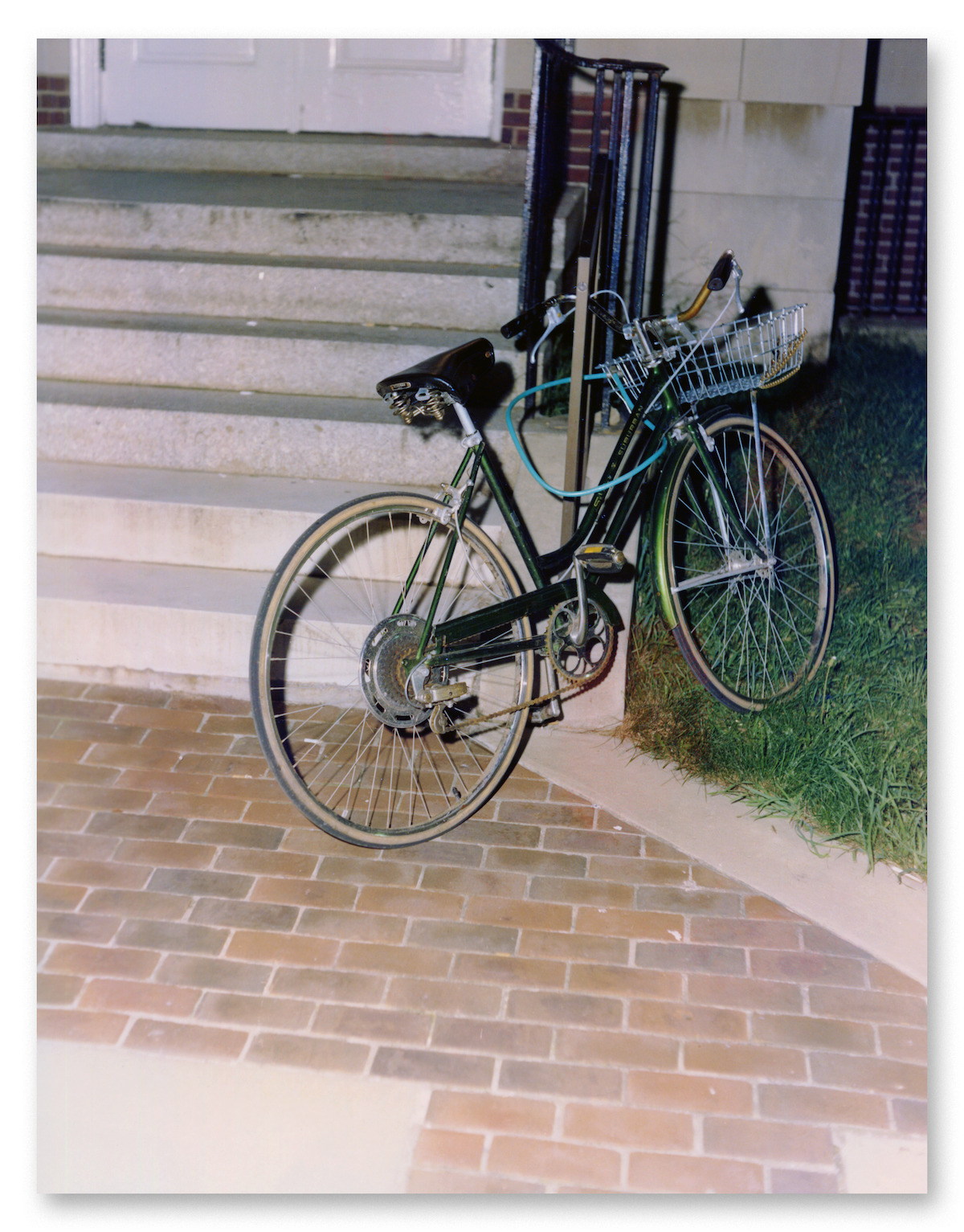
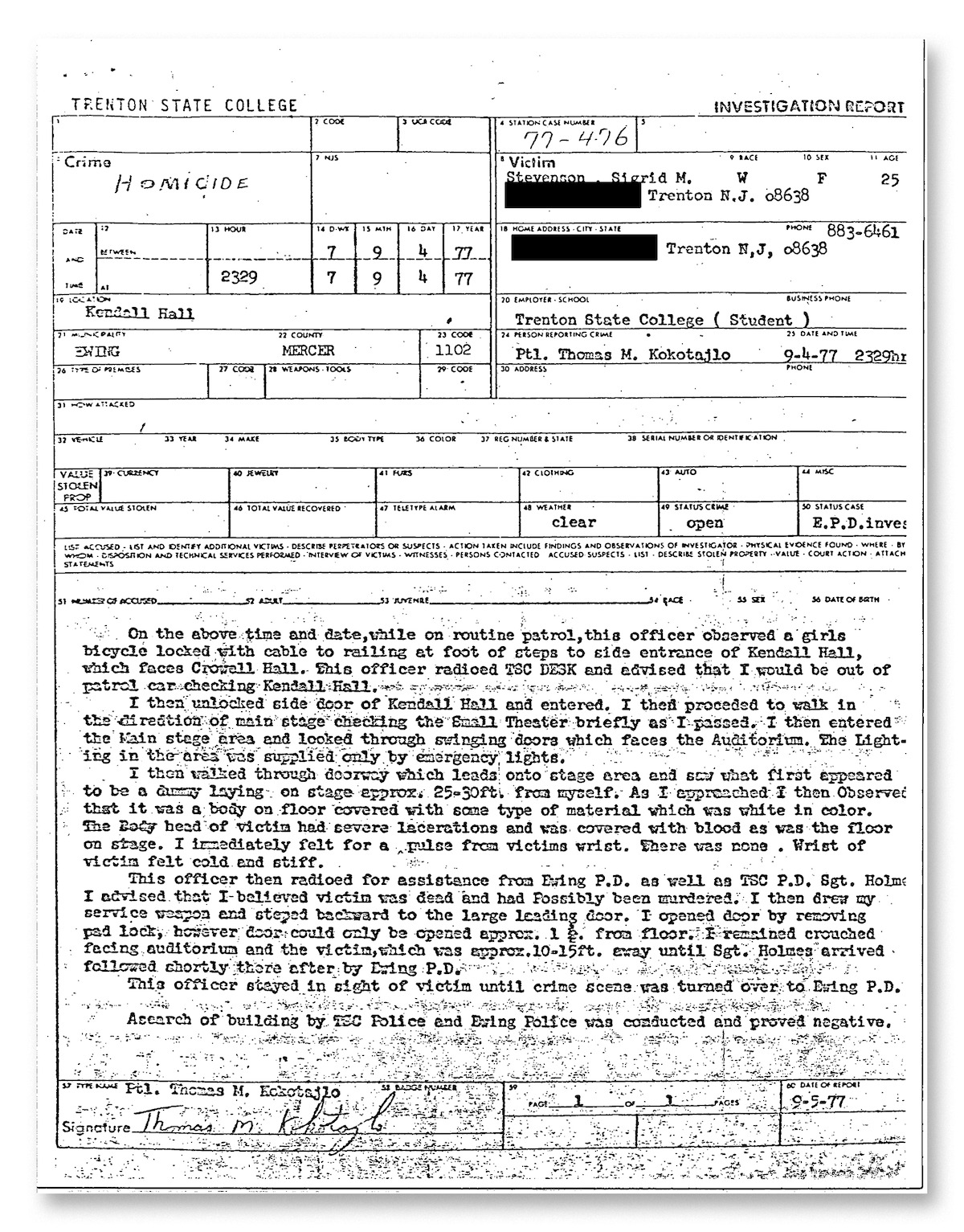
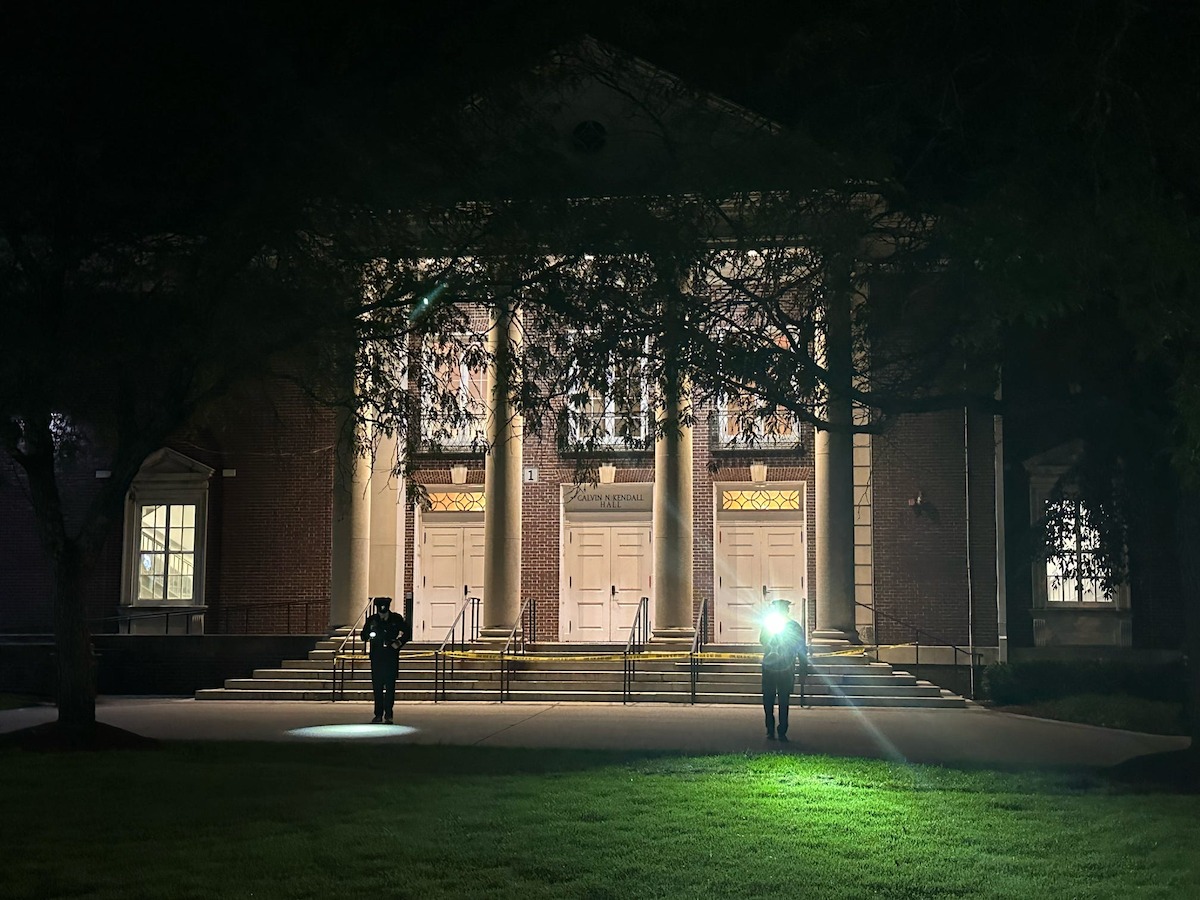
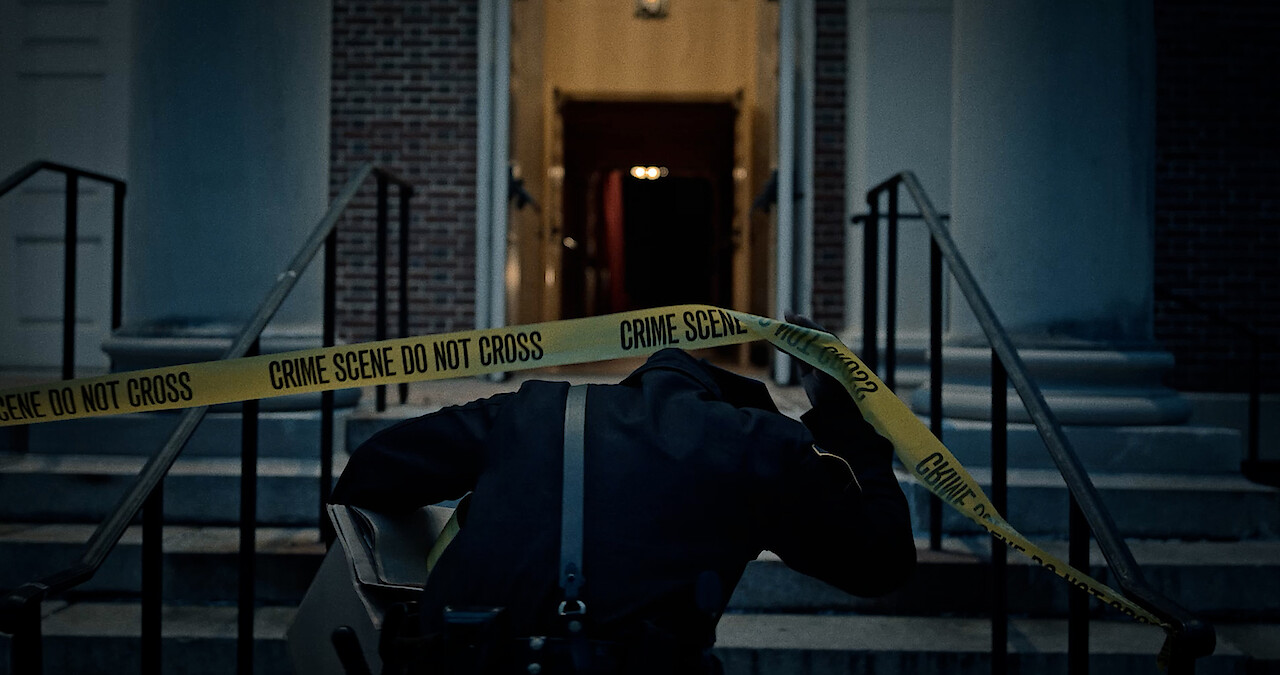
On the evening of Sept. 4, 1977, the Trenton State College (now known as The College of New Jersey) campus was quiet. Classes had yet to resume for the academic year, so the dorms weren’t packed with scores of rowdy undergrads. Because no students were supposed to be on the New Jersey campus, Officer Thomas Kokotajlo of the Trenton State Campus Police was intrigued by a women’s bike chained to the railing in front of Kendall Hall during his patrol. Kokotajlo made his way through the building’s dark halls to its theater, where he spotted something on stage. At first, he thought the figure, which resembled someone sleeping, was a prop for some upcoming production. But on closer inspection, he noticed the large pool of blood. A young woman had been murdered — and more than four decades later, authorities have still not determined who committed the crime. Unsolved Mysteries Volume 4,Episode 4 “Murder Center Stage,” revisits the perplexities of this case, speaking to those who investigated it in the ‘70s as well as the detectives who picked it up decades later.
Who was Sigrid Stevenson?
Sigrid Stevenson was a 25-year-old master’s student described as “quirky” by friends. Raised in Livermore, California, by a close-knit family, she was a talented pianist from an early age. She enrolled at Trenton State to become a music teacher. “When she would play the piano, a completely different side of her would emerge that was just calm and powerful,” says Carol Edson, a friend of the Stevenson family.
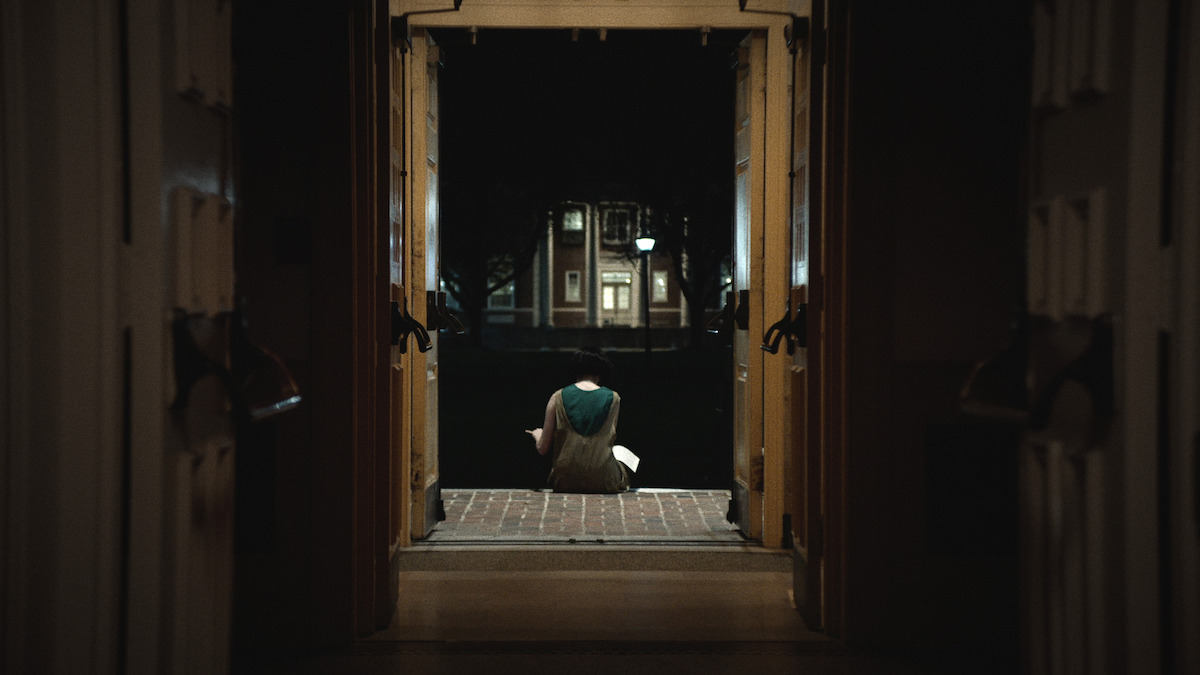
During the summer before her untimely death, Sigrid hitchhiked through Nova Scotia. When she returned to Trenton State on Sept. 2, she couldn’t access the lodging she’d arranged for the school year — her hosts, a local fireman’s family, were on vacation. Until they returned, Sigrid decided to crash on a couch in Kendall Hall.
On Sept. 3, the evening before Sigrid was murdered, a local theater group produced a play in the theater. Members of the troupe later told police they had stumbled on Sigrid in the green room with her belongings. She attended the performance and even chatted with the actors at intermission. After Act I, they recalled Sigrid seemed friendly and in high spirits. Later, however, her mood had soured. She said she had gotten into an argument with a man and lost. His identity remains unknown. A member of the cast recalled seeing Sigrid that night around 11:30 p.m. After that her whereabouts are unaccounted for. Less than 24 hours later, she was dead.
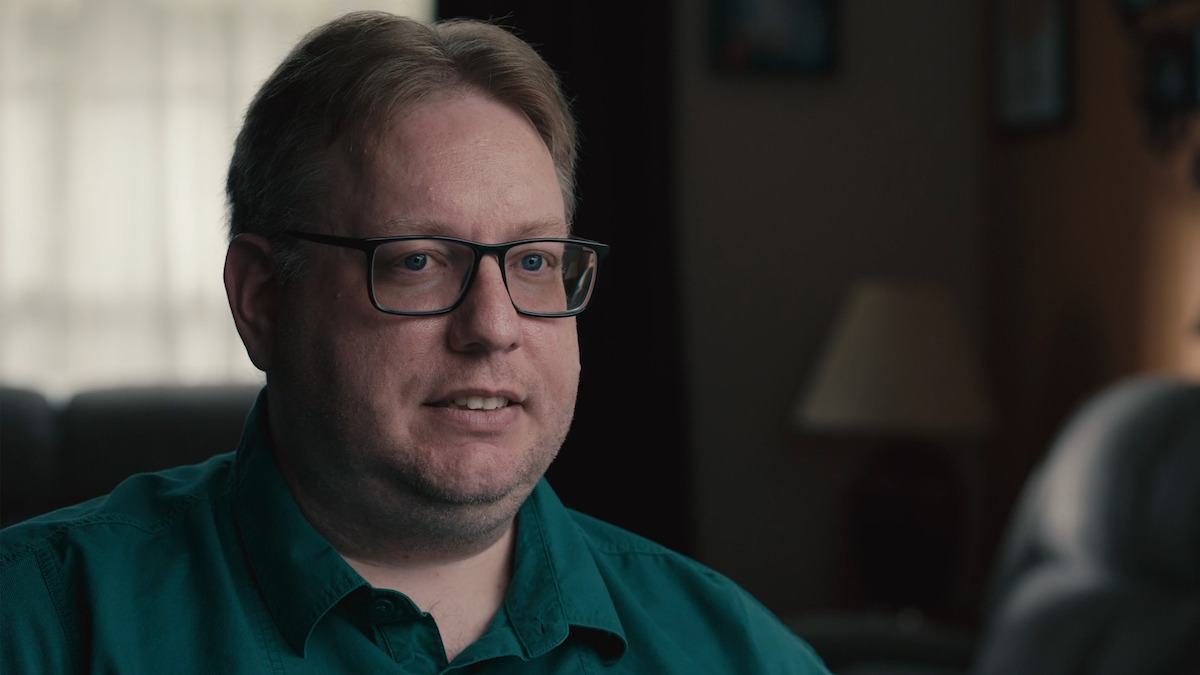
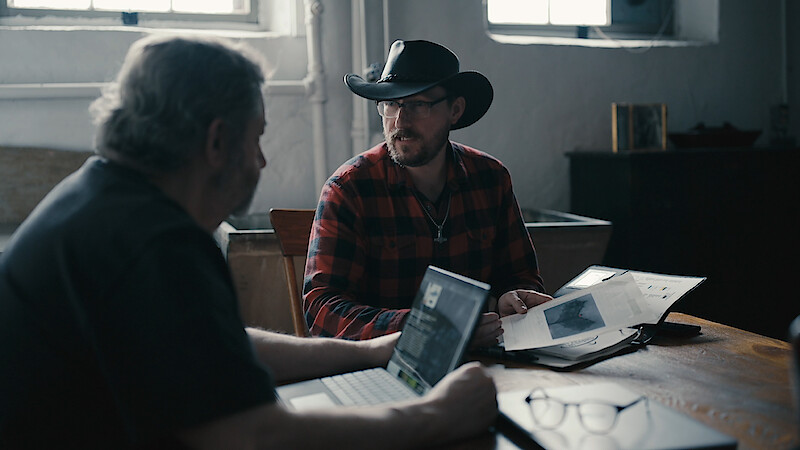
Ret. Detective Patrick Holt and Scott Napolitano tour Kendall Hall, and discuss the ways the theatre has changed since Stevenson’s murder.
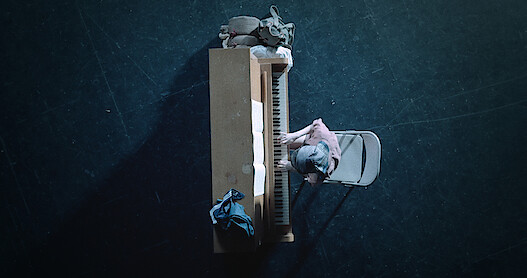
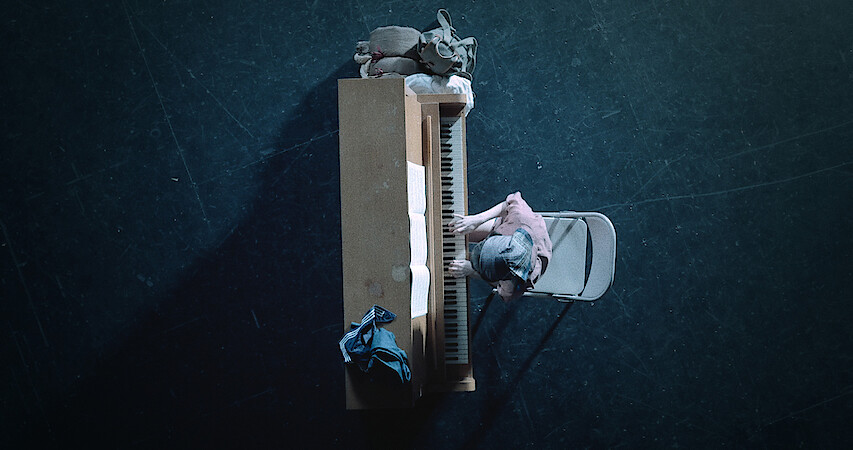
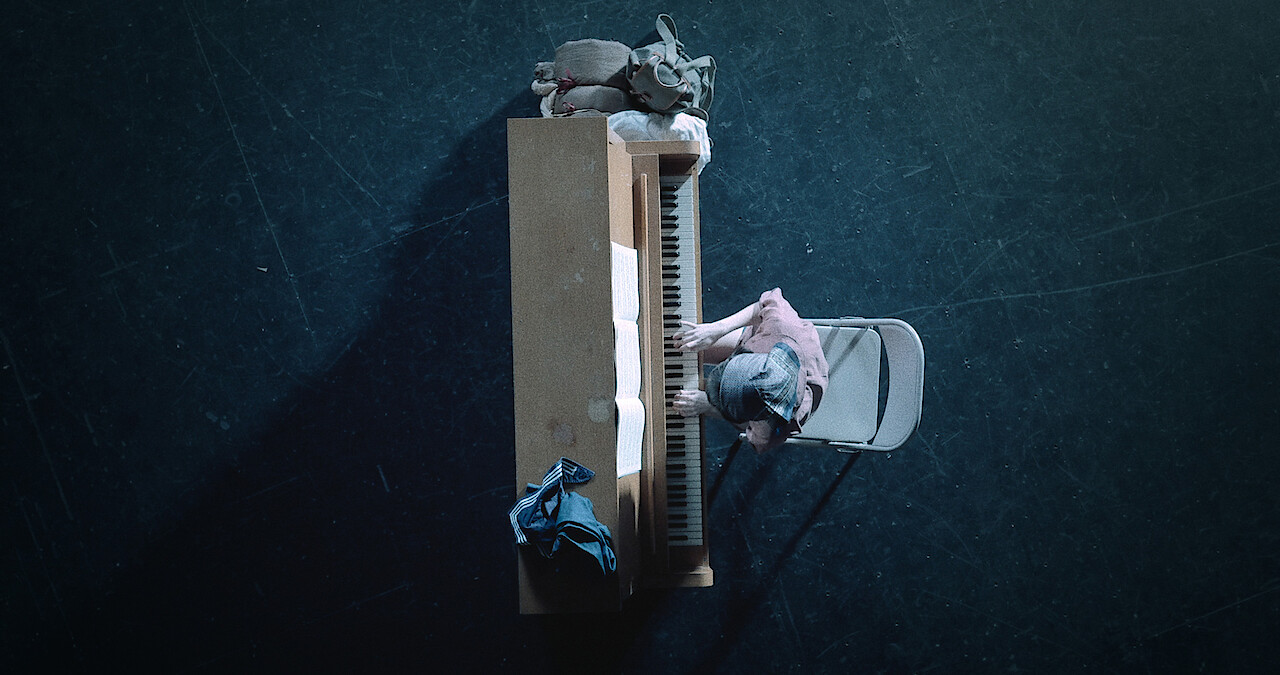
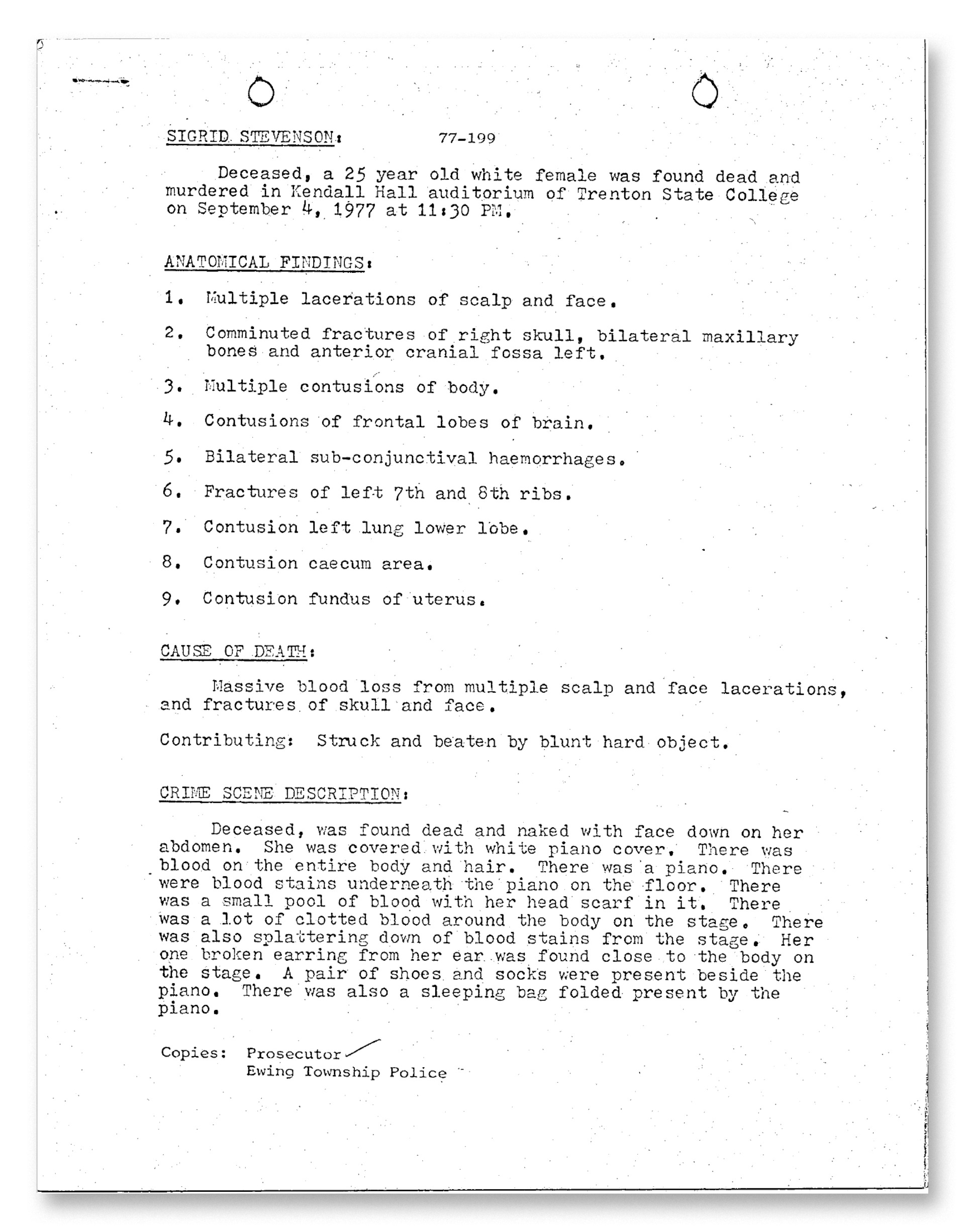
Detectives suspected that when Sigrid was attacked, she was playing piano with her back to whoever approached. They also believed that she was sexually assaulted, because she was found with her underwear off and her blouse tied around her mouth. A vaginal swab revealed the presence of sperm on the body. The deputy medical examiner determined Sigrid was beaten repeatedly with a blunt object and suffered bruises and lacerations to the head and body. She also had symmetrical ligature marks on her wrists, which could have been from handcuffs. Sigrid was found wrapped in a piano blanket; despite the amount of blood at the scene, police didn’t find any footprints or fingerprints.
Are there any theories about who killed Sigrid Stevenson?
Because Stevenson’s attacker seemingly knew that she would be alone in Kendall Hall and bound her wrists with what could have been handcuffs, many speculated that the culprit might have been in campus law enforcement. “Sigrid had a reputation for sneaking into buildings,” says Sgt. Edward Deboskey, now retired from the Ewing Police Department. “The campus police had interactions with her over the course of the year, chasing her out of different buildings.” Polygraph tests were administered to the campus police officers, their handcuffs were tested for blood, but no clues emerged. Months later, though, one officer reportedly told a colleague that he had murdered Stevenson, but further investigation didn’t produce any conclusive evidence.
Chuck, a member of the theater group who interacted with Sigrid the night before her death, also piqued police interest. Among Stevenson’s possessions was a playbill that had his name circled with a handwritten note: “Nice man; gave me a beer.” That night, he had played the role of a police officer, which meant that he would’ve had a nightstick and handcuffs. Chuck passed a polygraph, and for a time, that seemed to be the end of that. Years later, however, a former girlfriend came forward and said that Chuck had once told her that he’d committed a murder. Chuck died in 2016, but DNA testing did not link him to the crime scene.
One of the Sept. 3 play’s lighting technicians also emerged as a potential suspect, as did a maintenance worker. Both men had keys to the building — the lighting technician would have known how to work the complicated lighting system inside the theater (though Sigrid was found in the dark, it’s likely that the lights would have been on when she was attacked).
The maintenance worker cleaned in another building Sigrid was often in. She had his address and phone number among her possessions, and the pair had reportedly been seen together on occasion. The maintenance worker was fired soon after the murder and was never polygraphed. Over the years, multiple detectives have tried to solve this case. They hope that renewed interest from the public can generate new leads that could solve Stevenson’s murder once and for all.
Want more evidence?
See more bonus material below for “Murder, Center Stage”, including crime scene photography and behind-the-scenes clips from this episode.
Content warning: The images below include depictions of violence and blood.
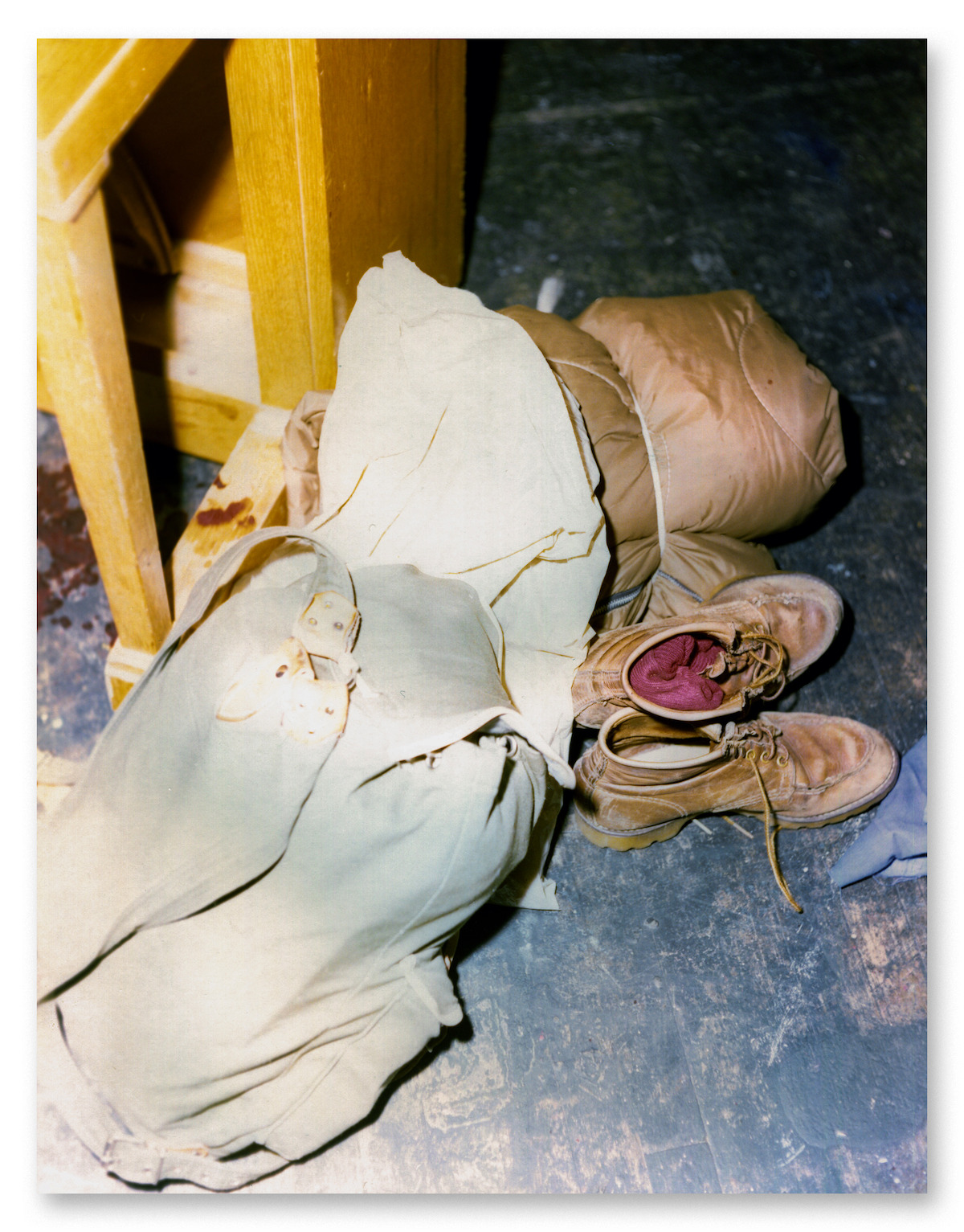
Clue: A small pile of Sigrid’s belongings were discovered beside the piano she played just before her death. Why did she have her sleeping bag? Had she planned to sleep on the stage?
Clue: Campus officer Thomas Kokotajlo spotted Sigrid’s green bike parked outside Kendall Hall, which prompted him to search the theatre.
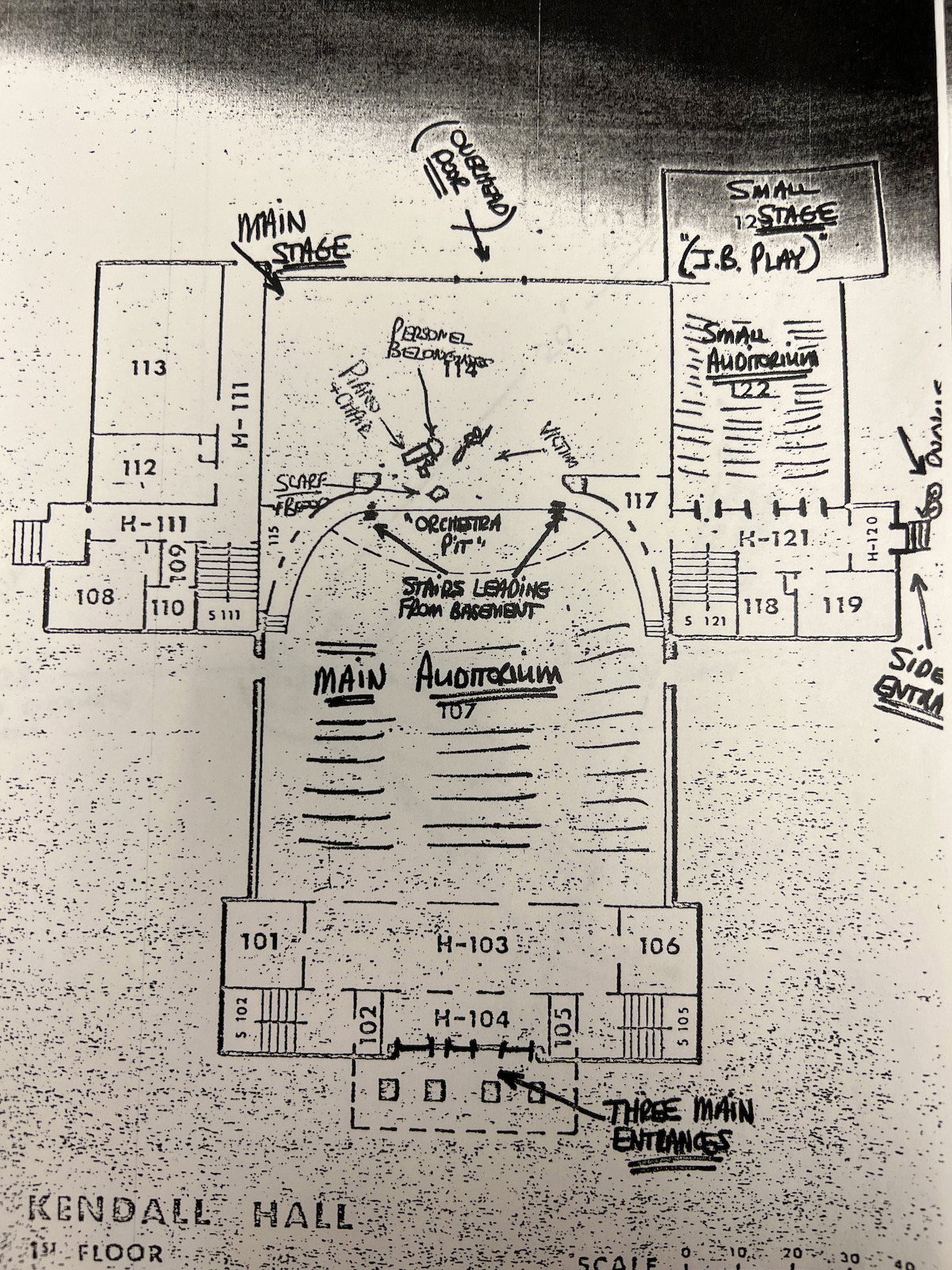
A map of how Kendall Hall stood on September 4th, 1977.
The original police report filed by campus officer Thomas Kokotajlo, a chilling account from the person who discovered Sigrid Stevenson’s dead body.
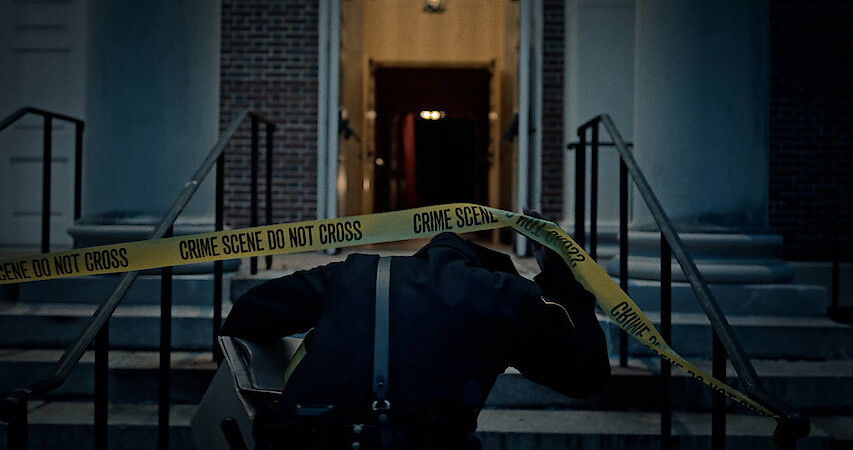
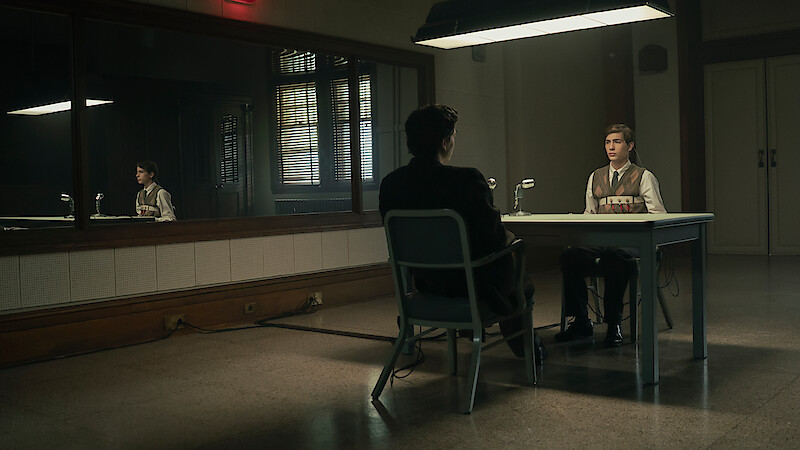
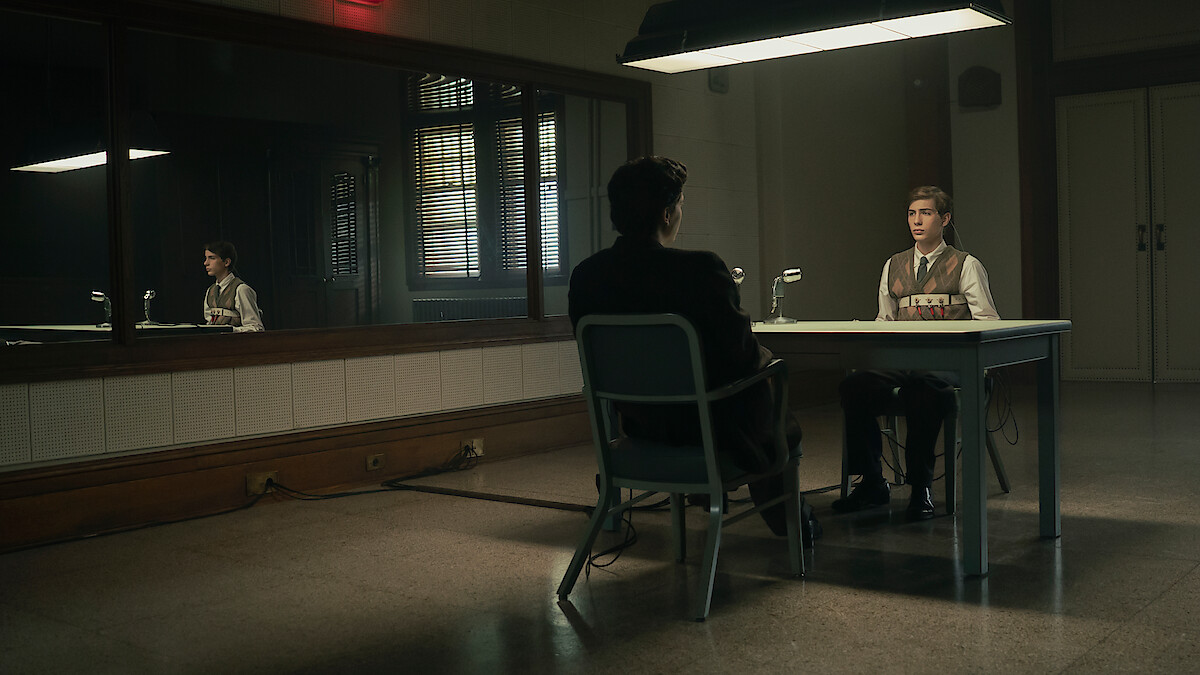
The Unsolved Mysteries crew recreates the search investigators embarked on.
The Unsolved Mysteries crew films recreations inside Kendall Hall.
Scott Napolitano shares the story of the night he first learned about the unsolved murder of Sigrid Stevenson, while on a ghost tour of TCNJ's Kendall Hall, the scene of the crime.