Status Update
Where Are The Plastic Detox Couples Now?
Learn what changes stuck — and who had babies! — since the doc’s release.
March 16, 2026
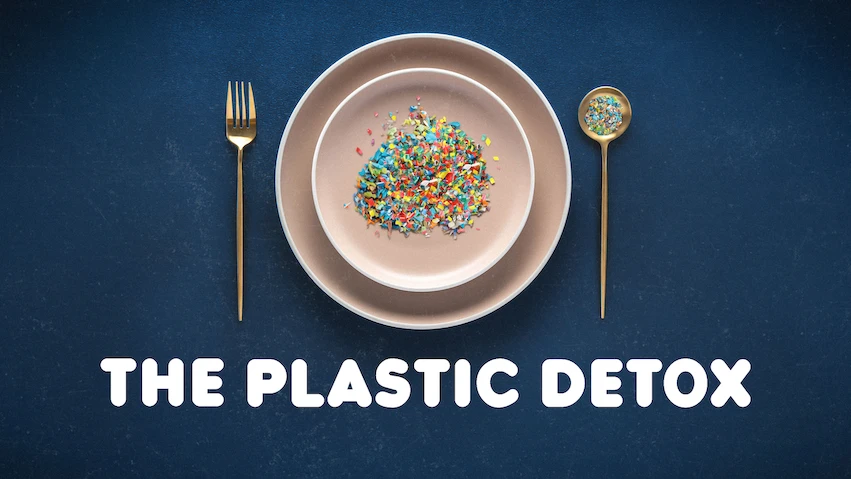
In The Plastic Detox, six couples who had been experiencing fertility challenges embark on a three-month effort to lower their daily exposure to plastic-related chemicals. As seen in the documentary, common plastic products often contain additives like phthalates and Bisphenols (like BPA) — two major groups of endocrine-disrupting chemicals, or EDCs, which have been linked to a variety of health problems. With the help of environmental and reproductive epidemiologist Shanna H. Swan, PhD, the couples track key fertility metrics over 90 days to see if stripping plastics from their pantries, medicine cabinets, and wardrobes might improve their chances of pregnancy.
(Looking for ways to reduce your own exposure? Learn about the key areas Dr. Swan recommends focusing on, and read additional tips, here.)
By the end of the documentary, several couples see major drops in chemical exposure — with BPA falling to undetectable levels for many participants. And because it takes the male body roughly 70 days to produce new sperm, the 90-day window also allowed for measurable improvement in several of the men’s key fertility measures, like sperm count and concentration. The biggest news, though, is that three of the six couples became pregnant.
The results indicate that real health benefits can come from reducing our exposure to plastics and — perhaps most notably — that it’s never too late to start making changes in your daily habits. While not a formal scientific study, the results of The Plastic Detox will be used to support Dr. Swan’s application for a larger one with government funding.
Tudum caught up with The Plastic Detox couples (except Shantal and Nick, who declined to be interviewed) to see how they’ve been doing since filming wrapped, what changes have stuck, and what advice they’d offer to people looking to make similar adjustments. We also spoke with Dr. Swan about the most encouraging takeaways from working with the couples.
“I think it empowers people to know that they can do things to protect themselves, at least if not completely, to a large extent,” Swan tells Tudum. “And that’s what the film really shows — when these couples took action and reduced their exposure, they saw differences.”
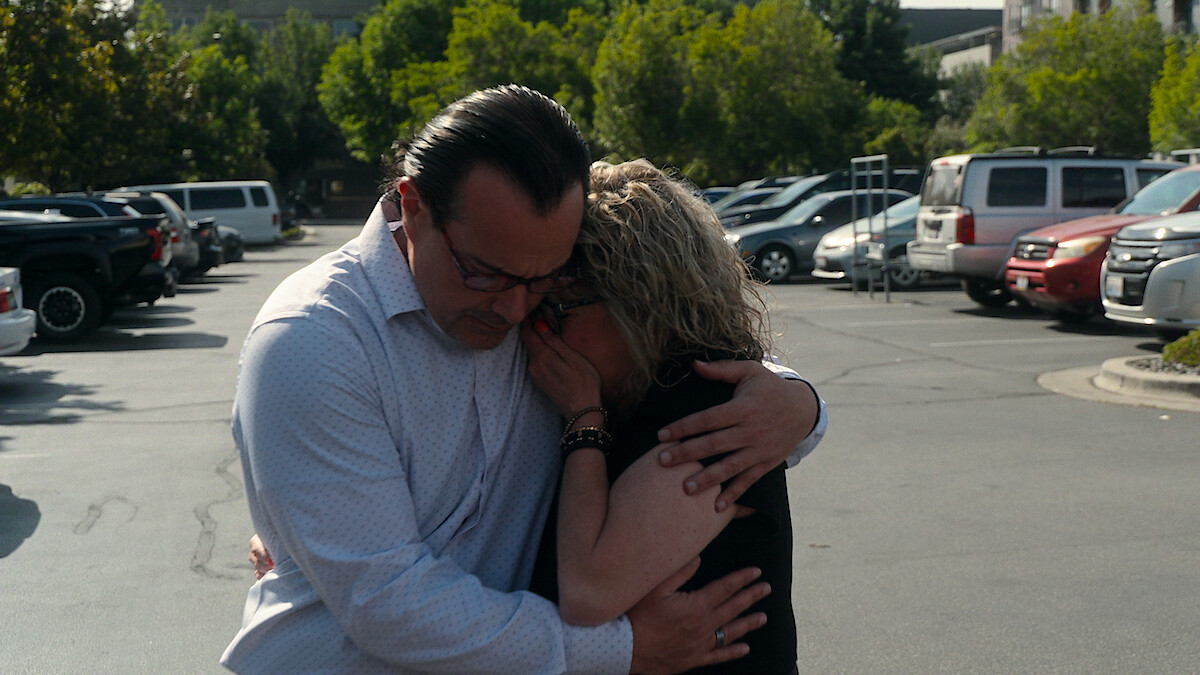
All five couples interviewed report that they’re still actively trying to live with less plastic and fewer chemicals in their daily lives, though for some, the intensity has shifted since the cameras stopped rolling.
The changes that stuck tended to be the ones that were easiest to implement. Ditching fragrances was a common theme. “We used to enjoy the lingering scent of clean clothes,” say Katie and Tim, “but we have continued to purchase fragrance-free laundry detergent, among other things. Now we find most fragrances to be overwhelming.” Erik echoes this: “There are some pretty good unscented soaps out there that work well, and avoiding body sprays and perfumes is pretty easy on a day-to-day basis.”
Swapping out plastic kitchenware — particularly food storage containers and cooking utensils — was another near-universal shift. Katie and Tim ditched plastic resealable bags for reusable silicone ones: “We thought it would be too much work to have to wash them, but it’s been just fine.” Jesse and Darby say they’ve stuck with all-glass or nonplastic kitchenware, and Eric and Julie say apps like Clearya, EWG’s Healthy Living, Oasis, and Think Dirty help them vet products before purchasing. “It’s empowering to shop with awareness of what you’re putting in or on your body,” they say.
Some areas, however, remain difficult. Eating out tops the list. “Almost every to-go food container is plastic — or cardboard that is coated in plastic to keep it from leaking,” Erik explains. “You also can’t avoid what [restaurants] are cooking with or in.” Self-described “huge foodies” Eric and Julie agree: “There’s just no way to know what people are using to prepare your food, or how it was stored. The same can be said when people host us — it would be catastrophically rude to be invited over for dinner and say, ‘We actually cannot eat this lovely meal you’ve prepared because it’s not organic or plastic-free.’ ”
Swan acknowledges this is a challenge. “I really don’t have [a solution],” she says. “I have the same problem myself. The only thing I would say [is] if you, for example, often go out for coffee, you could bring a mug. And some coffee shops actually encourage that and give discounts if you do.”
For some participants in the study, like Kate, striking a healthy balance between what’s practical and what’s possible has been crucial. “Since filming wrapped, I was diagnosed with OCD, and I’m doing my best to put my basic needs first,” she says. “For example, during the study, if I was thirsty and my only options were to drink from a plastic water bottle, a public drinking fountain, or wait till I get home, I would choose the latter. Now I will usually choose the plastic water bottle.”
Swan says that kind of flexibility is necessary when attempting to alter long-standing habits. “I think it’s very personal,” she says. “Some key things that people are attached to, they won’t give up. And that’s OK. Because there are many, many options to decrease your exposure. So I would say to people, ‘If there’s a particular product that you really like, and even though it conveys exposure, go with it and eliminate the chemicals from other areas.’ ”
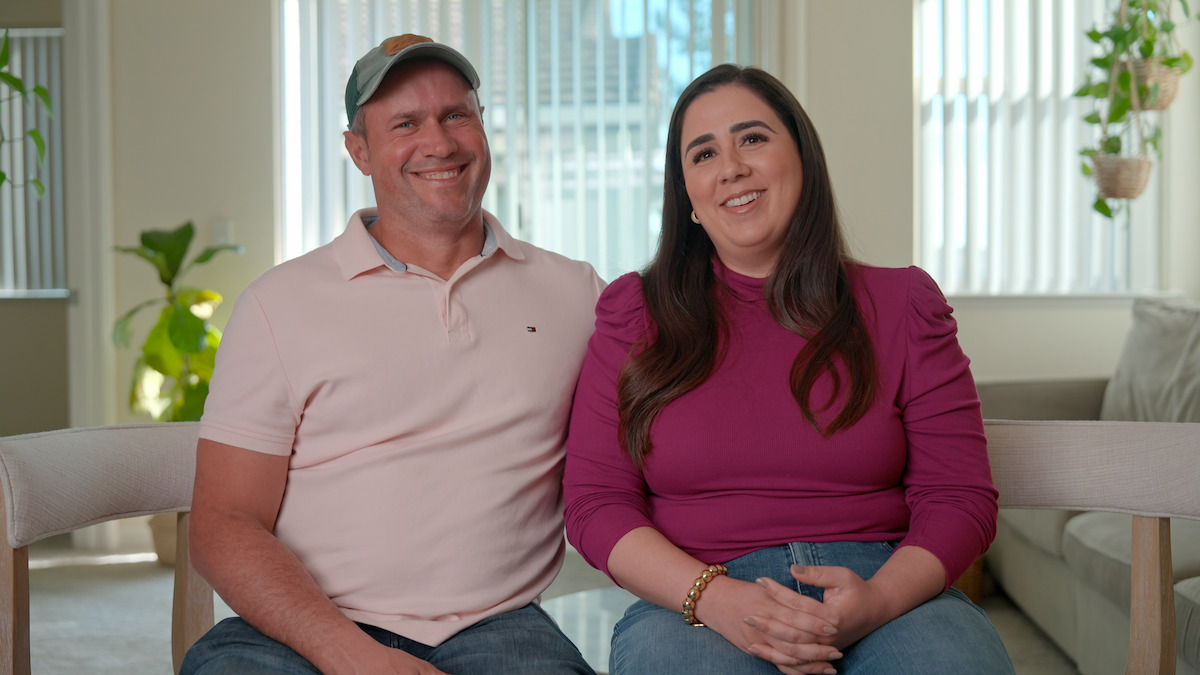
Monique and Bruno
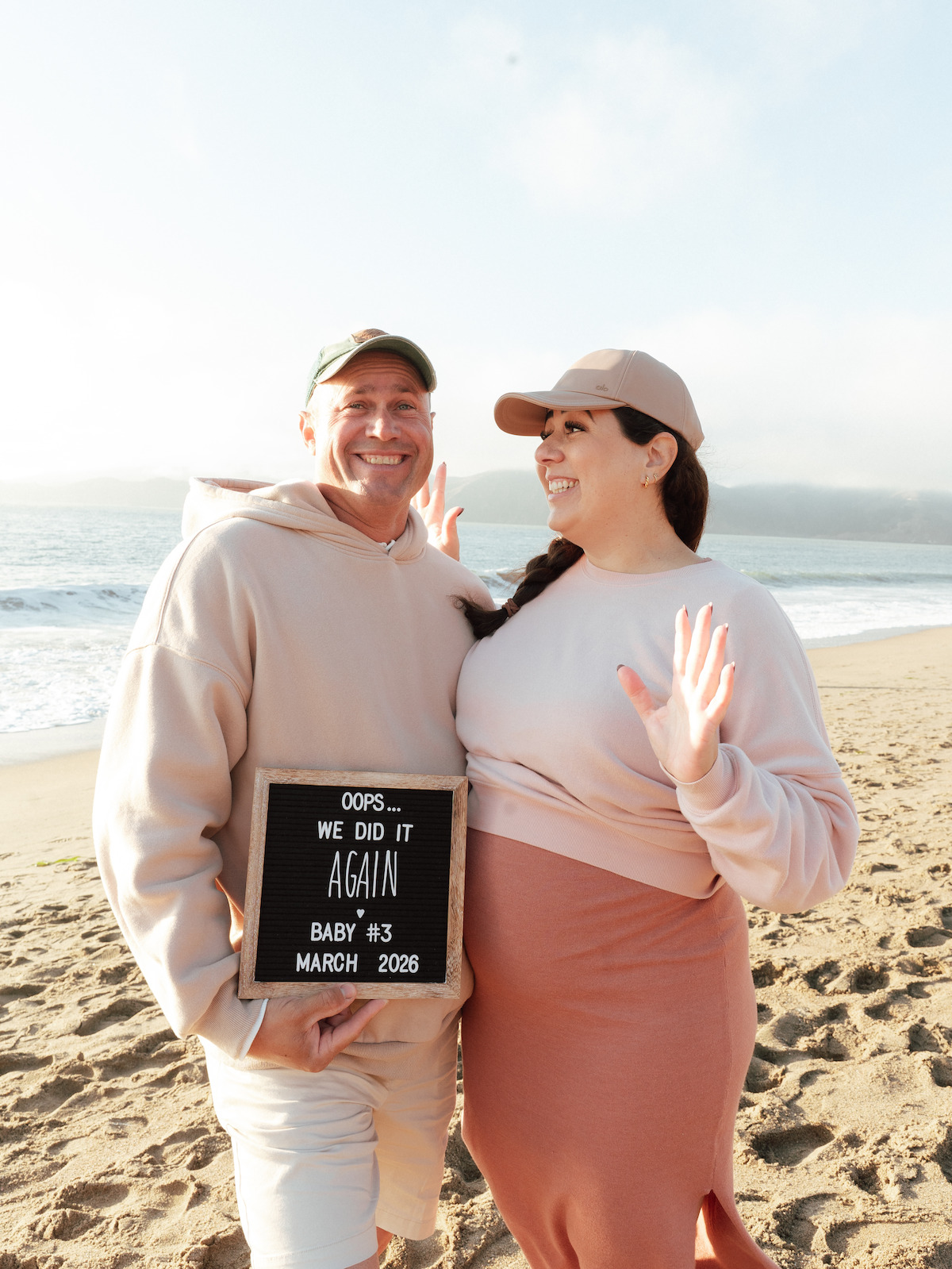
The first of The Plastic Detox’s couples to become pregnant, Monique and Bruno welcomed baby Daniel into their lives while cameras were still rolling. Now they’re happy to report another baby is due by the end of March. “God then exceeded our expectations when He generously sent baby Camila our way,” they say.
They also report that lifestyle changes they made during The Plastic Detox have had ripple effects beyond fertility. “We sleep better, our skin is less dry, and Bruno’s extreme eczema has decreased considerably,” they say. “He used to need medication shots every other week, and now he has been free from them for more than six months. Small changes make a huge difference!”
With another baby on the way, they’re doubling down on what worked the first time: “Green baby products, 100% cotton clothes, breastfeeding as priority, nonplastic baby bottles, a fragrance-free environment, and tons of love and sunlight.”
Their advice for other couples facing fertility challenges? “‘Doing’ is important — gaining knowledge, making better choices — but ‘believing’ is the key. Pray and believe; God will answer.”
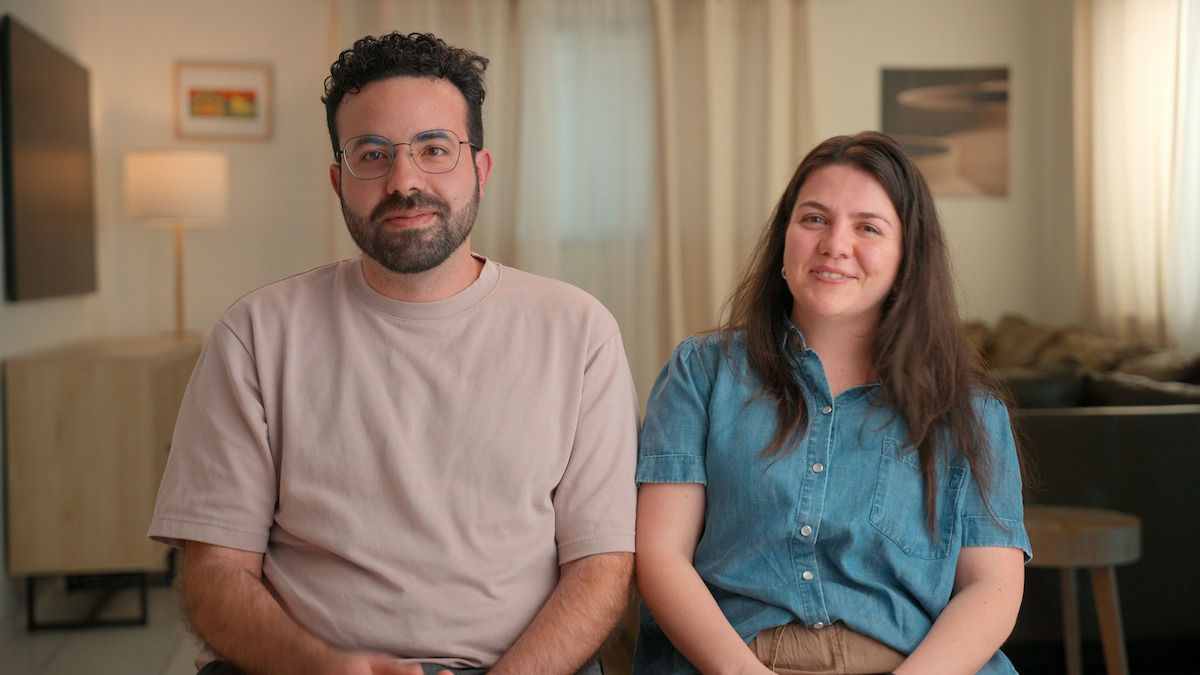
Julie and Eric
“Huge news: Our son was born in early 2026!” Julie and Eric share. “We are so lucky, blessed, and thankful to God to be his parents.”
The couple note that their journey through infertility was long — five years of feeling “hopeless and alone” — but meeting Dr. Swan proved to be a turning point. “When we met Shanna, we felt like we finally got answers and solutions that worked,” they say. “This completely changed our perspective on environmental hazards and how everyday household toxins can impact health.”
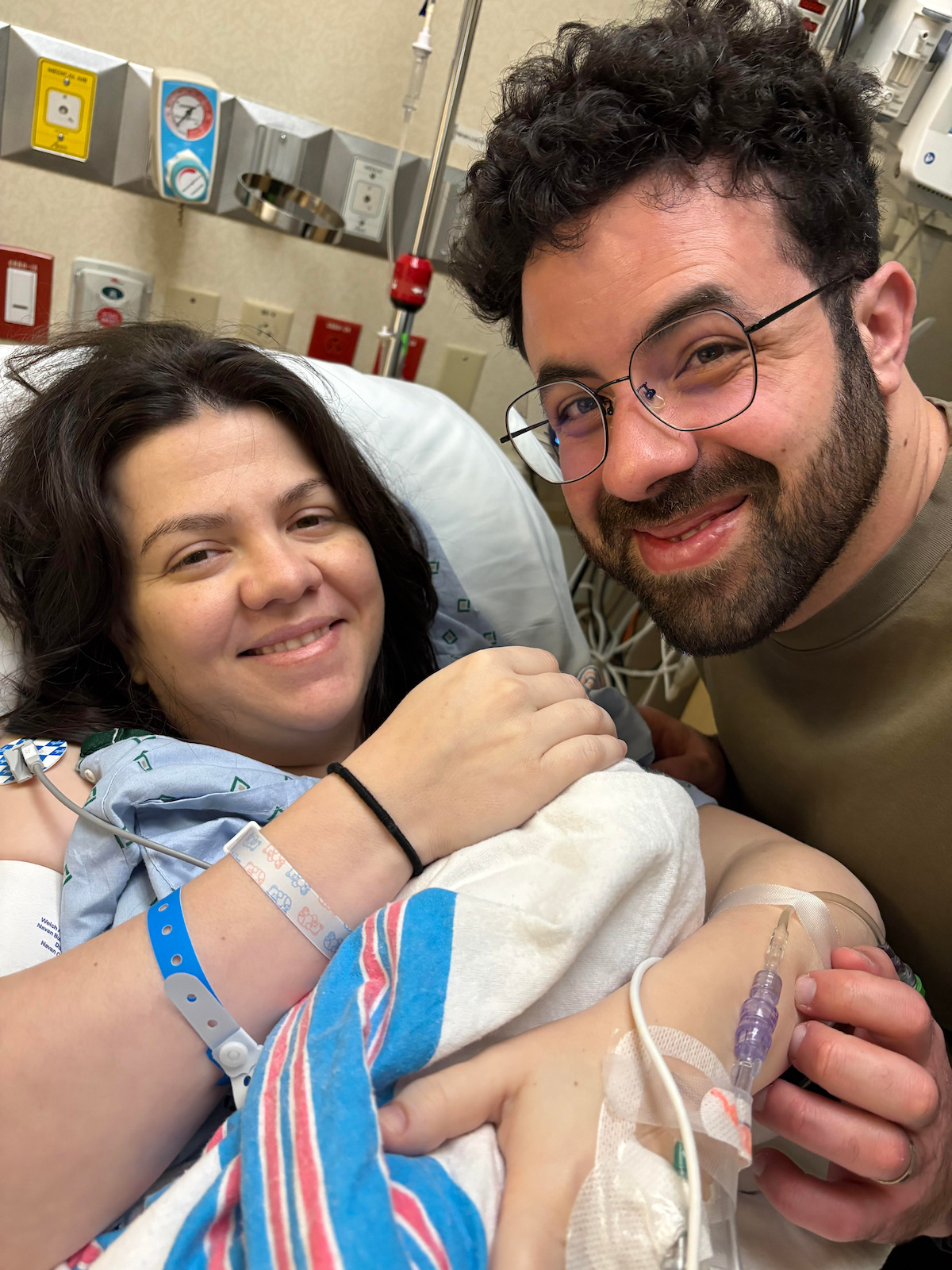
That perspective shift has extended beyond their home: Eric is now planning to attend law school to pursue policy change around chemical exposure. “We don’t want our son, or anyone, to grow up in a world affected by this,” they explain. “This is a huge issue everyone has the right to be aware of and protected from.”
For their baby shower registry, they used the same apps that guided them through the detox to select clothing, a crib, and accessories — all vetted for plastic and chemical content. “People love buying nice things as gifts, and we’re so blessed to have so many friends who bought us what we requested.”
Their message to others struggling with infertility and daunted by the ubiquity of plastic chemicals? “There is hope, and a large group of people is working hard to eliminate these toxins from our daily lives. You’re not alone.”
Katie and Tim
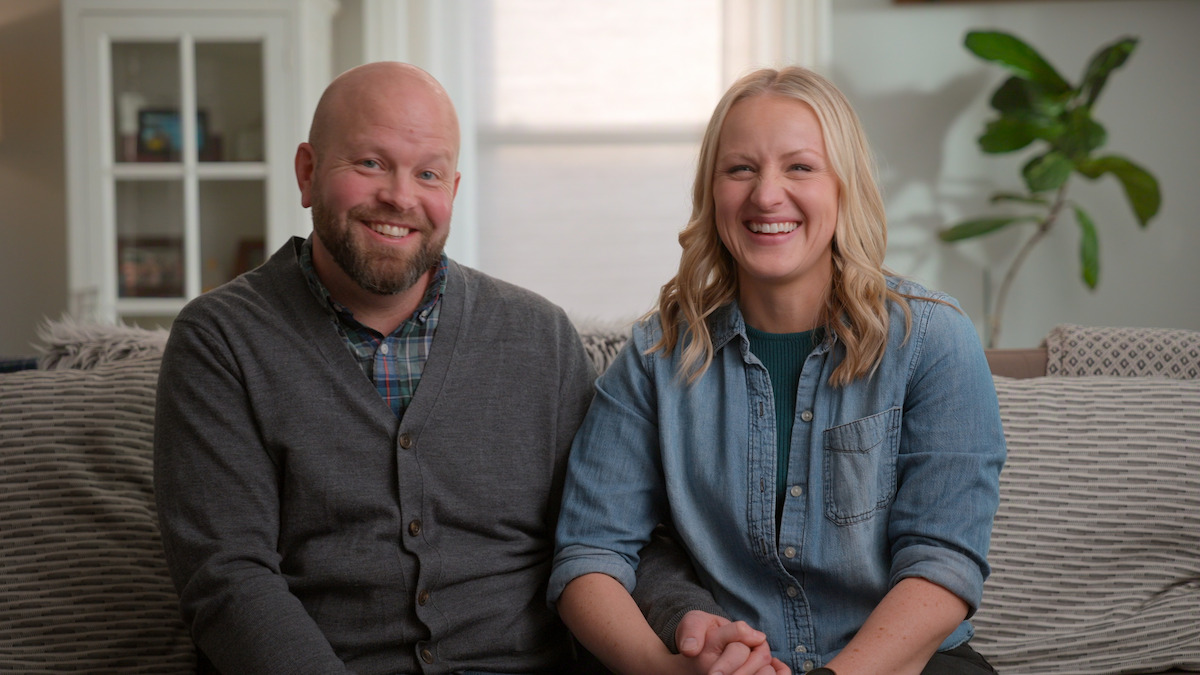
Katie and Tim’s path has been different from the couples who became pregnant during or shortly after filming. As seen in the documentary, Katie’s phthalate levels actually increased during the study, and Tim’s sperm concentration dipped slightly — though his motile count increased by 50%.
After filming wrapped, the couple made a significant decision. “After much prayer and consideration, we decided to pursue IVF,” they say. Working with a fertility doctor in San Diego, they combined their plastic-free lifestyle with targeted supplements — and they’ve seen encouraging results. “Tim’s sperm levels increased incredibly, and Katie received one of the best [lowest] BPA tests the doctor had seen,” they say. “We continue to carry great hope with us through our IVF journey.”
Darby and Jesse
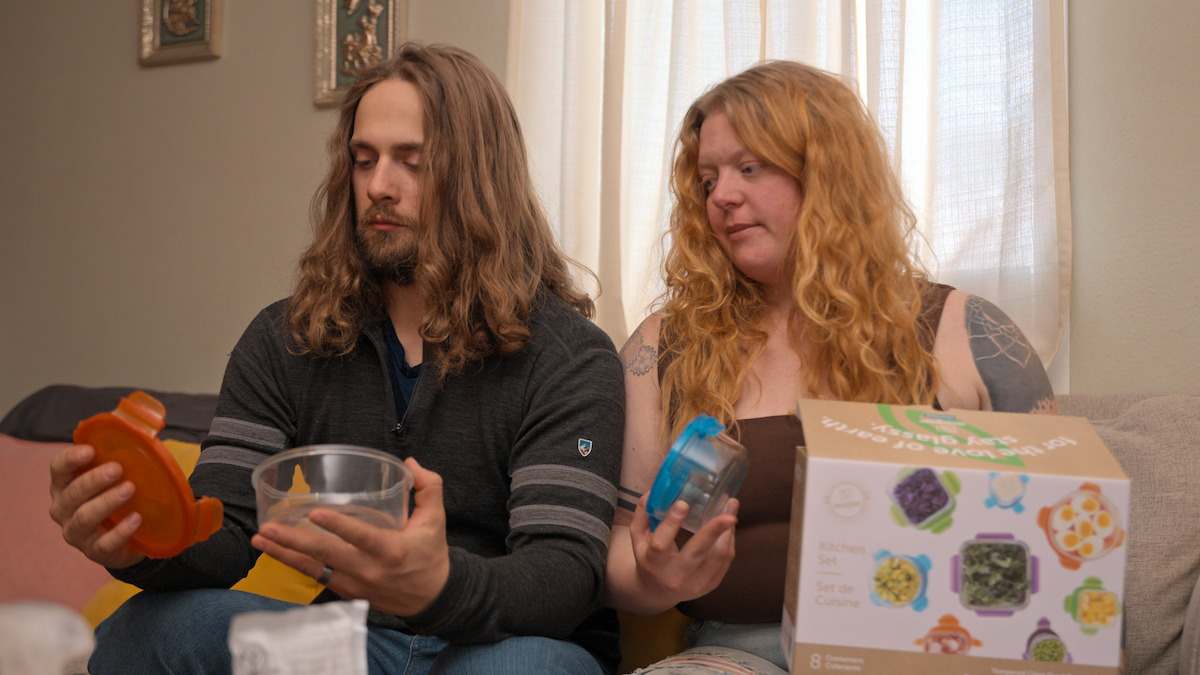
One month into the study, Jesse and Darby experienced an early miscarriage. By the documentary’s end, though, they were pregnant again. Now their baby boy has arrived, and Darby credits the lifestyle changes they’ve made with contributing to “a very smooth pregnancy.”
“I would love to know how the study helped prepare my body to avoid a lot of the symptoms my friends struggled with that I was fortunate to avoid,” she says.
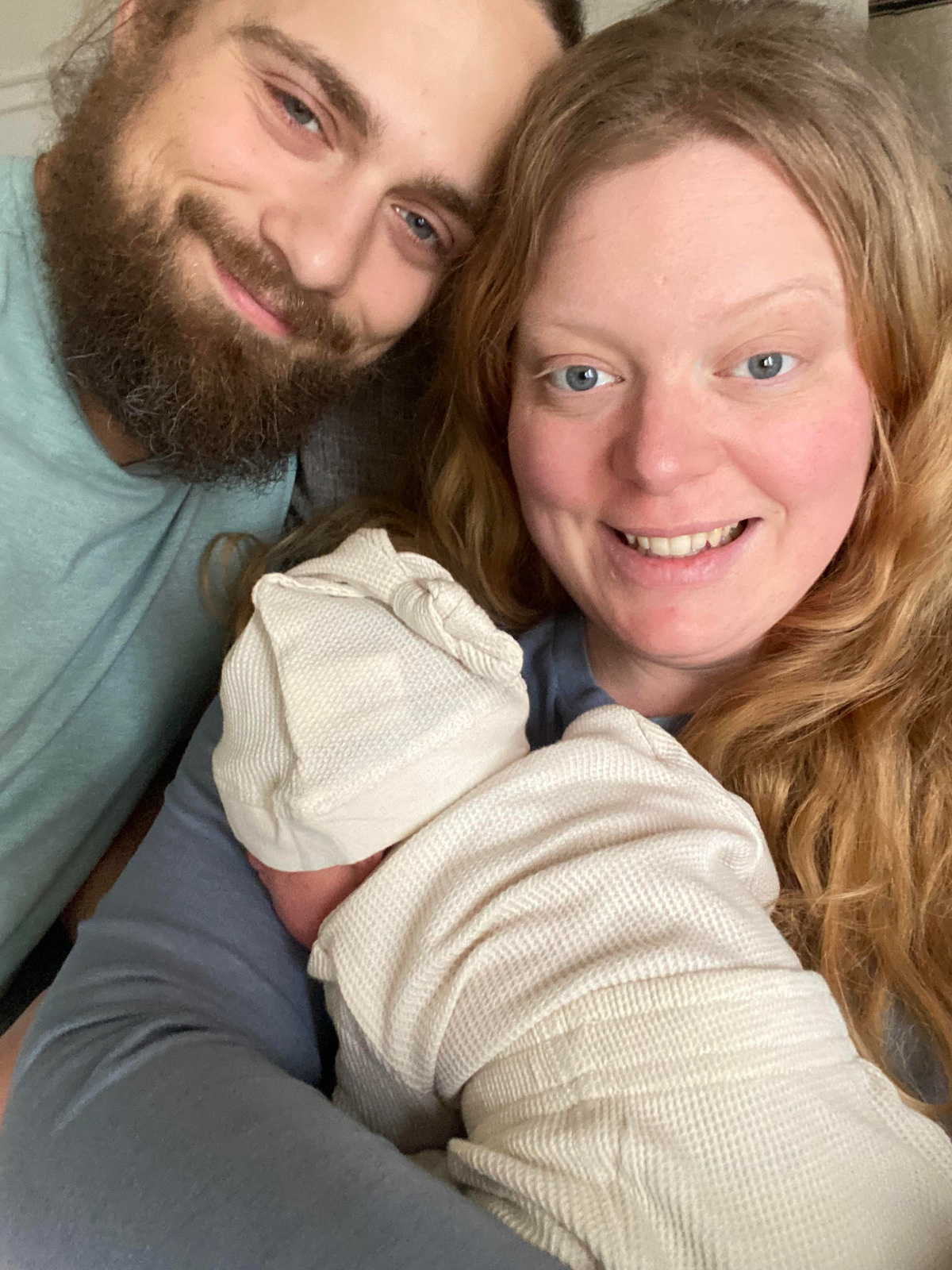
The couple were meticulous in preparing for their son’s arrival. “We have been really strict about anything he will wear or touch,” they explain, such as clothing made only from cotton, wool, or linen — “No exceptions. We have [made] all of his diaper creams and lotions, we are cloth diapering with cotton cloth diapers, and plan to exclusively breastfeed to prevent plastic consumption from pumping lines.”
Kate and Erik
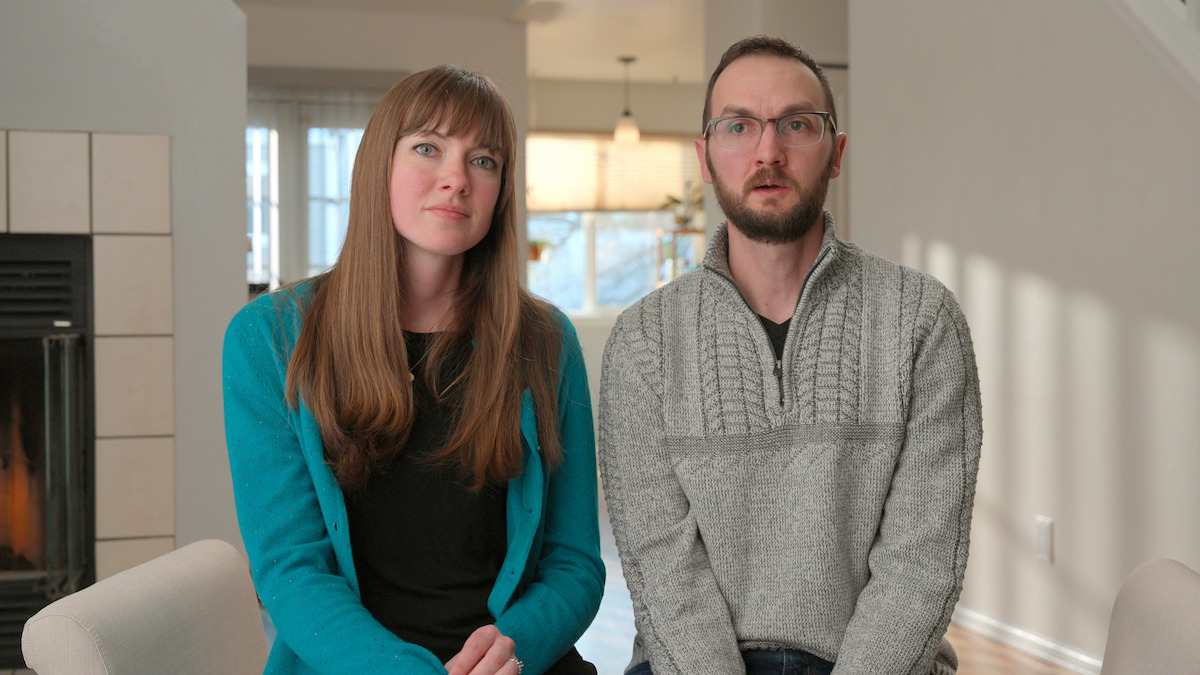
Since filming the documentary, both Kate and Erik say they’ve maintained many of the habits they developed during the detox. “The level of reduction that we had during filming has decreased a bit,” they say, “but we are still trying to pay active attention to what we do and reduce plastic and chemical exposure as much as possible.”
Clothing was one area of focus where change proved easier than expected. “We were surprised at how much cotton clothing is available at an affordable price,” they say. And Kate has made adjustments to how and when she chooses to wear synthetic fabrics. “I wait until right before exercising to change, and I don’t use synthetic leggings as loungewear,” she says.
On the fertility front, they say there’s “nothing new to share.” But the everyday swaps have stuck: “Cooking without plastic turned out to be a lot easier than expected. There are many other options for most cookware, like wooden spatulas, that aren’t significantly more expensive and still work just as well.”
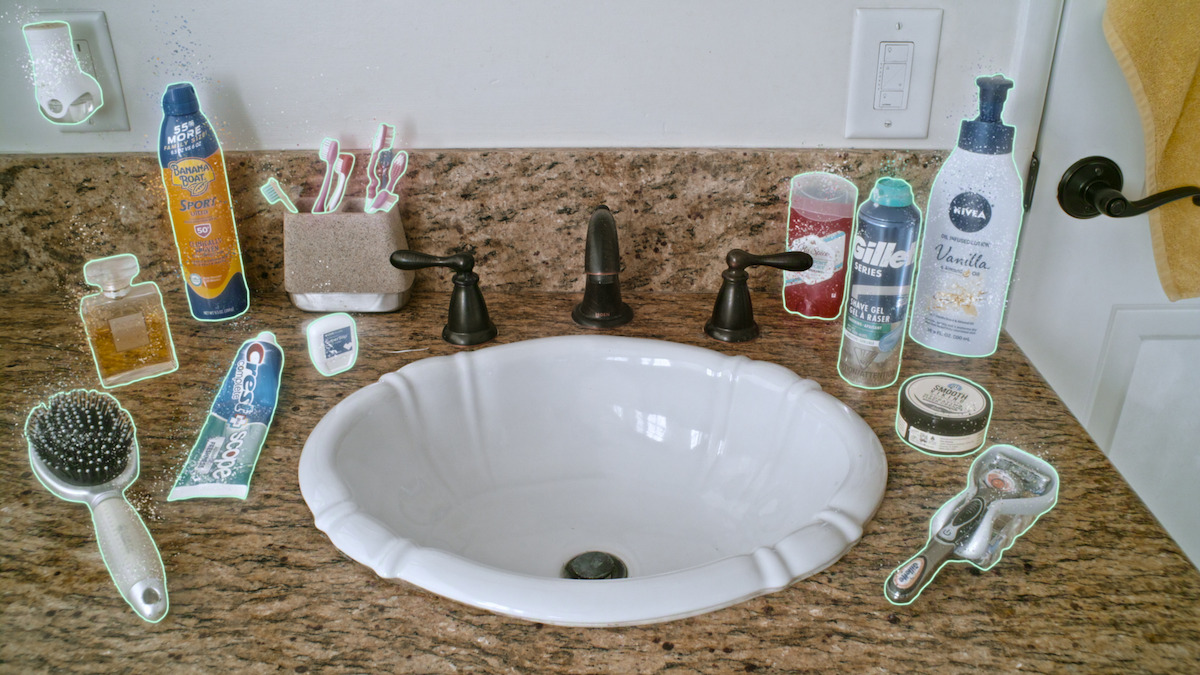
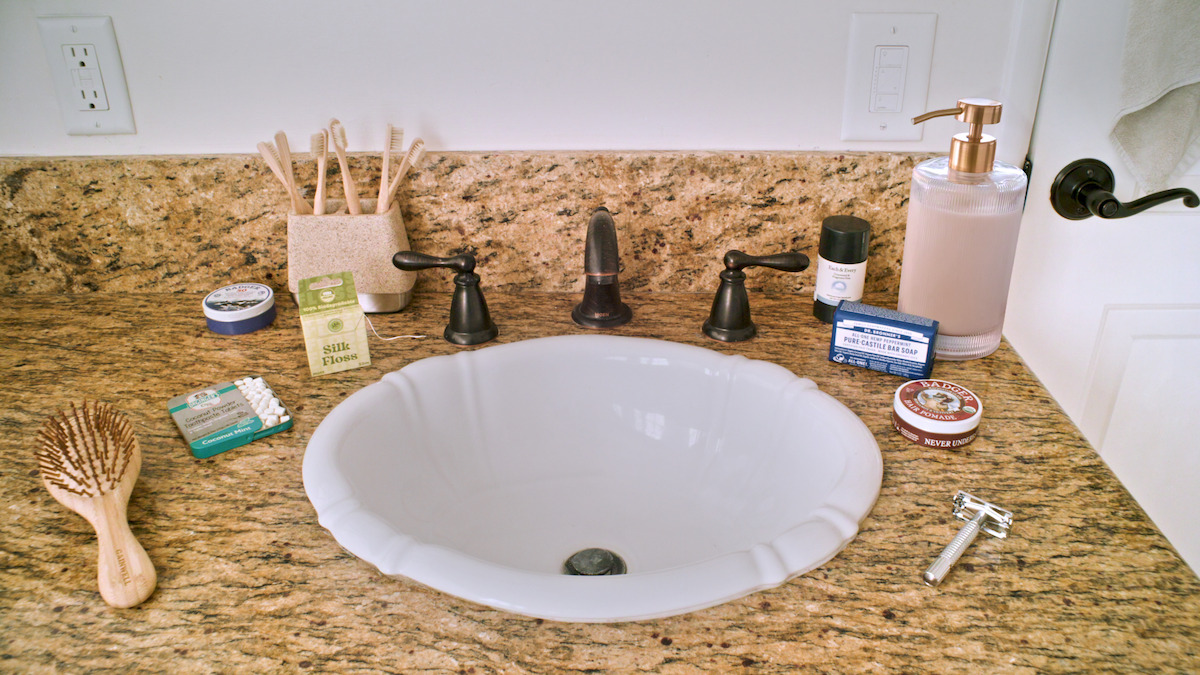
Following the 90-day detox, there was a lot to feel good about, including long-awaited pregnancies, drops in chemical exposure, and substantive improvements in fertility markers. But for Swan, what stood out just as much was watching the couples take ownership of their health. “They got excited, they wanted to participate, and they saw changes that helped their health,” she says. “Who’s not going to like that?”
She also notes several unexpected benefits that went beyond the specific fertility markers the couples were looking out for. “We saw reports of increased sleep time and decreased anxiety,” she says. “Doing this for themselves, for their health, feeling the agency to do this — that they were able to make these changes themselves, I think, really empowered them and made them feel good about themselves.”
Since The Plastic Detox wrapped, the couples have welcomed new babies, pursued new paths, and continued making small changes in their daily lives. Their experiences suggest that everyday swaps can be sustainable — and offer a starting point for anyone looking to make more informed choices about their health.
The Plastic Detox is now streaming on Netflix.