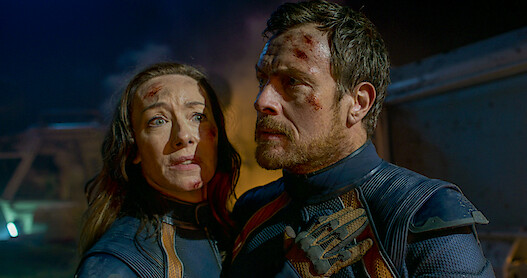
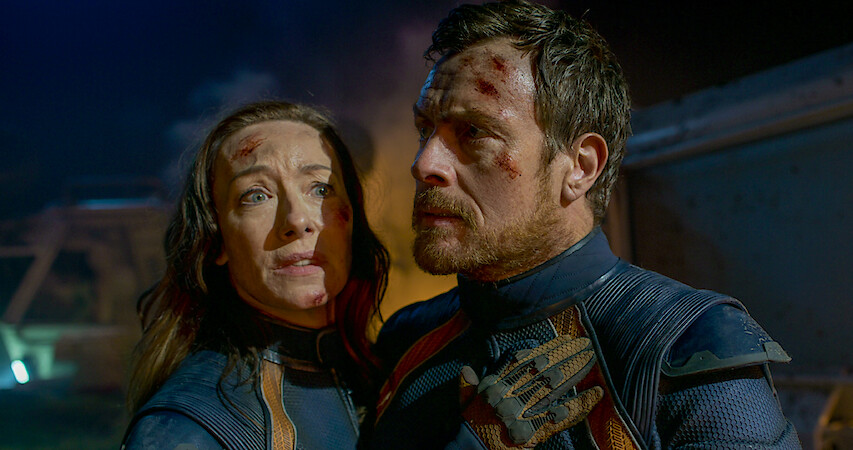
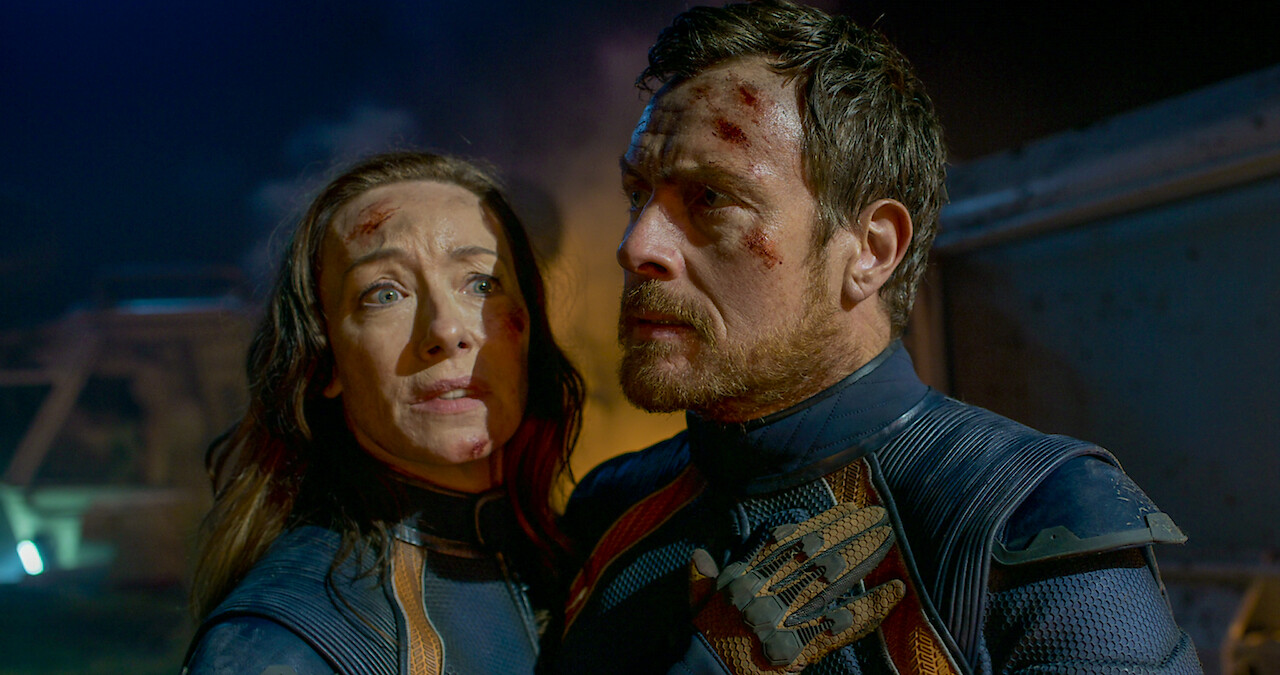
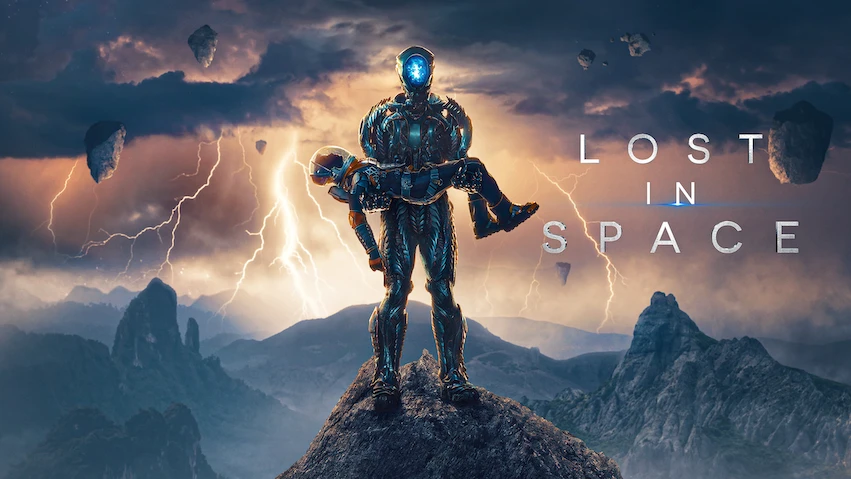
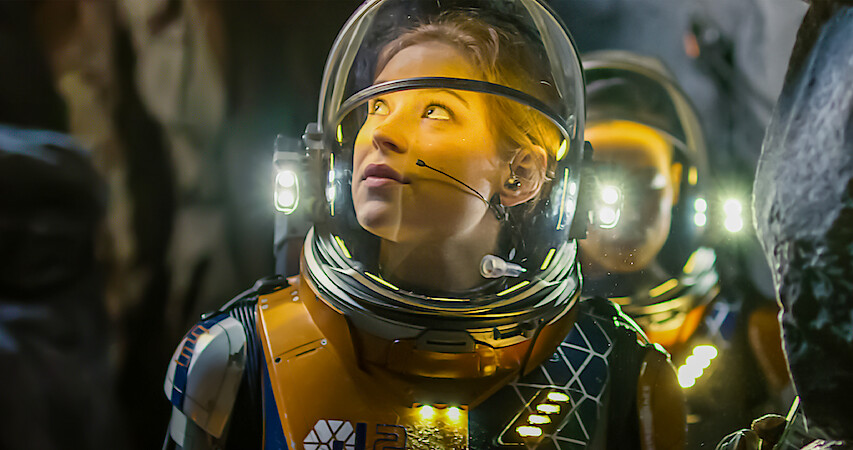
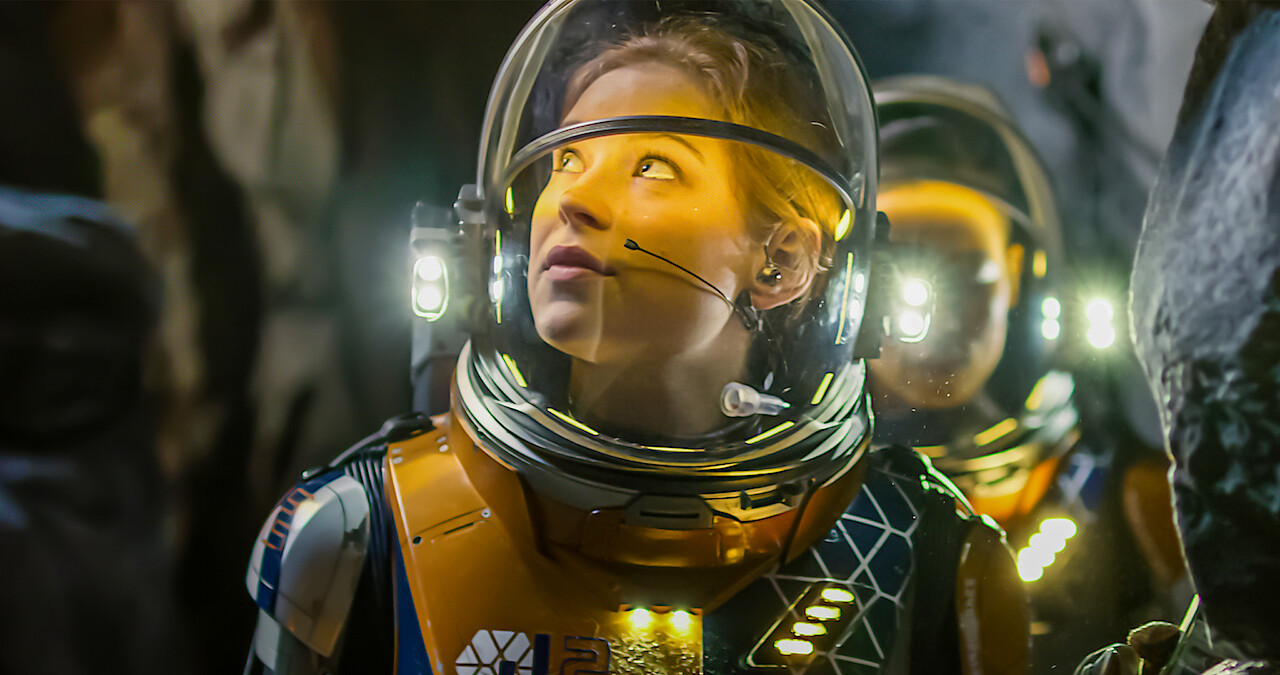
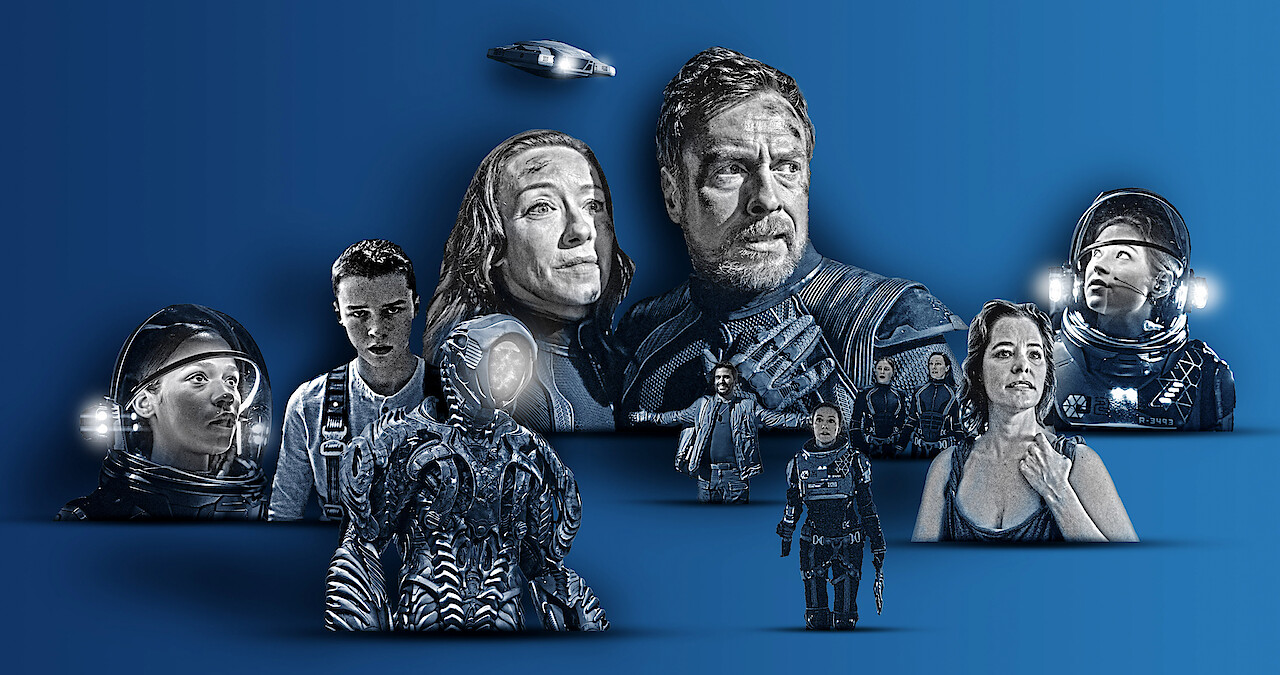
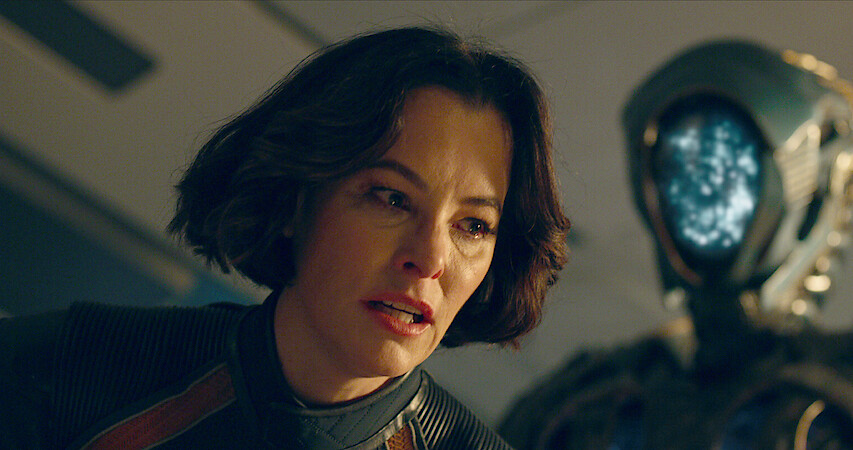
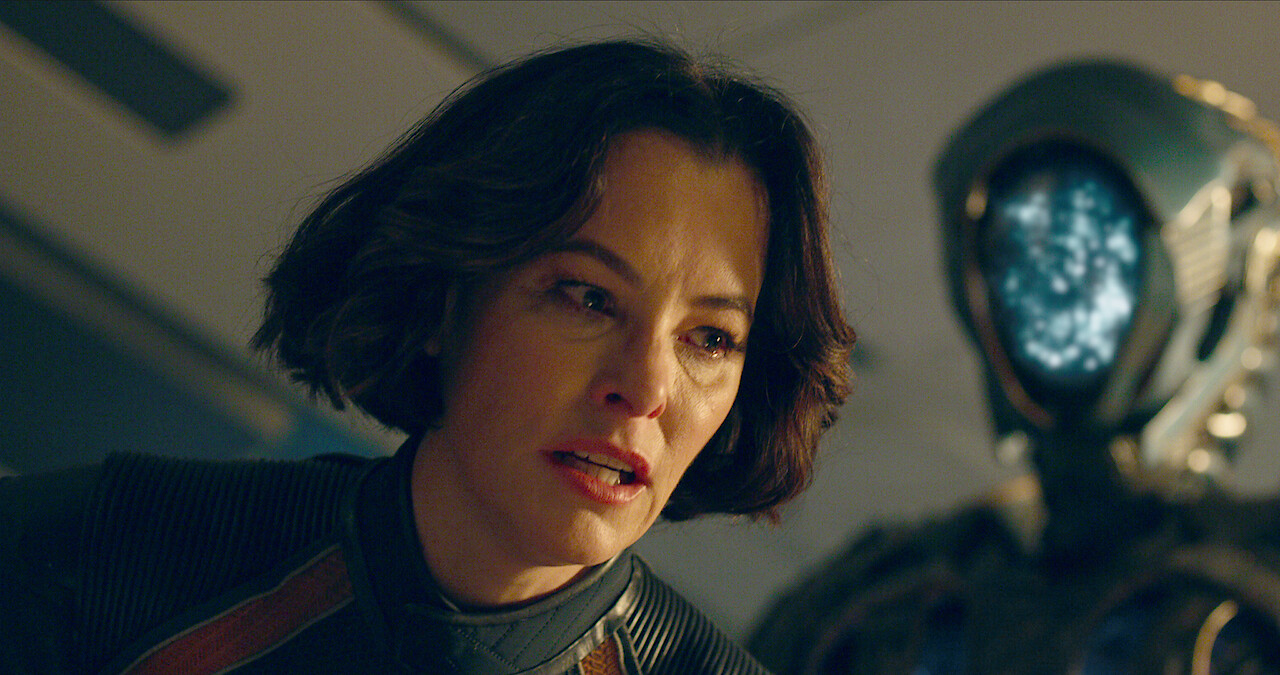
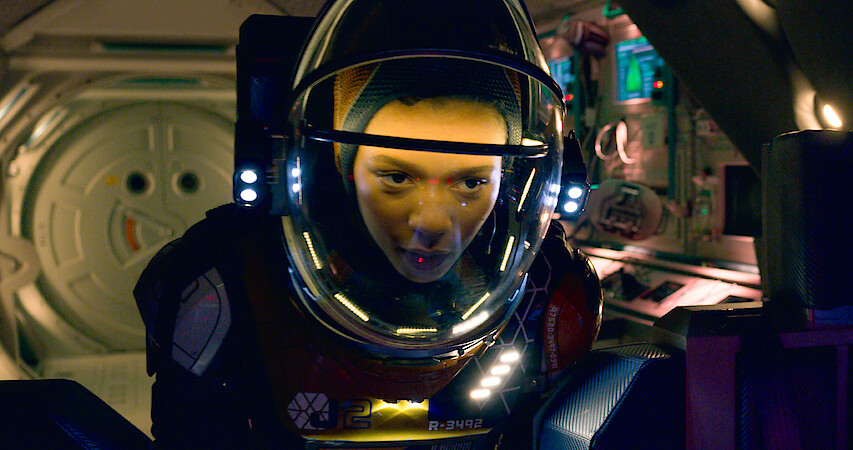
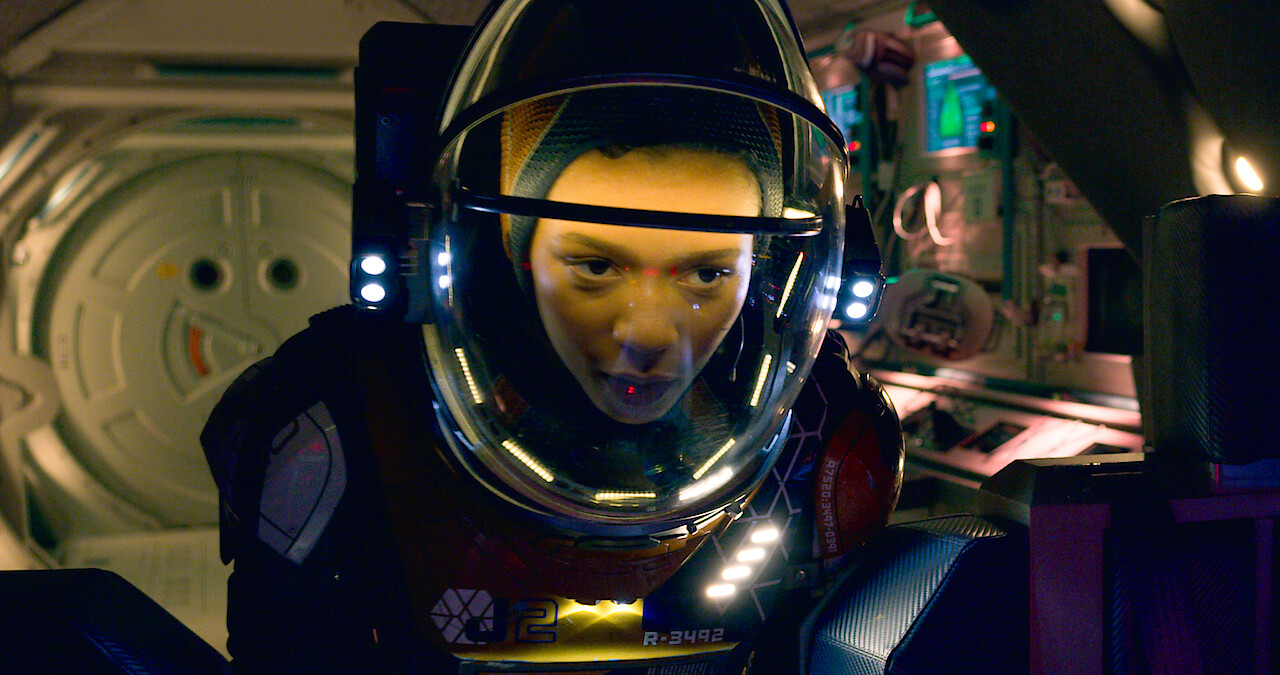
From the moment Molly Parker joined the Lost in Space cast in 2016, she knew her version of Maureen Robinson would be a new interpretation of the character.
As in the film and television show that came before Netflix’s take on the franchise, Maureen was set once again to be the passive Robinson matriarch. But rather than be second-in-command, Parker’s Maureen in the new series would have agency, and she’d be placed front and center.
“When [showrunner] Zack Estrin first approached me about the show and talked about what [he and executive producers] Matt [Sazama] and Burk [Sharpless] were thinking about, he really emphasized that in their version, they wanted Maureen to be a hero,” Parker recalls. “They wanted her to be the one who figures out how to save everyone... She's the mind behind everything that's happening and the catalyst to get us all out there in the first place. And that was exciting to me.”
The actor had seen reruns of the original series when she was younger and wanted to make sure she “honored” it. “But at the same time, Maureen needed to live in this world and be [representative] of a future that we — that I — aspire to. This [show is set in] a time in which all of these women are competent, able, and it's never questioned. We tried to create a vision of a future where we don't even have to have that conversation around gender anymore. So I love that about it, too.”
Parker, whose prior credits include House of Cards and Deadwood, is no stranger to bringing complex characters to life, be it politicians or recovering addicts. But over Lost in Space’s 28 episodes, Maureen is met with challenges that few would ever experience — she is, after all, a parent in space. She reaches the highest of highs (successfully bringing her entire family into the elite space program with minimal trickery, plus surviving their dozens of near-death experiences) and lowest of lows (being separated from her children for an extended period, as a way to save them from a robot attack).
“Now, looking back, I'm actually really quite amazed and surprised that the writers were willing to take her to the places that they took her to,” Parker says of her character. “When we find her at the beginning of Season 3, she's given up. She's dealing with a sense of failure and believes that it's her fault that her children are gone and possibly dead. She's brought her family out [to space] with the idea of giving them a better life, but really also because she wanted to go. She's been in love with space; She has felt that [it] was her destiny, and she's made it everyone else's destiny out of her own ambition. And now, none of it has worked.”
“She doesn't even want to connect with her husband [at the start of Season 3],” she continues. “She just has given up. She's not going to make one more decision about anything. And when he calls her out on it, she's honest. She just says, ‘Sorry. It's not enough.’ And I just think that's brave.”
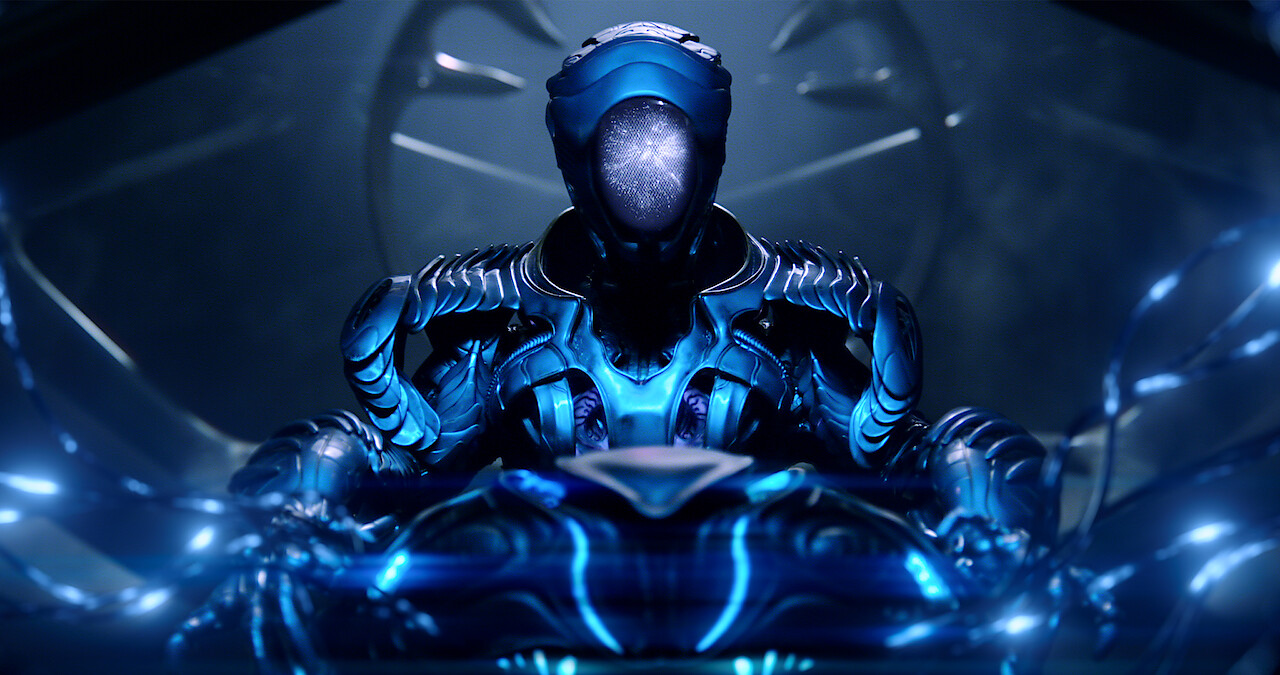
Parker applauds the writers for allowing room for Maureen’s grief and depression to be explored, even in the midst of the large-scale, fate-of-humanity-up-in-the-air story they're telling. “Yes, it's a big adventure, and it's full of incredible special effects,” she says. “I mean, it's just one of the greatest-looking things I've ever been in, and I'm amazed consistently at what those guys are able to create in post-production. But it's also about real people and real family dynamics.”
Though Maureen’s journey in the series is always a roller coaster, starting the final season at such a low point before her ultimate happy ending — we won’t spoil it, but let’s just say things work out for the Robinsons — allowed for the final lessons to have a more significant impact.
“Her journey through Season 3 is actually about humility,” Parker notes. “There's been a tremendous amount of hubris in Maureen that's brought her and her family to this place, and she's humbled. Throughout this season, even when she pulls it together and gets an idea of how they could figure out a way to get an engine to find [the kids], she fails. She fails over and over again.”
“What she learns, that she's able to pass on to her son — who suffers from the same sense of self-importance, this idea that ‘I'm the only one who can save everybody’ — [is] this hard-earned wisdom that she has, which is that we don't do it alone,” she continues. “We cannot do it alone. And if you are on a path thinking that you have to do it alone, you're on the wrong path.”
Parker admits that as she comes to the end of her Lost in Space journey, she’s still processing the experience. "I don't know if I can completely articulate just what a pleasure it's been to play her and how much I've learned from her.”