Deep Dive
Filming the ‘Kaleidoscope’ Vault Scene Took a ‘Soggy Six Weeks’
The cast and crew dive into the show’s exhilarating heist (literally).
Jan. 2, 2023
The first step to pulling off a successful heist is checking the forecast to make sure there’s a perfect storm rolling in (and donning a well-fitted bodysuit).
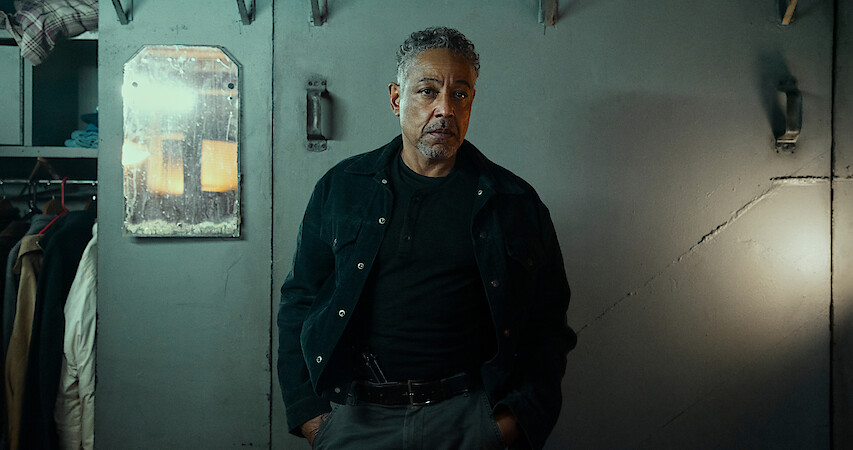
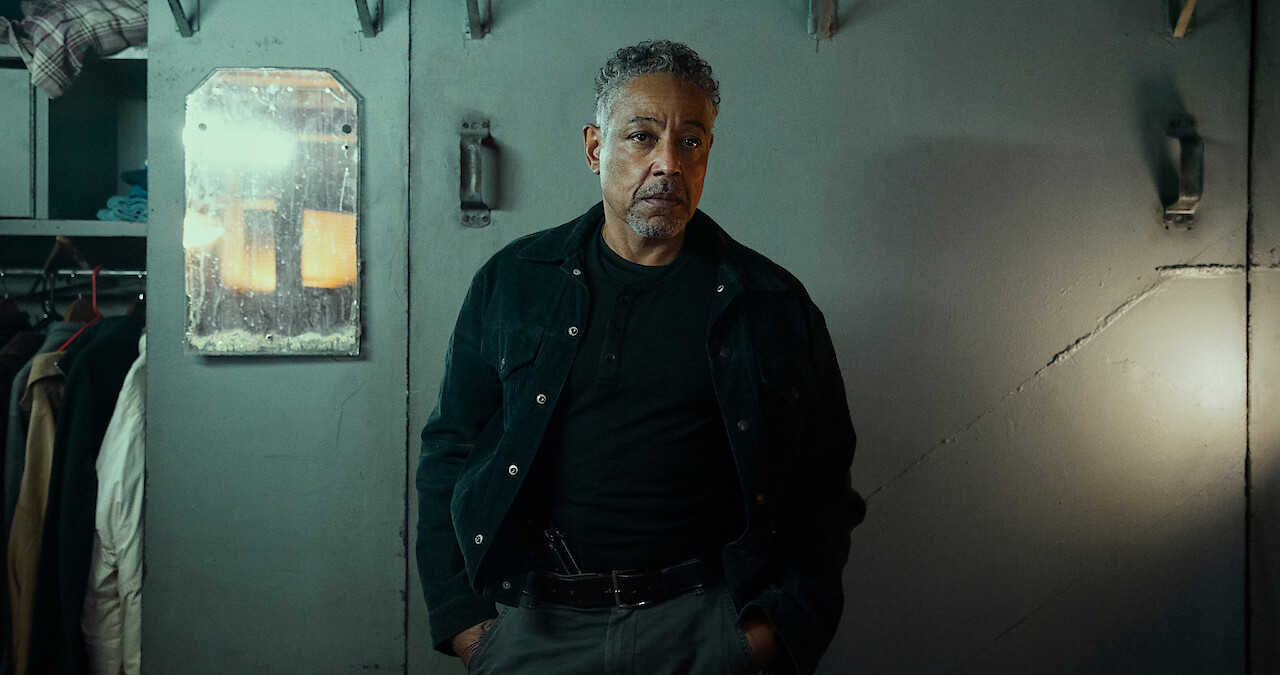
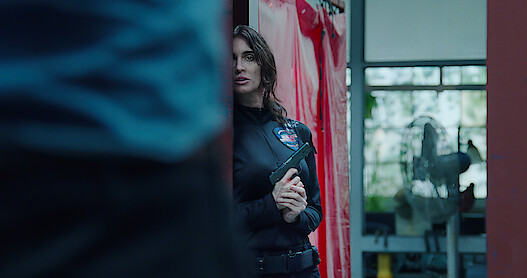
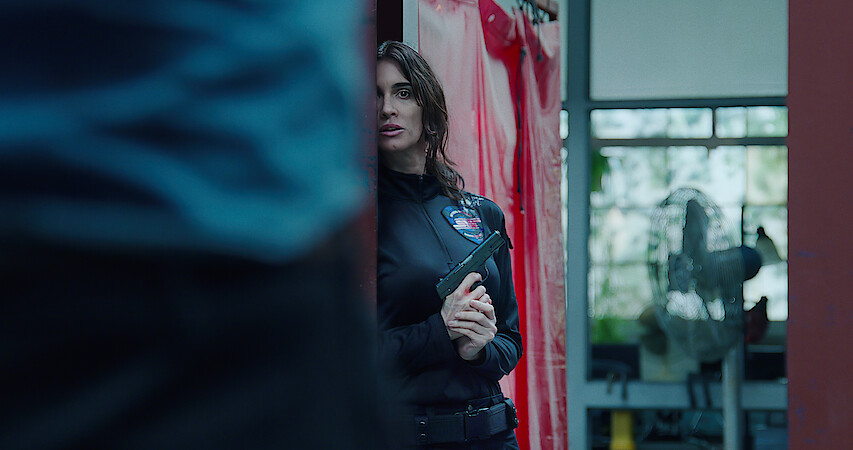
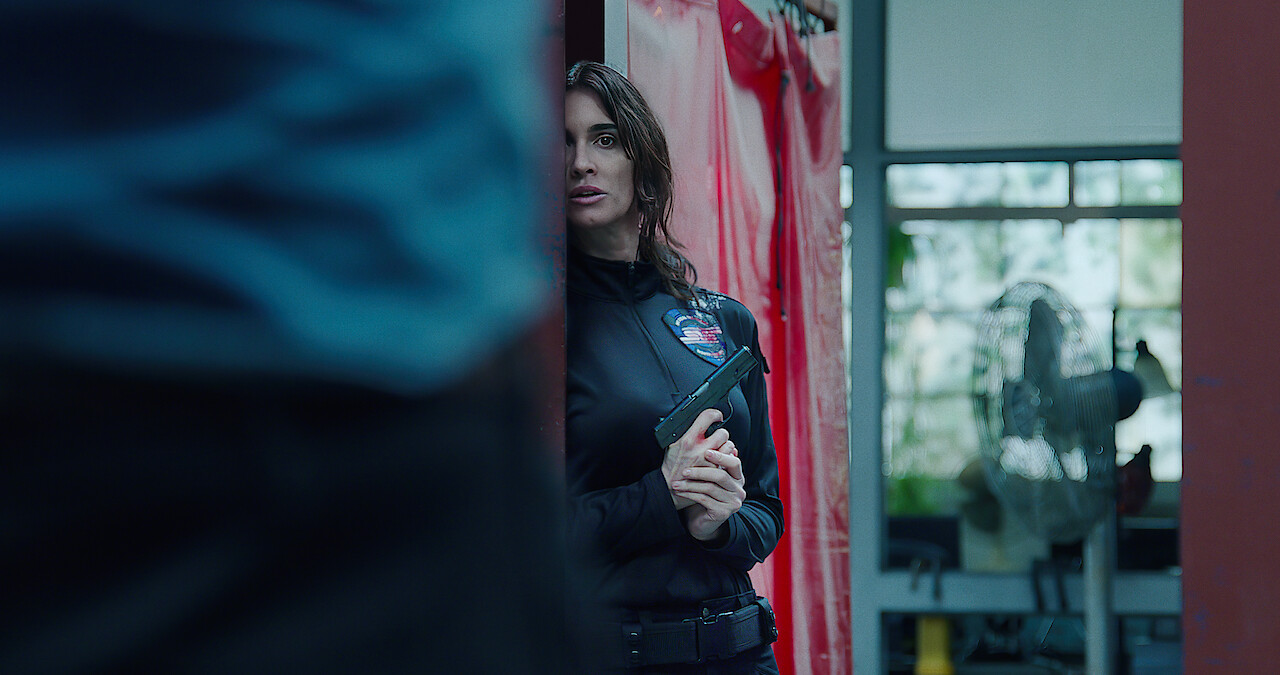
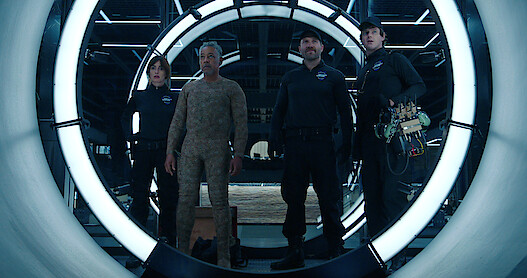
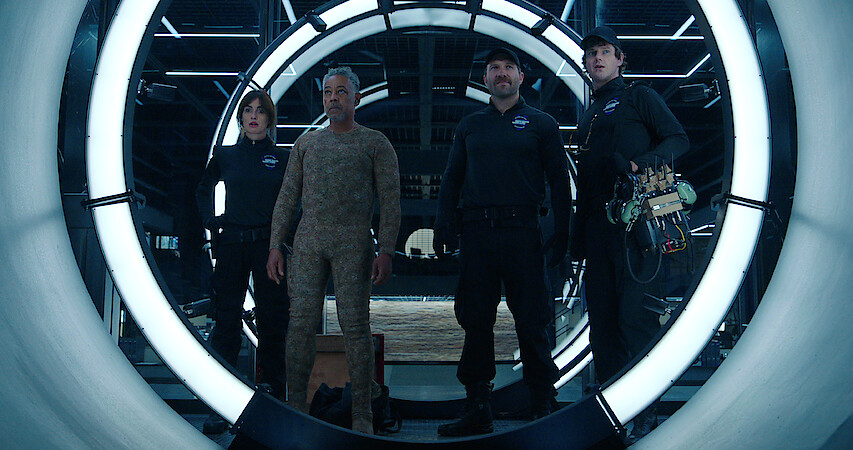
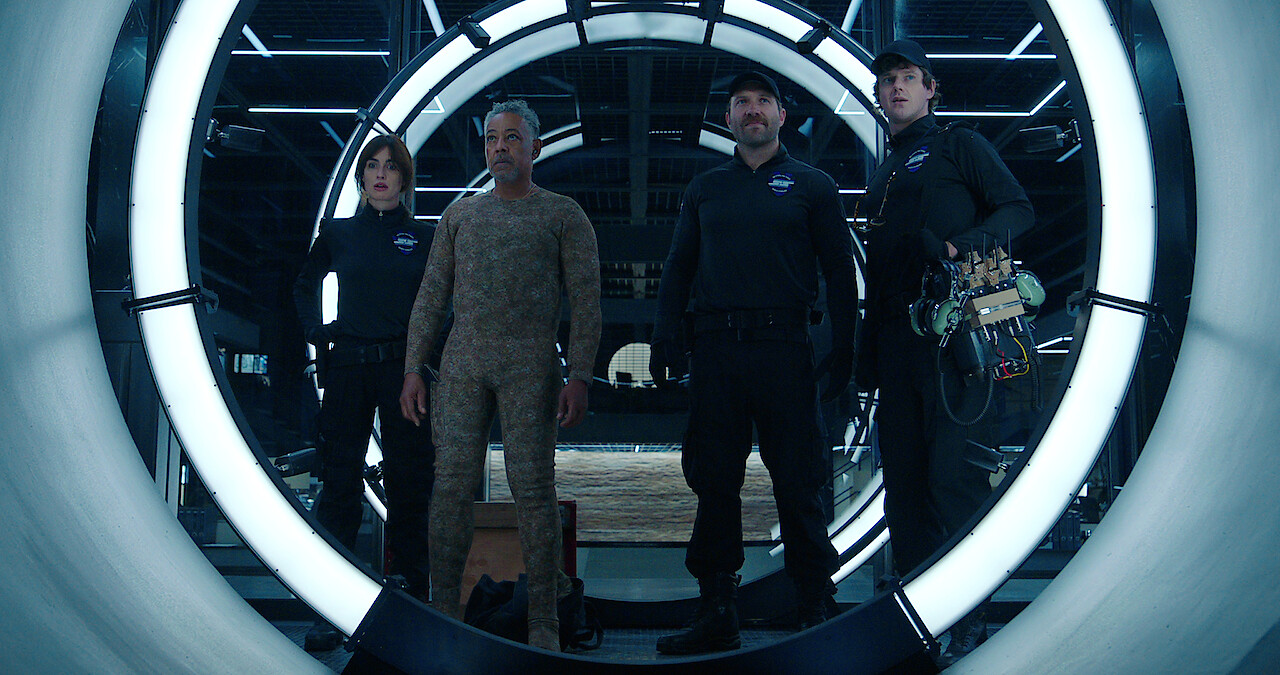
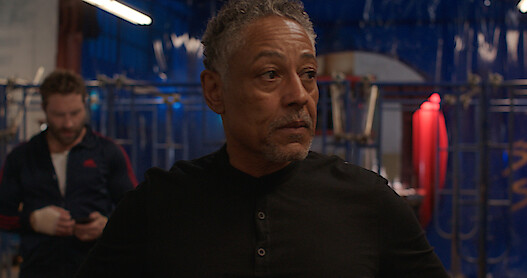
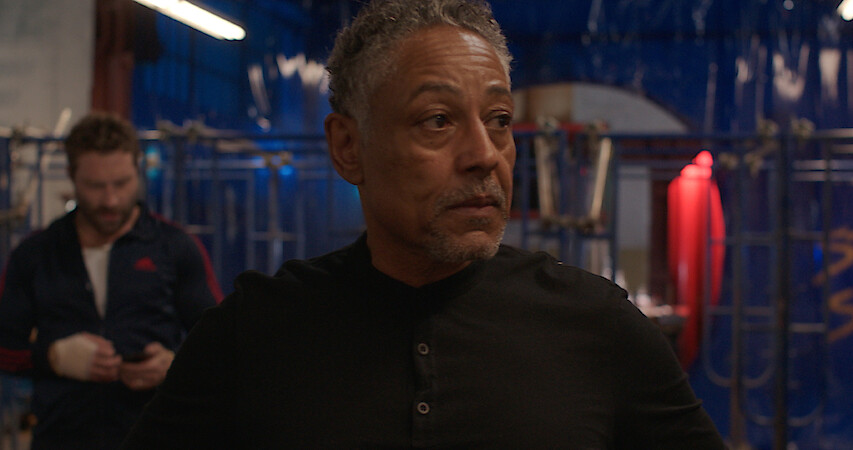
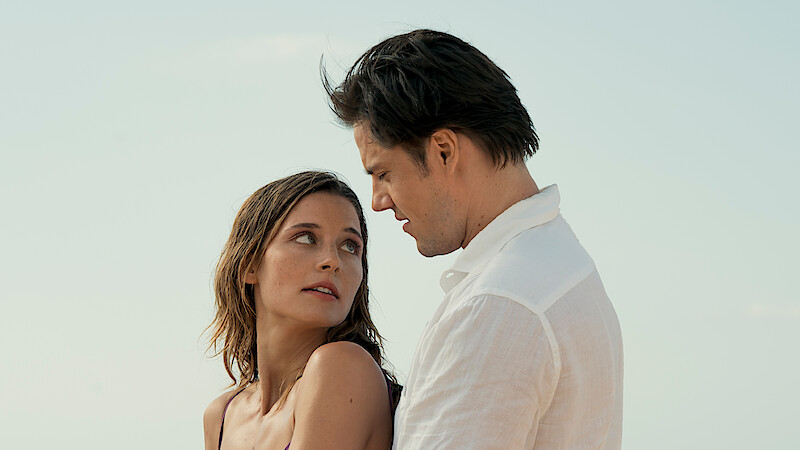
Kaleidoscope’s handful of thieves — Leo Pap (Giancarlo Esposito), Bob Goodwin (Jai Courtney), Judy Goodwin (Rosaline Elbay), Ava Mercer (Paz Vega) and Stan Loomis (Peter Mark Kendall) — know that cracking open a high-security vault is no easy feat. From using bees to hack a gait identification system to breaking open a water main with radioactive explosives, these bandits will go to great lengths to line their pockets with $7 billion — even if it means putting their lives on the line.
After watching the first seven episodes in unique order, viewers arrive at the same finale in the show’s “White” episode to witness the elaborate heist go down. How was this compelling sequence filmed? The cast and crew sit down with Tudum to share the intel.
When creator Eric Garcia read about the lost $70 billion in bearer bonds during Hurricane Sandy, he knew the story would make for a compelling heist. But he also pulled inspiration from other heist films for the eight-episode anthology series. “Heist, crime, Mafia — that world is my favorite stuff,” he tells Tudum. One of Garcia’s biggest inspirations was the 1955 French crime film Rififi. Halfway through the movie are 30 minutes of silence while the thieves attempt to break open a vault. “How can we do that and break it apart into these eight episodes?” he asks.
Rififi’s influence can be seen in the “White” episode’s opening sequence: There’s no dialogue in the first 11 minutes as the thieves slyly hack security systems and break into the depository.
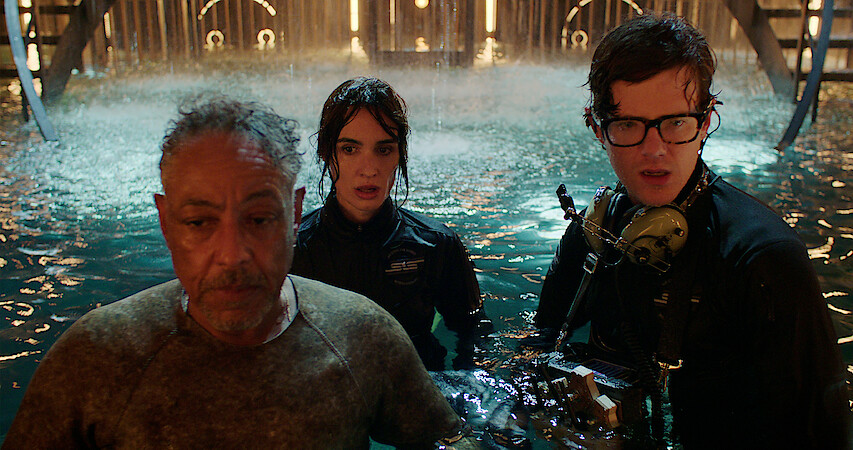
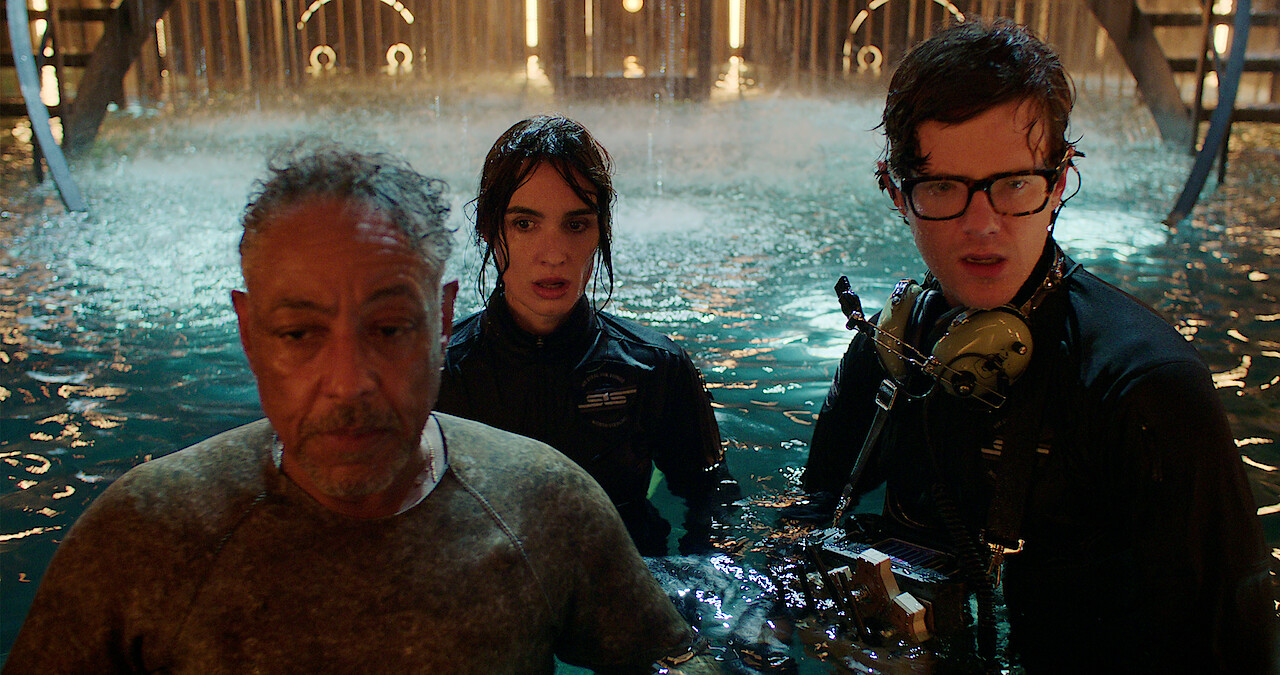
To keep the security sensors from going off, the bandits have to cool down the temperature of the depository by allowing a little water to seep in from the water main. Judy is responsible for climbing up into the tunnel and breaking the main using nuclear radioactive explosives. Unfortunately, time isn’t on her side, and she ends up flooding the vault with way too much water.
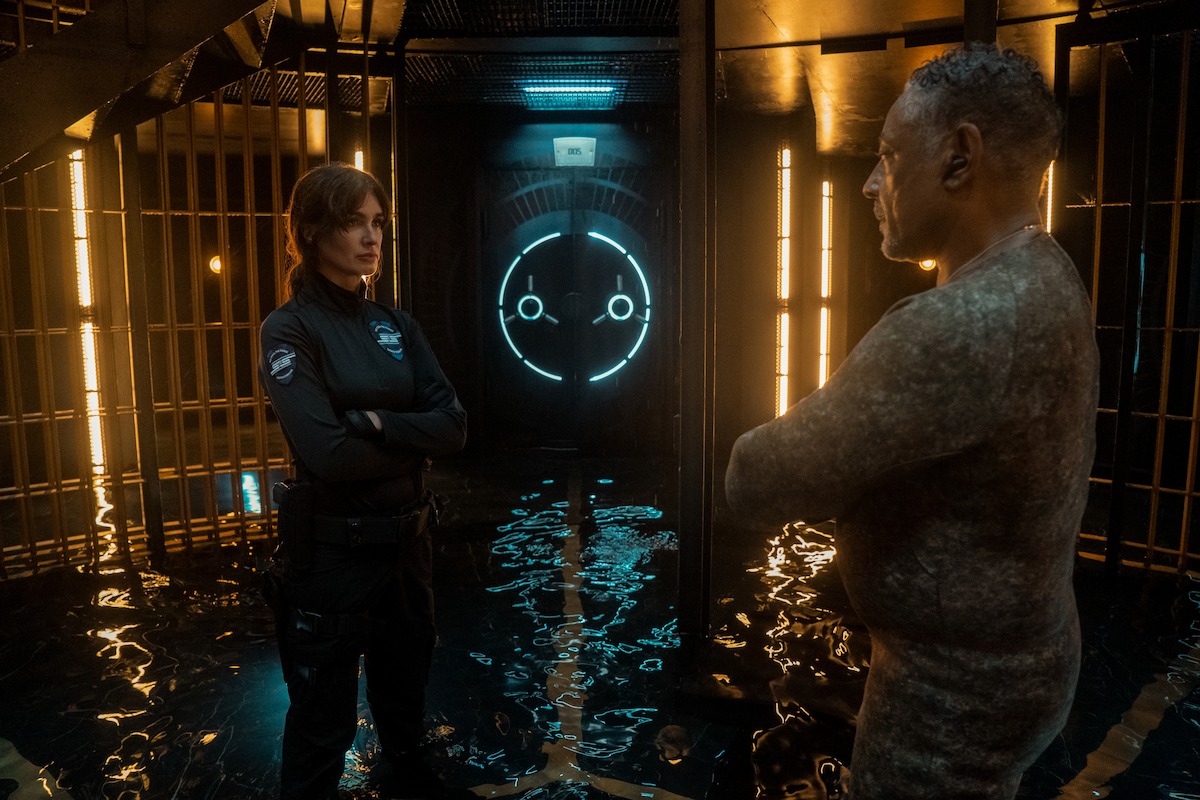
This complex scene required a well-built set that the crew could easily maneuver and fill with water. “When you walk in the set, there’s these two huge water tanks, and it was like a swimming pool … they could turn on the water and it just starts filling up and comes through the ceiling,” Russell Fine, director of the episode, explains.
“Every time we’d pop into the office, [we’d] see the big water tanks being built outside the Netflix studios knowing that they were going to flood the set,” Elbay shares.
Fine had only half a day to prepare for the “White” episode, which was filmed on his first day. Thankfully, he was a cinematographer before pivoting to directing and knew how to meticulously plan each shot. “Even though I didn’t have a lot of time to prep, I did very extensive shot diagrams,” he says. Using two conventional cameras, an underwater cameraman and a scuba team, Fine was able to capture different angles to make the episode feel as immersive as possible.
Esposito, who plays the heist mastermind, made Fine’s job even easier by performing his own stunts underwater. “We didn’t use any of the stunt people for Giancarlo underwater,” Fine shares. “It made it really realistic and really visceral. There was a speaker underwater so [Esposito] could self-roll, cut and hear us.”

“For the stuff where there’s water, I want to say that we were there [for] three to four days of shooting with 3 to 7 feet of water,” Fine says. The entire episode itself took much longer to film. “It was a soggy, soggy six weeks,” Elbay jokes. “I was soaked, standing in a nipple-high bathtub of film crew, mud and urine,” Courtney adds with a laugh. “When you get the privilege to mess around with that sort of thing as an actor, it’s a lot of fun. But we were definitely ready to get dry by the end of that month,” he continues.
Stream Kaleidoscope now to watch the entire heist go down.