

Ask an Expert
How to Recognize the Tell-Tale Signs of a Con Artist
Eight questions to ask yourself before trusting anyone ever again.
By Diedre Johnson
Feb. 16, 2022
It’s the last thing you’d expect but maybe one of the first things you should be aware of: An innocent person can be robbed of their identity, life savings, tangible assets (heirloom or precious jewelry, land, collectibles) or even their home, all through a persuasive con.
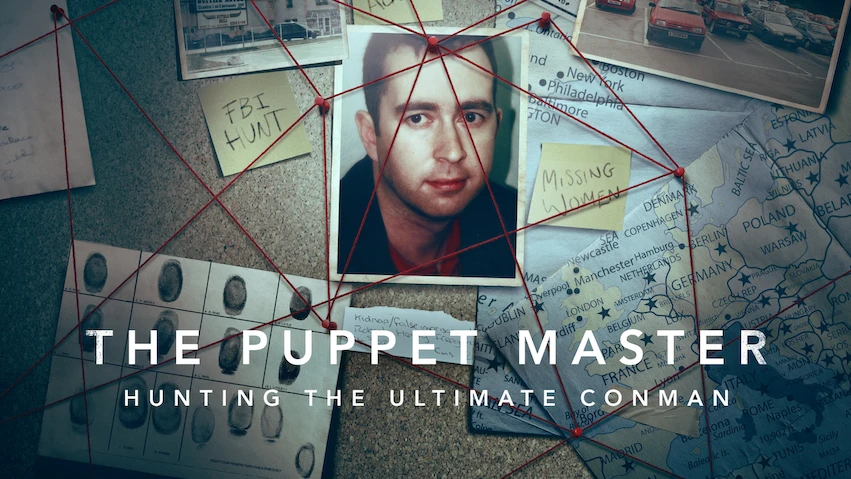
Things have changed somewhat since the days of Robert Hendy-Freegard’s crimes in the ’90s and early ’00s, as shown in the Netflix series The Puppet Master. Modern-day cons are often online, but the idea of enticing someone to believe something false is a tale as old as time.
“While the types of scams may vary (romance scams, elder fraud, phishing, etc.), the goal is the same: to steal something of value from their victims,” Michael Kulstad, public affairs advisor for the FBI’s Office of Public Affairs, tells Tudum.
In 2020, the FBI’s Internet Crime Complaint Center (IC3) received complaints from more than 23,000 people claiming they were victims of romance/confidence scammers, resulting in approximate losses of $600 million. That’s up from 2019, when IC3 reported more than 19,000 victims, with estimated losses of more than $475 million.
“When looking at romance or confidence scams,” Kulstad says, “many times, victims are emotionally attached to the individual with whom they believe they are in a relationship. When they determine they have been exploited, they may feel embarrassed, ashamed, or humiliated and may not want to share their victimization with anyone, let alone report it to law enforcement.
“However, we want to encourage anyone who has been victimized by this fraud or unsuccessfully targeted to contact law enforcement and file a complaint with the FBI’s IC3. The more information we have, the better we can protect people from these frauds in the future.”
Before you say it’d never happen to you, know that there are at least 30 popular cons according to the FBI website and more that crop up all the time. Below are a few questions to ask yourself. You may be more vulnerable than you think.
Con artists can be subtle, even charming, until they get their hooks in you. Some cons can be over quickly while others may take years. Con artists can present as poor and needy, or rich and able to fulfill your wildest dreams, whatever it takes to gain your trust or sympathy. But once you have given up your time, money and/or expensive possessions, things escalate quickly. The person doing the con ultimately disappears, and you’ll have a difficult time making contact or finding them.
If you’re someone who would stop to help a pregnant woman with her groceries, help an elderly person get across the street, or give change to help someone who’s homeless, then as good as those traits are, you could be an easier target for a scam.
You should never loan a new romantic partner money according to Bustle. And if you do, know exactly how much and be in agreement on how it’s spent, says Financial Best Life.com. Oh, and you probably shouldn’t marry and immediately lend unless you know everything there is to know about your partner’s purpose and how they intend to use the money. There are many sad stories out there alleging that people have found out their spouse was a l̶o̶u̶s̶e̶, er scammer.
Think back, what’s the most outlandish story anyone has ever told you? Did you believe it? Did someone with a polite face and a nice suit ask for your help and you offered it, no questions asked? Maybe someone you’ve known for a while reached out to you out of the blue to offer you something and it seemed too good to be true? It probably was. The con in con artist is short for confidence. Scammers will try to gain your confidence in order to pull off their deception. Don’t give your trust away so easily.
You certainly aren’t alone. Many people want to win big bucks, but be careful – con men and women prey on people’s dreams of instant riches. First, there are lotteries all over the world, but a US citizen can only play and (potentially) win in US lotteries. That fact won’t stop scammers from sending you envelopes through snail mail saying that you have won the lottery in say, oh, Italy, Mexico or perhaps Canada.
Again, be careful. There are lots of bogus charities that target windfall recipients just waiting to scam you into contributing. Even MacKenzie Scott (Jeff Bezos’s ex-wife) has been the unwilling subject of a scam, when a bogus organization on the internet claimed to be one of her charities.
If someone is offering you a job that requires upfront payment of any kind, most legitimate employment and state government agencies will just advise you to just say no.
Here are a few from the FBI’s Charlotte field office: Someone quickly wants to insure your ability to keep a secret. They give you a tight and definite deadline for whatever it is that they want you to do and they may even ask for personal information such as bank account numbers. Something to keep in mind: If it sounds too good to be true, it probably is. Anyone who believes that they were the victim of a scam is encouraged to contact law enforcement at 1-800-CALL-FBI, or by filing a report via the FBI’s Internet Crime Complaint Center at https://www.ic3.gov.