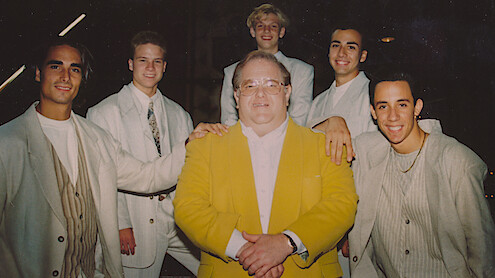
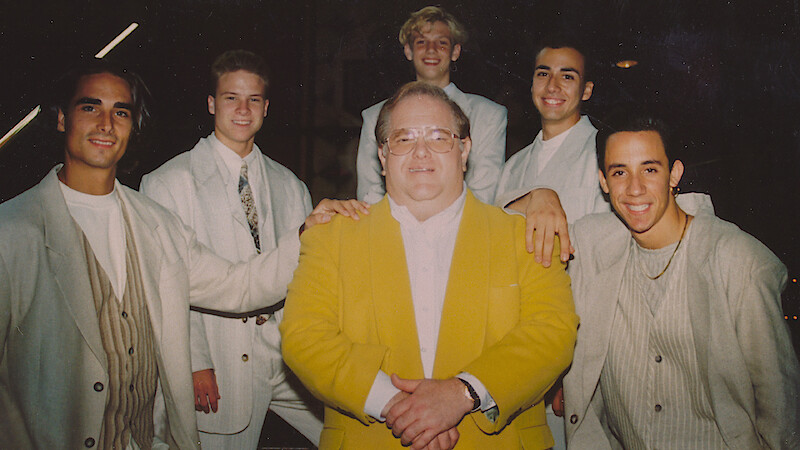
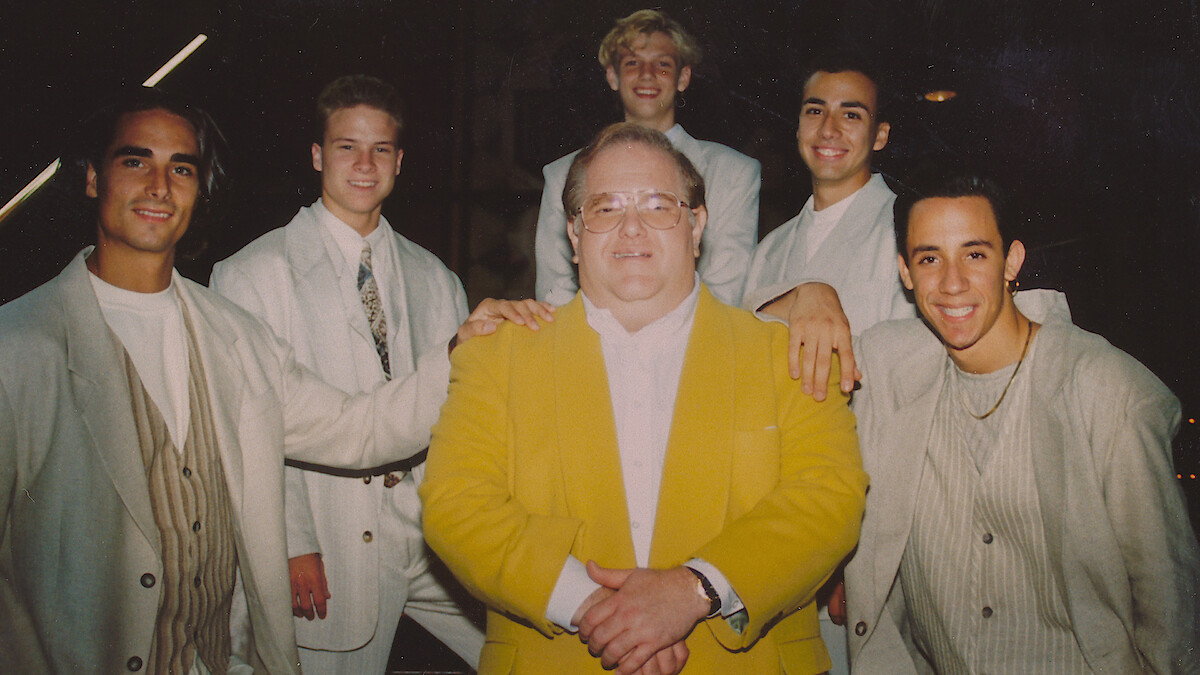
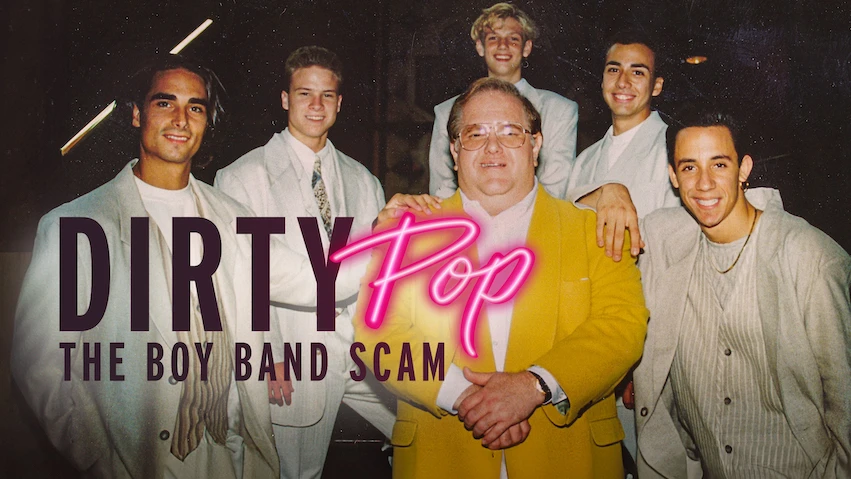
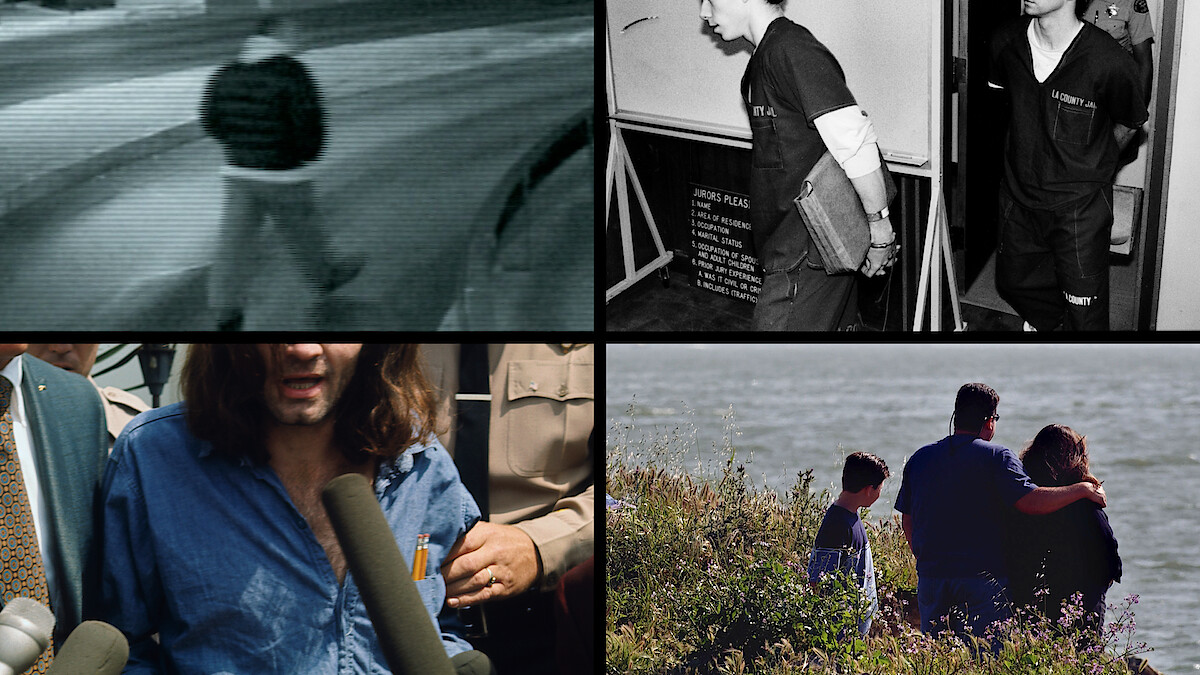
In the ’90s and early ’00s, the formula seemed foolproof: Five attractive guys with vocal talent plus catchy pop songs and dynamic choreography equaled a music-industry smash. For groups like the Backstreet Boys, *NSYNC, and O-Town, talent manager Lou Pearlman was the secret ingredient that fueled their success — and then ultimately threatened to derail it.
Pearlman’s biggest acts eventually parted ways with him publicly, claiming that he hadn’t properly compensated them in spite of their global reach and record-breaking sales. Unraveling the true scope of Pearlman’s misdeeds, however, in Dirty Pop: The Boy Band Scam, reveals his deceptions were much more layered than even his closest confidants knew.
The three-episode docuseries from director David Terry Fine and co-executive producers Michael Johnson and Lance Nichols, convenes Pearlman’s childhood friends, business associates, unwitting accomplices, and numerous victims to talk about how he was able to spin a web of lies over multiple decades.
“We realized that the scheme that eventually funded these boy bands had started decades prior, with partners that stretched from New York mob families to former Nazi pilots,” says Johnson. Below, he tells Tudum about how the production team pieced together the tale, who they wish they’d gotten to interview, and how they incorporated Pearlman’s own words into the series with some help from AI.
When people think about Lou Pearlman, they think of the Backstreet Boys and *NSYNC, but your series situates those bands as one chapter in a lifetime of deception. How did your understanding of his crimes change as you began to research his life and career?
We realized very early on in our digging process that this story was so much bigger than what is commonly known when you hear the name Lou Pearlman. This isn’t one of those “My manager stole my money” stories or “The guy that started boy bands went off and started a Ponzi scheme”. The bands that the world knows and loves were formed as a continuation of Lou’s crimes and schemes at a time when his back was against the wall and he needed his next big idea — or else. With the formation of a squeaky-clean, talented band, he was able to use the appeal and power of celebrity to continue to string longtime investors along and open himself up to a whole new market of fame-hungry investors and power-hungry politicians.
Is there anyone that you would have loved to talk to but weren’t able to?
The obvious answer would be Justin Timberlake. However, there were a few insiders that we talked with extensively that did not end up participating on camera but provided us with valuable information for the story. As [Pearlman’s childhood friend] Marc Piacenza says in the series, they were all betrayed, and therefore a few people we would have really liked to have interviewed politely declined.
Back in the late aughts — right around the time Pearlman was convicted for financial crimes — the cultural conversation about him pivoted to sexual abuse allegations, after an article on the subject in Vanity Fair. Did you feel compelled to find someone who could corroborate these allegations in the doc as a counterpoint to those who denied them?
This is a topic that we wanted to approach very thoughtfully and carefully due to the nature of the rumors and allegations and with the well-being of any potential victims in mind. Over the course of the past 15 years, we diligently followed the leads of those rumors and allegations, speaking to some of the subjects of the allegations directly and others who may have been involved, and came to a dead end with each and every lead.
When reviewing court documents, FBI records, settlement agreements, and other official sources, we found that these allegations were denied by all parties once under oath, and in some cases, the sexual abuse allegations were refiled by the authorities as extortion charges against the accuser, based on the details and evidence in the cases. While we are absolutely not closing the door on the potential for past misconduct, every stone we turned over amounted to simply rumors and hearsay.
How did you come across the behind-the-scenes photos and film footage that are used throughout?
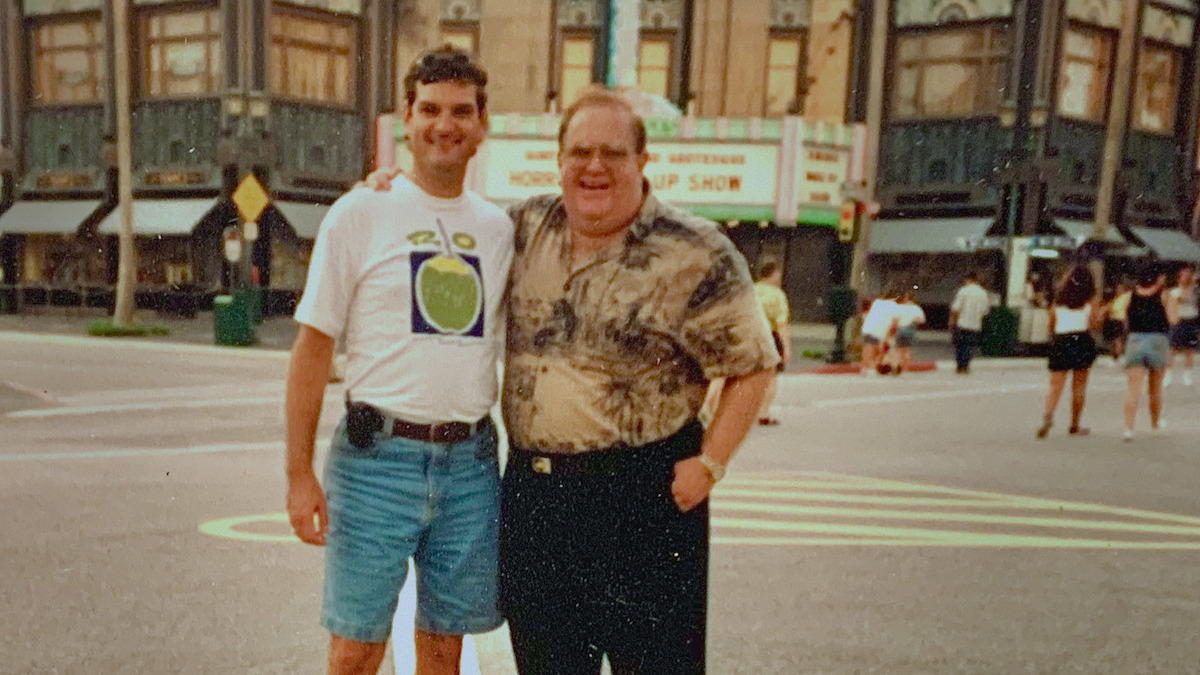
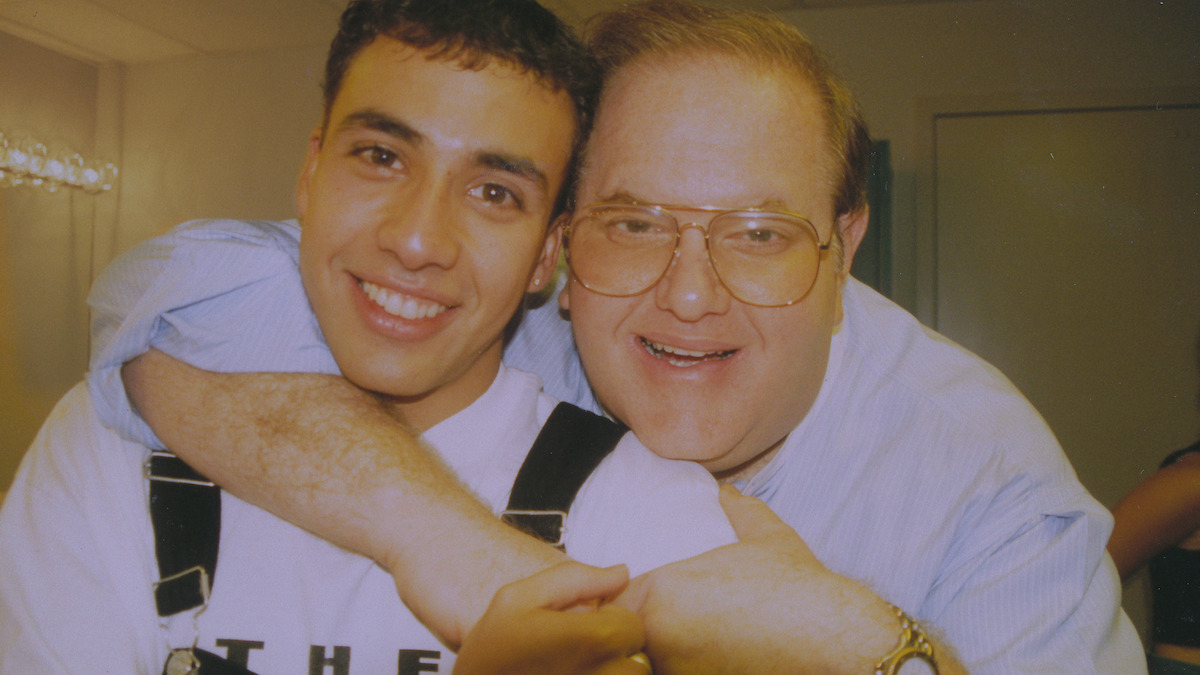
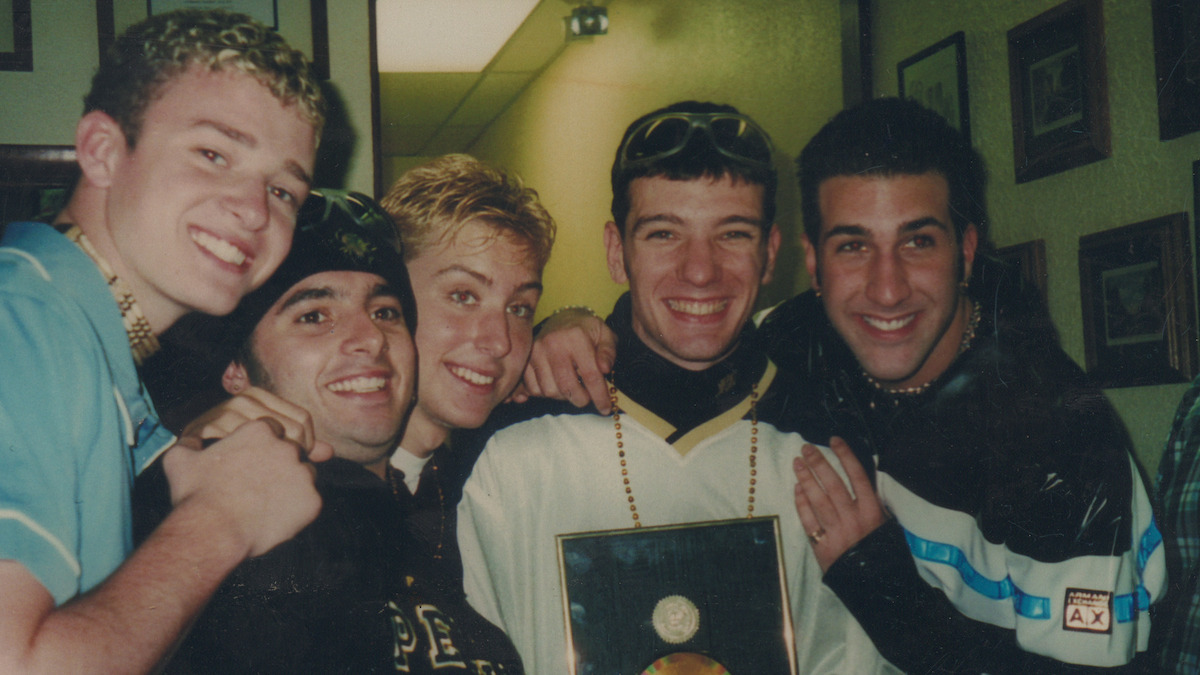
We are incredibly proud of the vast archive we are able to feature in the series. We basically had to set aside all shame as we drove people nuts begging them to check their closets, their sock drawers, the parents’ basements, disposable cameras, their treasured CD and DVD collections, and everything in between in order to gather what became the driving force of our series. The gathering process began almost 10 years ago and continued literally up to the day we locked picture. Our archive contributions came from band members, close friends of Lou, past employees, fans, court documents, Freedom of Information Act requests, the FBI, international television production companies and networks, and even Lou’s personal archive from his home, as well as his notes and writings while in prison.
How did you decide to use digitally altered footage of Lou Pearlman to narrate his own writings?
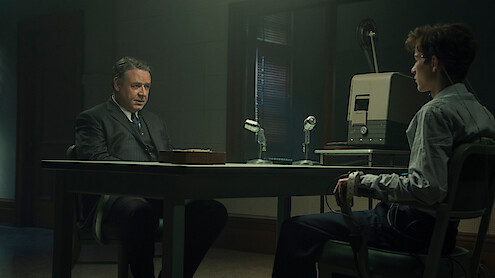
As filmmakers, we were excited to push the envelope with new technology to assist in our telling of this incredible story. First and foremost, we wanted to utilize this new technology in the most ethical way possible as an additive storytelling tool, not as a replacement tool of any kind. We secured Lou’s life rights; we only used words written by Lou himself; we hired an actor to deliver those words; we used real footage of Lou in order to capture his true mannerisms and body language; and we hired AI experts from MIT Media Lab, Pinscreen, and Resemble AI to execute our vision.
It was important for us to convey the words written in Lou’s book in this way because his writing is a reflection of his reality and the reality that he wanted everyone to believe. With the AI spread across the series, the viewer gets to experience the difference between Lou’s reality and the reality that the rest of the world experienced. This juxtaposition is essential to understanding Lou as a human being as well as a devious con man.
Watch Dirty Pop: The Boy Band Scam on Netflix now.